Snake plants, beloved for their resilience and striking foliage, are a popular choice for indoor gardeners. Propagating these fascinating plants is a rewarding experience, allowing you to expand your collection and share this beauty with others. This comprehensive guide will delve into the intricacies of propagating snake plants in both water and soil, providing detailed instructions and insights to ensure success.
From choosing the right materials to maintaining the optimal environment, you’ll gain a thorough understanding of each step.
This guide details the process, comparing the methods of water propagation and soil propagation. We’ll cover the essential materials, step-by-step procedures, and crucial care tips to maximize your chances of success. Understanding the specific needs of your propagated snake plants will ensure a thriving and healthy new generation.
Introduction to Snake Plant Propagation
Snake plants, scientifically known asSansevieria trifasciata*, are popular houseplants prized for their unique appearance and resilience. Their striking striped foliage and ability to thrive in low-light conditions make them a favorite among plant enthusiasts. These air-purifying beauties bring a touch of the tropics to any indoor space.Propagating snake plants allows you to expand your collection and share these low-maintenance beauties with friends and family.
It’s a rewarding process that demonstrates the inherent vitality of these remarkable plants. This exploration will delve into the various methods of propagation, focusing on the effectiveness of both water and soil methods.
Snake Plant Propagation Methods
Snake plants readily propagate through both water and soil methods. Understanding the different approaches can help you select the best method for your needs and environment. Both methods harness the plant’s inherent ability to regenerate new growth from existing parts.
- Water Propagation: This method involves using water to encourage root development from a stem or leaf cutting. The process leverages the plant’s natural tendency to create new roots when placed in a moist environment.
- Soil Propagation: This technique involves planting stem or leaf cuttings directly in soil. The soil provides the necessary medium for the cuttings to establish roots and grow into new plants. This method offers a more traditional approach, directly mimicking the plant’s natural environment.
Comparison of Water and Soil Propagation
Choosing the optimal propagation method depends on several factors, including personal preference, available resources, and the desired outcome. The following table provides a comparison of the advantages and disadvantages of water versus soil propagation.
| Feature | Water Propagation | Soil Propagation |
|---|---|---|
| Ease of Setup | Generally simpler, requiring minimal equipment. | Requires a pot, soil, and appropriate care. |
| Root Development Time | Can be faster, but root quality can vary. | Roots typically develop more slowly but with better quality. |
| Risk of Rot | Higher risk of bacterial or fungal rot if not maintained correctly. | Lower risk of rot if the soil is well-drained. |
| Environmental Control | Requires consistent monitoring of water levels and cleanliness. | Requires consistent monitoring of moisture levels and soil health. |
| Visual Appeal | The process is more visually engaging. | The process is less visually engaging. |
| Growth Rate | Can show quicker initial growth, but may be slower over time. | Growth tends to be more consistent and potentially faster over time. |
Materials Needed for Water Propagation
Propagating snake plants in water is a straightforward method that requires specific materials for optimal success. Careful selection and preparation of these materials are essential for healthy root development and subsequent plant growth. This section details the necessary materials and their roles in the propagation process.
Specific Materials Required
The materials needed for water propagation are carefully chosen to create a suitable environment for root development. Proper selection ensures the health and vitality of the propagated plant. A clean and sterile environment is critical to prevent the growth of unwanted microorganisms.
Materials and Their Functions
A crucial aspect of water propagation is the selection of appropriate materials and understanding their roles in the process. The following table summarizes the essential materials and their respective functions:
| Material | Function |
|---|---|
| Clean, sharp knife or pruning shears | Essential for carefully excising a healthy cutting. A clean tool prevents the introduction of pathogens and promotes a healthy cut, facilitating root development. |
| Distilled or filtered water | Provides a sterile medium for root growth. Tap water may contain minerals and contaminants that could hinder root development. Distilled or filtered water is recommended for its purity. |
| Glass or clear plastic container | Facilitates observation of root growth and allows for adequate light exposure. Transparency ensures monitoring of root development without hindering the growth process. Choose a container that’s large enough to accommodate the cutting without crowding. |
| Root hormone (optional) | Stimulates root development in the cutting. Root hormones provide a natural boost to the plant’s rooting process, though it is not strictly necessary. |
Materials Needed for Soil Propagation
Successfully propagating snake plants in soil relies on the careful selection and preparation of suitable materials. Proper substrates and tools facilitate root development and healthy plant growth. The right combination ensures a thriving environment for the new plantlets.Soil propagation, while differing slightly from water propagation, requires specific components for optimal success. This includes understanding the function of each material and its contribution to a supportive environment for the new plant.
The following section details the essential materials required for successful snake plant propagation in soil.
Essential Soil Components
The choice of soil mix plays a crucial role in the success of soil propagation. A well-draining, airy mix promotes root development and prevents root rot, a common issue in soil propagation. A suitable mix usually contains a combination of components, each serving a specific purpose.
- Potting Mix: A high-quality potting mix provides essential nutrients and aeration for healthy root growth. This mix typically contains a blend of peat moss, perlite, and vermiculite. These materials enhance drainage and aeration, preventing waterlogging that can damage roots. The specific composition of the potting mix can vary depending on the desired outcome.
- Pot: A suitable pot with drainage holes is essential for soil propagation. The pot should be appropriately sized for the plant and the potting mix. Drainage holes allow excess water to drain away, preventing waterlogged conditions that can harm the developing roots. Clay pots are often preferred for their excellent drainage properties. Plastic pots also serve well if they have adequate drainage holes.
- Sharp Knife or Pruning Shears: A sharp knife or pruning shears are necessary for carefully taking stem cuttings. Sharp tools ensure a clean cut, minimizing the risk of damage to the plant and promoting faster healing and root development. Using blunt tools can crush the cutting, making it more susceptible to disease and hindering propagation success.
Importance of Each Material
Each material in the soil propagation process contributes to the overall success of the propagation. Understanding the role of each component ensures a healthy environment for the new plantlets.
- Potting Mix: Provides essential nutrients and aids in aeration, promoting healthy root development and growth. The right mix prevents root rot by facilitating proper drainage and oxygenation.
- Pot: The pot’s role is crucial in maintaining proper drainage. Adequate drainage is essential for preventing waterlogging, which can cause root rot. The pot’s size should be appropriate for the plant and the potting mix to allow for adequate root growth.
- Sharp Knife/Pruning Shears: The use of sharp tools ensures a clean cut, which is vital for minimizing plant damage and promoting healing and root development. A clean cut reduces the risk of disease and infection.
Comparison of Materials for Water and Soil Propagation
The table below highlights the key differences in materials required for water and soil propagation.
| Material | Water Propagation | Soil Propagation |
|---|---|---|
| Cutting Material | Stem cuttings | Stem cuttings |
| Growing Medium | Water | Potting mix |
| Container | Clear jar or vase | Pot with drainage holes |
| Tools | None (typically) | Sharp knife or pruning shears |
Step-by-Step Guide for Water Propagation
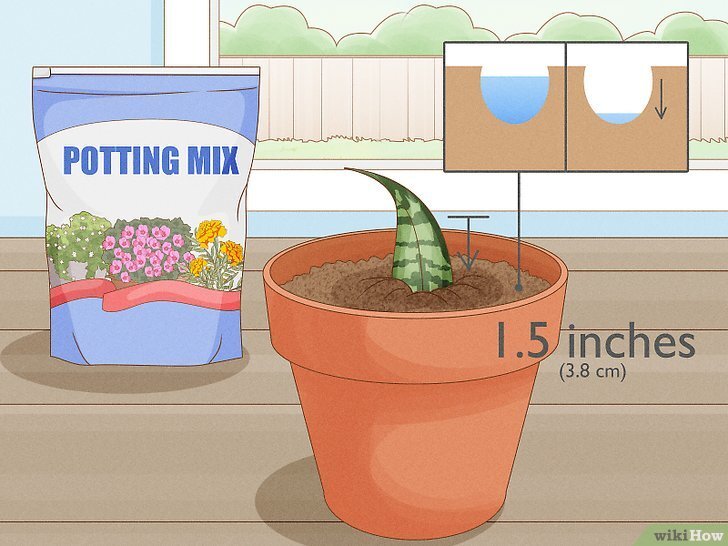
Propagating snake plants through water is a rewarding method for increasing your collection. This method leverages the plant’s inherent ability to regenerate from cuttings, offering a simple and effective way to multiply your snake plant beauties. This guide details the crucial steps involved in this process, ensuring healthy propagation.
Cutting a Healthy Snake Plant
Selecting a healthy, robust snake plant is essential for successful propagation. Choose a stem section that exhibits vigorous growth and free from any visible signs of disease or pests. A healthy stem typically displays firm texture and vibrant green color. Avoid stems that show signs of wilting, yellowing, or brown spots. A sharp, clean tool, such as a sterilized knife or pruning shears, is crucial for making precise cuts.
The cut should be made at a 45-degree angle to maximize surface area for root development.
Preparing the Cutting for Water Propagation
Proper preparation of the cutting significantly impacts the propagation success rate. A clean cut prevents the entry of harmful bacteria or fungi. The prepared cutting should be free of any damaged tissue or impurities. Remove any leaves that may be submerged in the water, as these can lead to rot. The bottom 2-3 inches of the cutting are ideally suitable for the propagation process.
This section is generally more conducive to root development, due to the presence of nodes.
Maintaining the Cutting in Water
Maintaining the cutting in water requires meticulous care and attention to detail. Regular observation for signs of decay or discoloration is crucial. The water should be changed regularly, ideally every 1-2 weeks, to prevent bacterial growth and maintain a clean environment. The propagation process is greatly influenced by the cleanliness of the water. Distilled or filtered water is often recommended as it minimizes mineral buildup that can impede root development.
Step-by-Step Procedure for Water Propagation
- Select a healthy snake plant stem, ensuring it is free of pests or diseases. Use a clean, sharp knife or pruning shears to make a 45-degree cut at a node.
- Remove any leaves that would be submerged in water. This prevents rot and ensures the cutting’s focus on root development.
- Place the cutting in a clean glass or jar filled with fresh, distilled or filtered water. Ensure the bottom 2-3 inches of the stem are submerged.
- Maintain the water level consistently and replace the water every 1-2 weeks. Avoid using tap water, as minerals can accumulate and harm the cutting.
- Place the container in a bright, indirect light location. Direct sunlight can cause the water to become stagnant and encourage algae growth.
- Monitor the cutting regularly for signs of root development. This usually takes several weeks to a few months. The development of roots is a crucial sign of the success of the propagation process.
Optimal Water Conditions for Propagation
Maintaining the correct water conditions is critical for successful propagation. Distilled or filtered water is recommended to avoid mineral buildup that could hinder root development. Regular water changes (every 1-2 weeks) are essential to prevent the growth of bacteria and maintain a clean environment for the cutting. The water should be at room temperature to prevent any temperature shock.
A consistently bright, indirect light source is optimal for healthy growth. Avoid direct sunlight, which can lead to algae growth and water stagnation.
Step-by-Step Guide for Soil Propagation

Propagating snake plants through soil is a straightforward method that often yields successful results. This method mimics the plant’s natural growth process and typically leads to faster root development compared to water propagation. Understanding the steps involved ensures healthy new plants are grown from cuttings.
Cutting a Healthy Snake Plant
To ensure a successful propagation, selecting a healthy, vigorous stem is crucial. Look for a section of the plant that exhibits strong, firm growth. Avoid stems that show signs of disease, pests, or damage. A healthy stem section will typically exhibit a vibrant green color. A sharp, clean knife or pruning shears are necessary to make a precise cut.
This prevents the spread of diseases and ensures a clean cut for the propagation process.
Preparing the Snake Plant Cutting
Proper preparation of the cutting is essential for successful rooting. This involves creating a clean and healthy surface area for root development. A sharp knife or pruning shears are necessary for this step. First, cut the stem just below a node. Nodes are the points on the stem where leaves emerge.
These nodes contain the necessary cells for root development. Removing the lower leaves of the cutting is also recommended. This practice reduces the risk of rot and helps to concentrate the plant’s energy on root development.
Preparing the Soil
The soil mix used for propagating snake plants in soil should be well-draining and rich in nutrients. A suitable mix typically comprises potting soil, perlite, and sand. The perlite and sand components enhance drainage, preventing waterlogging, which can lead to root rot. A well-draining mix allows excess water to easily escape, reducing the risk of fungal diseases.
Planting the Cutting in Soil
Planting the cutting involves carefully placing the prepared stem in the prepared soil mix. A small hole should be created in the soil mix to accommodate the cutting. Place the cutting into the hole, ensuring the node is buried below the soil surface. Firmly press the soil around the cutting to ensure it is stable. Water the cutting gently, ensuring the soil is consistently moist but not waterlogged.
Maintain adequate moisture for optimal root development.
Optimal Soil Conditions
- Well-Draining Soil: A crucial aspect of successful propagation is ensuring the soil allows for proper drainage. Waterlogging can lead to root rot, which is a significant cause of failure in propagation. A mix of potting soil, perlite, and sand is an excellent choice for achieving optimal drainage. This combination ensures excess water is effectively drained, reducing the risk of waterlogged conditions.
- Appropriate Moisture Levels: The soil should be consistently moist, but not waterlogged. This is a delicate balance that must be maintained to encourage root development. Overwatering can be detrimental to the cutting and potentially lead to rot. Underwatering can also hinder the rooting process. Regular monitoring and adjustments to watering are essential to maintain the ideal moisture level.
- Nutrient-Rich Soil: A well-balanced soil mix provides essential nutrients for the cutting to develop strong roots. This is achieved by incorporating organic matter into the soil mix. This practice promotes the development of a healthy root system, ensuring the plant’s long-term growth and health.
Table of Steps for Soil Propagation
| Step | Description |
|---|---|
| 1 | Select a healthy snake plant stem. |
| 2 | Prepare the cutting by making a clean cut below a node and removing lower leaves. |
| 3 | Prepare the soil mix with potting soil, perlite, and sand. |
| 4 | Create a hole in the soil and plant the cutting, ensuring the node is buried. |
| 5 | Firmly press the soil around the cutting and water gently. |
Caring for Propagated Snake Plants
Proper care is crucial for the successful establishment and healthy growth of your propagated snake plant cuttings. A nurturing environment will encourage robust root development and vibrant foliage, ensuring your new snake plants thrive. Consistent care will significantly impact the overall health and appearance of your propagated plants.The optimal environment for propagated snake plants is one that mimics their natural conditions as closely as possible.
This includes careful attention to light, water, humidity, and temperature. Providing these elements will support the plants’ transition from the propagation stage to mature, healthy specimens.
Optimal Environment for Propagated Cuttings
Snake plants thrive in well-lit areas, but direct sunlight can scorch their leaves. A bright, indirect light source is ideal. Avoid placing them in areas with excessive shade, as this can lead to leggy growth and weak stems. Providing the right light conditions is essential for their growth and appearance.
Importance of Light, Water, and Humidity
Adequate lighting is crucial for photosynthesis, the process by which plants produce energy. Insufficient light can hinder growth and lead to weak, stretched stems. Watering should be performed when the top inch of soil feels dry to the touch. Overwatering can lead to root rot, a common issue with propagated plants. Maintaining appropriate humidity levels, especially during the initial growth phase, can help the cuttings establish strong roots.
Common Mistakes to Avoid
One common mistake is overwatering. Ensuring the soil drains well and allowing the top layer to dry out between waterings is vital. Another mistake is placing the propagated cuttings in direct sunlight. Avoid placing them in extremely hot or cold environments, as this can also harm the delicate cuttings.
Identifying and Addressing Common Problems
Root rot, characterized by mushy, dark roots, is a serious issue. It’s often a result of overwatering. If you suspect root rot, carefully remove the plant from the soil, trim away any affected roots, and replant in fresh, well-draining soil. Leaf yellowing can be caused by various factors, including underwatering, overwatering, or nutrient deficiencies. Regularly monitoring the plant’s health and adjusting care accordingly can prevent these problems.
Optimal Temperature Range
Snake plants are relatively adaptable and tolerate a wide range of temperatures. However, the ideal temperature range for propagating snake plants is between 65°F and 85°F (18°C and 29°C). Temperatures outside this range can slow growth or cause stress. Avoid placing the cuttings in environments with extreme temperature fluctuations.
Table of Common Problems and Solutions
| Problem | Solution |
|---|---|
| Root rot (mushy, dark roots) | Carefully remove the plant, trim away affected roots, and replant in fresh, well-draining soil. |
| Leaf yellowing | Check watering schedule; ensure proper drainage. Consider a soil test to determine nutrient deficiencies. |
| Leggy growth | Ensure adequate light; avoid overly shaded locations. |
| Slow growth | Check for pests, adjust watering, ensure proper drainage. |
| Wilting | Check watering schedule; ensure proper drainage. Adjust light levels if necessary. |
Propagation Time and Success Rates
Snake plant propagation, whether in water or soil, is a rewarding process. Understanding the typical timeframe for rooting and the factors influencing success rates will help you achieve thriving new plants. Success depends on the environment, the quality of the cuttings, and the care you provide.Successful propagation is not guaranteed, but with careful attention to detail, you can significantly increase your chances of achieving a healthy new plant.
The following sections will explore the typical timeframes for rooting, compare success rates between water and soil propagation, and discuss the critical elements that affect both.
Typical Rooting Time
Snake plant cuttings typically take between 4 to 8 weeks to root in water. In soil, rooting time can range from 6 to 12 weeks, depending on the specific conditions. Factors like the age of the cutting, the health of the plant, and the quality of the medium can influence the rooting duration. For example, a cutting from a healthy, mature plant is more likely to root faster than a cutting from a stressed or young plant.
Success Rate Comparison
While both water and soil propagation methods are viable options, soil propagation generally boasts a higher success rate than water propagation. This is because soil provides a more natural and supportive environment for the cutting to establish roots and develop. Water propagation relies on the cutting’s ability to produce roots in a controlled environment. However, factors such as proper humidity and lighting are crucial for successful rooting in both methods.
Factors Influencing Propagation Time and Success Rates
Several factors can significantly impact the time it takes for a snake plant cutting to root and the overall success rate.
- Cutting Health: A healthy, vigorous cutting with strong, firm stems is more likely to root successfully and quickly than a weak or damaged one. The cutting should be free of any signs of disease or pests. The ideal cutting length is typically around 4-6 inches.
- Propagation Medium: The quality of the propagation medium directly impacts the success rate. Using clean, well-draining soil or a suitable rooting hormone mixture will promote better root development. For water propagation, ensure the water is clean and regularly changed to prevent bacterial growth.
- Environmental Conditions: Temperature, humidity, and lighting are crucial factors. A consistent temperature range between 65-80°F (18-27°C) is optimal. High humidity levels can be beneficial, but avoid excessive moisture that could lead to rot. Providing appropriate lighting, ideally bright, indirect light, is also essential for the cutting to initiate the rooting process.
- Light Intensity: Bright, indirect light is crucial for the propagation process. Direct sunlight can scorch the leaves, hindering the development of new roots. A location with filtered light will allow the plant to photosynthesize and produce energy, which is vital for root development.
- Humidity Levels: Maintaining appropriate humidity levels is vital. High humidity levels can help prevent the cutting from drying out, which can significantly increase the success rate. Consider using a humidity dome or placing the cuttings near a humidifier for enhanced humidity.
Role of Proper Lighting in Propagation
Adequate lighting is essential for successful propagation. Snake plants need bright, indirect light to thrive. Direct sunlight can scorch the leaves, hindering root development. A location with filtered light or morning/evening sun is ideal. Avoid placing the cuttings in a dark or low-light environment, as this will negatively impact the rooting process.
Examples include placing the cuttings near a north-facing window or under grow lights.
Impact of Humidity Levels on Propagation Success Rate
Maintaining appropriate humidity levels is crucial for successful snake plant propagation. High humidity prevents the cuttings from drying out, which can significantly increase the success rate. This is especially important for water propagation, as the cuttings are more susceptible to drying out in the absence of soil. A humidity dome or a pebble tray filled with water can be helpful in creating a humid environment.
A properly humid environment reduces the risk of the cutting becoming dehydrated and improves the overall rooting process.
Illustrative Examples of Snake Plant Propagation
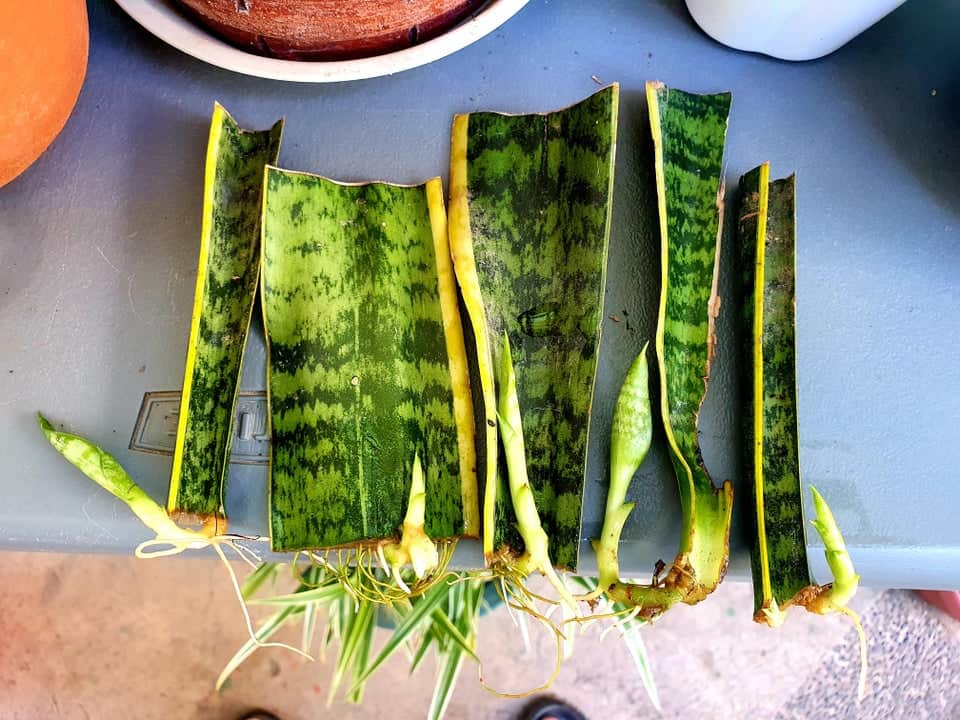
Snake plant propagation is a rewarding process that can lead to a thriving collection of these popular houseplants. Understanding the characteristics of a healthy snake plant and its cutting is crucial for successful propagation. This section provides illustrative examples to guide you in selecting the best plants and cuttings for your propagation efforts.Properly propagating a snake plant involves selecting a healthy mother plant and taking a suitable cutting.
This section will provide detailed descriptions and comparisons to help you make informed decisions, ensuring your propagation journey is successful.
Healthy Snake Plant for Propagation
A healthy snake plant suitable for propagation displays robust growth, vibrant green foliage, and a well-established root system. The leaves should be firm and free of blemishes, signs of pests, or diseases. The plant should exhibit a healthy balance between its leaf density and overall size, demonstrating a vigorous and balanced growth pattern. A strong, established mother plant is essential for healthy propagation.
Characteristics of a Healthy Snake Plant Cutting
A healthy snake plant cutting for propagation is a section of a leaf or stem that is free from any damage or disease. The cutting should exhibit a firm, unblemished texture. The cutting’s size should be proportional to its growth and should have no signs of decay or rot. Proper cutting size is crucial for successful propagation.
Comparison of Healthy vs. Unhealthy Snake Plants
| Characteristic | Healthy Snake Plant | Unhealthy Snake Plant |
|---|---|---|
| Leaf Color | Vibrant, uniform green | Pale, yellowing, or mottled |
| Leaf Texture | Firm, smooth | Soft, mushy, or exhibiting brown spots |
| Growth Pattern | Balanced, vigorous | Sparse, stunted, or exhibiting irregular growth |
| Presence of Pests/Diseases | Free of pests and diseases | Presence of pests or disease symptoms (e.g., spots, wilting) |
| Root System (if applicable) | Well-developed and established | Poorly developed or no roots visible |
A healthy snake plant will display a consistent color and texture throughout its foliage. Unhealthy plants may exhibit noticeable discoloration or damage, indicating a problem that may affect the success of the propagation process.
Suitable Snake Plant Types for Propagation
Most varieties of snake plants, including the Sansevieria trifasciata (the most common type), are suitable for propagation. The differences between varieties mainly affect the growth rate and overall size. Careful selection based on your space and desired plant size can make a difference in propagation success.
Illustration of a Well-Rooted Snake Plant Cutting
Imagine a section of a snake plant leaf, approximately 4-6 inches long. The cut end is clean and even, exhibiting no ragged edges. Small, white roots are emerging from the cut end, indicating the beginning of root development. The cutting’s overall appearance is firm and healthy, with no signs of decay or damage. This represents a successful cutting ready for propagation, whether in water or soil.
Last Recap
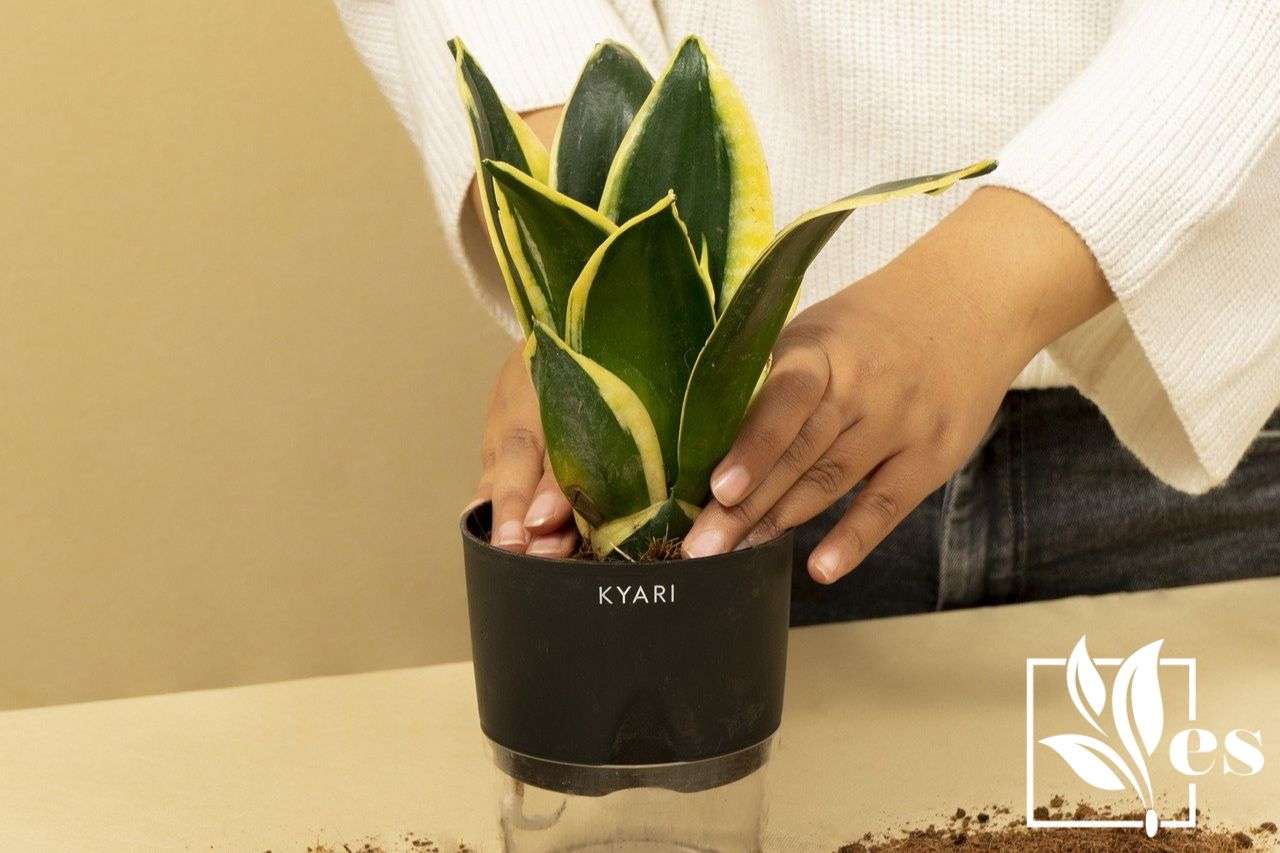
In conclusion, propagating snake plants is a manageable process that yields beautiful results. This guide has provided a thorough overview of both water and soil propagation methods, equipping you with the knowledge and tools to successfully propagate your own snake plants. Remember to consider factors like optimal lighting, water conditions, and soil composition to foster healthy growth. With careful attention to detail, you can enjoy a flourishing collection of snake plants, bringing a touch of the tropics to your home.