Introducing a new houseplant to your home can be a rewarding experience, but it’s crucial to understand how to properly acclimate it to its new environment. This process ensures the plant’s health and well-being, allowing it to thrive in its new space. Ignoring acclimation can lead to stress and potential damage, so a thoughtful approach is essential.
This guide details the key steps to successfully acclimate a new houseplant, from understanding its specific needs to creating the ideal home environment. We will explore crucial factors like light, temperature, humidity, and soil, and provide practical advice on gradual introduction and ongoing monitoring. By following these steps, you can give your new houseplant the best chance of flourishing.
Introduction to Acclimation
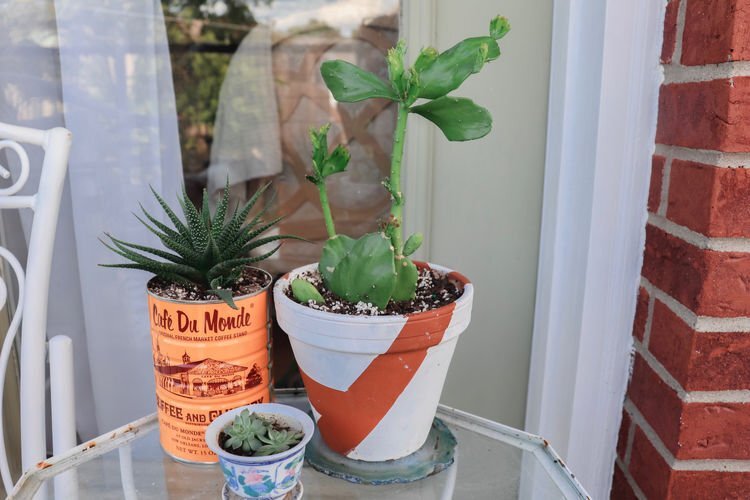
Acclimation, for houseplants, is the gradual adjustment period they require when transitioning from their original environment (e.g., a greenhouse or nursery) to a new home. This process is crucial for their long-term health and well-being. Without proper acclimation, plants may experience shock, leading to stress, slowed growth, and potentially even death. A crucial aspect of successful plant ownership is understanding and practicing proper acclimation techniques.Proper acclimation minimizes the shock and stress associated with environmental changes.
This allows the plant to gradually adjust to the new light levels, humidity, temperature, and soil conditions, preventing any sudden physiological distress. Failing to acclimate a new plant can lead to several issues, including leaf drop, wilting, stunted growth, and susceptibility to diseases. It is a proactive measure to ensure the plant’s well-being.
Common Acclimation Mistakes
Common mistakes often made during a new plant’s acclimation include sudden exposure to harsh sunlight after being sheltered, placing the plant in a location with drastic temperature fluctuations, or neglecting the plant’s specific needs for water and humidity. These actions can disrupt the plant’s natural processes, potentially causing damage and hindering its ability to thrive in its new environment.
Such mistakes highlight the importance of gradual adjustment to minimize stress.
Key Factors Influencing Acclimation
Several factors influence the success of a houseplant’s acclimation. Understanding these factors is critical to ensuring a smooth transition. Careful consideration of these elements is essential for maintaining a healthy plant.
| Factor | Explanation | Example |
|---|---|---|
| Light | Plants accustomed to intense sunlight may be harmed by sudden exposure to low light. Conversely, plants used to low light might struggle in direct sunlight. | A plant from a brightly lit greenhouse may wilt or develop leaf burn if immediately placed in a dark corner. |
| Temperature | Sudden changes in temperature can disrupt the plant’s metabolic processes. Plants need time to adapt to new temperature ranges. | A plant from a cool, stable greenhouse might suffer from cold shock if moved to a hot, drafty room. |
| Humidity | Differences in humidity levels between the plant’s original environment and the new home can cause problems. Plants accustomed to high humidity might struggle in dry conditions. | A plant from a humid jungle setting might wilt and drop leaves if placed in a dry, air-conditioned room. |
| Watering | Plants need time to adjust to the watering habits of their new environment. | A plant used to a consistent watering schedule might suffer if its watering needs are drastically altered in its new home. |
| Soil | Soil composition and drainage can significantly affect the plant’s acclimation. A plant might not thrive in a soil type different from its original. | A plant adapted to well-drained soil might struggle in heavy, clay soil. |
Understanding Your Plant’s Needs
Successfully acclimating a new houseplant depends significantly on understanding its specific needs. These needs often mirror the plant’s natural environment, which is crucial for its health and well-being. Ignoring these needs can lead to stress, illness, and ultimately, the plant’s demise.Knowing the nuances of light, temperature, humidity, soil, and other factors allows you to create an environment that closely resembles its natural habitat, promoting growth and vitality.
This understanding is paramount to the success of your plant’s acclimation.
Identifying Specific Needs
To properly care for a new houseplant, it’s vital to determine its specific needs. This involves more than just observing its appearance; you need to investigate its origins and typical environmental conditions. Thorough research will provide a deeper understanding of the plant’s requirements for light, temperature, humidity, and other critical elements. By emulating these conditions, you can foster a thriving environment for your new houseplant.
Researching a Plant’s Origin and Environmental Conditions
Understanding a plant’s origin and typical environmental conditions is key to successful acclimation. Consult reputable resources such as botanical gardens, online plant encyclopedias, and gardening forums. These resources often provide detailed information about the plant’s native habitat, including its preferred light exposure, temperature range, humidity levels, and soil composition. This information will guide your choices in providing the optimal environment for your new houseplant.
For example, a tropical plant accustomed to high humidity and consistent warmth will thrive in a humid environment with a temperature range appropriate for its species.
Light, Temperature, and Humidity
Light, temperature, and humidity are crucial environmental factors in acclimating houseplants. Tropical plants, for instance, require higher humidity and warmer temperatures than desert plants. Direct sunlight may be beneficial for some plants but detrimental to others. Understanding these relationships is vital to creating a suitable environment for your new houseplant. Properly considering these factors will ensure your new plant receives the necessary conditions for its optimal growth and survival.
Soil Composition and Drainage
The soil composition and drainage are essential aspects of providing the right environment. A well-draining soil prevents waterlogging, a common cause of root rot in houseplants. The soil should be appropriate for the specific plant’s needs, mimicking its natural environment. For example, a plant from a boggy environment will require soil that retains moisture but doesn’t become waterlogged.
Poor drainage can lead to the roots becoming waterlogged and the plant eventually succumbing to root rot. Proper soil composition and drainage are key to preventing this.
Plant Needs Table
| Plant Type | Typical Needs |
|---|---|
| African Violet | Bright, indirect light; consistently moist soil; high humidity |
| Snake Plant | Bright, indirect light; well-draining soil; tolerates low humidity and a wide range of temperatures |
| Spider Plant | Bright, indirect light; consistently moist soil; moderate to high humidity |
| Pothos | Bright, indirect light; well-draining soil; tolerates low to moderate humidity |
| Monstera Deliciosa | Bright, indirect light; consistently moist soil; high humidity; prefers warmer temperatures |
Preparing Your Home Environment
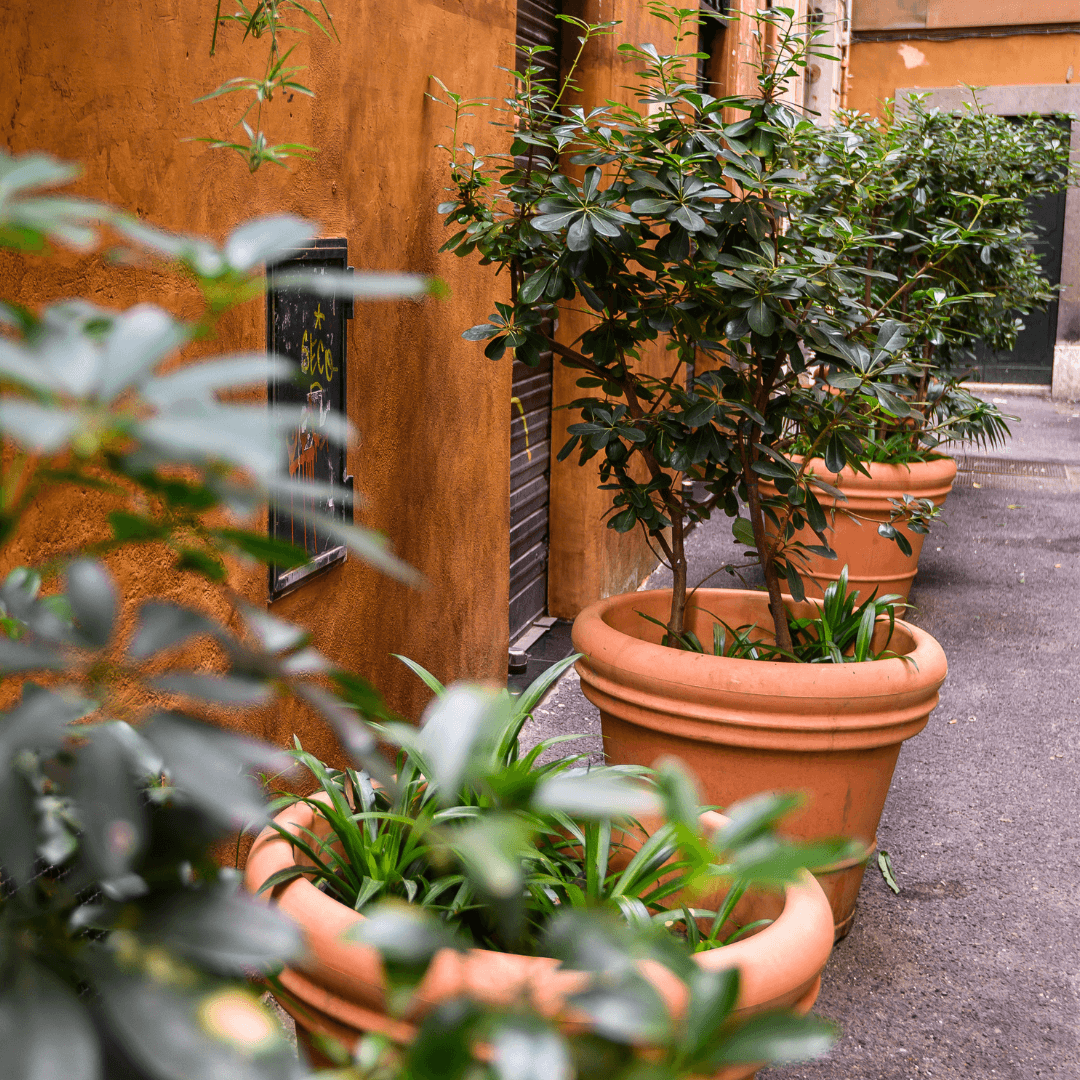
A new houseplant’s journey to thriving in your home begins with a carefully prepared environment. This crucial step ensures a smooth transition and maximizes the plant’s chances of acclimating successfully. By understanding your plant’s specific needs and tailoring your home’s environment accordingly, you can provide the best possible start for your new addition.A key aspect of successful plant acclimation is anticipating and fulfilling the plant’s needs, which often include light, temperature, and humidity.
Preparing the environment is about creating a microcosm that mimics the plant’s natural habitat as closely as possible within the confines of your home. This careful consideration will pay dividends in the long-term health and beauty of your new houseplant.
Ideal Location Considerations
Different plant species have varying light and temperature preferences. A common mistake is placing all plants in the same location. Understanding the plant’s origin and natural environment is essential. Tropical plants, for example, typically thrive in warm, humid conditions and bright, indirect light, whereas desert plants prefer bright, direct sunlight and dry air. Researching the specific needs of your plant will help you select the ideal location.
Tropical plants might require a warm, humid bathroom or a conservatory, while succulents will flourish on a sunny windowsill.
Adjusting Light, Temperature, and Humidity Levels
Acclimating a new plant to your home’s light, temperature, and humidity levels involves a gradual adjustment process. Sudden changes can shock the plant, hindering its ability to adapt. Start by placing the plant in a location with similar light conditions to its previous environment. Observe the plant’s reaction for a few days before making further adjustments. If the plant is exhibiting signs of stress, such as wilting or yellowing leaves, reduce the intensity of the changes.To adjust light levels, gradually move the plant closer or further from a light source over a period of several days.
Adjusting temperature can involve moving the plant to a slightly warmer or cooler location, or using a humidifier or dehumidifier to control humidity. Maintain consistent monitoring and subtle adjustments to avoid stressing the plant.
Maintaining Consistent Conditions
Maintaining consistent conditions is crucial for a plant’s long-term health. This includes consistent light, temperature, and humidity. Use timers for artificial light sources to mimic natural daylight patterns. Employ thermometers and hygrometers to monitor and adjust temperature and humidity levels, ensuring stability. Regularly check the plant’s condition and make minor adjustments to maintain the ideal environment.
Consistent monitoring and fine-tuning will create a stable and supportive environment for your new houseplant.
Comparing and Contrasting Adjustment Methods
Various methods exist for adjusting a plant’s environment. One method involves gradually introducing the plant to new light conditions over a week, while another focuses on maintaining the plant’s previous conditions for a few days before introducing gradual adjustments. Both approaches can be effective, but the most suitable method depends on the specific plant type and its previous environment.
Consider the plant’s origin, its response to the new environment, and its resilience to change.
Detailed Procedure for Adjusting Environment
| Factor | Adjustment | Tools/Materials | Procedure |
|---|---|---|---|
| Light | Gradually increase or decrease light exposure | None (for natural light), grow lights, timers | Position the plant closer or further from a light source over several days. Use grow lights and timers for artificial light sources to maintain a consistent schedule. |
| Temperature | Adjust temperature range | Thermometer, humidifier/dehumidifier | Monitor temperature using a thermometer. Use humidifiers to increase humidity and dehumidifiers to decrease it, as needed. Gradually adjust the temperature over several days. |
| Humidity | Adjust humidity levels | Hygrometer, humidifier/dehumidifier | Use a hygrometer to measure humidity. Adjust humidity levels with humidifiers or dehumidifiers, gradually increasing or decreasing the humidity over a period of days. |
Gradual Introduction
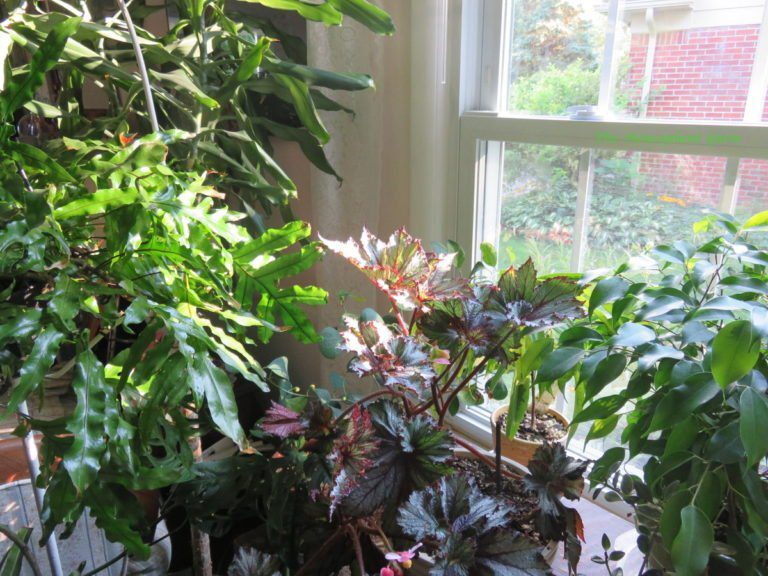
A new houseplant, uprooted from its familiar environment, needs time to adjust to its new home. Sudden changes in light, temperature, or humidity can shock the plant, leading to stress, leaf drop, or even death. A gradual introduction allows the plant to acclimate, minimizing these negative effects and promoting healthy growth.A gradual introduction involves carefully transitioning the plant to its new conditions over several days or weeks.
This approach mirrors the natural processes plants undergo when moving from one habitat to another. It allows the plant’s internal systems to adapt, ensuring a smoother transition and higher chances of survival.
Importance of Gradual Exposure
Sudden shifts in environmental conditions can trigger significant stress responses in plants. These responses can manifest as wilting, yellowing leaves, or stunted growth. Gradual exposure allows the plant’s physiology to adjust to the new environment at its own pace, preventing these adverse reactions. A gradual approach allows the plant to re-establish its root systems, adjust its water intake, and adjust to the new light levels and temperature conditions.
Step-by-Step Acclimation Process
A methodical approach is crucial for successful acclimation. A step-by-step process will help to ensure the plant adjusts gradually.
- Initial Observation and Assessment: Carefully examine the plant upon arrival. Note any visible signs of stress, such as wilting, leaf damage, or pests. Assess the current light, temperature, and humidity levels of the new location. This initial assessment provides a baseline for monitoring the plant’s progress during acclimation.
- Initial Placement: Position the plant in a location that offers similar light and temperature conditions to its previous environment. Avoid direct sunlight or drastic temperature fluctuations during this initial period.
- Monitoring and Adjustments: Regularly monitor the plant for signs of stress or adjustment. Adjust the plant’s location or environment if necessary to provide a comfortable environment.
- Gradual Light Adjustments: If the light conditions in the new location are significantly different, gradually expose the plant to the new light levels. Start by placing the plant in a location with slightly more light than its previous environment and gradually increase the light exposure over a few days. This prevents sunburn and promotes healthy growth.
- Temperature and Humidity Adjustments: If the temperature or humidity levels are different, gradually adjust the environment. For example, if the new location is significantly cooler, gradually decrease the plant’s exposure to cooler temperatures. Maintain the plant’s existing humidity levels initially. Adjust humidity as necessary to support the plant’s needs, ensuring adequate moisture levels.
- Watering and Feeding: Observe the plant’s watering needs. Adjust watering frequency based on the plant’s needs and the environment. Continue feeding according to the plant’s specific requirements.
Methods for Acclimating to New Light Conditions
Various methods can be employed to gradually adjust plants to different light conditions. One common method is to gradually increase the plant’s exposure to sunlight over several days or weeks. Another approach involves using sheer curtains or blinds to filter the light. A third approach could involve rotating the plant regularly to ensure even exposure to the available light.
Methods for Acclimating to Temperature and Humidity Changes
Acclimating plants to new temperature and humidity levels requires a similar gradual approach. If the new environment is significantly cooler, slowly introduce the plant to the lower temperatures. Maintaining appropriate humidity levels is essential. Using a humidifier or grouping plants together can increase the humidity around the new plant.
Monitoring and Adjustments
Successfully acclimating a new houseplant requires ongoing observation and adaptation. Regular monitoring allows you to identify any potential issues early and adjust your approach accordingly, ensuring the plant thrives in its new environment. This proactive approach minimizes stress and promotes healthy growth.
Monitoring Plant Response
Consistent observation of your plant’s reaction to its new surroundings is crucial. Pay close attention to changes in its appearance, growth rate, and overall demeanor. Note any deviations from its typical behavior, such as drooping leaves, discoloration, or a change in leaf size or shape. By meticulously documenting these changes, you can gain valuable insights into the plant’s well-being and its response to the environment.
Identifying Signs of Stress or Shock
Recognizing signs of stress or shock in your houseplant is paramount for effective acclimation. Common indicators include wilting, yellowing or browning leaves, loss of turgor (the firmness of the leaves), and a general decline in vigor. These symptoms often signal a mismatch between the plant’s needs and the provided environment. Early detection of these signs allows for timely adjustments to optimize the plant’s acclimation process.
Adjusting the Environment Based on Plant Responses
The environment must be tailored to the plant’s specific needs to ensure successful acclimation. Observe the plant’s reaction to light, humidity, and temperature. If the plant shows signs of stress under a particular lighting condition, adjust the placement to a more suitable location. Similarly, monitor the plant’s response to humidity levels. If it shows signs of drying out, increase the humidity around it using a humidifier or pebble tray.
Furthermore, monitor the temperature and adjust accordingly if the plant is not thriving.
Identifying and Resolving Potential Problems
Acclimation can sometimes lead to pest infestations or fungal diseases. Regular inspection for pests, such as spider mites or aphids, and diseases, such as root rot, is essential. Identify any visible signs of pests, like webbing or small insects on leaves, and diseases, like discolored roots or fungal growth. Addressing these problems promptly with appropriate treatments can prevent further damage and maintain the plant’s health.
Using preventative measures, like proper watering techniques, can greatly reduce the likelihood of issues.
Troubleshooting Issues During Acclimation
Troubleshooting acclimation issues is a necessary part of the process. When encountering difficulties, gather detailed information about the plant’s condition, its prior environment, and the changes made during acclimation. This comprehensive data allows you to identify the root cause of the problem and implement appropriate solutions. A detailed record of observations can guide you towards effective resolutions.
Troubleshooting Table
| Symptom | Possible Cause | Solution |
|---|---|---|
| Wilting leaves | Insufficient water, overwatering, or improper light | Adjust watering schedule, ensure proper drainage, and adjust light exposure. |
| Yellowing leaves | Nutrient deficiency, improper light, or pests | Provide a balanced fertilizer, adjust light conditions, and inspect for pests. |
| Dropping leaves | Sudden temperature change, improper watering, or inadequate humidity | Maintain stable temperatures, adjust watering practices, and increase humidity levels. |
| Root rot | Overwatering, poor drainage, or compacted soil | Reduce watering frequency, improve drainage, and repot the plant in fresh, well-draining soil. |
| Pest infestation | Presence of pests (e.g., spider mites, aphids) | Use insecticidal soap or neem oil to eliminate pests. Isolate the plant if necessary. |
Maintaining the Acclimated Environment
Establishing a consistent environment is crucial for the long-term health and well-being of your newly acclimated houseplant. Maintaining this environment involves understanding the plant’s specific needs and providing the necessary care. This diligent approach prevents future acclimation challenges and promotes a thriving, happy plant.
Consistent Care and Attention
Consistent care is paramount to the success of any houseplant, especially one recently acclimated. This involves regularly monitoring its condition and adapting your care routine as needed. Neglecting consistent care can lead to stress and potentially damage the plant, hindering its growth and overall health. Remember that plants, like people, thrive on a predictable routine. Adjusting to a new environment is stressful, and consistent care reduces the likelihood of stress-related issues.
Watering Strategies
Watering frequency depends on several factors, including the plant’s species, pot size, soil type, and environmental conditions. Overwatering can lead to root rot, while underwatering can cause wilting and stunted growth. Observe the soil moisture regularly. Stick your finger a few inches into the soil. If it feels dry, it’s time to water.
If it feels consistently moist, reduce watering frequency. Avoid letting the plant sit in standing water, which can also harm the roots.
Fertilizing Practices
Fertilizing is essential for providing the nutrients your plant needs to flourish. However, over-fertilizing can also be detrimental. Follow the manufacturer’s instructions for the appropriate fertilizer strength and application frequency. A good rule of thumb is to fertilize during the growing season (spring and summer) and reduce or stop fertilizing during the dormant period (fall and winter).
Using a balanced, water-soluble fertilizer is often recommended.
Pruning Techniques
Regular pruning can promote a healthy and aesthetically pleasing plant. Removing dead, damaged, or diseased leaves and stems prevents the spread of disease and allows for better air circulation. Proper pruning techniques can encourage bushier growth or maintain a desired shape. Consult resources specific to your plant type to understand appropriate pruning methods.
Preventing Future Acclimation Issues
Maintaining consistent care and monitoring the plant’s response to changes in its environment are key to preventing future acclimation issues. Observe for any signs of stress, such as yellowing leaves, wilting, or stunted growth. Address any issues promptly. Regular checks and prompt adjustments to watering, light, or humidity will help ensure the plant remains acclimated and healthy.
Relationship Between Consistent Care and Plant Health
Consistent care is intrinsically linked to plant health. By providing the appropriate watering, light, humidity, and fertilization, you create an environment where the plant can thrive. This promotes robust growth and a healthy appearance, reducing the likelihood of stress-related issues and maximizing the plant’s potential. Plants that receive consistent, attentive care often exhibit stronger resistance to pests and diseases.
Care Task Frequency Table
| Care Task | Frequency |
|---|---|
| Watering | As needed, when soil feels dry |
| Fertilizing | During growing season (spring/summer), following manufacturer’s instructions |
| Pruning | As needed, to remove dead or damaged parts |
| Monitoring | Daily/Weekly, depending on plant’s needs |
Wrap-Up
Successfully acclimating a new houseplant requires careful consideration of its unique needs and a gradual transition into its new home. By understanding the factors influencing acclimation, preparing the environment, and introducing the plant slowly, you can ensure its long-term health and happiness. Consistent monitoring and adjustments, along with proper ongoing care, will ensure your new plant thrives and brings beauty to your home.