White mold on houseplant soil can be a frustrating problem, leading to plant decline and even death. This comprehensive guide delves into the complexities of identifying, understanding, and effectively addressing white mold. From recognizing the telltale signs to implementing preventative measures and targeted treatments, you’ll gain the knowledge to revitalize your plants and maintain a thriving indoor garden.
This guide covers everything from understanding the environmental factors that contribute to white mold growth to practical steps for treating the affected soil and preventing future occurrences. By following these expert-backed strategies, you’ll be well-equipped to combat white mold and ensure the health and longevity of your cherished houseplants.
Identifying White Mold
White mold, a fungal infection, is a common threat to houseplants. Recognizing its presence early is crucial for effective treatment and preventing further damage. This section details the characteristics of white mold, differentiating it from other soil issues and providing examples on various plant types.
Appearance of White Mold on Houseplant Soil
White mold typically manifests as a fuzzy, cottony growth on the soil surface. This growth is often white or light gray in color, resembling a fine, powdery substance. The texture can vary, sometimes appearing fluffy or dense, depending on the fungal species and environmental conditions. It’s important to note that the growth isn’t always uniform; patches may appear in different areas of the soil.
Distinguishing White Mold from Other Soil Issues
Several factors can cause similar symptoms in houseplant soil. Accurately identifying white mold requires careful observation of its specific characteristics. Root rot, for example, often presents with wilting leaves and yellowing, but the soil may also exhibit a damp or soggy texture, lacking the distinct fuzzy appearance of white mold. Pest infestations might also show signs of discoloration or damage to the plant leaves but are not usually associated with a visibly fuzzy, white growth in the soil.
Examples of White Mold on Various Houseplant Types
White mold can affect various houseplant types, with the specific symptoms often resembling each other. On orchids, the white mold may appear as a fluffy growth on the surface of the potting mix, potentially surrounding the roots. On succulents, the fuzzy growth might be concentrated in areas where the soil is more moist or around the base of the plant.
Ferns, given their preference for consistently moist environments, may exhibit white mold on the soil surface, often near the base of the fronds.
Comparison of White Mold to Other Common Houseplant Soil Problems
| Characteristic | White Mold | Root Rot | Pest Infestation |
|---|---|---|---|
| Appearance | Fuzzy, cottony, white or light gray growth on soil surface | Wilting, yellowing leaves; often soggy, dark soil | Possible leaf damage, discoloration, presence of insects or their remnants |
| Texture | Fluffy or dense, powdery | Often soggy or waterlogged | Various, depending on the pest |
| Location | Usually on soil surface, can spread | Primarily around the roots | On plant leaves, stems, or within the soil (sometimes) |
| Cause | Fungal infection | Overwatering or poor drainage | Insects, mites, or other pests |
White mold is a fungal infection that typically appears as a fuzzy, cottony growth on the soil surface. Differentiating it from other issues like root rot or pest infestations is crucial for appropriate treatment.
Causes of White Mold
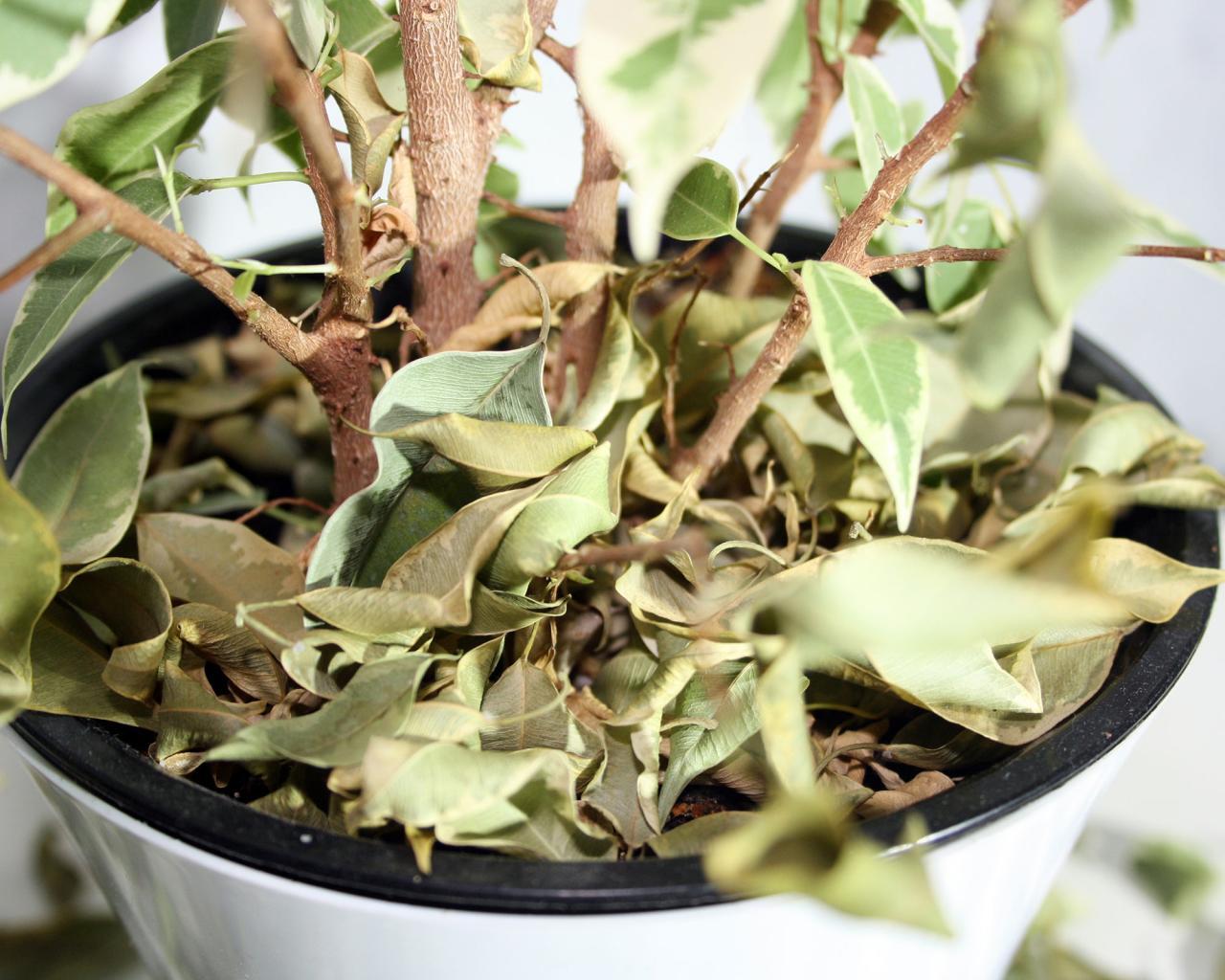
White mold, a common threat to houseplants, arises from specific environmental conditions that favor its fungal growth. Understanding these contributing factors is crucial for effective prevention and treatment. Recognizing the interplay between moisture, humidity, drainage, and common plant care mistakes is essential for maintaining a healthy environment for your plants.Environmental factors, such as excessive moisture and humidity, create a breeding ground for white mold.
Poor drainage exacerbates this issue, leading to waterlogged soil and further increasing the risk of fungal infestation. Awareness of these factors and a proactive approach to plant care are essential in mitigating the risk of white mold.
Environmental Factors Contributing to White Mold
Environmental conditions significantly influence the growth of white mold. Excess moisture, particularly when combined with high humidity, provides an ideal environment for the fungus to thrive. The fungus thrives in environments that are consistently damp, allowing the spores to germinate and spread quickly.
Role of Moisture and Humidity
Moisture and humidity are pivotal factors in the development of white mold. A consistently moist environment, whether due to overwatering or high humidity, allows the fungal spores to germinate and colonize the plant’s roots and soil. High humidity levels, combined with stagnant air, can exacerbate the problem, as it restricts the evaporation of water from the soil surface.
Plants in humid environments, such as bathrooms or kitchens, are more susceptible to white mold if not properly managed.
Significance of Poor Drainage and Waterlogging
Poor drainage and waterlogging are detrimental to plant health and directly contribute to white mold development. Waterlogged soil deprives the roots of oxygen, making them susceptible to fungal infection. The lack of oxygen promotes anaerobic conditions, where beneficial bacteria are replaced by harmful fungi. This process creates a breeding ground for white mold. Proper drainage ensures adequate aeration, maintaining a healthy root system and preventing waterlogging.
Common Mistakes Increasing White Mold Risk
Houseplant owners frequently make mistakes that elevate the risk of white mold. These errors often stem from a lack of understanding of plant needs and proper care practices.
- Overwatering: Frequent and excessive watering saturates the soil, depriving roots of oxygen and promoting fungal growth. This is a common mistake, especially for new plant owners. Monitoring soil moisture before watering and adjusting watering schedules based on the specific plant’s needs is crucial.
- Poor Drainage: Potting mixes with inadequate drainage allow water to accumulate, leading to waterlogged soil. Using pots with drainage holes and appropriate potting mixes is essential for preventing waterlogging. Using a well-draining potting mix and ensuring proper drainage is key to preventing waterlogging. Avoid using heavy clay pots that retain water.
- High Humidity: Maintaining high humidity levels, especially in enclosed spaces or near water sources, can create a favorable environment for white mold. Plants in these environments may require more careful monitoring and adjustments to watering schedules.
- Poor Ventilation: Lack of proper ventilation allows moisture to accumulate, which encourages the growth of white mold. Ensure adequate air circulation around your plants by positioning them in well-ventilated areas.
- Overcrowding: Planting too many plants in a small space reduces air circulation and increases humidity, creating an environment conducive to white mold. Maintaining appropriate spacing between plants helps to improve ventilation and reduce humidity.
Preventing White Mold

White mold, a common fungal issue in houseplants, can be effectively managed through proactive measures. By understanding the environmental factors that contribute to its development, you can significantly reduce the risk of infestation and maintain a healthy plant environment. Preventing white mold is crucial for preserving the aesthetic appeal and overall well-being of your indoor greenery.
Proper Watering Techniques
Watering is a fundamental aspect of plant care, and inappropriate watering practices are a significant contributor to white mold development. Overwatering, in particular, saturates the soil, creating an environment conducive to fungal growth. Understanding the specific needs of each plant species is vital. A good watering schedule considers factors such as pot size, soil type, and the plant’s natural growth cycle.
The goal is to maintain consistently moist, but not waterlogged, soil.
Appropriate Pot Selection and Drainage
The choice of pot plays a critical role in preventing white mold. Proper drainage is essential. Pots with inadequate drainage holes will trap excess water, leading to waterlogged soil and increased susceptibility to fungal issues. Selecting pots with sufficient drainage holes and using appropriate potting mixes that promote drainage is paramount. The pot’s size should also be considered, as overly large pots can lead to prolonged moisture retention in the soil.
Maintaining Proper Humidity Levels
Humidity plays a significant role in the prevalence of white mold. High humidity, combined with poor air circulation, creates an ideal environment for fungal growth. Plants from humid environments, such as tropical regions, might need more careful attention to humidity control. Maintaining a balance in humidity levels is key. Good air circulation, achieved through proper spacing between plants and occasional fan use, helps to prevent moisture buildup.
Watering Schedules for Various Plant Types
The frequency of watering varies considerably based on the plant type, pot size, and the specific environmental conditions. The table below provides a general guideline, but adjustments may be necessary depending on individual circumstances.
| Plant Type | Watering Frequency (General Guideline) | Notes |
|---|---|---|
| Succulents and cacti | Water deeply, allowing the soil to dry completely between waterings. | These plants tolerate drought conditions and should not be overwatered. |
| Tropical plants (e.g., ferns, orchids) | Water when the top inch of soil feels dry. | These plants require consistent moisture, but overwatering should be avoided. |
| Most houseplants (e.g., African violets, begonias) | Water when the top inch of soil is dry. | Consistent moisture is important, but avoid allowing the soil to remain soggy. |
| Plants in smaller pots | Water more frequently than those in larger pots. | Smaller pots dry out faster. |
Treating White Mold

Addressing white mold requires a multi-faceted approach that combines proper removal of affected plant material, soil sterilization, and the strategic application of fungicides. This process ensures the health of your plant and prevents the recurrence of the issue. A thorough understanding of these steps is crucial for successful treatment.Treating white mold effectively involves a meticulous process. Careful removal of contaminated materials, combined with the application of appropriate fungicides, minimizes the risk of reinfection and promotes plant recovery.
This approach prioritizes the plant’s well-being and encourages healthy growth.
Removing Affected Plant Material and Soil
Proper removal of infected plant parts and soil is essential to prevent the spread of white mold. This step involves carefully isolating the infected area from healthy parts of the plant and the surrounding environment. Use clean, disinfected tools to avoid contaminating healthy areas.
- Isolate the Infected Area: Carefully remove the affected leaves, stems, and roots, ensuring no contaminated material touches healthy parts. Place the infected plant material in a sealed bag or container for disposal to prevent the spread of the fungus.
- Thorough Soil Removal: Carefully remove a significant portion of the affected soil. The depth and extent of removal should be based on the visible mold growth. The amount of soil to remove is crucial for effectively removing the source of infection. A good rule of thumb is to remove a layer of soil about 2-3 inches deep around the infected area. This will greatly reduce the risk of re-infection.
- Disinfecting Tools: Clean all tools, including pruning shears, pots, and other materials that came into contact with the affected plant and soil, with a solution of diluted bleach (1 part bleach to 9 parts water). Allow them to air dry thoroughly before re-use. This step is crucial to avoid spreading the fungus to other plants. Thorough cleaning and disinfection of tools is paramount for preventing further contamination.
Sterilizing Tools and Pots
Sterilization of tools and pots is vital for preventing the spread of white mold. This involves using a method that eliminates the fungus from these surfaces.
- Bleach Solution: A solution of diluted bleach (1 part bleach to 9 parts water) effectively disinfects tools and pots. Soak tools for at least 15 minutes, and thoroughly rinse with clean water. This is a widely accepted method for disinfection in plant care settings. Ensure complete rinsing to avoid any residual bleach that could harm the plant.
- High Heat Sterilization: Tools and pots can also be sterilized using high heat. Place them in a preheated oven (at a safe temperature for the material) for a specific duration. Refer to the manufacturer’s guidelines for specific sterilization instructions. Carefully monitor the process to prevent damage to the tools or pots.
Using Fungicide
Fungicides are essential for controlling white mold. Proper application ensures effective treatment and minimizes the risk of harm to the plant.
- Diluting the Fungicide: Follow the manufacturer’s instructions precisely for dilution. Using the correct concentration is crucial for achieving the desired effect without harming the plant. Over-application can lead to adverse effects.
- Application Method: Apply the fungicide solution directly to the affected soil and plant material. Ensure thorough coverage of the area to maximize the effectiveness of the treatment. Avoid spraying the leaves directly to prevent leaf burn.
- Frequency and Duration: Repeat the fungicide application as directed by the manufacturer. Regular applications may be necessary for persistent mold. Observe the plant’s response to the treatment and adjust the frequency as needed. Monitoring the plant’s recovery is crucial for adapting the treatment plan.
Fungicide Options
Several fungicides are available for home use. Each product has its own characteristics and potential benefits.
| Fungicide | Pros | Cons |
|---|---|---|
| Potassium bicarbonate | Environmentally friendly, generally safe for plants and pets | May not be as effective against severe infections |
| Copper fungicides | Effective against a wide range of fungal diseases | May cause some leaf discoloration or damage if not used carefully |
| Sulfur-based fungicides | Broad-spectrum control, relatively inexpensive | May not be suitable for all plants; can be harmful to beneficial insects |
| Neem oil | Natural, effective against certain fungi, safe for most plants | May take longer to show results compared to synthetic options |
Soil Hygiene and Prevention
Maintaining proper soil hygiene is crucial for preventing white mold from establishing itself in your houseplant’s environment. A healthy, well-draining soil medium is the first line of defense against this fungal disease. Preventing overwatering and selecting appropriate potting mixes tailored to your plant’s needs are vital steps in achieving this goal. This section provides detailed guidance on these essential preventative measures.
Importance of Maintaining Good Soil Hygiene
Proper soil hygiene minimizes the conditions conducive to white mold growth. A healthy soil environment promotes beneficial microorganisms and discourages the proliferation of harmful fungi. This involves avoiding the accumulation of excess moisture and ensuring adequate drainage to prevent stagnant water. The presence of organic matter, air pockets, and appropriate drainage also facilitates healthy root development, strengthening the plant’s resistance to fungal infections.
Significance of Avoiding Overwatering
Overwatering is a significant contributor to white mold infestations. Excessive moisture creates an environment saturated with water, providing ideal conditions for fungal growth. Roots deprived of oxygen due to excessive water are more susceptible to disease. Regularly checking the moisture level of the soil before watering and allowing the top inch or two to dry out between waterings is critical.
Choosing Appropriate Potting Mixes
Selecting the right potting mix for your houseplant is essential for preventing white mold. Different plants have different water retention needs. A potting mix that retains too much moisture can lead to overwatering issues, while a mix that drains too quickly may result in insufficient water retention, both of which increase the risk of fungal diseases. Consider the specific needs of each plant species when choosing a potting mix.
A well-draining mix with appropriate aeration and organic matter is recommended.
Preventing White Mold Recurrence
Preventing white mold from returning involves a multifaceted approach. Implementing proper watering techniques, selecting appropriate potting mixes, and maintaining excellent soil hygiene are crucial. Sanitizing tools used in plant care and avoiding the introduction of infected plants or soil from other sources are essential preventative steps. Properly disposing of infected plant material is also crucial to prevent the spread of the disease.
Examples of Potting Mixes and Their Suitability
The following table provides examples of different potting mixes and their suitability for various plant types. This table serves as a general guide and the specific needs of your plants may vary.
| Potting Mix Type | Plant Types Suitable | Description |
|---|---|---|
| Soilless Mix (e.g., peat moss, perlite, vermiculite) | Most houseplants | Offers excellent drainage and aeration, allowing for consistent moisture levels. |
| Potting Soil with Perlite or Vermiculite | Most houseplants | Provides good drainage and aeration while maintaining some moisture retention. |
| Bark-based Mix | Plants tolerant of slightly acidic soil | Excellent drainage and aeration, suitable for plants accustomed to drier conditions. |
| Orchid Mix | Orchids, epiphytes | Specifically formulated for plants that require excellent drainage and aeration. |
| Cactus and Succulent Mix | Cacti, succulents | Excellent drainage, minimal moisture retention, ideal for plants that prefer very dry conditions. |
Understanding Plant Stress
Plant stress is a significant factor contributing to the susceptibility of houseplants to white mold. A stressed plant is more vulnerable to fungal infections because its natural defenses are compromised. Understanding the signs of stress and implementing strategies to mitigate these factors are crucial in preventing white mold infestations.A stressed plant, weakened by unfavorable conditions, is less able to fight off fungal pathogens like those causing white mold.
The plant’s resources are diverted to managing the stress, leaving it less equipped to resist the infection. By identifying and addressing these stress factors, we can strengthen the plant’s resilience and improve its overall health, reducing the risk of white mold development.
Signs of Plant Stress
Plants exhibit various visual cues when under stress. Recognizing these indicators is the first step in providing appropriate support. Early detection allows for timely intervention, potentially preventing more severe issues.
- Wilting and Drooping: Wilting or drooping leaves often signal dehydration or other environmental issues. This can be a consequence of inadequate watering, extreme temperatures, or insufficient light.
- Yellowing or Browning Leaves: Yellowing or browning leaves can indicate nutrient deficiencies, overwatering, underwatering, or temperature extremes. These discolorations are often noticeable, offering early warnings of stress.
- Leaf Drop: Sudden leaf drop, especially in clusters, can be a symptom of various stresses. This includes excessive light, cold drafts, changes in watering frequency, or even nutrient imbalances.
- Stunted Growth: Plants that are not growing as expected might be experiencing stress. This could be a result of poor soil quality, insufficient light, or inadequate nutrition.
- Slowed Growth: Similar to stunted growth, slower-than-expected growth rates could indicate a problem. Inconsistent conditions or a lack of proper nutrients could contribute to this issue.
Common Stress Factors
Identifying and managing stress factors are essential to promote plant health and minimize the risk of white mold. Proactive measures to maintain a stable environment will strengthen the plant’s ability to resist fungal infections.
- Temperature Fluctuations: Sudden temperature shifts can cause significant stress. Plants, like humans, are sensitive to temperature variations, and rapid changes can lead to shock and compromised defenses.
- Drafts: Cold drafts from windows or air conditioning can harm plants, especially during the colder months. These cold air currents disrupt the plant’s equilibrium, causing stress.
- Inadequate Watering: Both overwatering and underwatering can stress a plant. Overwatering leads to root rot, while underwatering causes dehydration, both compromising the plant’s overall health.
- Nutrient Deficiencies: A lack of essential nutrients can lead to stunted growth and stress. This is particularly true for micronutrients that play crucial roles in plant metabolism.
- Poor Soil Quality: Compacted or poorly draining soil can restrict root growth and water absorption, leading to stress and reduced vigor. This can also lead to an imbalance of nutrients available to the plant.
Mitigating Stress Factors
Careful consideration of the environment and plant needs can significantly reduce stress and enhance plant health.
- Consistent Temperature: Maintain a stable temperature environment, avoiding abrupt changes. A controlled environment, such as a greenhouse or a dedicated spot away from drafty areas, can be helpful.
- Protective Measures: Shield plants from cold drafts by placing them away from windows or air vents, especially during cooler months. This will minimize the stress caused by cold air currents.
- Proper Watering Practices: Develop a consistent watering schedule based on the plant’s needs. Use appropriate soil types that retain moisture effectively, promoting balanced water absorption.
- Balanced Fertilization: Regularly fertilize with a balanced formula to ensure sufficient nutrient intake. This is especially important for plants in smaller pots, where nutrients are depleted faster.
- Soil Improvement: Improve soil quality by amending compacted soil with organic matter. This will improve drainage and aeration, supporting healthy root growth.
Visual Aids and Illustrations
Visual aids are crucial for effectively understanding and combating white mold. Illustrations can clarify complex processes and provide a practical guide to identifying and addressing this fungal issue in your houseplants. Visual representations of healthy and infected plant parts, coupled with clear descriptions of the stages of white mold development, enhance the learning experience and empower you to implement effective preventative and treatment measures.Visual representations of the stages of white mold development, alongside illustrations of healthy versus infected plant roots, provide a tangible understanding of the disease’s progression.
Detailed descriptions of appropriate watering techniques and the application of fungicides further support practical implementation. Proper lighting conditions and plant stress are also essential elements in preventing white mold.
White Mold Growth Stages
Understanding the progression of white mold is critical for successful intervention. White mold typically begins as a subtle, almost invisible, growth on the soil surface. This initial stage often appears as a fine, powdery coating, frequently characterized by a white or grayish hue. As the mold progresses, the affected areas expand, exhibiting a more substantial and dense growth. The colony may become a thick, fuzzy layer, often covering a significant portion of the soil and potentially spreading to the plant’s stems and leaves.
The advanced stages can result in a noticeable discoloration of the affected plant parts, leading to wilting and eventually, plant death if left untreated.
Importance of Proper Lighting for Plants
Adequate lighting is fundamental for healthy plant growth and disease resistance. Different plant species require varying levels of light exposure. Insufficient light can weaken a plant’s immune system, making it more susceptible to fungal diseases like white mold. Conversely, excessive light can also stress the plant, compromising its defenses. Understanding the specific light requirements of your houseplant species is crucial to maintaining its overall health and resilience.
Healthy vs. Infected Plant Roots
Visual comparison is vital in identifying the impact of white mold on plant roots. Healthy roots are typically firm, light brown to tan in color, and exhibit a vibrant, fibrous texture. They appear relatively free from any discoloration or unusual growths. In contrast, infected roots will show signs of decay, exhibiting a darker brown or black discoloration.
They may exhibit a mushy or slimy texture, and potentially have a foul odor. A significant presence of white mold on the roots is a clear indication of infection. These visual differences are key indicators of root health and the need for intervention.
Proper Watering Techniques
Correct watering is essential to maintain optimal soil moisture without encouraging the growth of white mold. Overwatering saturates the soil, promoting anaerobic conditions that favor fungal growth. Underwatering, on the other hand, can stress the plant, making it more susceptible to disease. An appropriate watering technique involves ensuring the soil is consistently moist but not waterlogged. This can be achieved by allowing the top inch or two of soil to dry out before re-watering.
Monitoring the plant’s needs and adjusting watering schedules according to the plant’s species and environmental conditions is crucial for preventing white mold. Images depicting the correct method of watering would illustrate the ideal depth and frequency of watering for various plant types.
Fungicide Application
Different types of fungicides are available for addressing white mold infestations. Systemic fungicides are absorbed by the plant and provide protection from within. Contact fungicides, on the other hand, work by directly killing the fungus upon contact. Proper application methods, as specified by the manufacturer’s instructions, are essential for effective treatment. These methods include mixing the fungicide with water and applying it to the infected areas of the plant and soil, ensuring thorough coverage.
It’s essential to follow the dosage recommendations and precautions Artikeld by the product label. Images demonstrating the application process of both types of fungicides would provide a visual guide for safe and effective use.
Final Conclusion

In conclusion, addressing white mold requires a multi-faceted approach encompassing proper identification, understanding the root causes, proactive prevention, and effective treatment strategies. By diligently following the advice presented in this comprehensive guide, you can significantly reduce the risk of white mold infestations and cultivate a thriving indoor environment. Remember, a healthy plant starts with a healthy soil environment.