Indoor plants bring life and vibrancy to our homes, but their care often requires a delicate balance. Overwatering, a common pitfall, can quickly lead to root rot and other detrimental issues. This guide provides a comprehensive approach to understanding plant needs, assessing soil moisture, and implementing effective watering techniques to ensure your indoor plants thrive.
By understanding the specific water requirements of various plant types, from succulents to ferns, you can tailor your watering schedule for optimal growth. This guide also offers practical tips for checking soil moisture, selecting the right watering method, and recognizing the subtle signs of overwatering.
Understanding Plant Needs
Indoor plants, while bringing beauty and life to our homes, have diverse water requirements. A key aspect of successful indoor gardening is understanding these specific needs to ensure healthy growth and prevent overwatering. Knowing how much water each plant type needs, along with the conditions in your home, is crucial for optimal plant health.Understanding the unique needs of various plant types, soil compositions, and environmental factors such as light exposure is fundamental to successful indoor plant care.
This knowledge helps you avoid the common pitfall of overwatering, which can lead to root rot and other issues.
Plant Type and Water Requirements
Different plant types have different water needs. Succulents, for instance, are adapted to arid environments and store water in their leaves and stems. Ferns, on the other hand, thrive in consistently moist environments, while tropical plants often require humid conditions and regular watering. Recognizing these variations in water needs is vital for preventing overwatering or underwatering.
Soil Type, Pot Size, and Watering Frequency
The soil type significantly influences how much water a plant requires. Well-draining soils allow excess water to escape, minimizing the risk of waterlogging. Pot size also plays a crucial role. Smaller pots dry out faster than larger ones, leading to more frequent watering needs. Adjusting watering frequency based on these factors is essential for maintaining optimal moisture levels in the soil.
Light Exposure and Water Absorption
Light exposure significantly impacts a plant’s water needs. Plants receiving more sunlight require more water to compensate for increased transpiration (evaporation from leaves). Conversely, plants in shadier locations need less frequent watering. Monitoring the plant’s foliage and the moisture level of the soil is critical to gauge the right watering schedule.
Comparison of Water Needs for Common Indoor Plants
| Plant Name | Water Frequency | Soil Type | Light Exposure |
|---|---|---|---|
| ZZ Plant | Water thoroughly when the top inch of soil is dry. | Well-draining, slightly acidic soil. | Moderate to low light. |
| Snake Plant | Water sparingly, allowing the soil to dry out completely between waterings. | Well-draining, sandy soil mix. | Tolerates low light but prefers bright, indirect light. |
| Pothos | Water when the top inch of soil feels dry. | Well-draining potting mix with perlite or vermiculite. | Prefers bright, indirect light, but tolerates low light. |
| Spider Plant | Water thoroughly when the top inch of soil is dry. | Well-draining soil mix. | Prefers bright, indirect light. |
| Peace Lily | Water when the top inch of soil is dry. | Well-draining potting mix, with a mix of peat moss and perlite. | Prefers low to medium indirect light. |
Assessing Soil Moisture
Knowing the moisture level of your indoor plant’s soil is crucial for preventing overwatering. A healthy soil moisture balance ensures proper root development and nutrient absorption, which are vital for overall plant health. Ignoring soil moisture can lead to root rot, nutrient deficiencies, and stunted growth.Properly assessing soil moisture allows you to tailor your watering schedule to meet the specific needs of your plants, preventing both underwatering and overwatering.
This proactive approach will result in healthier, more vibrant indoor plants.
Methods for Checking Soil Moisture
Understanding how to effectively assess soil moisture is a key aspect of successful indoor plant care. Various methods offer varying degrees of accuracy and convenience. Selecting the right method depends on your personal preferences and the specific plant’s needs.
- Finger Test: This method is a simple and readily available way to gauge soil moisture. Insert your index finger about 2 inches into the soil. If the soil feels dry to the touch, the plant needs water. If the soil feels moist, hold off on watering for now. If the soil feels very moist or soggy, it’s likely overwatered.
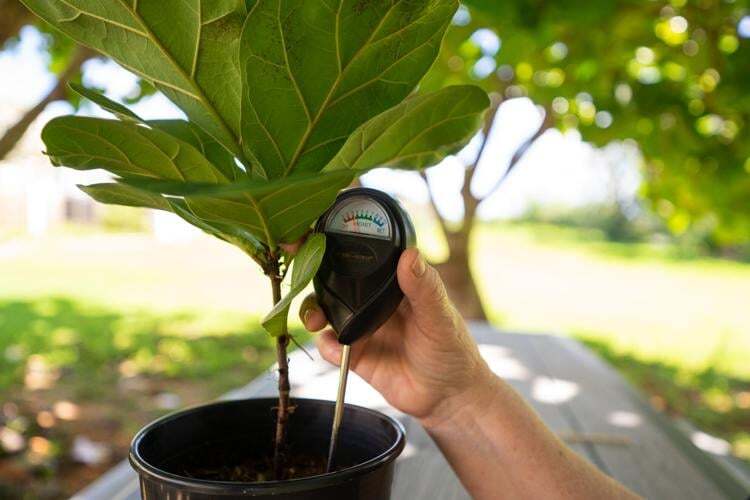
- Moisture Meter: A moisture meter is a handheld device that measures the moisture content of the soil. It typically has a probe that you insert into the soil. The meter then displays a reading, usually on a scale, indicating the level of moisture. Most moisture meters provide a clear indication of the soil’s moisture level, making it easier to determine if your plant needs watering.
- Observing the Pot: Observe the pot and its weight. A pot that feels significantly lighter than usual indicates the soil is drier, and watering is necessary. Heavier pots often mean the soil is moist, and watering should be delayed. Be mindful of the plant’s size, the pot’s material, and any surrounding conditions that might affect the weight.
Advantages and Disadvantages of Each Method
Each method for checking soil moisture has its own set of advantages and disadvantages. Understanding these nuances will help you choose the most suitable method for your specific needs.
| Method | Advantages | Disadvantages |
|---|---|---|
| Finger Test | Simple, readily available, inexpensive. | Subjective, accuracy depends on experience, can be less precise for some soil types. |
| Moisture Meter | Objective, provides precise readings, helps avoid over- or underwatering. | Requires an initial investment, some meters may not be accurate for all soil types. |
| Observing the Pot | Quick, easily accessible method, suitable for plants in different pots. | Accuracy depends on the pot’s material and surrounding conditions, not as precise as other methods. |
Visual Indicators of Soil Moisture
A visual guide can significantly aid in determining soil moisture levels. This infographic provides clear visual indicators for dry and moist soil, facilitating faster and more accurate assessments.
Visual indicators help in quickly recognizing soil moisture levels, promoting proactive plant care.
Infographic Description: The infographic will showcase two columns, one for dry soil and one for moist soil. Each column will have different soil textures, including dry soil with visible cracks, light brown color, and a powdery texture. Moist soil will have a dark brown color, a clumped texture, and no visible cracks.
Watering Techniques
Proper watering techniques are crucial for maintaining the health and vitality of your indoor plants. Consistent and appropriate watering prevents both overwatering and underwatering, which can lead to root rot and wilting, respectively. Understanding the specific needs of your plants and the characteristics of your pot type is key to successful watering practices.
Watering Different Pot Types
Different pot materials affect how water drains and evaporates. Terracotta pots, for example, are porous, allowing for faster evaporation than plastic pots. This difference necessitates adjustments to your watering schedule and method. When watering plants in terracotta pots, you may need to water more frequently than those in plastic pots. The porous nature of terracotta also allows for better aeration of the soil, making it less susceptible to waterlogging.
Correct Watering Methods
Watering techniques vary depending on the plant and its specific needs. Top watering, a common method, involves pouring water directly onto the soil surface. Bottom watering, where water is added to a tray beneath the pot, is another viable approach. Bottom watering can be beneficial for plants that are susceptible to overwatering as it allows the soil to absorb water at a more controlled pace.
Choosing the appropriate method depends on the plant’s watering preferences and the pot type.
Watering Hanging Plants
Watering hanging plants requires a slightly different approach to prevent water from pooling in the pot and causing root rot. Carefully pour water directly into the soil, ensuring the water penetrates the entire root system. Avoid watering excessively, as the soil in hanging baskets can dry out quickly. Observe the soil moisture level and water only when the top few inches of soil feel dry.
Alternatively, use a watering can with a long spout to precisely target the soil.
Step-by-Step Guide for Watering a Hanging Plant
1. Check the soil moisture level
Gently insert a finger or a small wooden dowel into the soil about 2-3 inches deep. If the soil feels dry, proceed to the next step.
2. Pour water slowly into the pot
Use a watering can with a long spout to avoid splashing water onto the foliage. Pour water directly onto the soil, ensuring it penetrates the entire root zone.
3. Monitor water absorption
Allow the water to drain completely from the drainage holes in the pot.
4. Empty any excess water in the tray
If your hanging plant is sitting in a tray, empty any excess water that may have accumulated.
Common Watering Mistakes and Solutions
| Mistake | Explanation | Solution |
|---|---|---|
| Overwatering | Excessive watering leads to waterlogged soil, depriving roots of oxygen and causing root rot. | Reduce watering frequency. Allow the top inch of soil to dry out completely before watering again. Ensure proper drainage. |
| Underwatering | Insufficient watering causes wilting and stress in the plant. | Increase watering frequency. Monitor the soil moisture regularly and water when the top inch of soil is dry. |
| Using cold water | Cold water can shock the plant and hinder nutrient absorption. | Use room temperature water for watering. |
| Using tap water directly | Tap water may contain chemicals that can harm plants over time. | Use filtered or rainwater for watering. |
Watering Schedules and Frequency
Establishing a consistent watering schedule is crucial for maintaining healthy indoor plants. Understanding the specific needs of each plant species, along with environmental factors and the plant’s growth stage, allows for tailored watering routines. This, in turn, prevents overwatering and underwatering, both of which can negatively impact the plant’s health and vitality.Effective watering involves more than just a set schedule.
It requires a dynamic approach that considers the plant’s individual characteristics and the changing conditions of its environment. This includes adjusting watering frequency based on seasonal shifts and the plant’s developmental stage.
Factors Influencing Watering Frequency
Several factors play a significant role in determining the optimal watering frequency for indoor plants. These factors include the type of plant, its size and age, the environmental conditions, and the soil composition. Understanding these factors helps create a personalized watering schedule for each plant.
Plant Type Considerations
Different plant species have varying water requirements. Succulents, for example, are drought-tolerant and require less frequent watering compared to ferns or tropical plants. The type of plant significantly influences the watering frequency.
Environmental Conditions
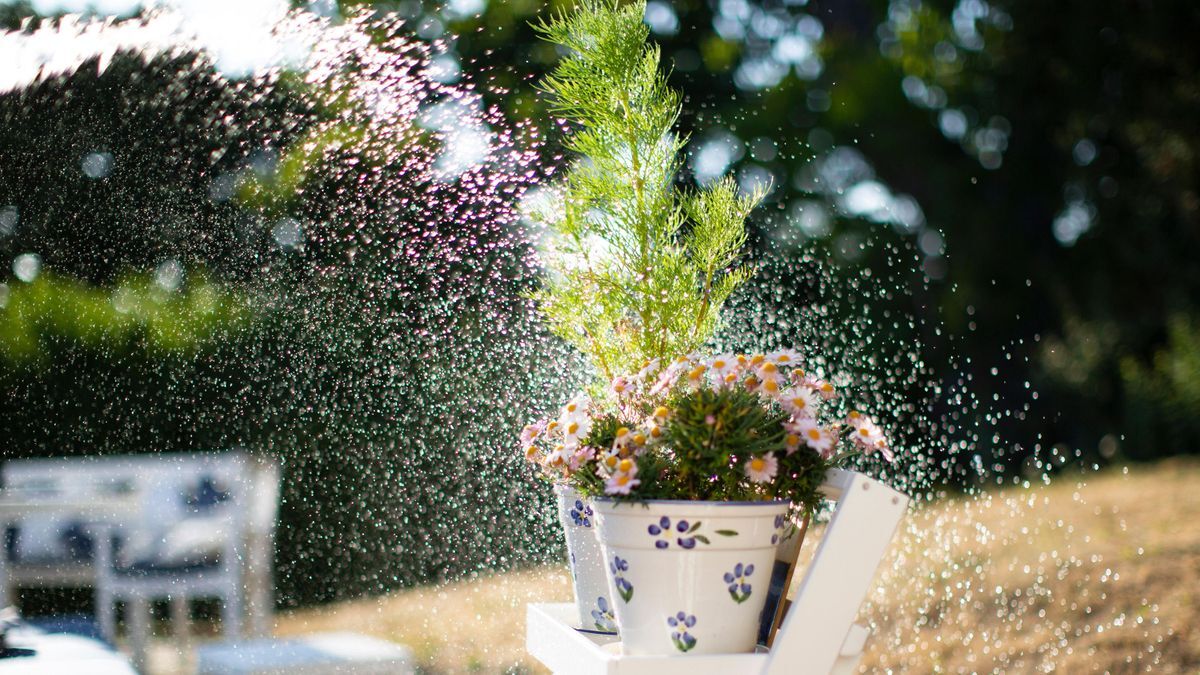
The environment in which the plant resides also impacts its water needs. Factors such as humidity, temperature, and the amount of light significantly affect the rate at which the plant loses moisture. Higher temperatures and low humidity necessitate more frequent watering, whereas cooler temperatures and higher humidity levels require less frequent watering. For instance, a plant placed near a radiator in a dry climate may need watering more often than one kept in a humid bathroom.
Soil Conditions and Potting Mix
The type of soil and potting mix used also influences the watering frequency. Well-draining soils retain less moisture, requiring more frequent watering compared to heavy clay soils. The water retention capacity of the soil directly affects how often the plant needs to be watered.
Watering Schedule Guide
A personalized watering schedule should be developed based on the interplay of plant type, environment, and soil conditions. Regularly check the soil moisture level. The soil should feel slightly moist but not soggy.
- Succulents and cacti: Water deeply but infrequently, allowing the soil to dry out completely between waterings. This ensures the plant receives adequate water, but prevents overwatering, which can lead to root rot.
- Tropical plants: These plants often thrive in humid environments and need frequent watering, keeping the soil consistently moist. However, avoid overwatering, as this can lead to root rot.
- Plants in pots: Plants in pots dry out faster than those in the ground due to the smaller volume of soil. Adjust watering frequency accordingly, ensuring the soil drains properly.
Seasonal Adjustments
Watering frequency needs to be adjusted based on seasonal changes. During warmer months, plants require more frequent watering due to increased transpiration rates. Conversely, during colder months, watering needs decrease as transpiration rates slow down. Observe the plant’s needs and adjust accordingly.
Growth Stage Considerations
Plants in different growth stages have different water needs. Young plants require less frequent watering than mature plants. Young plants’ root systems are still developing, so they don’t need as much water as established plants.
Monitoring Soil Moisture
Regularly checking soil moisture is crucial for determining watering needs. Insert your finger about an inch into the soil. If the top inch or two feels dry, it’s time to water. If the soil feels consistently moist, avoid watering until it’s dry.
Preventing Overwatering Issues
Overwatering is a common pitfall for indoor plant enthusiasts. Understanding the signs, the consequences, and the recovery process is crucial for maintaining healthy, thriving plants. By recognizing the symptoms of overwatering and implementing appropriate troubleshooting strategies, you can effectively mitigate damage and nurture your indoor garden.Overwatering can lead to a cascade of problems, from stunted growth to root rot, ultimately harming or even killing the plant.
Prevention is key, and a proactive approach to watering, combined with an understanding of your plant’s specific needs, will greatly reduce the risk of overwatering issues.
Identifying Signs of Overwatering
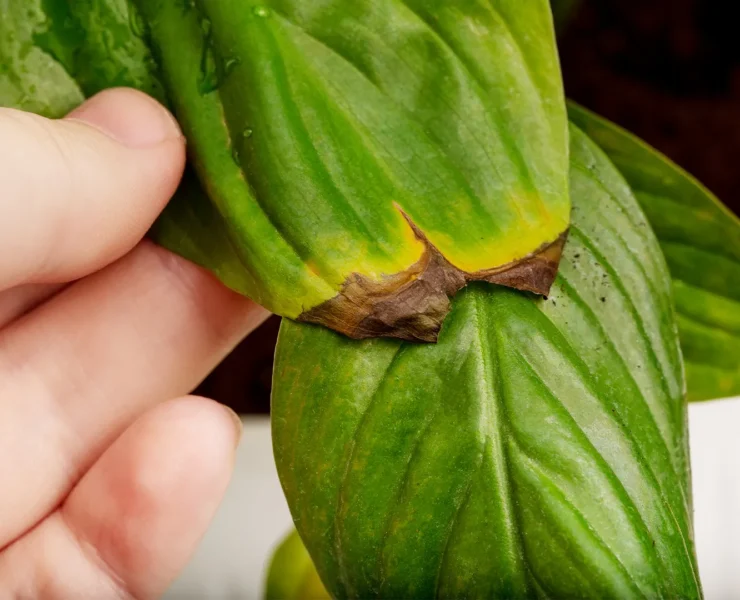
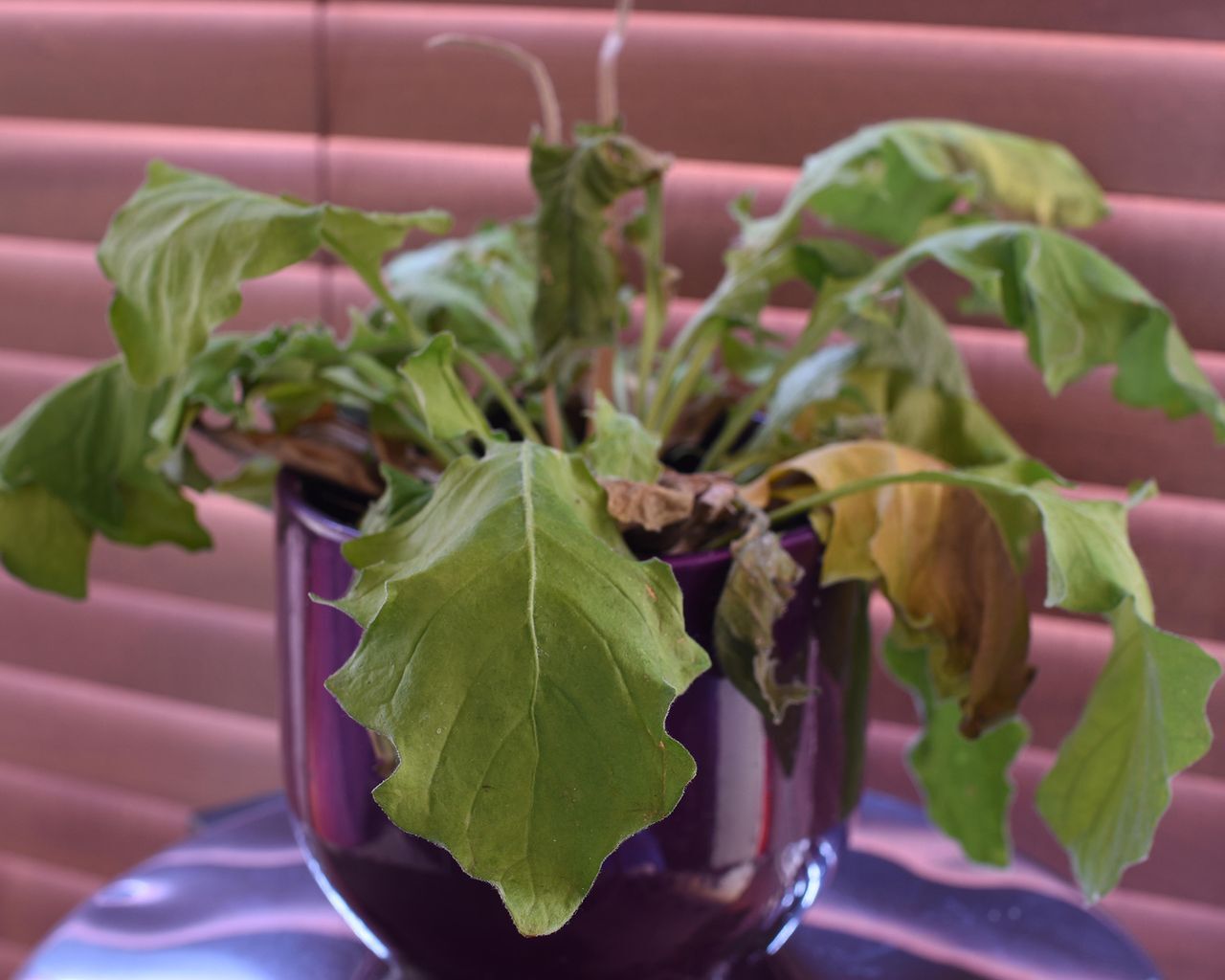
Recognizing the early signs of overwatering is vital for timely intervention. Overwatered plants often exhibit a range of visual cues, including wilting, despite being consistently moist. Leaves may also display yellowing, or exhibit brown spots, and become soft and limp. In some cases, the plant’s stem might appear mushy or excessively soggy. The presence of mold or fungus on the soil surface or within the pot can also be a strong indicator of overwatering.
Additionally, a musty odor emanating from the soil often accompanies overwatering.
Detrimental Effects of Overwatering
The consequences of overwatering can be severe and detrimental to a plant’s health. The primary damage is often directed at the root system. Excessive moisture creates an anaerobic environment, hindering oxygen absorption by the roots, effectively suffocating them. This oxygen deprivation leads to root rot, a fungal infection that further weakens the plant and hinders nutrient uptake. The compromised root system struggles to support the plant, resulting in diminished growth, stunted development, and, ultimately, death.
Troubleshooting and Recovery from Overwatering
If you suspect your plant is overwatered, immediate action is crucial. First, assess the condition of the soil. If it is consistently wet or soggy, carefully remove the plant from its pot. Gently examine the roots, looking for signs of rot, which may appear dark, mushy, or slimy. Severely affected roots should be pruned or removed.
Repot the plant in fresh, well-draining potting mix. Ensure the new pot has drainage holes to prevent future overwatering. Reduce the watering frequency significantly.
Recognizing and Preventing Root Rot
Root rot is a significant threat stemming from overwatering. It manifests as a fungal infection that attacks the plant’s roots, causing them to decay. Early detection is critical. Look for mushy, dark, or slimy roots, and an unpleasant odor. Prevention involves meticulous watering practices.
Ensure your potting mix drains well, and avoid letting the soil remain consistently wet. Allow the top inch of soil to dry out before watering again. Proper drainage and appropriate watering techniques are crucial in preventing root rot.
Avoiding Overwatering: A Summary
Maintaining healthy indoor plants requires careful attention to watering practices. Overwatering is a common issue, leading to root rot and other detrimental effects. Proactive measures, such as understanding plant needs, assessing soil moisture, and using appropriate watering techniques, are essential for successful indoor gardening.
Troubleshooting Overwatering
Identifying and addressing overwatering issues promptly is crucial for the health and longevity of your indoor plants. Ignoring these problems can lead to root rot, fungal diseases, and ultimately, plant death. This section provides a comprehensive guide to recognizing overwatering symptoms, effective troubleshooting methods, and preventative measures for various plant types.Understanding the signs of overwatering is key to providing timely intervention.
Overwatering, though seemingly benign, can significantly impact a plant’s well-being. A detailed examination of the plant’s condition, including visual cues and soil analysis, is essential for determining the appropriate course of action.
Recognizing Overwatering Symptoms
Overwatering manifests in various ways, affecting both the plant’s appearance and its overall health. Early detection allows for swift intervention and prevents severe damage.
- Wilting and Drooping: While wilting can be a symptom of underwatering, excessive watering can also cause this issue. Overwatered plants may appear wilted due to a lack of oxygen reaching the roots, which hinders nutrient absorption. The wilting may not respond to watering as the soil remains waterlogged.
- Yellowing Leaves: Yellowing leaves, particularly on the lower leaves, can signal overwatering. The yellowing is often accompanied by a general decline in the plant’s vigor, and the leaves might become limp and mushy.
- Root Rot: Root rot is a serious consequence of overwatering. Roots become soft, mushy, and dark brown or black. This indicates that the roots are decaying due to a lack of oxygen. This is often accompanied by a foul odor coming from the soil.
- Soggy Soil: The soil remains excessively wet for extended periods. A simple finger test can help determine soil moisture levels, with a constantly soggy feel signaling overwatering. Check the soil moisture frequently to prevent this.
- Slow Growth: Overwatered plants often exhibit stunted growth or a complete lack of growth. This occurs because the roots are deprived of oxygen and cannot absorb essential nutrients effectively.
- Fungal Growth: The presence of mold or fungus on the soil surface or within the pot itself is a strong indication of overwatering. This is due to the anaerobic environment that excessive moisture creates, providing a breeding ground for fungi.
Troubleshooting Overwatered Plants
Effective troubleshooting methods involve a multi-faceted approach, addressing the root cause of the problem and promoting plant recovery.
- Assess the Soil Moisture: The first step in troubleshooting overwatering is to assess the soil moisture level. If the soil remains constantly moist or wet, it is crucial to address the problem immediately to prevent further damage. Use a finger test, or a moisture meter, to accurately gauge the moisture level.
- Reduce Watering Frequency: Adjust your watering schedule to allow the soil to dry out completely between waterings. This will help to improve aeration and prevent further waterlogging. The frequency of watering will vary depending on the specific plant type and the environmental conditions.
- Improve Drainage: Ensure adequate drainage in the pot. If drainage is poor, water will accumulate, leading to overwatering. Use pots with drainage holes and consider adding a layer of gravel or perlite at the bottom of the pot to enhance drainage.
- Repotting: In severe cases of overwatering, repotting the plant into fresh, well-draining soil is necessary. This will allow for better oxygenation of the roots and a healthier environment. When repotting, choose a pot with appropriate drainage holes and use a well-draining potting mix.
- Identify Plant Type and Needs: Different plant types have varying water requirements. Research the specific needs of your plant to understand the ideal watering frequency and soil moisture levels. Some plants prefer drier conditions than others.
Preventing Overwatering Problems
Proactive measures are essential in preventing overwatering issues. This section highlights key considerations for maintaining a healthy watering routine.
- Appropriate Potting Mix: Using a well-draining potting mix is crucial in preventing overwatering. This mix will allow excess water to drain freely, preventing waterlogging.
- Appropriate Pot Size: Ensure the pot size is appropriate for the plant’s root system. Oversized pots can hold excessive water, leading to overwatering problems.
- Watering Techniques: Water thoroughly but allow the soil to dry out between waterings. This method ensures the plant receives adequate hydration without being subjected to excessive moisture. Avoid overhead watering, which can lead to water accumulating on leaves and potentially promoting fungal growth.
- Monitoring Environmental Conditions: Environmental conditions such as temperature and humidity can impact watering needs. Plants in warmer environments may require more frequent watering than those in cooler environments. Monitor your plants and adjust watering accordingly.
Conclusive Thoughts
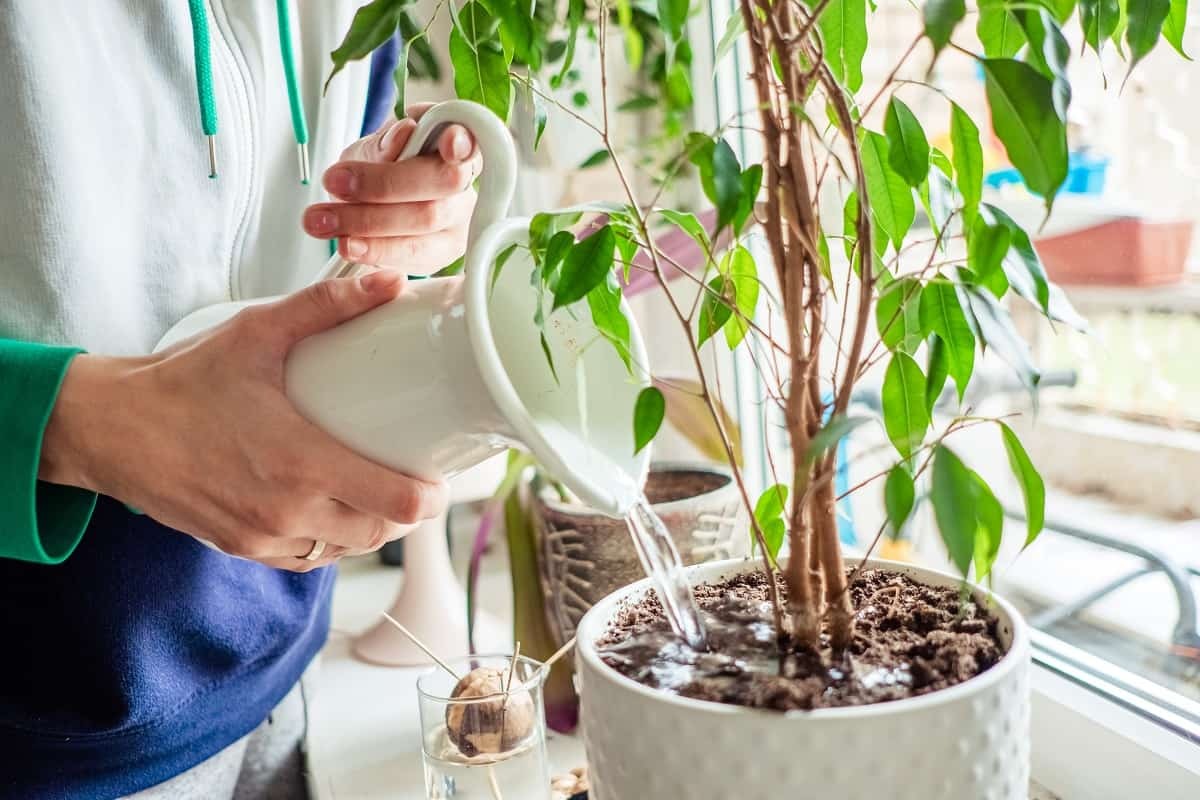
In conclusion, mastering the art of watering your indoor plants involves a blend of knowledge and practice. This guide equips you with the tools to understand your plants’ unique needs, monitor soil moisture effectively, and implement personalized watering schedules. By avoiding overwatering and embracing the principles Artikeld in this guide, you can create a thriving indoor garden that brings joy and beauty to your home for years to come.
Remember, a healthy plant is a happy plant!