Trailing plants, with their enchanting cascading displays, add a touch of elegance and dynamism to any garden. This comprehensive guide delves into the art of cultivating these captivating plants, providing expert advice on light, watering, pruning, and propagation to achieve a truly breathtaking cascading effect. From understanding their diverse needs to mastering propagation techniques, this guide empowers you to nurture these beautiful plants to their full potential.
Discover the secrets to successful trailing plant cultivation, including vital aspects such as optimal light conditions, appropriate watering schedules, and the crucial role of soil preparation in achieving a thriving cascading effect. Explore various techniques for pruning and training these plants, ensuring they develop their desired cascading form.
Introduction to Trailing Plants
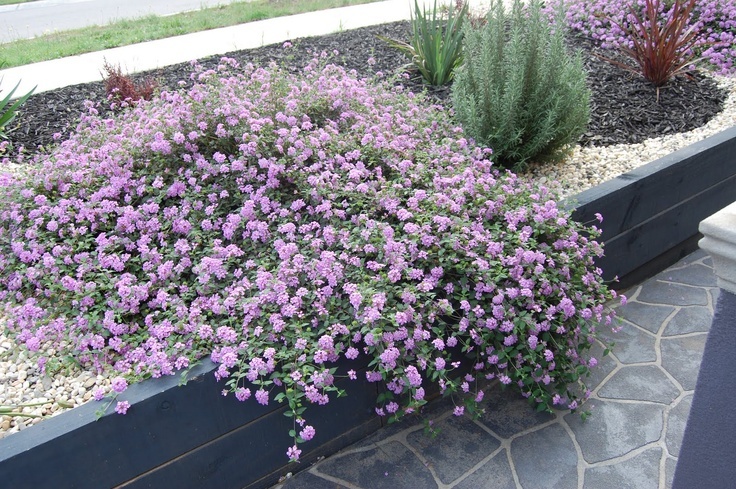
Trailing plants, also known as cascading plants, are a captivating addition to any garden or indoor space. These plants are distinguished by their growth habit, which naturally extends outward and downward, creating a visually appealing cascading effect. Their ability to drape over containers, walls, or other structures lends a dynamic and flowing aesthetic to any design.These plants are incredibly versatile, thriving in a wide array of environments, from sun-drenched patios to shaded indoor corners.
Their adaptability makes them a popular choice for gardeners of all levels, providing an opportunity to add a touch of natural beauty to a wide variety of settings. Understanding the specific needs of trailing plants is essential to ensuring successful cascading growth.
Popular Trailing Plant Examples
A wide selection of plants exhibit this attractive cascading growth pattern. Some of the most popular include:
- Pothos (Epipremnum aureum): Known for their adaptability and tolerance to low-light conditions, pothos are a favourite for their ease of care and the attractive patterns of their variegated leaves.
- String of Hearts (Ceropegia woodii): This trailing succulent features heart-shaped, delicate leaves, creating a beautiful, cascading display that adds texture to a garden bed or hanging planter.
- Spider Plant (Chlorophytum comosum): Well-known for its air-purifying properties and tolerance of various light conditions, the spider plant’s cascading growth habit adds a touch of elegance to a hanging planter or container.
- Creeping Fig (Ficus pumila): This fast-growing vine, with its small, glossy leaves, can quickly form a cascading curtain.
- African Violet (Saintpaulia ionantha): Though not typically associated with cascading, their trailing varieties exhibit a beautiful cascading effect in containers, displaying vibrant blooms.
Understanding Plant Needs for Cascading Growth
Successful cascading growth depends on understanding a plant’s specific needs. Factors like light exposure, watering frequency, and soil composition all play a crucial role. Proper care ensures the plant’s continued health and encourages the desired cascading effect. Ignoring these requirements can result in stunted growth or even plant death.
Summary of Trailing Plant Types
The table below summarizes key characteristics of different trailing plants, including their average growth rate and light requirements.
| Plant Type | Average Growth Rate | Light Requirements | Additional Notes |
|---|---|---|---|
| Pothos | Moderate to Fast | Low to Medium | Tolerates low light, prefers indirect light. |
| String of Hearts | Slow to Moderate | Bright, Indirect Light | Requires well-draining soil; susceptible to overwatering. |
| Spider Plant | Moderate | Medium to Bright, Indirect Light | Tolerates a wide range of light conditions but thrives in bright, indirect light. |
| Creeping Fig | Fast | Medium to Bright, Indirect Light | Requires regular pruning to maintain shape and prevent overcrowding. |
| African Violet (Trailing) | Moderate | Bright, Indirect Light | Requires consistent humidity and well-draining soil. |
Light Requirements and Placement
Trailing plants, with their cascading growth habits, are particularly sensitive to light conditions. Proper light exposure is crucial for their healthy development and the vibrant cascading effect they exhibit. Understanding the specific light needs of different varieties and how light influences their growth patterns is key to successfully cultivating these attractive plants.Light significantly impacts the cascading growth habit of trailing plants.
Sufficient light encourages robust growth, allowing the plants to develop long, cascading stems laden with foliage. Conversely, inadequate light can result in leggy growth, sparse foliage, and diminished cascading appeal. Careful consideration of light exposure is vital for achieving the desired cascading effect.
Ideal Light Conditions for Different Varieties
Different trailing plants have varying light preferences. Some thrive in bright, indirect light, while others require more direct sunlight. Understanding these distinctions is crucial for successful cultivation. For example, some varieties, like the Pothos, tolerate a wide range of light conditions, while others, such as the String of Pearls, may struggle in low light environments. By matching the plant to its optimal light conditions, you can encourage healthy growth and a beautiful cascading display.
Impact of Light on Cascading Growth
Sufficient light promotes the elongation of stems, a characteristic that is essential for the cascading effect. Adequate light encourages the development of longer stems, which then drape gracefully over the container or other supports. Conversely, insufficient light can lead to stems that are weak and lack the length needed for the desired cascading effect.
Importance of Proper Placement
Proper placement of trailing plants within a garden or indoor setting is crucial for maximizing the cascading effect. The location should consider the plant’s specific light requirements, as well as the overall aesthetics of the space. For example, a trailing plant placed in a shady corner will likely not develop the cascading display it is capable of. Careful consideration of both light and aesthetic elements will maximize the plant’s visual appeal.
Examples of Suitable Garden Locations
Various garden locations are suitable for trailing plants, depending on their specific light requirements. A sunny patio or a well-lit corner of a garden bed might be ideal for plants that prefer bright, indirect light. Conversely, a partially shaded location might be suitable for plants that need less direct sunlight. The placement should balance the plant’s needs with the overall design of the garden.
Table Comparing Sun Exposure Preferences
| Plant Variety | Sun Exposure Preference | Growth Pattern | Potential Issues |
|---|---|---|---|
| Pothos | Bright, indirect light; tolerates low light | Vigorous, cascading stems; abundant foliage | Leggy growth in low light; leaf drop in excessive light |
| String of Pearls | Bright, indirect light; needs more direct sunlight than Pothos | Long, cascading stems; distinct, pearl-like foliage | Slow growth in low light; leaf loss in excessive direct light |
| Creeping Fig | Bright, indirect light; tolerates some direct sunlight | Fast-growing, cascading stems; dense foliage | Leaf scorch in excessive direct sunlight; slow growth in low light |
| Spider Plant | Bright, indirect light; tolerates low light | Long, cascading stems; spiderettes | Leggy growth in low light; leaf drop in excessive direct light |
Watering and Soil Considerations
Trailing plants, prized for their cascading displays, require specific watering and soil conditions to thrive. Proper watering techniques and soil selection are crucial for maintaining their vibrant foliage and encouraging their cascading growth habit. Understanding these aspects ensures the plants’ health and aesthetic appeal.Watering trailing plants effectively involves a balance between providing sufficient moisture and preventing overwatering, which can lead to root rot.
Soil composition is equally vital, impacting drainage and aeration, which are essential for the healthy development of the roots. Different trailing plant species have varying needs, necessitating a tailored approach to watering and soil preparation.
Optimal Watering Schedules
Watering frequency for trailing plants depends heavily on factors such as the specific plant type, pot size, environmental conditions (humidity, temperature), and the soil’s drainage capacity. Regular monitoring of the soil moisture is key to avoiding both underwatering and overwatering.
Determining Water Needs
A crucial step in effective watering is knowing when a trailing plant requires water. A simple technique involves inserting a finger a few inches into the soil. If the soil feels dry to the touch, it’s a clear indication that the plant needs watering. Alternatively, a moisture meter can provide a more precise reading of the soil’s moisture content.
Soil Preparation for Cascading Plants
Preparing the soil for trailing plants is critical for successful cascading growth. The soil should be well-draining to prevent waterlogging and root rot. A good quality potting mix is recommended, blending components like peat moss, perlite, and vermiculite to achieve optimal aeration and drainage.
Soil Types for Trailing Plants
Various soil types are suitable for different trailing plant species. Well-draining, airy mixes are generally favored. Sandy soils, for example, provide excellent drainage, while loamy soils offer a balance between drainage and water retention. For some species, a slightly acidic soil is beneficial.
Impact of Soil Drainage on Cascading Effect
Proper soil drainage is paramount for maintaining the cascading effect of trailing plants. If the soil retains excessive water, the roots may rot, hindering growth and preventing the cascading habit from developing. Well-draining soil allows for proper oxygen circulation around the roots, facilitating healthy growth and promoting the desired cascading form.
Watering Frequency, Soil Types, and pH Requirements
The table below provides a general guideline for watering frequency, soil types, and soil pH requirements for different trailing plant species. It’s crucial to note that these are general guidelines and specific needs may vary based on the plant’s variety and growing conditions.
| Plant Species | Watering Frequency | Soil Type | Soil pH Requirement |
|---|---|---|---|
| Pothos | Once every 7-10 days, depending on conditions | Well-draining potting mix with perlite | Slightly acidic (5.5-6.5) |
| String of Hearts | Once every 10-14 days, allowing soil to dry out slightly between waterings | Well-draining potting mix with sand | Slightly acidic (6.0-7.0) |
| Creeping Jenny | Twice a week during hot weather, less frequently in cooler months | Loamy soil with good drainage | Neutral (6.5-7.5) |
| Spider Plant | Once every 7-10 days, depending on pot size and humidity | Well-draining potting mix with peat moss | Slightly acidic (6.0-7.0) |
Pruning and Training Techniques
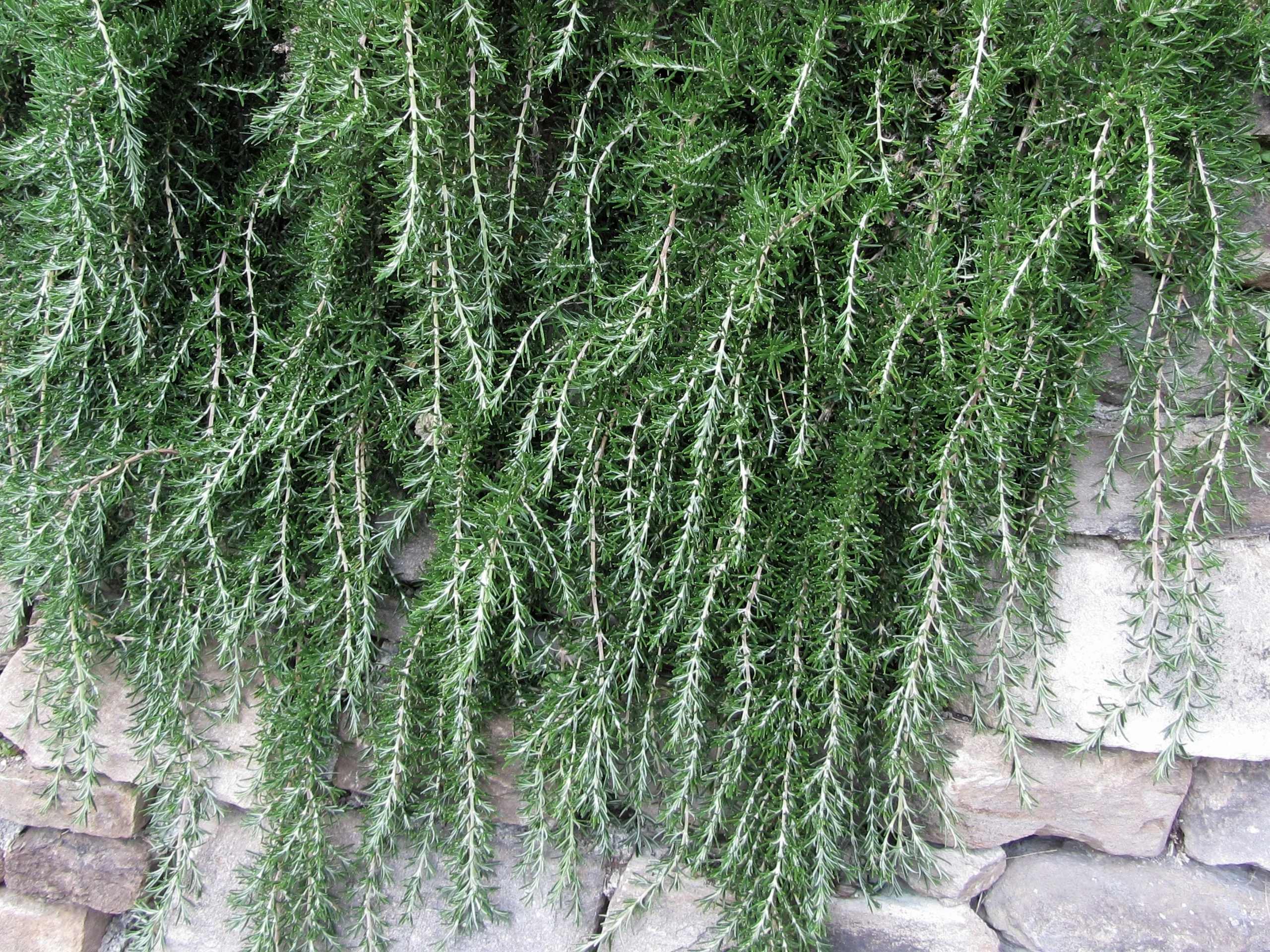
Maintaining the cascading effect of trailing plants requires thoughtful pruning and training. Proper techniques encourage healthy growth, maintain the desired shape, and prevent the plants from becoming leggy or sprawling. This section details effective pruning and training methods for various trailing plant types.
Importance of Pruning for Cascading Effect
Pruning is crucial for maintaining the cascading aesthetic. It encourages bushier growth at the base, promoting lateral shoots and creating a dense canopy from which the cascading stems can grow. Regular pruning prevents the plants from becoming overly tall and top-heavy, which can disrupt the desired cascading effect. Pruning also removes dead or damaged stems, improving air circulation and preventing diseases.
Proper Pruning Techniques for Different Trailing Plant Types
Trailing plants exhibit diverse growth habits. Therefore, pruning techniques should be tailored to the specific plant type. For plants with delicate stems, avoid heavy pruning. For those with more robust stems, careful pruning is essential to maintain shape and encourage new growth. Consider the plant’s natural growth patterns when determining the best pruning strategy.
Training Methods to Shape and Direct Cascading Growth
Training methods play a vital role in shaping the desired cascading effect. These methods involve directing the growth of the plant through the use of supports. This is particularly beneficial for plants that are prone to sprawling or those that need to be contained within a specific area.
Use of Stakes, Wires, or Trellises for Guiding Plants
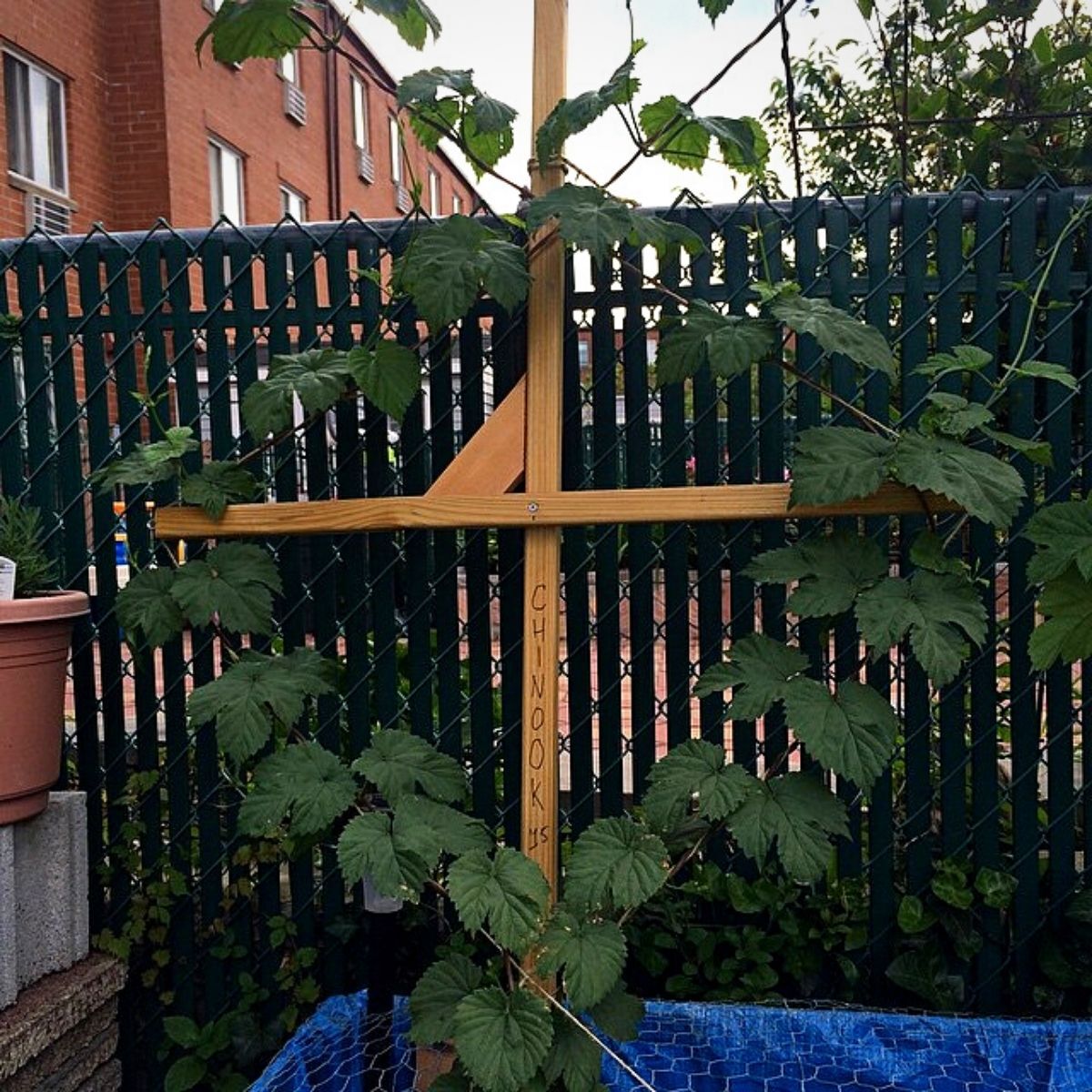
Stakes, wires, and trellises are excellent tools for guiding the cascading growth of trailing plants. These supports provide a framework for the plant to climb or trail, encouraging the formation of the desired cascading effect. Choose the support material that best complements the plant’s aesthetic and the overall design. For example, delicate plants might benefit from fine wires, while robust plants can be trained on sturdy stakes or trellises.
Pruning Methods Illustrated
- Pinching: This method involves gently removing the tips of new shoots. This encourages bushier growth and prevents the plant from becoming too tall. Tools: Fingers or a sharp pair of pruning shears. Steps: Gently pinch the tip of the new shoot. This method is ideal for young plants or for maintaining the overall shape of the plant.
This method is generally ideal for maintaining compact growth and preventing excessive height.
- Shearing: This method involves cutting back the stems to a specific length. This is useful for maintaining the desired shape and size of the plant. Tools: Sharp pruning shears or hedge shears. Steps: Cut the stems to the desired length, ensuring the cut is clean and precise. This method is useful for achieving a more uniform look.
It is particularly useful for plants that have well-defined stems.
- Heading Back: This method involves cutting back stems to a node or bud. This encourages new growth from the nodes, leading to a fuller plant. Tools: Sharp pruning shears. Steps: Locate a node or bud on the stem and make a clean cut just above it. This encourages branching and fuller growth.
This is often used for shaping and maintaining the plant’s overall form.
Pruning Schedule Summary
| Plant Type | Ideal Pruning Schedule | Ideal Tools | Potential Issues with Improper Pruning |
|---|---|---|---|
| Fuchsia | Spring, after the initial growth period | Sharp pruning shears | Can stunt growth if pruned too hard or at the wrong time |
| Ivy | Spring or early summer | Sharp pruning shears or loppers | Can lead to overgrowth if not pruned regularly |
| Pothos | As needed, throughout the growing season | Sharp pruning shears | Can result in a leggy plant if not pruned |
| Creeping Fig | Spring or fall | Sharp pruning shears | Can lead to a sparse appearance if pruned too heavily |
Fertilizing and Nutrient Management
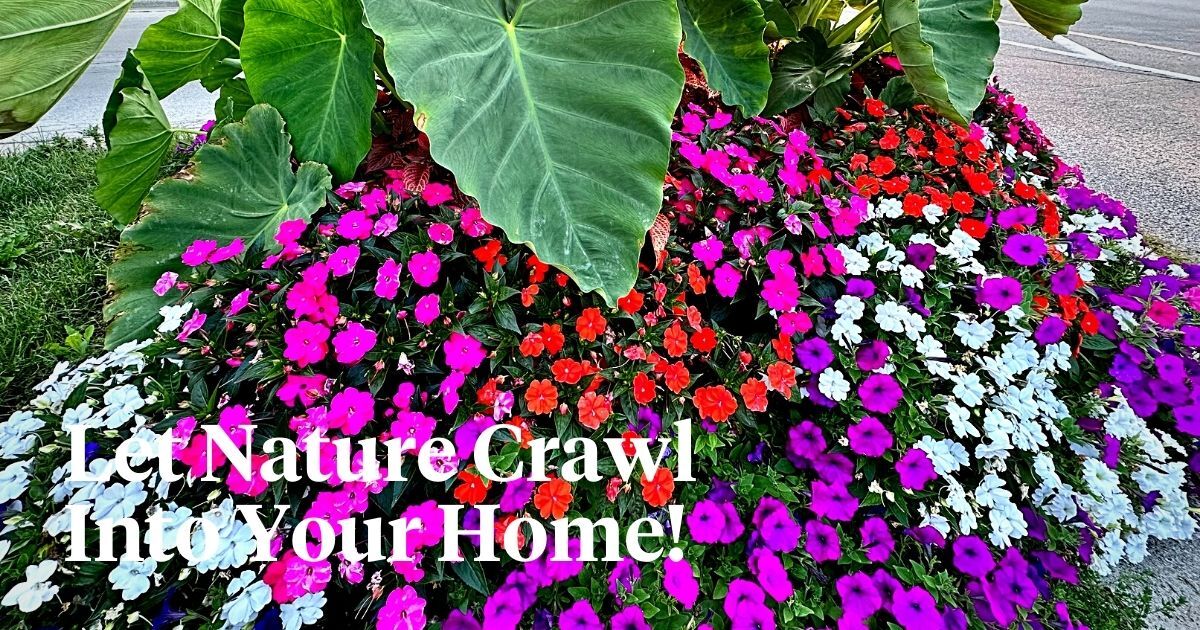
Proper fertilization is crucial for maintaining the health and vigor of trailing plants, essential for achieving their cascading effect. A well-nourished plant exhibits vibrant foliage, robust growth, and the abundant new growth necessary for a full, cascading display. Nutrient deficiencies can lead to stunted growth, pale leaves, and a less impressive overall appearance.Nutrient management involves more than just applying fertilizer.
It encompasses understanding the plant’s needs, choosing appropriate fertilizers, and maintaining the soil’s fertility to ensure continuous and optimal growth. This ensures a consistent cascading effect, rather than sporadic or uneven growth.
Choosing the Right Fertilizer
Trailing plants, like many other flowering plants, benefit from balanced fertilizers. A fertilizer with an NPK ratio (Nitrogen, Phosphorus, Potassium) of 10-10-10 or 15-15-15 is often suitable for promoting healthy growth. Specialized fertilizers formulated for flowering plants or trailing varieties can also be beneficial. Avoid using fertilizers that are high in nitrogen, as this can lead to excessive foliage growth at the expense of flowers and cascading structure.
Determining the Fertilization Schedule
The frequency of fertilization depends on several factors, including the plant’s age, growth rate, pot size, and the type of soil. For actively growing trailing plants, a monthly application during the growing season (spring and summer) is often sufficient. Reduce or cease fertilization during the dormant period (fall and winter). A slow-release fertilizer can be particularly beneficial for trailing plants, as it provides a steady supply of nutrients over an extended period, reducing the need for frequent applications.
Regular monitoring of the plant’s condition is vital to adjusting the schedule accordingly.
Potential Issues with Over-Fertilizing
Over-fertilizing can lead to several problems, including leaf burn, nutrient imbalances, and even plant death. Excessive salt buildup in the soil from over-application can harm the roots, making them unable to absorb water and nutrients effectively. Symptoms of over-fertilization include leaf yellowing, brown tips, and stunted growth. Always follow the manufacturer’s instructions carefully, and consider using diluted solutions when in doubt.
Maintaining Soil Nutrients
Regularly replenishing soil nutrients is crucial for sustaining the long-term health of trailing plants. Adding compost or well-rotted organic matter to the soil can improve its structure and nutrient content. Repotting plants into fresh potting mix every 1-2 years can also help maintain the soil’s fertility. Watering deeply and regularly, while ensuring proper drainage, helps maintain soil moisture and nutrient availability.
Comparison of Fertilizer Types
| Fertilizer Type | Application Method | Impact on Trailing Plant Growth | Example |
|---|---|---|---|
| Liquid Fertilizer | Diluted in water and applied directly to the soil | Provides a quick release of nutrients, ideal for plants exhibiting rapid growth or showing signs of nutrient deficiency. | Miracle-Gro Liquid Bloom Booster |
| Granular Fertilizer | Scattered around the base of the plant and watered in | Provides a slow-release of nutrients, reducing the need for frequent applications. Ideal for plants with moderate growth rates. | Osmocote Plus |
| Slow-Release Fertilizer | Applied as pellets or granules directly to the soil. | Provides sustained nutrient supply over an extended period, reducing the frequency of applications and promoting consistent growth. | Slow-release fertilizer specifically formulated for trailing plants |
| Organic Fertilizer | Compost, manure, or other organic materials incorporated into the soil | Enhances soil structure and provides a natural, long-term supply of nutrients. | Compost, aged manure |
Propagation Methods for Trailing Plants
Expanding your collection of trailing plants can be achieved through various propagation methods. These methods, if successfully executed, can quickly increase your plant inventory while preserving the desirable traits of your parent plants. Careful selection of propagation methods and plant material is key to success.Understanding the different propagation methods, their associated steps, and potential challenges allows you to make informed choices for multiplying your trailing plant collection.
Choosing the right method for your specific trailing plant type is crucial for maximizing success.
Methods for Propagating Trailing Plants
Several propagation methods can be employed for trailing plants, each with its own set of advantages and disadvantages. Careful consideration of these factors will help you determine the best approach for your specific plants.
- Cuttings: This is a common and effective method for propagating many trailing plants. It involves taking a stem cutting from a healthy parent plant and encouraging it to root. Stem cuttings can be either softwood (taken from new growth) or hardwood (taken from mature stems). Softwood cuttings are typically more successful with trailing plants. The success rate varies depending on the specific plant type.
- Layering: This method involves bending a stem of the trailing plant to the ground, covering a portion of it with soil, and then encouraging root formation in that area. This method is often successful with trailing plants that have flexible stems. The advantages include ease of implementation and minimal disturbance to the parent plant. A disadvantage might be the time required for roots to develop.
- Division: This technique is ideal for trailing plants that naturally produce multiple stems or offsets. This method involves separating these stems or offsets from the parent plant, allowing each to establish itself as an independent plant. The success rate of division is typically high as you are separating already established roots. A disadvantage might be that not all trailing plants produce offsets or multiple stems.
- Seed Propagation: Some trailing plants can be propagated from seeds. This is a method that can be challenging but rewarding if successful. The time taken for seeds to germinate and the plants to mature can be considerable. The method is suitable for varieties that readily produce seeds. A disadvantage is the potential for genetic variation in seedlings.
Steps Involved in Each Propagation Method
Following specific steps for each propagation method is crucial for maximizing success. Carefully following the steps for each method is essential to achieving desired results.
- Cuttings: Select a healthy stem cutting, remove lower leaves, dip the cut end in rooting hormone, and plant in a suitable growing medium. Maintain a consistently moist environment and provide adequate light. Monitor the cuttings for root development.
- Layering: Select a flexible stem, bend it to the ground, and cover a portion with soil. Secure the stem in place, maintain moisture, and monitor for root development.
- Division: Carefully separate the offsets or stems from the parent plant, ensuring each division has a healthy root system. Plant the divisions in separate pots or the ground.
- Seed Propagation: Sow seeds in a well-draining growing medium, maintain consistent moisture, and provide adequate light for germination. Once seedlings emerge, transplant into individual pots as needed.
Selection of Suitable Plant Material for Propagation
Using healthy and vigorous plant material is critical for successful propagation. The parent plant’s health directly impacts the success rate of the propagated plants.Selecting the right plant material for propagation is important for maintaining the desirable characteristics of the original plant. Factors such as the health of the plant and the maturity of the cutting or stem are key.
Advantages and Disadvantages of Each Method
Each propagation method offers advantages and disadvantages. Understanding these aspects can help you choose the most suitable approach for your needs.
Summary Table of Propagation Methods
| Propagation Method | Success Rate (General) | Ideal Conditions | Suitable for |
|---|---|---|---|
| Cuttings | High (with proper technique) | Warm, humid environment, consistent moisture | Most trailing plants |
| Layering | Moderate to High | Moist soil, support for bending stems | Plants with flexible stems |
| Division | High | Well-established plants, good root systems | Plants with offsets or multiple stems |
| Seed Propagation | Moderate to Low | Suitable seedbed, consistent moisture, light | Plants that produce seeds |
Troubleshooting Common Problems
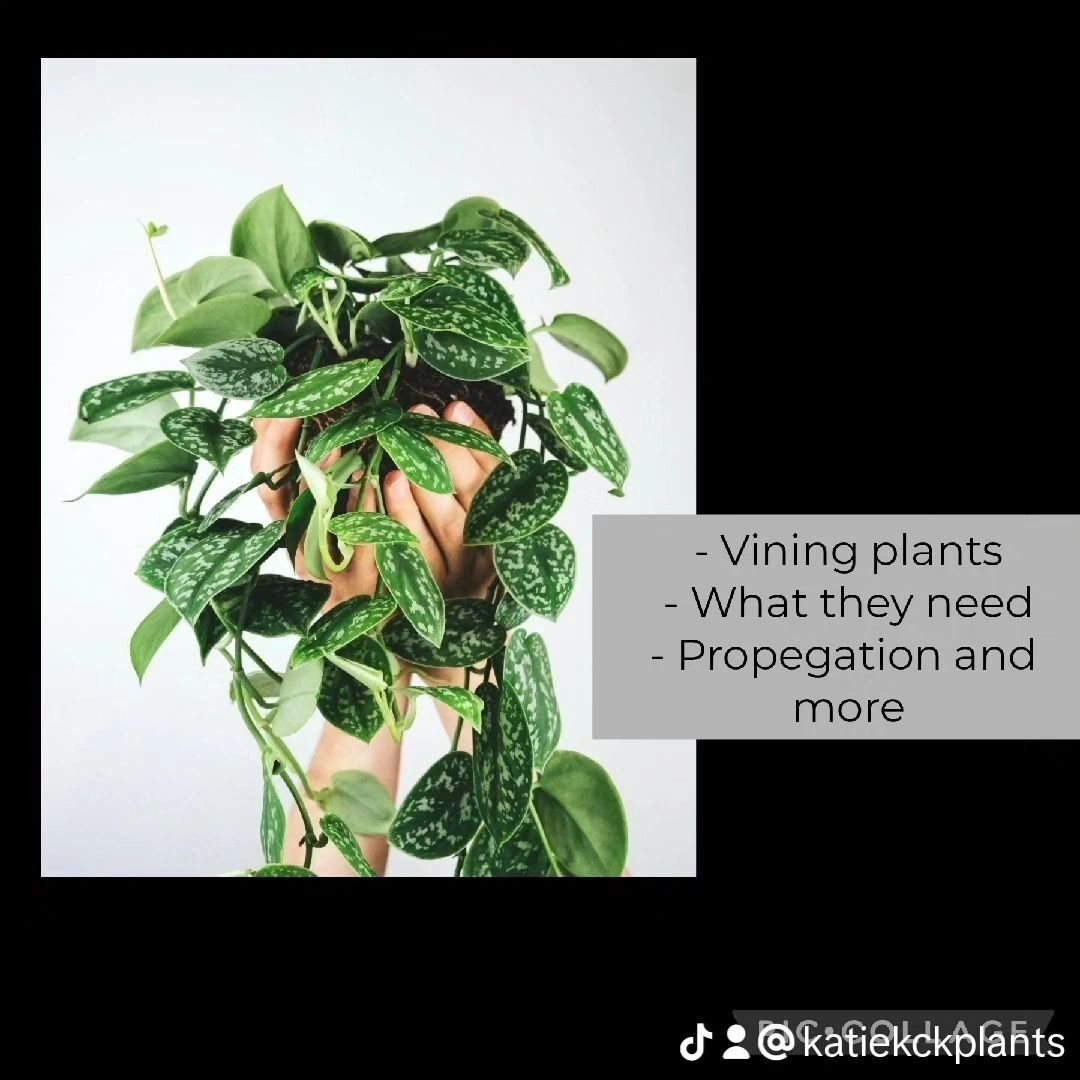
Maintaining the cascading beauty of trailing plants requires vigilance. Understanding potential issues and their solutions is crucial for nurturing healthy and vibrant growth. This section will detail common problems, their causes, and effective remedies, enabling you to cultivate thriving trailing plant displays.Troubleshooting problems in trailing plants often involves identifying the root cause. Symptoms, while noticeable, may not always point directly to the underlying issue.
By carefully observing the plant’s overall condition, including its foliage, stems, and growth habit, you can gain valuable insights and apply appropriate solutions.
Identifying Common Problems
Various factors can affect the health and cascading nature of trailing plants. These issues, ranging from environmental factors to nutritional deficiencies, can significantly impact the plant’s aesthetic appeal and overall well-being. By recognizing these problems, timely intervention can prevent further damage and ensure continued beauty.
Causes and Symptoms of Common Problems
A well-maintained trailing plant display can be affected by several factors, including improper watering, inadequate lighting, and nutrient deficiencies. Addressing these issues proactively is key to maintaining a thriving cascading display.
Solutions for Common Problems
Troubleshooting common problems requires a combination of careful observation, diagnosis, and targeted solutions. Understanding the specific cause of a problem is crucial to implementing the right solution. For example, if a plant is exhibiting yellowing leaves, it might indicate an issue with either watering or nutrient levels.
Preventive Measures
Proactive measures are vital in maintaining healthy trailing plants and preventing common issues. Regular monitoring of the plant’s condition and environment can help identify potential problems early on. These preventative steps can significantly minimize the risk of encountering problems in the future.
Table of Common Problems, Causes, Symptoms, and Solutions
| Problem | Cause | Symptoms | Solutions |
|---|---|---|---|
| Yellowing Leaves | Overwatering, underwatering, nutrient deficiency (iron, magnesium), or pests. | Leaves turn yellow, often starting from the lower leaves, wilting, and stunted growth. | Adjust watering schedule to match the plant’s needs; improve drainage if overwatering is suspected; fertilize with a balanced fertilizer; inspect for pests and address infestation with appropriate treatment. |
| Wilting Leaves | Underwatering, overwatering, insufficient light, or root rot. | Leaves droop and become limp, possibly with a mushy or dark appearance at the base of the plant. | Increase watering frequency if underwatering is suspected; allow the soil to dry out between waterings; adjust the plant’s location to improve light exposure; if root rot is suspected, repot the plant in fresh, well-draining soil. |
| Stunted Growth | Insufficient light, nutrient deficiency, compacted soil, or pest infestation. | Slow or no growth, small leaves, and sparse foliage. | Move the plant to a location with adequate light; provide a balanced fertilizer; improve soil drainage; check for and treat any pest infestations. |
| Drooping Branches | Underwatering, underwatering, lack of support, or pest infestation. | Branches droop and lose their cascading effect; may be accompanied by leaf yellowing. | Adjust watering schedule to meet the plant’s needs; provide adequate support, such as staking or trellises; address pest infestation with appropriate treatments. |
Concluding Remarks
In conclusion, achieving a captivating cascading effect with trailing plants requires a nuanced understanding of their individual needs. This guide has provided a comprehensive overview of the key elements involved, from light requirements and watering strategies to pruning techniques and propagation methods. By meticulously following these guidelines, you can cultivate stunning displays of cascading plants that add a unique aesthetic dimension to your garden.