Watering your houseplants effectively is crucial for their health and longevity. Choosing the right water type, considering water quality, and employing appropriate watering methods are all vital aspects of successful plant care. This guide provides a detailed exploration of these factors, helping you understand the specific needs of your plants and ensuring their thriving environment.
From understanding different water sources and their mineral content to mastering various watering techniques and the ideal water temperature, this comprehensive guide offers practical advice for every plant enthusiast. We will also explore the importance of recognizing signs of improper watering and maintaining consistent water quality for optimal plant health.
Assessing Water Quality for Your Plants
Proper watering is crucial for healthy houseplants, and using water suitable for their needs is equally important. The quality of water directly impacts plant growth, nutrient absorption, and overall health. This section will delve into the significance of testing water quality, providing methods for checking pH and identifying contaminants, and outlining purification techniques.Understanding the nuances of your water source can prevent issues like nutrient deficiencies, toxicity from contaminants, and pH imbalances that can hinder plant development.
This knowledge allows you to provide the optimal environment for your indoor greenery.
Importance of Water Quality Testing
Ensuring your houseplants receive the most suitable water is essential for their health and vitality. Water quality testing helps identify potential issues in your water source, such as high mineral content or contaminants, that could negatively impact your plants’ well-being. This proactive approach allows you to address any problems before they affect the growth and health of your indoor plants.
Checking pH Level at Home
Accurate pH measurement is critical for determining if your water is appropriate for your plants. A pH level that’s too high or too low can disrupt nutrient absorption, leading to stunted growth and other issues. Home pH testing kits are readily available and provide a convenient way to determine the pH of your water. These kits often come with detailed instructions, allowing for accurate and consistent results.
Identifying Contaminants in Tap Water
Tap water can contain various contaminants that are detrimental to plant health. These contaminants include chlorine, chloramine, fluoride, heavy metals, and other impurities. Identifying these contaminants allows for informed decisions regarding water treatment. The presence of these contaminants can affect plant health, potentially causing damage or hindering growth.
Methods for Purifying or Treating Tap Water
Several methods can be used to purify or treat tap water to enhance its suitability for houseplants. These methods include filtration, distillation, and reverse osmosis. Each method has its own advantages and disadvantages, and the best choice depends on the specific contaminants present in your tap water.
Step-by-Step Guide to Testing Water Quality for Houseplants
This guide provides a structured approach to testing water quality, ensuring accuracy and reliability.
- Gather necessary materials. You will need a pH testing kit, a water sample container, and a clean, unused container to collect the water sample. A clear plastic container will be ideal to assess the water clarity.
- Collect a water sample. Allow the water to sit for a few minutes to let any chlorine dissipate. Fill the container with the water sample to the required level for testing.
- Test the pH level. Follow the instructions provided with your pH testing kit carefully to obtain an accurate reading. Compare the results with the chart provided in the kit to determine the pH level.
- Identify contaminants (optional). If you suspect contaminants, consult with local water authorities or conduct further tests. This can include observing the clarity of the water. Cloudy water could indicate sediment, and other visual cues can suggest contaminants.
- Evaluate the results. Compare the pH level with the optimal range for your specific plant species. Consult resources like gardening guides for specific plant requirements.
- Decide on treatment (if necessary). If the water quality is not suitable, choose a treatment method that effectively addresses the identified issues. This could involve using a water filter or adopting a different water source.
Choosing the Right Watering Method
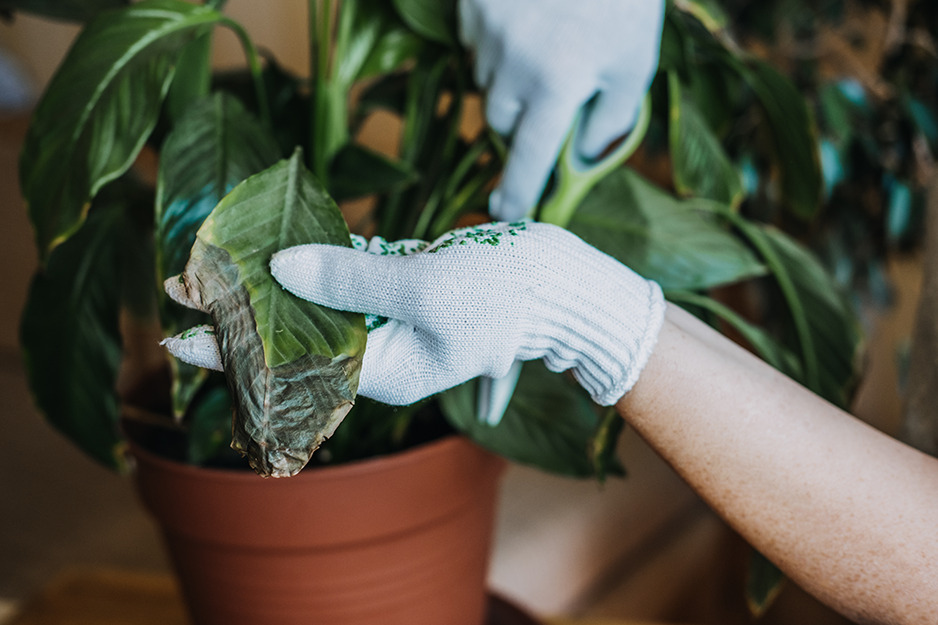
Proper watering is crucial for the health and vitality of houseplants. The method you choose directly impacts how effectively water reaches the roots and supports overall plant growth. Selecting the right approach considers plant type, pot size, and the specific needs of each species.Different watering methods offer varying degrees of control over water distribution and absorption. Understanding the nuances of each method will help you create a consistent and effective watering regimen for your indoor plants.
Watering Methods and Their Impact
Various watering methods are available, each with its own advantages and disadvantages. The key is to select the method best suited for the individual plant’s needs and the environment in which it resides. Factors such as soil type, pot material, and plant size all play a role in determining the optimal watering strategy.
Overhead Watering
Overhead watering involves using a watering can or a spray nozzle to apply water directly to the foliage and soil. While convenient, this method can lead to water accumulating on leaves, potentially causing fungal diseases or issues with leaf burn. This method may also lead to excess water running off the pot, and not reaching the roots effectively.
Bottom Watering
Bottom watering is a technique where water is placed in a tray or saucer beneath the pot. The water is absorbed through the drainage holes, gradually hydrating the soil. This method reduces the risk of leaf diseases as it avoids wetting the leaves. It is often more effective in ensuring even moisture distribution.
Watering with a Watering Can
Using a watering can allows for more precise and controlled water application. This method enables you to target the soil directly, minimizing water waste and maximizing root hydration. The added control over water distribution allows for more effective watering, particularly for larger or more established plants.
Comparison of Watering Methods
| Watering Method | Pros | Cons | Suitable Plant Types |
|---|---|---|---|
| Overhead Watering | Convenient, easy to use, suitable for quick watering. | Can lead to leaf diseases, uneven water distribution, potential for overwatering. | Plants with thick foliage that can tolerate moisture on leaves; smaller plants with good drainage. |
| Bottom Watering | Reduces risk of leaf diseases, often promotes even moisture, good for plants with shallow root systems. | Can take longer, requires a separate tray, might not be suitable for all soil types. | Plants with shallow root systems, succulent plants, and plants prone to leaf problems. |
| Watering Can | Precise water application, minimizes water waste, allows for controlled watering. | Requires more time and effort, may not be suitable for all plant sizes or types. | Most plants, particularly larger plants, those with specific watering needs, and for those needing consistent watering. |
Water Temperature and its Effects
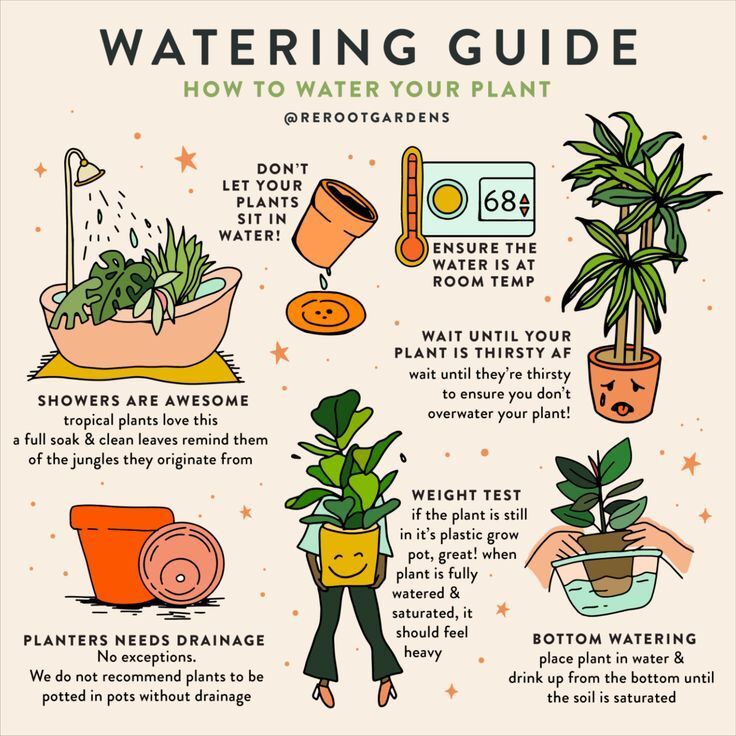
Proper water temperature is crucial for healthy houseplants. Water that’s too hot or too cold can disrupt the delicate balance of their root systems and overall well-being. Understanding the optimal temperature range and how it affects nutrient uptake is essential for providing your plants with the best possible care.
Ideal Water Temperature for Houseplants
The ideal water temperature for most houseplants is room temperature. This allows for efficient absorption of nutrients and prevents shock to the delicate root systems. Water that’s too hot or too cold can damage the root structure, affecting the plant’s ability to absorb water and essential nutrients.
Effects on Root Health and Nutrient Absorption
Water temperature directly influences the health and function of a plant’s roots. Warm water promotes healthy root growth and enhances the uptake of essential nutrients from the soil. Conversely, extremely hot or cold water can damage the root cells, hindering their ability to absorb water and nutrients. This disruption in nutrient absorption can lead to stunted growth, yellowing leaves, and ultimately, plant decline.
Risks of Using Extremely Hot or Cold Water
Using excessively hot water can cause immediate damage to the plant’s delicate root system. The high temperature can literally scorch the roots, hindering their ability to function properly. Likewise, using extremely cold water can also create stress on the plant. Cold water can cause the plant’s roots to constrict, reducing their ability to absorb water and essential nutrients.
Importance of Allowing Water to Reach Room Temperature
It’s essential to allow water to reach room temperature before watering your houseplants. This gradual transition avoids any shock to the root system. The slight temperature difference between the water and the roots minimizes the risk of damage and promotes healthy growth. Rapid temperature changes can cause a stressful response in the plant, leading to a variety of problems.
Comparison of Water Temperature Effects on Plant Species
| Plant Species | Ideal Water Temperature (°C) | Effect of Extremely Hot Water | Effect of Extremely Cold Water |
|---|---|---|---|
| African violets | 20-24°C | Scorched roots, reduced nutrient uptake, wilting | Root constriction, reduced water absorption, possible leaf drop |
| Snake plants | 22-26°C | Root damage, stunted growth, discoloration | Root damage, slow growth, susceptibility to diseases |
| Peace lilies | 20-25°C | Root burn, decreased chlorophyll production, leaf browning | Root damage, slowed growth, reduced bloom production |
| Pothos | 20-25°C | Root damage, leaf discoloration, wilting | Root damage, decreased water absorption, leaf drop |
Note: These are general guidelines. Specific ideal temperatures may vary slightly depending on the specific plant variety and its growing conditions. Always research the specific needs of your plant for optimal care.
Water and Plant Specific Needs
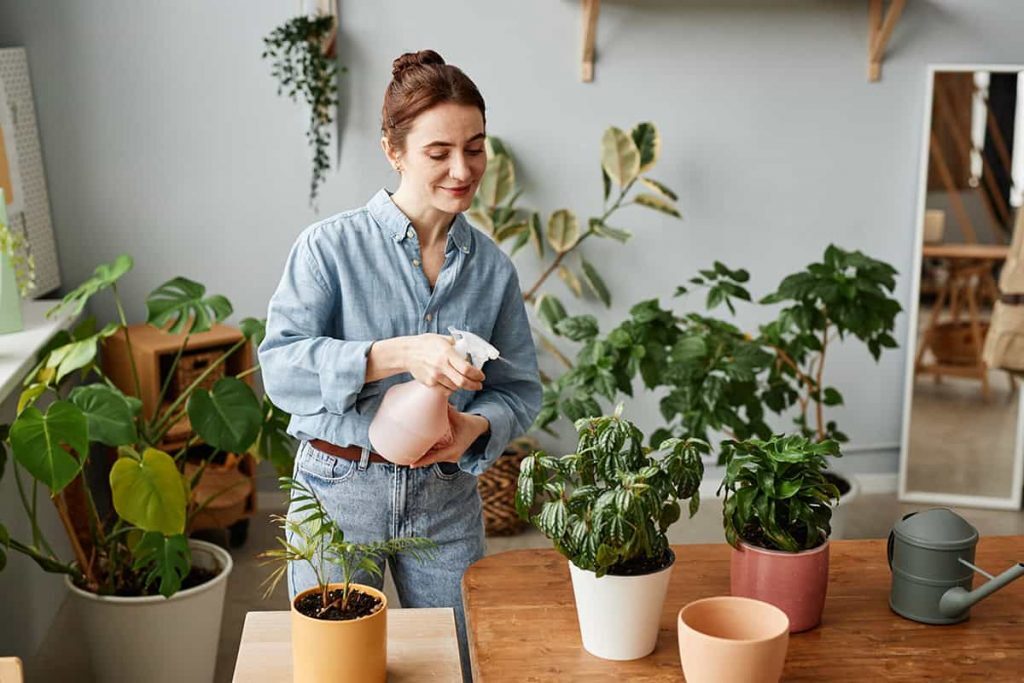
Understanding a plant’s specific water requirements is crucial for its health and thriving. Different plants have evolved in diverse environments, developing unique adaptations to varying water conditions. This knowledge allows for personalized watering strategies, ensuring optimal growth and preventing common issues like overwatering or underwatering.Plants from arid regions, for instance, are accustomed to infrequent watering, while those from humid environments require more frequent moisture.
Considering a plant’s natural habitat provides a valuable insight into its water needs, guiding us towards the best watering practices.
Plant Origins and Watering Needs
Understanding a plant’s natural habitat is key to determining its optimal watering schedule. Plants native to arid regions, like deserts, are adapted to conserve water, requiring significantly less frequent watering than those from humid or tropical environments. For instance, cacti and succulents, originating from arid regions, store water in their tissues, tolerating long periods between waterings. Conversely, ferns and tropical plants, hailing from humid environments, thrive in consistently moist soil.
Specific Water Needs of Different Plant Types
Different plant types have distinct water requirements. Succulents, known for their water-storing capabilities, need infrequent watering, allowing the soil to dry out completely between waterings. Overwatering succulents can lead to root rot. Conversely, ferns and other tropical plants, needing consistently moist soil, should be watered more frequently, ensuring the soil remains damp but not waterlogged.
Watering Tips for Various Plant Types in Different Conditions
Watering practices should be adjusted based on the plant’s type and the specific environmental conditions. For instance, succulents in a well-draining potting mix require less frequent watering compared to those in a heavy clay soil. Similarly, tropical plants placed in a location with low humidity may need more frequent watering to maintain adequate moisture levels.
Table of Preferred Water Conditions for Different Plant Types
This table provides a general guideline for watering frequency, temperature, and type of water. Always observe your plants and adjust the schedule based on their specific needs and environmental conditions.
| Plant Type | Watering Frequency | Preferred Water Temperature | Water Type |
|---|---|---|---|
| Succulents | Infrequent, allow soil to dry completely between waterings | Room temperature | Distilled or filtered water |
| Ferns | Frequent, keep soil consistently moist but not waterlogged | Room temperature | Distilled or filtered water |
| Tropical Plants | Frequent, keep soil consistently moist but not waterlogged | Room temperature | Distilled or filtered water |
| Most Houseplants | Moderate, water when the top inch of soil is dry | Room temperature | Distilled or filtered water |
Signs of Improper Watering
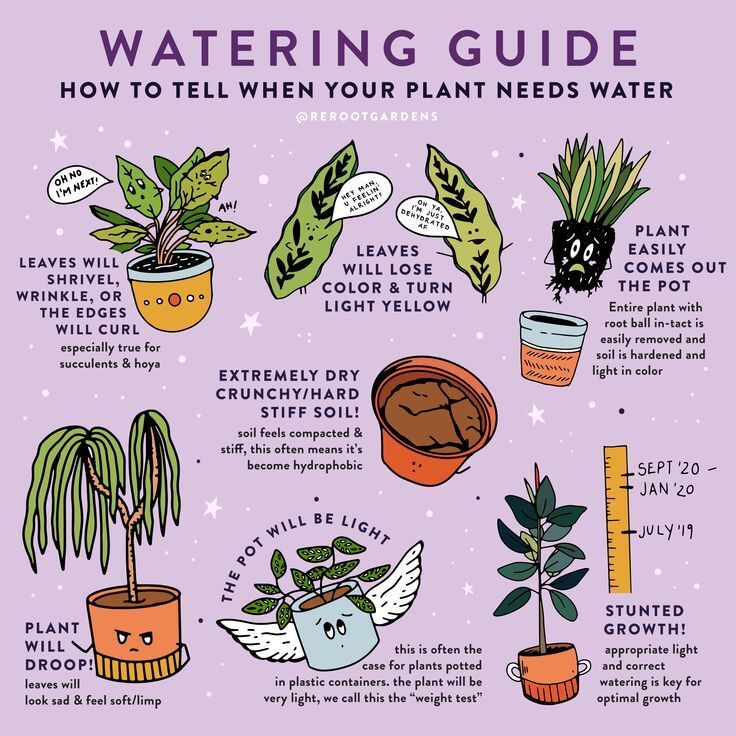
Understanding how your houseplants react to watering is crucial for their health and longevity. Recognizing the subtle signs of improper watering allows for timely intervention, preventing irreversible damage and promoting thriving growth. A keen eye for these indicators can be a game-changer in your plant care routine.Proper watering techniques, encompassing the right amount, type, and temperature of water, are fundamental to plant health.
Deviations from these techniques can lead to visible symptoms, providing valuable clues to the specific watering issues.
Overwatering Symptoms
Overwatering can lead to a variety of problems for houseplants. The roots of a plant that receives excessive water are deprived of oxygen, hindering their ability to absorb nutrients and water effectively. This can lead to root rot and other detrimental consequences. Identifying the signs of overwatering is key to averting serious issues.
- Soggy Soil: A persistent soggy soil, even after a few days, is a strong indicator of overwatering. This is because the soil hasn’t had a chance to properly drain, creating a waterlogged environment. The soil may feel excessively wet to the touch.
- Yellowing Leaves: Yellowing leaves can be a symptom of overwatering, often occurring alongside other issues like root rot. The leaves may appear mushy or limp, indicative of the plant struggling to function properly.
- Wilting Leaves (Despite Moisture): Paradoxically, overwatered plants can also exhibit wilting. This is because the roots are unable to effectively absorb water due to the lack of oxygen, leading to a similar effect as underwatering.
- Fungal Growth: The presence of mold or fungal growth on the soil surface or around the base of the plant is a clear sign of overwatering. These fungi thrive in moist environments.
Underwatering Symptoms
Conversely, underwatering deprives the plant of the necessary moisture for photosynthesis and growth. Plants subjected to insufficient watering exhibit noticeable signs, enabling proactive measures to be taken.
- Dry Soil: The soil will feel dry and crumbly, lacking the dampness associated with adequate hydration. A simple touch test can be a significant indicator.
- Wilting Leaves: Underwatered plants often display drooping or wilting leaves. The leaves may appear limp and lack their usual firmness.
- Leaf Drop: Severe underwatering can result in the plant shedding leaves as a means of conserving energy and resources.
- Shriveled Stems: Underwatering can cause the stems of the plant to become shriveled and appear less plump, reflecting the lack of moisture.
Visual Cues of Waterlogged Soil and Wilting Leaves
Understanding the visual indicators of waterlogged soil and wilting leaves is crucial for effective plant care. These cues allow you to promptly identify and address any potential issues.
| Condition | Visual Cues | Soil | Leaves |
|---|---|---|---|
| Overwatering | Soggy, constantly moist soil; fungal growth visible; leaves yellowing, potentially mushy; wilting despite moisture | Waterlogged, saturated | Yellow, mushy, wilting |
| Underwatering | Dry, crumbly soil; leaves drooping, wilting; leaf drop; shriveled stems | Dry, crumbly | Drooping, wilting, shriveled |
| Appropriate Watering | Soil is moist but not soggy; leaves are firm and vibrant; no visible fungal growth | Moist, but not saturated | Firm, vibrant, no wilting |
Maintaining Water Quality for Long-Term Plant Health
Maintaining consistent water quality is crucial for the long-term health and well-being of houseplants. Proper water quality not only ensures optimal hydration but also minimizes the risk of various issues, from nutrient imbalances to the development of harmful pathogens. Consistent care in this area will significantly contribute to the thriving environment your plants need.Maintaining optimal water quality for houseplants involves a proactive approach rather than a reactive one.
Regular checks and adjustments are vital to prevent issues like nutrient buildup, contamination, or the development of unfavorable microbial conditions. This proactive approach also ensures your plants receive the ideal balance of essential elements, promoting vigorous growth and resilience.
Methods for Maintaining Water Quality
Consistent water quality maintenance requires a proactive approach, focusing on regular checks and adjustments. This proactive care is crucial for the long-term health of your houseplants, minimizing the risk of nutrient imbalances, contamination, and the growth of harmful microorganisms.
- Regular Water Quality Checks: Regular testing of your water source is essential. This involves assessing factors like pH levels, mineral content, and the presence of impurities. A simple pH test kit can provide accurate readings and ensure your water meets the needs of your particular plants. Monitoring these elements allows you to make timely adjustments to maintain a healthy environment for your plants.
- Adjustments Based on Plant Needs: Different plants have different water requirements. Some thrive in slightly acidic water, while others prefer more alkaline conditions. Understanding your plant’s specific needs allows you to adjust the water quality accordingly. For example, certain orchids may require distilled or filtered water to prevent mineral buildup, whereas other plants may benefit from the natural minerals in tap water.
- Water Filtration and Purification: Using a water filter or purification system can significantly improve the quality of your water supply. Filters can remove impurities, chlorine, and other undesirable elements, leading to a healthier watering regimen. This is especially beneficial if you have hard water or a source with elevated mineral content.
- Preventing Waterborne Diseases and Pests: Maintaining a clean water supply is crucial to prevent the spread of diseases and pests. This includes avoiding stagnant water, promptly discarding used water, and ensuring proper cleaning of containers or tools used for watering. By taking these precautions, you effectively limit the potential for harmful pathogens and pests to proliferate.
Using Collected Rainwater Responsibly
Collecting rainwater can be a sustainable and cost-effective way to water your houseplants. However, it’s crucial to understand how to collect and use it responsibly to ensure it remains suitable for plant use.
- Proper Collection and Storage: Use clean, non-toxic containers to collect rainwater. Ensure the collection system is properly sealed and shielded from debris or contaminants. Regularly clean the collection system to prevent the buildup of algae or other unwanted organisms.
- Testing Collected Rainwater: Rainwater, while generally clean, can still contain impurities. Conduct regular checks of the collected water’s pH, mineral content, and potential contaminants. This allows you to determine if any adjustments are needed before watering your plants.
- Avoiding Contamination: Protect the rainwater collection system from direct contact with pollutants like bird droppings or other environmental contaminants. Keep the collection area clean and free of debris to maintain water purity.
Flowchart for Maintaining Consistent Water Quality
The following flowchart Artikels the process for maintaining consistent water quality for houseplants:[Flowchart Image Description: A simple flowchart would visually depict the steps, starting with assessing your water source (tap, rainwater, etc.). Subsequent steps would involve testing water quality (pH, minerals), adjusting the water (filtration, purification, adding nutrients if needed), and finally watering the plants. Each step would have arrows connecting them, indicating the progression through the process.
A feedback loop would be included, allowing for adjustments based on plant response (e.g., signs of nutrient deficiency, overwatering).]
Final Conclusion
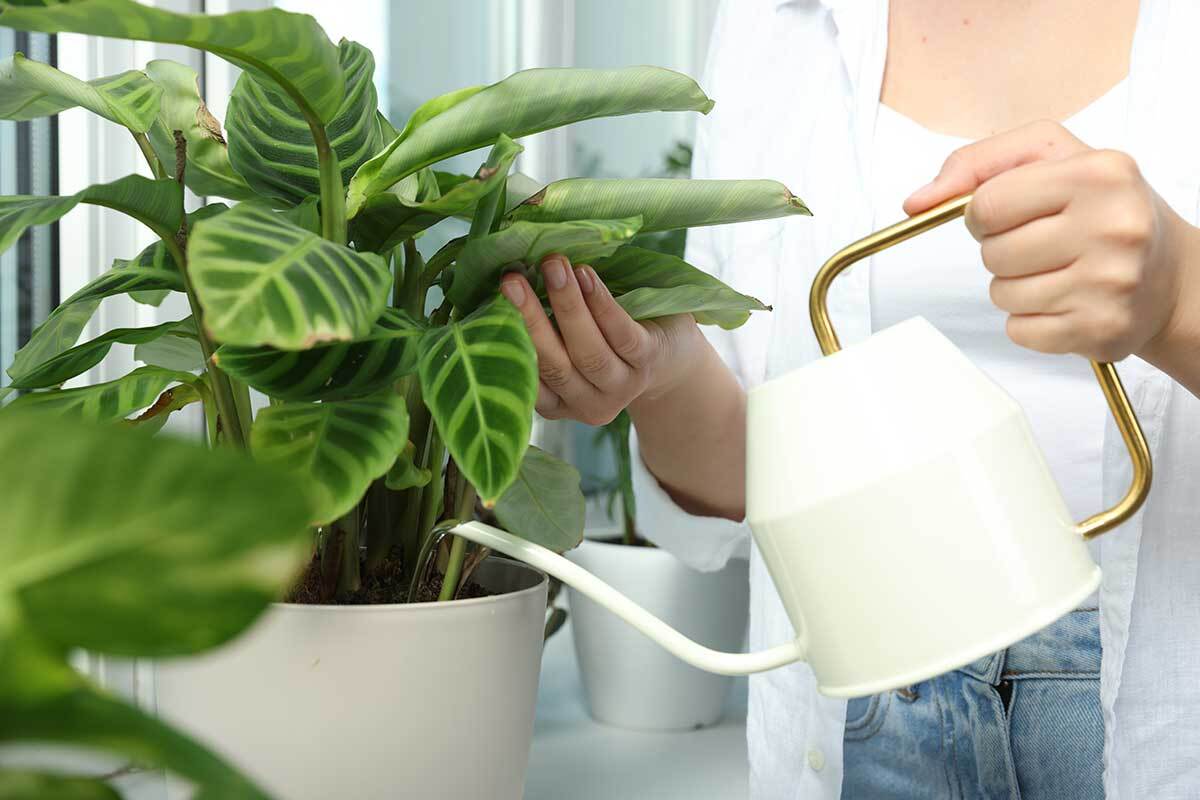
In conclusion, selecting the appropriate water for your houseplants is a multifaceted process that goes beyond simply filling a watering can. This guide has highlighted the significance of understanding water types, assessing quality, choosing the right watering method, considering temperature, and recognizing plant-specific needs. By implementing these insights, you can ensure your houseplants flourish and thrive in your home environment.
Remember, consistent care and attention to detail are key to successful houseplant cultivation.