Choosing the right pot for your plants is crucial for their health and growth. A well-suited pot size and material not only accommodates the plant’s needs but also enhances its aesthetic appeal. This guide delves into the essential factors to consider, from understanding plant growth requirements to selecting the ideal pot material for optimal plant care.
This comprehensive guide will explore various aspects of pot selection, including plant needs, pot sizing, materials, drainage, aesthetics, and specific plant requirements. Understanding these elements will empower you to nurture your plants to their fullest potential.
Understanding Plant Needs
Choosing the right pot size and material is crucial for plant health and thriving growth. A critical aspect of this decision is understanding the specific needs of the plant, including its root system, growth rate, and species-specific characteristics. Matching the pot to these factors ensures the plant has adequate space to develop its root system and thrive.A plant’s requirements for space and nutrients directly relate to its growth potential.
Understanding these needs allows for informed choices about pot size and material, ultimately leading to a healthier and more successful plant. This section delves into the specifics of plant needs, providing a framework for selecting the appropriate container for each plant.
Factors Influencing Plant Needs
Understanding the various factors influencing a plant’s needs is paramount to choosing the right pot size. Plant species, growth rates, and mature root system size are critical considerations.
- Root System Size: The size of a plant’s root system directly correlates with its pot size requirements. A larger root system needs a larger container to expand and function optimally. Plants with extensive root systems require pots that accommodate their mature size to prevent root-bound conditions. A root-bound plant will struggle to absorb water and nutrients effectively, leading to stunted growth and potential decline.
- Growth Rate: Plants with rapid growth rates require larger pots more frequently than slower-growing plants. Faster growth necessitates more space for the root system to develop and absorb necessary nutrients. A plant that outgrows its pot too quickly will likely show signs of stress, including yellowing leaves or slowed growth.
- Species: Different plant species have varying growth habits and root structures. Some species, like certain herbs, have shallow root systems and require smaller pots compared to trees with extensive root systems. Understanding the specific characteristics of the plant species is crucial to selecting the appropriate container size.
Examples of Different Plant Types and Their Growth Characteristics
Different plant types exhibit diverse growth characteristics, impacting the appropriate pot size.
- Annuals: These plants complete their life cycle within a single growing season. They generally have moderate growth rates and shallow root systems. They can thrive in smaller pots, as their lifespan is limited, and they don’t require significant space for extensive root development. Common annuals like zinnias and marigolds are well-suited to smaller containers.
- Perennials: These plants live for more than two years. Their growth rates can vary, and some perennials can become quite large over time. Larger perennials, such as some roses, need larger pots to accommodate their mature size and vigorous root systems. The pot size should accommodate their mature size to support continued growth and health.
- Vegetables: Vegetable plants have varying growth rates and sizes depending on the species. Some, like leafy greens, have smaller root systems and can be grown in smaller pots. Root vegetables, on the other hand, require more space to develop. The pot size must support the expected size of the mature plant, considering the specific vegetable type.
Importance of Considering Mature Size
It is essential to consider the plant’s mature size when choosing a pot. A pot that is too small for a plant’s mature size will restrict root development and hinder overall health.
- Root Restriction: A plant confined to a pot that is too small will experience root restriction, leading to reduced nutrient and water absorption. This can manifest as stunted growth, wilting, or yellowing leaves. The plant may eventually struggle to thrive.
- Long-Term Health: Choosing a pot that is too small will negatively impact the plant’s long-term health. The plant’s ability to grow and develop is severely limited. This can lead to reduced yield or a shorter lifespan for the plant.
Table Comparing Plant Types and Growth Needs
The following table provides a general comparison of average growth needs for various plant types.
| Plant Type | Average Growth Rate | Root System Size | Pot Size Considerations |
|---|---|---|---|
| Annuals | Moderate | Shallow | Smaller pots suitable for their lifespan |
| Perennials | Variable (can be fast or slow) | Variable (can be extensive) | Consider mature size; larger pots for larger perennials |
| Vegetables | Variable (depends on the variety) | Variable (can be extensive for root vegetables) | Consider mature size and root type; larger pots for root vegetables |
Pot Size Selection
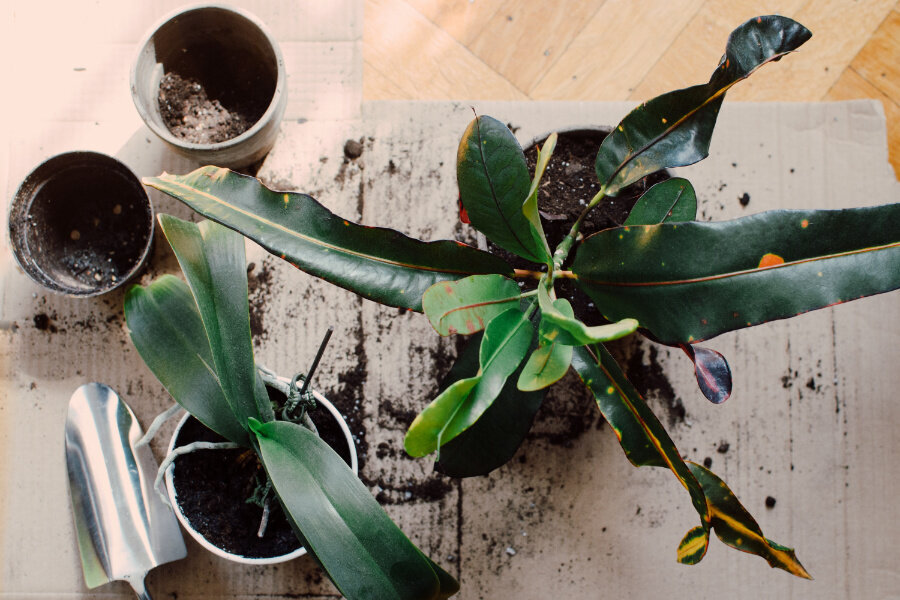
Choosing the right pot size is crucial for a plant’s health and growth. It influences root development, nutrient absorption, and overall vigor. Proper pot size selection ensures the plant receives the optimal environment for its needs, preventing issues like root-bound conditions or insufficient space for growth.Determining the appropriate pot size involves understanding different pot sizing systems and their relationship to a plant’s root system.
Different pot sizes affect the plant’s growth and development, highlighting the significance of careful consideration. Factors such as root growth, available space, and the plant’s maturity level need careful evaluation.
Pot Sizing Systems
Understanding various pot sizing systems is essential for selecting the correct pot. These systems often involve measurements of diameter, depth, and volume, each providing a different perspective on the pot’s capacity. Different systems allow for a nuanced approach to pot selection.
- Diameter: This measurement, typically in inches or centimeters, represents the width of the pot. It provides a basic indication of the pot’s capacity and the space available for the plant’s roots to grow. For example, a 6-inch diameter pot offers less space than an 8-inch diameter pot.
- Depth: Depth, also measured in inches or centimeters, refers to the vertical dimension of the pot. While depth is important, it’s often less critical than diameter in determining the pot’s volume for root growth. For instance, a deep pot might not necessarily be better than a shallower one if the diameter is smaller.
- Volume: This measurement, typically in liters or cubic inches, represents the total space inside the pot. Volume is a more precise measure of the pot’s capacity and often directly correlates with the root system’s needs. For example, a pot with a volume of 1 liter can accommodate a different plant compared to a pot with a volume of 5 liters.
Determining the Correct Pot Size
Accurately determining the correct pot size for a plant requires considering the plant’s root system. The size of the root ball is a key indicator of the pot’s needed volume. The plant’s mature size also factors into the pot size selection.
- Root System Evaluation: Carefully examine the plant’s root system to gauge its current size. A healthy root system, with roots filling the pot, suggests the need for a larger pot. For instance, seedlings typically have a smaller root system compared to mature plants.
- Mature Plant Size Estimation: Understanding the mature size of the plant is crucial. Mature plants require larger pots to accommodate their larger root systems. This consideration ensures the plant’s roots have enough space to grow.
Comparing Pot Sizes
Different pot sizes offer distinct advantages depending on the plant’s growth stage. Understanding the benefits of each size is vital for successful plant care.
- Smaller Pots (Seedlings): Smaller pots are ideal for starting seedlings. They allow for easy handling and facilitate root development without excessive growth in the early stages. For example, seedlings require less space to establish their root system.
- Larger Pots (Mature Plants): Larger pots are necessary for mature plants. They provide sufficient space for the plant’s established root system to thrive and support the plant’s overall growth. For example, a mature plant requires a larger pot to support its extensive root system and promote healthy growth.
Relationship Between Plant Size and Pot Diameter
This table illustrates the approximate relationship between plant size and recommended pot diameter. The table helps in selecting the appropriate pot based on the plant’s size.
| Plant Size | Recommended Pot Diameter (inches) |
|---|---|
| Small (seedling) | 4-6 |
| Medium | 6-8 |
| Large | 8-12 |
| Extra-large | 12+ |
Calculating Appropriate Pot Size
Calculating the appropriate pot size based on the root ball size is a practical method. This method ensures the plant has adequate space for its root system.
Pot Size = Root Ball Diameter + 2-3 inches (additional space)
For example, if a plant’s root ball has a diameter of 6 inches, a pot with a diameter of 8-9 inches would be suitable. This formula provides a guideline for pot size selection.
Pot Material Considerations
Choosing the right pot material is crucial for plant health and growth. It significantly impacts factors like water retention, drainage, and the overall environment the plant experiences. Different materials offer varying benefits and drawbacks, influencing the plant’s ability to thrive. Understanding these nuances allows for informed decisions when selecting the ideal container for specific plant types and growing conditions.The selection of pot material is directly related to the specific needs of the plant.
Factors such as the plant’s watering requirements, the desired growing environment, and the overall aesthetic preferences of the grower all play a role in the decision-making process. A well-chosen pot material enhances the plant’s growth and development.
Different Pot Materials
Various materials are employed in pot manufacturing, each possessing unique characteristics. Understanding these differences is key to selecting the optimal pot for a given plant. Common materials include terracotta, plastic, ceramic, and wood.
Advantages and Disadvantages of Pot Materials
Different pot materials exhibit varying degrees of water retention, drainage, and durability. These properties significantly influence plant health and growth.
- Terracotta pots are known for their excellent drainage. Their porous nature allows for rapid water absorption and release, preventing waterlogging. However, they can dry out quickly, requiring more frequent watering, and may absorb moisture from the surrounding environment. Their natural appearance is a desirable aesthetic feature for many gardeners.
- Plastic pots are lightweight and inexpensive, making them a popular choice. Their non-porous nature allows for excellent water retention, minimizing the need for frequent watering. However, plastic pots may not regulate temperature as effectively as other materials, potentially causing temperature fluctuations that can stress some plants. The material is often considered less visually appealing compared to other options.
- Ceramic pots offer a balance between water retention and drainage. They are durable and come in a wide variety of styles and colors. Their relatively slow water drainage compared to terracotta may be beneficial for plants that prefer consistently moist soil. Ceramic pots are generally more expensive than plastic ones, and their weight can be a factor.
- Wood pots are a visually appealing choice, bringing a natural element to the garden. Their porosity and ability to absorb water from the surroundings can influence water retention, potentially making them less suitable for plants with specific watering needs. Their durability is often less than that of ceramic or plastic pots, and they can be susceptible to rot or insect infestation if not properly maintained.
Comparative Analysis of Pot Materials
A comprehensive comparison of pot materials can aid in making informed choices.
| Material | Water Retention | Temperature Regulation | Drainage | Durability | Cost |
|---|---|---|---|---|---|
| Terracotta | Low | Good | High | Moderate | Moderate |
| Plastic | High | Poor | Low | High | Low |
| Ceramic | Medium | Moderate | Medium | High | High |
| Wood | Variable | Variable | Variable | Low | Variable |
Effect of Pot Material on Plant Health
The choice of pot material significantly influences the overall health and growth of the plant. For example, plants that require consistent moisture might struggle in a terracotta pot, while those that are susceptible to root rot might benefit from the excellent drainage of terracotta.
Choosing the Best Pot Material
Selecting the appropriate pot material hinges on the specific needs of the plant. Consider the plant’s watering requirements, the desired growing environment, and the overall aesthetic preferences when making your decision. A plant that thrives in consistently moist soil might flourish in a plastic or ceramic pot, whereas a plant that requires well-drained soil would likely benefit from a terracotta pot.
Drainage and Watering
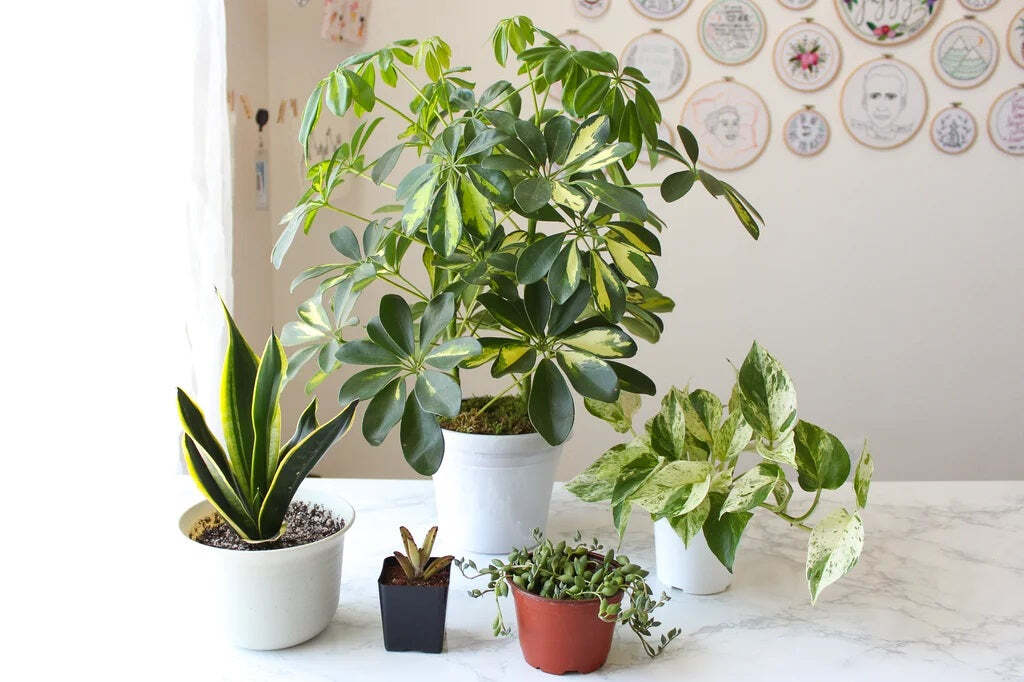
Proper drainage and watering are crucial for plant health. Adequate drainage prevents root rot, a common cause of plant decline, while appropriate watering ensures the plant receives the necessary moisture without waterlogging. Understanding these aspects is essential for successful plant care and promotes thriving growth.
Importance of Drainage Holes
Drainage holes in pots are vital for preventing waterlogged conditions. Excess water pooling around the roots deprives them of oxygen, leading to root rot and ultimately, plant death. Well-drained pots allow water to escape, maintaining the optimal moisture level for healthy root growth. Without adequate drainage, the roots are constantly submerged in water, hindering their ability to absorb oxygen and nutrients effectively.
Drainage Methods
Several methods enhance drainage, including using drainage layers at the bottom of the pot. A layer of gravel, broken pottery shards, or small stones creates a space for water to drain away from the roots. This layer prevents the potting mix from becoming saturated and ensures that the roots remain in contact with the air. Additionally, using a pot with multiple drainage holes, strategically placed, can significantly improve drainage efficiency.
This method ensures that water flows freely out of the pot, minimizing the risk of waterlogging.
Ensuring Adequate Drainage in Various Pot Materials
The choice of pot material impacts the drainage characteristics. Terracotta pots, for instance, are porous, allowing water to evaporate through the material. This natural drainage can sometimes be too rapid for certain plants, necessitating careful monitoring of watering frequency. Plastic pots, on the other hand, are non-porous, and water drainage relies solely on the drainage holes. Careful consideration of the drainage holes’ size and number is essential for optimal drainage in plastic pots.
Ceramic pots are similar to terracotta in their porous nature, though the rate of drainage may vary depending on the specific ceramic material and its porosity.
Relationship Between Pot Material and Watering Frequency
The watering frequency for plants in various pot materials varies considerably. Plants in terracotta pots might need more frequent watering due to the rapid evaporation rate, while those in plastic pots may require less frequent watering, as the moisture retention is higher. The type of plant also influences the watering needs, as some plants are more tolerant to dryness than others.
The size of the pot, the plant’s size, and the surrounding environmental conditions also play a significant role in determining the ideal watering schedule. It’s crucial to monitor the moisture level of the potting mix regularly and adjust the watering schedule accordingly.
Watering Strategies for Various Pot Materials and Plant Types
The optimal watering strategy depends on the pot material and the plant type. Different plants have different water requirements. For example, succulents and cacti are drought-tolerant and require less frequent watering compared to leafy green plants.
| Pot Material | Plant Type | Watering Strategy |
|---|---|---|
| Terracotta | Succulents | Water when the top inch of soil feels dry. |
| Terracotta | Leafy Greens | Water when the top 2-3 inches of soil feels dry. |
| Plastic | Succulents | Water when the top 2-3 inches of soil feels dry. |
| Plastic | Leafy Greens | Water when the top 3-4 inches of soil feels dry. |
| Ceramic | Succulents | Water when the top inch of soil feels dry. |
| Ceramic | Leafy Greens | Water when the top 2 inches of soil feels dry. |
Aesthetics and Design
Choosing the right pot goes beyond practicality; it significantly impacts the aesthetic appeal of your garden or indoor space. A well-chosen pot can elevate the visual impact of a plant, while an unsuitable one can detract from the overall ambiance. Consideration of the pot’s style, color, and material is crucial for creating a harmonious and visually appealing environment.Pot selection is a crucial element in achieving a cohesive and pleasing aesthetic in a garden or indoor setting.
A thoughtfully chosen pot can complement the plant’s characteristics and enhance the surrounding environment, while a poorly selected one can disrupt the visual balance. This section explores the importance of aligning pot style with the plant and the overall design scheme.
Pot Styles and Their Suitability
The style of the pot plays a significant role in enhancing the overall aesthetic appeal of a garden or indoor space. Matching the pot style to the plant and the surrounding environment creates a harmonious and visually pleasing arrangement. Different pot styles offer varying degrees of visual impact and are suitable for different settings.
- Hanging Baskets are ideal for cascading plants and adding a touch of elegance to patios, balconies, or porches. Their design allows plants to drape freely, creating a visually interesting display. These are particularly effective in brightening up spaces with limited ground area.
- Decorative Planters, available in a wide range of materials and designs, offer a versatile option for a variety of settings. They can complement modern or traditional styles, and the diverse designs enable customization to fit the specific preferences of the planter owner. They can be placed on windowsills, shelves, or garden beds.
- Self-Watering Pots are practical and aesthetically pleasing. They provide consistent moisture for plants, reducing the need for frequent watering, and contribute to the overall organization and efficiency of the gardening process. Their compact and elegant design makes them ideal for both indoor and outdoor spaces.
Incorporating Pots into Decorative Garden Designs
Effective integration of pots into garden designs is crucial for creating visual harmony and enhancing the overall aesthetic appeal. Consideration of color, texture, and size is vital in achieving a visually cohesive and engaging environment. The pots should not only hold the plants but also serve as an integral part of the garden’s overall design.
- Color Coordination: Use pots in colors that complement the existing plants and garden features. Consider using contrasting colors to create visual interest or matching colors to create a cohesive look.
- Texture Contrast: Combining pots with different textures, such as smooth ceramic and rough terracotta, can add visual interest and depth to a garden design. This contrast enhances the visual experience and creates a more dynamic environment.
- Size Variation: Using a variety of pot sizes adds visual dimension to a garden. Grouping plants of similar heights and characteristics in pots of varying sizes creates an engaging and visually appealing display. A blend of sizes provides a dynamic and layered look.
Pot Style Comparison
The following table compares different pot styles based on their characteristics and suitability for various settings.
| Pot Style | Description | Suitability | Examples |
|---|---|---|---|
| Hanging Baskets | Ideal for cascading plants, providing a free-drape effect. | Balconies, patios, porches, hanging gardens. | Woven baskets, macrame hangers. |
| Decorative Planters | Wide range of materials and designs, adaptable to diverse styles. | Indoors and outdoors, versatile for modern or traditional settings. | Ceramic pots, wooden planters, metal pots. |
| Self-Watering Pots | Provide consistent moisture to plants, reduce watering frequency. | Indoor and outdoor use, ideal for busy lifestyles. | Ceramic pots with integrated water reservoirs. |
Choosing the Right Pot for Specific Needs
Selecting the appropriate pot is crucial for a plant’s health and growth. The right pot size and material can foster optimal root development, water retention, and overall well-being. Considering the specific needs of different plant types, such as their growth habits and environmental preferences, is key to successful container gardening.Understanding a plant’s particular requirements helps in selecting a pot that supports its specific needs, promoting thriving growth.
This includes considering factors like the plant’s root system, the expected growth rate, and the desired aesthetic.
Succulents
Succulents, renowned for their water-storing capabilities, require pots that promote proper drainage and aeration. Overwatering is a common pitfall for these plants, and the correct pot choice helps prevent this issue. Shallow, wide pots with excellent drainage holes are ideal. Terracotta or unglazed ceramic pots, allowing for some evaporation, are excellent choices. Medium-sized pots are usually sufficient, allowing for a healthy root system without being excessively large.
A pot’s size should be proportionate to the plant’s size and anticipated growth.
Climbing Plants
Climbing plants, with their upward growth patterns, require specific pot considerations. Hanging baskets or tall, narrow pots are best suited to accommodate their climbing habits and provide space for the plants to grow. The pots should have adequate drainage to prevent waterlogging, and the material should allow for sufficient airflow to the roots. Using a sturdy pot is important for plants that will grow large and heavy, and selecting a suitable material is crucial for long-term health.
A well-draining pot will help prevent root rot.
Herbs
Herbs, valued for their culinary and medicinal properties, thrive in well-draining pots. Their root systems are typically moderate in size, so a medium-sized pot is generally suitable. Lightweight plastic pots are practical and affordable options. These plants need good drainage to prevent root rot and require pots with adequate drainage holes. Terracotta pots, with their porous nature, also work well for herbs.
Consider the expected size of the herb plant as it grows.
Table of Pot Size and Material Recommendations
| Plant Type | Pot Size Recommendation | Pot Material Recommendation |
|---|---|---|
| Succulents | Medium, shallow, wide | Terracotta, unglazed ceramic |
| Climbing Plants | Hanging baskets, tall, narrow | Terracotta, plastic (with good drainage) |
| Herbs | Medium | Plastic, terracotta |
Potting Mix and Soil Considerations
Choosing the right potting mix is crucial for successful plant growth, as it directly impacts the plant’s health, root development, and overall well-being. The quality of the mix, its composition, and its relationship to the pot size and material all play a vital role in ensuring optimal plant conditions. Understanding these factors allows for informed decisions, leading to thriving indoor and outdoor plants.The potting mix acts as a vital support system for the roots, providing essential nutrients, moisture retention, and aeration.
A well-chosen potting mix promotes healthy root growth, which, in turn, enables the plant to absorb necessary water and nutrients effectively. A poor quality mix can lead to root problems, nutrient deficiencies, and ultimately, plant decline.
The Role of Potting Mix in Relation to Pot Size and Material
The volume of the potting mix directly relates to the size of the pot. A larger pot requires a greater volume of mix to fill it adequately, while a smaller pot needs a proportionately smaller amount. The material of the pot can also influence the mix’s performance. For instance, heavy clay pots may retain moisture more effectively, requiring a mix that can retain water without becoming overly soggy.
Conversely, lightweight plastic pots might require a mix that drains better.
Quality of Potting Mix and Plant Health
The quality of the potting mix significantly impacts plant health. A good quality mix will provide the necessary nutrients, water retention, and aeration for healthy root development. A poor quality mix, on the other hand, may lead to nutrient deficiencies, compaction, poor drainage, and ultimately, disease.
Effect of Soil Type on Root Development and Overall Plant Growth
The type of soil significantly affects root development and overall plant growth. Different plants have varying needs in terms of soil composition, drainage, and nutrient content. For instance, some plants prefer well-drained, sandy soils, while others thrive in moist, loamy soils. Understanding these specific needs is essential for selecting the right potting mix. The proper soil structure supports root growth and allows for optimal nutrient uptake, contributing to robust plant growth.
Examples of Appropriate Potting Mixes for Different Plant Types
Different plants have specific requirements for the potting mix. Succulents, for example, benefit from a well-draining mix, often composed of perlite, coarse sand, and peat moss. On the other hand, ferns and other moisture-loving plants may require a mix rich in peat moss or other organic matter to retain moisture. The right mix ensures that the plant’s specific needs are met, promoting overall health and vigor.
Comparison of Potting Mix Ingredients and Their Effects on Plant Growth
| Ingredient | Effect on Plant Growth |
|---|---|
| Peat Moss | Excellent water retention, provides aeration, and adds organic matter. However, it can compact over time if not properly amended. |
| Perlite | Excellent drainage and aeration, prevents compaction, and aids in root development. Low in nutrients. |
| Vermiculite | Excellent water retention, aids in aeration, and helps retain nutrients. Can help retain moisture and prevent soil compaction. |
| Coco Coir | Excellent water retention, aeration, and drainage. A sustainable alternative to peat moss. Can help retain nutrients. |
| Coarse Sand | Excellent drainage and aeration. Adds bulk to the mix. |
| Compost | Adds nutrients and organic matter, improves soil structure, and promotes beneficial microbes. |
Final Wrap-Up
In conclusion, selecting the right pot size and material is a vital aspect of successful plant care. By considering plant needs, pot sizing, material properties, drainage, and aesthetic preferences, you can create a thriving environment for your plants. Remember to tailor your choices to the specific requirements of each plant species and environment for optimal results.