Discover the captivating world of terrariums, where miniature ecosystems thrive. These enclosed gardens offer a unique opportunity to nurture small plants and create beautiful, self-sustaining displays. From the intricate design of closed terrariums to the airy elegance of open styles, this guide provides a comprehensive overview of everything you need to know to craft your own stunning miniature world.
This guide will cover the essential steps, from choosing the perfect plants to maintaining a healthy environment. We’ll explore the diverse types of terrariums, highlighting the specific needs of various plant species. Discover creative terrarium designs and master the art of assembling and maintaining your unique ecosystem.
Introduction to Terrariums
Terrariums are captivating miniature ecosystems that offer a unique blend of aesthetic appeal and the rewarding experience of nurturing small plants. Their enclosed environments allow for the creation of vibrant displays, perfect for showcasing the beauty of miniature gardens. From simple, elegant designs to elaborate, complex arrangements, terrariums provide a personalized touch to any space.Terrariums provide a controlled environment for plant growth, making them ideal for individuals with limited gardening experience or those seeking a low-maintenance alternative to traditional gardens.
They offer a unique way to bring the beauty of nature indoors. The controlled microclimate allows specific plant species to thrive in a contained environment.
Types of Terrariums
Different types of terrariums cater to various plant preferences and aesthetic styles. Closed terrariums, characterized by their airtight seal, foster a humid environment ideal for moisture-loving plants like ferns and orchids. Open terrariums, with their exposed sides, provide a more airy environment suitable for air-loving plants like succulents and cacti. Half-closed terrariums, a hybrid approach, strike a balance between the two extremes, offering a range of humidity levels and plant compatibility.
Understanding the characteristics of each type allows for a more informed selection of plants and a terrarium design that best suits the chosen species.
Unique and Creative Terrarium Setups
A multitude of creative terrarium setups exist, each showcasing a unique aesthetic. One popular example involves layering different textures and colors within a glass container. Succulents, with their diverse forms and textures, can be combined with colorful moss or small pebbles to create a visually appealing composition. Another option involves incorporating miniature figurines or decorative elements to add character and personality to the terrarium.
The key is to create a harmonious blend of plants, textures, and aesthetics, transforming the terrarium into a miniature, captivating world.
Key Benefits of Creating a Terrarium
| Benefit | Description | Relevance |
|---|---|---|
| Aesthetic Enhancement | Terrariums provide a beautiful and visually appealing display, adding a touch of nature to any indoor space. | Improves the décor of a home or office, bringing a sense of serenity. |
| Low Maintenance | Once established, terrariums require minimal upkeep, such as occasional misting or watering. | Suitable for busy individuals or those seeking a low-commitment gardening alternative. |
| Controlled Environment | The enclosed environment of a terrarium allows for a controlled microclimate, ensuring optimal growing conditions for the selected plants. | Allows for the cultivation of specific plants that might not thrive in standard outdoor conditions. |
Choosing Plants for Your Terrarium
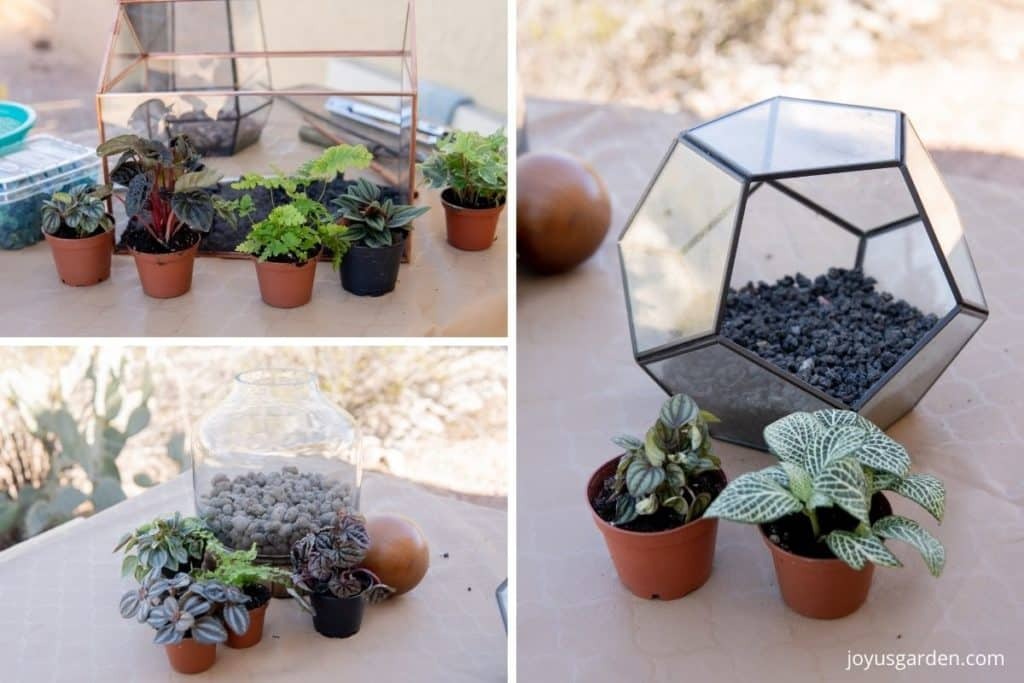
Selecting the right plants is crucial for a thriving and visually appealing terrarium. Careful consideration of their light and moisture needs, as well as their growth habits, will ensure your miniature ecosystem thrives. Matching plant choices to complement each other aesthetically enhances the overall beauty of your terrarium.Understanding the specific needs of the plants you choose is paramount to their survival and health within the enclosed environment.
Different species respond differently to the confined space and unique microclimate of a terrarium. A harmonious mix of plant types, reflecting their various needs and characteristics, is key to maintaining a balanced and visually appealing ecosystem.
Suitable Small Plants for Terrariums
A variety of small plants are well-suited for terrariums. These include species that are accustomed to humid environments and have relatively modest light requirements. Popular choices include ferns, mosses, small succulents, and certain types of air plants. The key is selecting plants with similar needs to maintain a healthy and balanced environment.
Comparing Plant Species
Different plant species exhibit diverse growth habits and water requirements. Some, like certain mosses, thrive in consistently moist conditions, while others, such as some succulents, are more tolerant of drier periods. Understanding these differences will help in creating a harmonious and stable environment for all the plants within the terrarium. For instance, a fern might need more frequent misting than a succulent, highlighting the importance of diverse water needs for a balanced ecosystem.
Visual Harmony
The aesthetic appeal of a terrarium is greatly enhanced by selecting plants that complement each other visually. Consider factors such as leaf shape, color, and texture when making your selections. Plants with contrasting or complementary colors and forms can create a dynamic and visually engaging display. For example, a vibrant green fern can beautifully complement the silvery-grey tones of certain succulents.
Ideal Light Conditions
The ideal light conditions for terrarium plants vary based on the specific species. Some plants, like ferns, prefer indirect, bright light, while others, such as certain mosses, can tolerate lower light levels. It is important to mimic the natural light conditions of the chosen plants as closely as possible within the confines of the terrarium. Too much direct sunlight can lead to scorching, while insufficient light can hinder growth.
A good rule of thumb is to choose plants that naturally thrive in similar light conditions, ensuring a supportive environment.
Plant Selection Table
| Plant Type | Light Requirements | Water Needs ||—|—|—|| Ferns | Indirect, bright light | Moderate to high || Mosses | Low to moderate light | High || Succulents | Bright, indirect light | Low to moderate || Air Plants | Bright, indirect light | Moderate |
Assembling the Terrarium
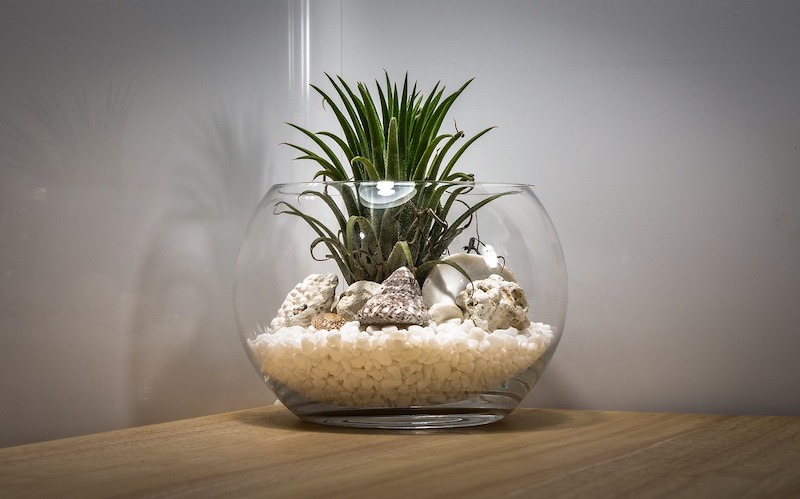
Creating a captivating terrarium is more than just arranging plants; it’s about meticulously crafting a miniature ecosystem. Proper assembly ensures the longevity and health of your chosen flora. This involves careful selection of materials, precise placement, and understanding the crucial role of sealing (or not sealing) the environment.Understanding the various assembly methods, whether closed, open, or partially sealed, is key to achieving a thriving miniature garden.
This section will guide you through the process, from selecting the container to ensuring the right environment for your plants.
Materials and Tools
A well-equipped toolkit is essential for successful terrarium creation. The specific materials needed depend on the type of terrarium you are building. Commonly used materials include:
- Container: Glass jars, bowls, or even repurposed containers are excellent choices. Consider the size and shape that best suits your plants and desired aesthetic.
- Plants: Select low-maintenance, compatible plants that thrive in the humidity and confined space. Consider factors like light requirements and water needs.
- Soil: A well-draining potting mix is crucial for healthy root development. Specialized terrarium mixes are available for added benefits.
- Decorative elements: River stones, pebbles, moss, or small figurines can add visual interest and create a unique atmosphere. Choose items that complement your plants and container.
- Tools: A small trowel, a spray bottle, and tweezers are useful tools for manipulating soil and plants.
Selecting and Preparing the Container
The container is the foundation of your terrarium. Carefully consider its shape, size, and overall suitability for your chosen plants.
- Shape and Size: Round, square, or rectangular containers are all viable options. The size should accommodate the plants and decorative elements you intend to use.
- Material: Glass containers are commonly used for their transparency, allowing you to admire the miniature ecosystem within. Other materials, such as plastic or ceramic, can also be suitable.
- Cleaning: Thoroughly clean the container to remove any dust, debris, or residues that might affect plant growth. Ensure it is completely dry before proceeding.
Assembling a Closed Terrarium
A closed terrarium creates a self-contained ecosystem, relying on the moisture and humidity within the container. It requires careful consideration of the environment.
Proper sealing is crucial for maintaining the humidity level required for many terrarium plants.
- Base Layer: Place a layer of drainage material, such as gravel or small stones, at the bottom of the container to improve drainage and prevent waterlogging.
- Soil Layer: Add a layer of appropriate terrarium soil, ensuring it is even and level. Leave some space at the top of the container for plants.
- Plant Placement: Carefully position the chosen plants in the soil, ensuring they are not overcrowded. Consider their growth habits and eventual size.
- Decorative Elements: Add any chosen decorative elements, such as stones, pebbles, or moss, to enhance the visual appeal.
- Sealing: Close the lid or cover of the terrarium. Maintaining a sealed environment will create the ideal conditions for your plants.
Assembling an Open or Half-Closed Terrarium
These types of terrariums offer a different aesthetic and require adjustments in the approach to assembly. They still need to be considered as ecosystems, but with less emphasis on the sealed environment.
- Open Terrarium: These terrariums are usually placed in areas with higher humidity levels. Less emphasis is placed on sealing, with more focus on maintaining moisture through regular misting.
- Half-Closed Terrarium: These terrariums use a partially sealed container, allowing for some air exchange. This approach strikes a balance between maintaining humidity and allowing for air circulation.
Maintaining Your Terrarium

Maintaining a thriving terrarium environment requires consistent attention and understanding of the delicate balance within. Proper care ensures your miniature ecosystem remains vibrant and healthy, showcasing the beauty of your chosen plants. This section will Artikel crucial factors for maintaining a healthy terrarium.
Watering Techniques
Maintaining the appropriate moisture level is paramount to terrarium health. Overwatering can lead to root rot and fungal issues, while insufficient watering can cause wilting and stress. Understanding the frequency and quantity of watering is key to success. The specific needs of your plants and the type of terrarium will influence these factors. A well-established terrarium will likely need less frequent watering than a newly set-up one.
Frequency and quantity depend on the specific plants, the size of the terrarium, and the environmental conditions. Observe your plants closely. Wilting or browning leaves can signal a need for water, while soggy soil suggests overwatering. Avoid overwatering, as this is often the more damaging of the two extremes. Use a watering can with a fine spray to gently moisten the soil, avoiding letting water pool on the surface.
Humidity Management
The humidity level within a terrarium is a critical factor influencing the health of the plants. Many plants thrive in high humidity, which helps maintain moisture levels in the soil and prevents excessive transpiration. A high humidity environment can be achieved by various methods. Misting the interior of the terrarium with a spray bottle is an effective technique.
Ensure to mist regularly, particularly during dry periods. Consider placing a tray of water inside the terrarium, but ensure the water does not come into direct contact with the plants’ roots to prevent root rot. The frequency of misting will depend on the type of plants and the ambient humidity in your home. Some terrariums, especially those with humidifying elements, might require less frequent misting.
If the plants are already displaying signs of dryness, then misting more frequently is appropriate.
Cleaning Procedures
Regular cleaning is essential for maintaining a clean and healthy terrarium environment. A buildup of debris, like dead leaves or decaying matter, can attract pests and negatively impact the overall health of the terrarium. The frequency of cleaning will depend on the accumulation of debris.
A gentle cleaning of the glass sides with a soft cloth and mild soap can remove dust and grime. Remove any dead or decaying plant matter promptly to prevent the spread of diseases. Cleaning tools should be chosen carefully, and tools should be cleaned thoroughly before use to avoid introducing pests or bacteria into the environment. Always use a soft brush for cleaning the terrarium surface and the plants themselves.
If necessary, consider using a small vacuum with a soft attachment.
Maintenance Troubleshooting
Issues may arise from improper care, and identifying and addressing them promptly is crucial. The table below Artikels common terrarium maintenance issues and their potential solutions.
| Problem | Solution |
|---|---|
| Wilting plants | Increase watering frequency, check for proper drainage, or adjust humidity levels. |
| Root rot | Reduce watering frequency, improve drainage, and ensure adequate aeration. |
| Pest infestation | Isolate affected plants, identify the pest, and use appropriate pest control methods. |
| Mold or mildew | Reduce humidity levels, improve ventilation, and remove any dead plant matter. |
| Yellowing leaves | Check for nutrient deficiencies, adjust lighting conditions, or inspect for pests. |
Troubleshooting and Common Mistakes
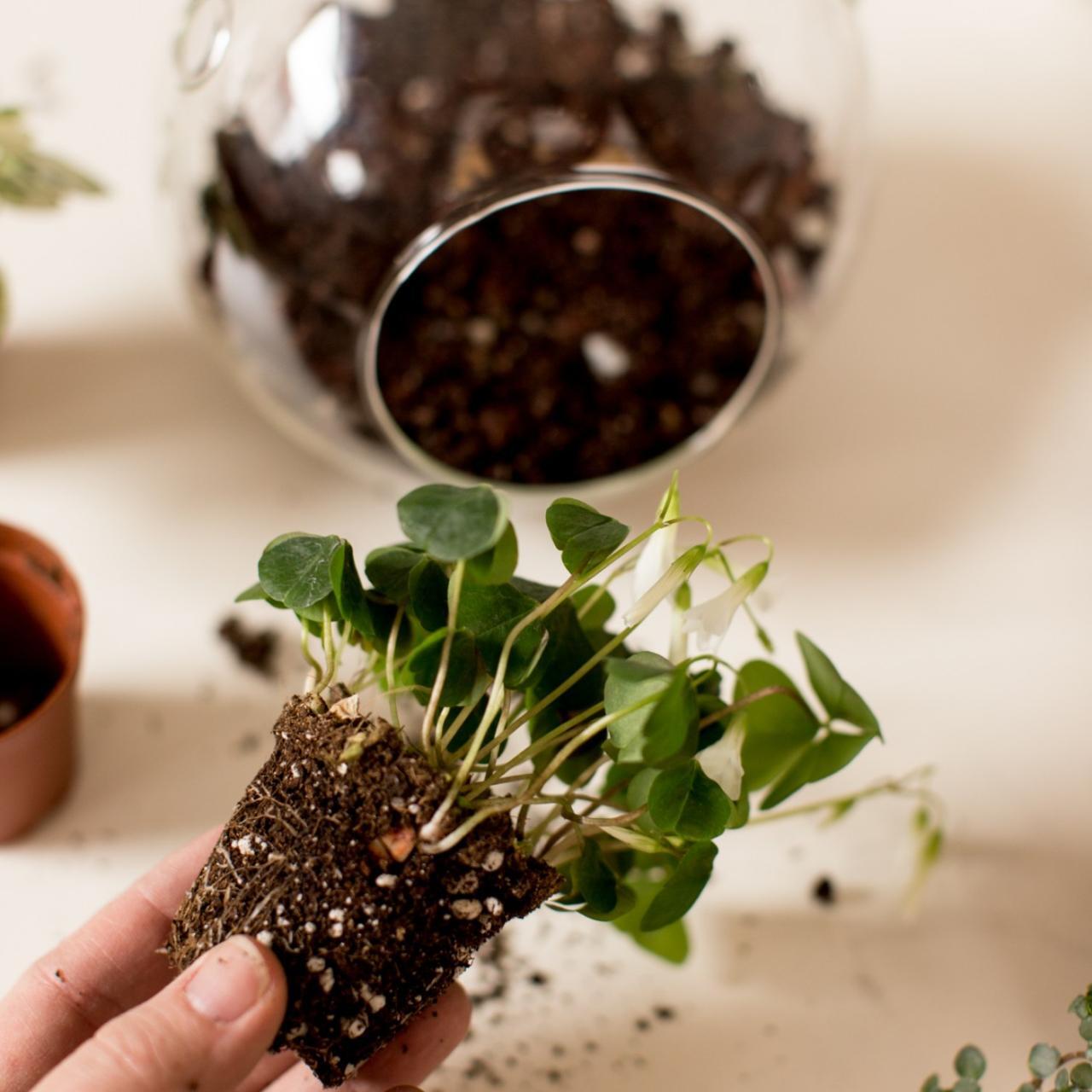
Maintaining a healthy terrarium environment requires vigilance and understanding of potential issues. Common problems, often stemming from improper care, can negatively impact plant health and the overall aesthetic of the terrarium. By identifying these problems early and implementing appropriate solutions, you can ensure a thriving ecosystem within your miniature garden.
Overwatering and Underwater
Overwatering and underwatering are two of the most frequent issues faced by terrarium enthusiasts. Both extremes can lead to significant problems for the plants. A delicate balance in watering is essential to maintain the optimal environment.
- Overwatering: Overwatering saturates the soil, depriving roots of oxygen. This leads to root rot, a fungal infection that can quickly kill the plants. Symptoms include wilting, yellowing leaves, and a mushy texture to the soil. To rectify overwatering, gently remove excess water from the tray, allow the soil to dry slightly between waterings, and ensure adequate drainage in the terrarium.
- Underwatering: Underwatering causes the soil to dry out completely, leading to dehydration in the plants. Plants may exhibit symptoms like browning or crispy leaves, and the soil may feel excessively dry. To address underwatering, thoroughly water the terrarium until water drains out of the drainage holes, allowing the soil to rehydrate. The frequency of watering will depend on the specific plants and the environment.
Pest and Disease Identification
Recognizing and addressing pests and diseases early is crucial to prevent widespread damage. Inspecting the plants and soil regularly for signs of these issues will help you act promptly.
- Pest Identification: Common pests in terrariums include aphids, mealybugs, and spider mites. Aphids appear as small, soft insects, often clustered on stems and leaves. Mealybugs are small, white, waxy insects, typically found on the undersides of leaves. Spider mites create fine webbing over leaves. The presence of these pests may cause leaf distortion or discoloration.
- Disease Identification: Fungal diseases are a frequent concern in terrariums, particularly due to high humidity. Symptoms include spots on leaves, discoloration, or wilting. Early detection of fungal infections is key, as swift action can prevent the spread of the disease to other plants. Root rot is a particularly serious disease and requires careful attention.
Pest and Disease Control Methods
Several methods can be used to combat pests and diseases. Choosing the right method depends on the severity of the infestation and the type of plants involved.
- Biological Control: Introducing beneficial insects like ladybugs can help control aphids and other pests. Neem oil and insecticidal soap can be used to control pests, but they must be used carefully, following the manufacturer’s instructions, to avoid harming beneficial insects or plants.
- Chemical Control: Using chemical pesticides should be a last resort, as they can harm the delicate ecosystem of the terrarium. If chemical treatment is necessary, choose products specifically designed for use on plants and follow the instructions precisely. Chemical treatments may disrupt the beneficial microbial life in the terrarium, so careful monitoring is essential.
Addressing Root Rot
Root rot, a fungal disease, can be devastating in terrariums. Its presence often signals issues with overwatering or poor drainage.
- Diagnosis: Root rot is often evident by the mushy texture of the roots and the presence of a foul odor emanating from the soil. Wilting, yellowing, and browning of the leaves are also telltale signs.
- Treatment: Remove the affected plant from the terrarium. Carefully trim away any diseased roots. Repot the plant in fresh, well-draining soil. Reduce watering frequency and ensure adequate drainage in the terrarium to prevent future occurrences.
Creative Terrarium Ideas
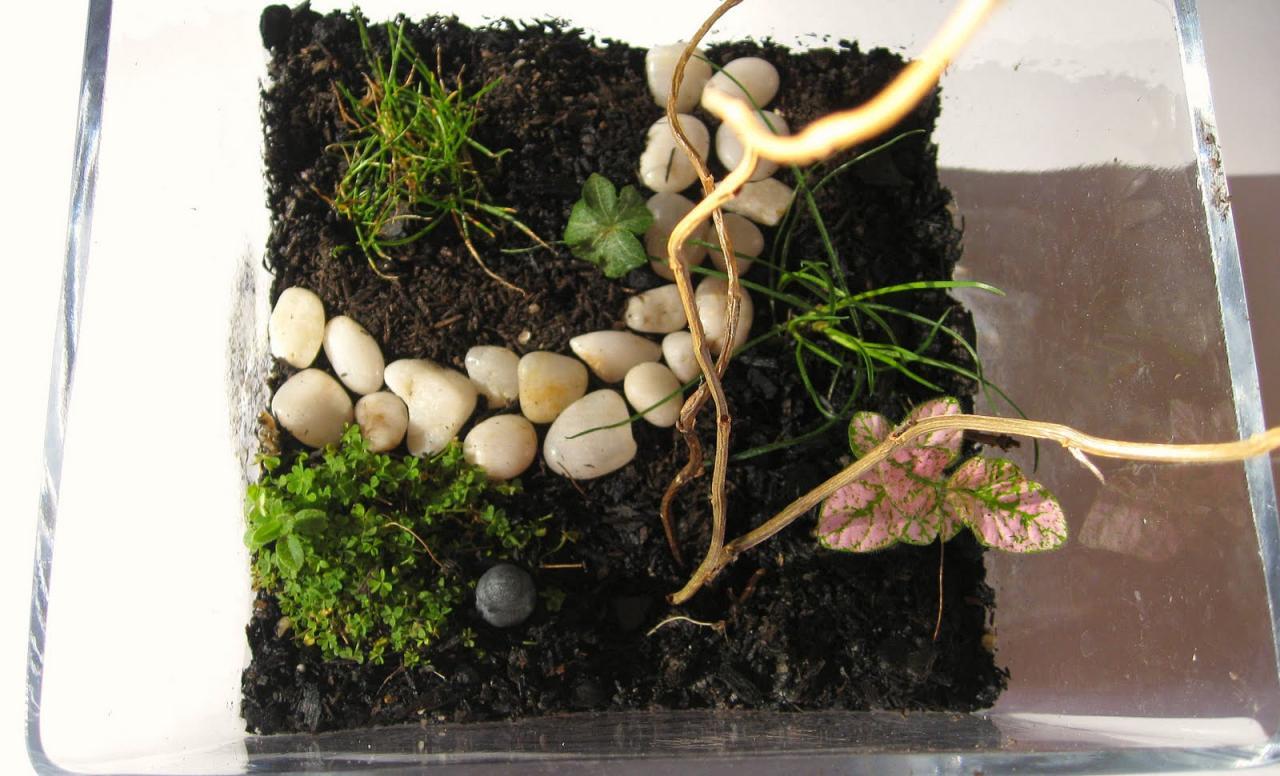
Terrariums offer a fantastic opportunity to showcase your creativity and personalize your small plant displays. Beyond the basic, straightforward designs, there’s a world of possibilities for unique and captivating terrariums. This section will explore innovative approaches to design, incorporating diverse materials and decorative elements.
Inspiring Design Ideas
A key aspect of creating a captivating terrarium lies in its design. Consider incorporating a specific theme, such as a miniature garden, a tropical rainforest, or a desert landscape. Each theme suggests a distinct aesthetic, influencing the selection of plants, rocks, and decorative elements. For instance, a desert terrarium might feature cacti, succulents, and light-colored stones, while a rainforest terrarium might include ferns, mosses, and vibrant colored pebbles.
Unusual and Interesting Terrarium Designs
Beyond traditional designs, consider innovative themes and layouts. A “miniature forest” terrarium could include small, intricately detailed trees, shrubs, and ground cover. A “mountain landscape” terrarium could feature miniature rock formations, moss, and small succulents. These unique designs allow for personalized expression and offer a compelling visual experience. The choice of theme directly impacts the selection of plants, materials, and overall aesthetic.
Incorporating Unique Elements
Adding unique elements can transform a simple terrarium into a truly captivating display. Consider incorporating miniature figurines, decorative rocks, or even small pieces of driftwood. These elements can serve as focal points, adding depth and character to the terrarium. For instance, a miniature watering can nestled amidst the plants of a garden terrarium adds a charming touch.
Creative Use of Materials
Rocks, stones, and other materials can dramatically enhance a terrarium’s visual appeal. Smooth river stones, polished pebbles, or even seashells can be used to create a specific ambiance. Colored glass pieces or tiny, decorative figurines can add an artistic touch. For example, incorporating translucent stones or colored glass can create a mesmerizing play of light within the terrarium.
Examples of Different Terrarium Styles
| Terrarium Style | Theme | Materials | Plant Choices |
|---|---|---|---|
| Miniature Garden | Rustic, charming | Small rocks, pebbles, decorative figurines | Various small herbs, flowering plants, miniature vegetables |
| Tropical Rainforest | Enchanted, lush | Dark-colored pebbles, moss, driftwood | Ferns, mosses, orchids, tropical foliage |
| Desert Landscape | Arid, dramatic | Light-colored stones, sand, cacti | Succulents, cacti, air plants, small desert shrubs |
| Coastal Scene | Relaxing, beach-inspired | Seashells, driftwood, light-colored sand | Coastal plants like sea grasses, succulents, air plants |
End of Discussion
In conclusion, creating a terrarium is a rewarding experience that combines artistry and horticulture. By understanding the intricacies of plant selection, terrarium assembly, and ongoing maintenance, you can cultivate a thriving miniature garden that brings both aesthetic pleasure and a sense of accomplishment. This comprehensive guide equips you with the knowledge to transform your home into a haven of miniature botanical wonders.