Unlock the secrets to vibrant, thriving houseplants! This guide provides a comprehensive overview of houseplant fertilization, from understanding basic plant nutrition to mastering the art of applying fertilizers correctly. Discover the nuances of different plant types and their specific nutrient needs, enabling you to tailor your fertilization approach for optimal growth.
We’ll explore various fertilizer types, delve into the crucial NPK ratios, and guide you through the precise application methods. Learn how to avoid common pitfalls like over-fertilization and achieve a balanced approach to nurturing your indoor greenery. From succulents to monsteras, this guide equips you with the knowledge to cultivate healthy and beautiful houseplants year-round.
Introduction to Houseplant Fertilization
Proper fertilization is crucial for the health and vibrant growth of houseplants. Just like humans need nutrients to thrive, plants require specific elements to flourish indoors. Understanding these needs and providing the right fertilizer can lead to lush, healthy foliage and a thriving indoor garden.Plant nutrition is the process by which plants absorb and utilize essential nutrients from their environment.
These nutrients, often found in fertilizers, are vital for various plant functions, including photosynthesis, cell growth, and overall development. The right blend of nutrients, in the correct quantities, fosters robust growth, vibrant colors, and a strong root system. The types of nutrients required depend greatly on the specific plant species.
Houseplant Nutritional Needs
Different houseplants have varying nutritional requirements. Some plants, like succulents, are adapted to survive in environments with limited nutrients, while others, like Monsteras, thrive on a richer nutrient supply. Understanding these differences is key to providing the appropriate care and fostering optimal growth. Matching the fertilizer to the plant’s needs ensures its continued health and prevents potential issues like nutrient deficiencies or toxic build-up.
Comparison of Houseplant Fertilizer Requirements
| Plant Type | Nutrient Needs | Fertilizer Recommendation |
|---|---|---|
| Succulents | Low | Slow-release fertilizer, applied sparingly during growing seasons. |
| Pothos | Medium | Balanced liquid fertilizer, diluted to half strength, applied every 2-4 weeks. |
| Monstera | High | Water-soluble fertilizer, diluted according to package instructions, applied every 2-4 weeks. |
Understanding the nutritional requirements of various houseplants allows for tailored care. Succulents, with their ability to store water and nutrients, require less frequent feeding than other types of houseplants. Balanced liquid fertilizers provide a good starting point for many plants, but adjustments might be necessary depending on the specific needs of the plant. For example, a Monstera, known for its vigorous growth, might benefit from a higher concentration of nutrients.
Types of Fertilizers for Houseplants
Choosing the right fertilizer is crucial for the health and vibrant growth of your houseplants. Different fertilizer types offer varying advantages and disadvantages, making informed selection essential. Understanding these differences empowers you to tailor your approach to the specific needs of each plant.
Liquid Fertilizers
Liquid fertilizers are a popular choice for houseplant enthusiasts due to their ease of application and readily available nutrients. They dissolve easily in water, making them simple to dilute and apply to the plant’s roots. This method allows for precise nutrient delivery, crucial for controlling the amount of nutrients absorbed by the plant.
Granular Fertilizers
Granular fertilizers, often in the form of small pellets or granules, offer a sustained-release effect, reducing the frequency of applications. This long-lasting action is particularly beneficial for busy plant owners. However, granular fertilizers can be more challenging to apply evenly, potentially leading to localized nutrient concentration.
Slow-Release Fertilizers
Slow-release fertilizers are designed to gradually release nutrients over an extended period, requiring less frequent application compared to liquid or granular options. This sustained nutrient release ensures a steady supply of essential elements to support consistent growth. This method can be advantageous for plants that require a constant nutrient supply but are not as demanding of immediate fertilization.
Comparison of Fertilizer Types
The effectiveness of various fertilizer types can differ depending on the plant species. For instance, fast-growing, vigorous plants may benefit more from liquid fertilizers that provide immediate nutrient access. Conversely, slower-growing plants or those with specific nutrient requirements might thrive better with the controlled release offered by slow-release formulations.
NPK Ratios
Many fertilizers use a three-number system (e.g., 10-20-10) to represent the ratio of nitrogen (N), phosphorus (P), and potassium (K). Nitrogen is essential for leaf growth, phosphorus promotes root development and flowering, and potassium supports overall plant health. Understanding these ratios is critical to selecting the appropriate fertilizer for a specific plant’s needs. For example, a fertilizer with a higher nitrogen content is ideal for plants with vigorous foliage growth, whereas a fertilizer with a higher phosphorus content is beneficial for plants producing flowers or fruit.
Table: Fertilizer Type Comparison
| Fertilizer Type | Pros | Cons |
|---|---|---|
| Liquid | Easy to apply, readily available nutrients, precise dilution, ideal for fast-growing plants | Can be messy, needs frequent application, risk of nutrient runoff if not diluted correctly |
| Granular | Long-lasting effect, less frequent application, cost-effective for large numbers of plants, can be stored easily | Can be difficult to apply evenly, potential for over-fertilization, localized nutrient concentration, can be hard to adjust dosages |
| Slow-release | Sustained nutrient release, convenient, less frequent application, reduced risk of over-fertilization, good for plants with specific nutrient requirements | Can be more expensive, may not meet immediate needs, may not be as effective for plants requiring immediate nutrient uptake, less adaptable to changing plant needs |
Understanding Fertilizer Formulas and Ratios
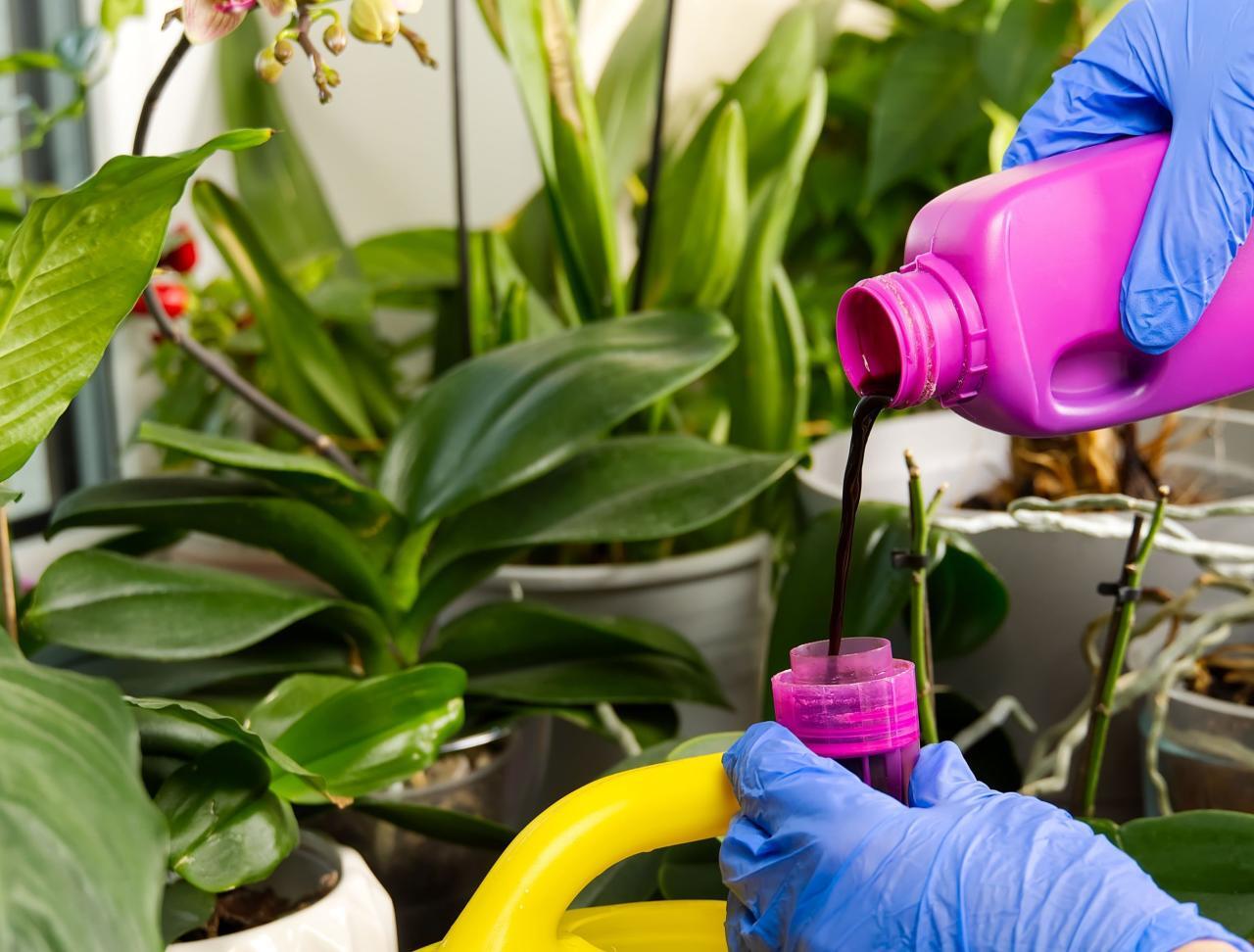
Fertilizers are crucial for promoting healthy growth in houseplants, providing the essential nutrients they need to thrive. Understanding the composition of these fertilizers, specifically the NPK ratios, is key to selecting the right product for your specific plants. A well-chosen fertilizer can significantly impact leaf development, root growth, and overall plant vigor.NPK ratios are numerical representations of the percentage of three primary nutrients in a fertilizer: Nitrogen (N), Phosphorus (P), and Potassium (K).
These nutrients play distinct roles in plant development. Understanding these roles allows you to select fertilizers tailored to the needs of your specific houseplants.
NPK Ratio Meaning and Significance
The NPK ratio, expressed as three numbers (e.g., 10-10-10), represents the percentage of Nitrogen, Phosphorus, and Potassium, respectively, in the fertilizer. A 10-10-10 fertilizer contains 10% Nitrogen, 10% Phosphorus, and 10% Potassium by weight. The remaining portion of the fertilizer typically consists of inert ingredients, such as fillers or stabilizers.
Importance of Each Nutrient
Nitrogen (N) is vital for leafy green growth and overall plant vigor.
It promotes the production of chlorophyll, the pigment essential for photosynthesis. A deficiency in Nitrogen can result in stunted growth and pale, yellowish leaves.
Phosphorus (P) is crucial for root development and flowering.
It strengthens root systems, allowing the plant to absorb water and nutrients more effectively. Phosphorus also plays a role in fruit and flower production. A deficiency can lead to weak root systems and reduced flowering.
Potassium (K) supports overall plant health and stress tolerance.
It strengthens stems and improves the plant’s resistance to diseases and environmental stresses. Potassium is also important for proper water regulation within the plant. A potassium deficiency may manifest as browning leaf edges or tips.
Choosing the Right NPK Ratio
The optimal NPK ratio depends on the specific needs of the plant. Plants with abundant foliage might benefit from a higher Nitrogen content, while those with small leaves might require a higher Phosphorus content for root development. A balanced ratio like 10-10-10 is generally suitable for most houseplants. However, specific plant types may have unique requirements.
Examples of Specific Fertilizers and Their NPK Ratios
Many fertilizers are available in various formulations. For instance, a common houseplant fertilizer is a 20-10-20 formula, which provides a balanced blend of all three nutrients. Alternatively, a fertilizer with a higher Nitrogen content, like 25-5-10, might be suitable for plants with abundant foliage, encouraging lush green growth.
Table Demonstrating Effects of Different NPK Ratios on Plant Growth
| NPK Ratio | Effect on Plants | Suitable Plant Types |
|---|---|---|
| 10-10-10 | Balanced nutrient supply | Most houseplants |
| 15-5-10 | More Nitrogen for leaf growth | Plants with abundant foliage (e.g., ferns, pothos) |
| 5-15-10 | More Phosphorus for root development | Plants with small leaves or needing strong roots (e.g., orchids, succulents) |
Applying Fertilizers Correctly
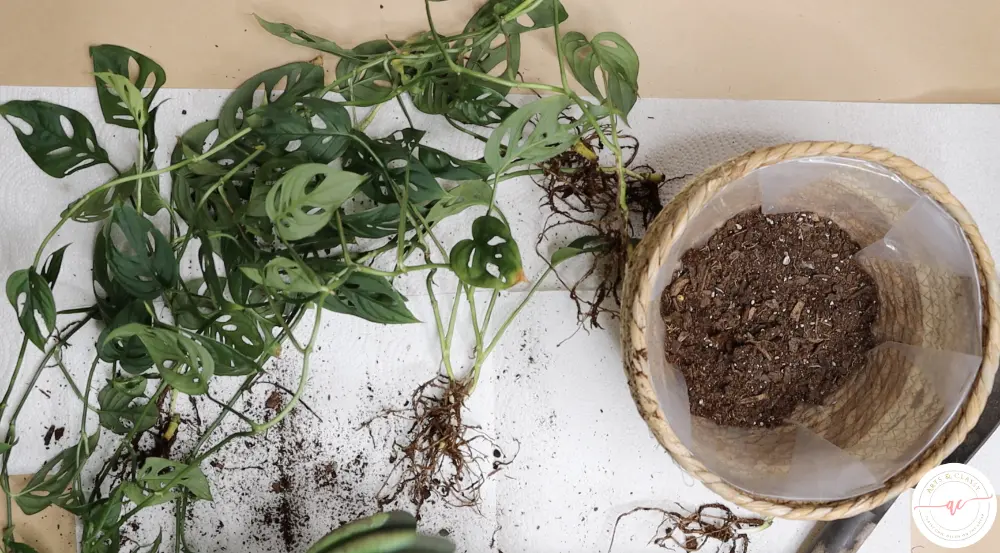
Proper fertilizer application is crucial for maximizing your houseplants’ growth and overall health. A well-timed and correctly measured application of fertilizer can significantly impact the development and vigor of your indoor greenery. Incorrect application, on the other hand, can lead to undesirable consequences like fertilizer burn or stunted growth. This section details the key aspects of applying liquid, granular, and slow-release fertilizers, emphasizing essential practices for successful plant nutrition.Applying fertilizer is a delicate process.
Understanding the correct methods, dosage, and timing is essential to prevent damage and promote optimal growth. Follow these guidelines carefully to ensure your houseplants thrive.
Liquid Fertilizer Application
Liquid fertilizers are a common choice for houseplants due to their ease of use and precise application. Proper dilution is vital to avoid damaging the roots. Always follow the manufacturer’s instructions for dilution ratios. Over-concentrated solutions can cause significant harm.
- Prepare the solution: Dilute the liquid fertilizer according to the manufacturer’s instructions. A general guideline is to use a diluted solution, often 1/4 to 1/2 the recommended strength.
- Watering technique: Use a watering can or spray bottle to apply the diluted solution to the soil around the plant. Avoid getting the solution on the leaves, as this can cause leaf burn.
- Watering schedule: Apply liquid fertilizer during periods of active growth, typically spring and summer. Reduce or stop fertilization during dormancy periods.
Granular Fertilizer Application
Granular fertilizers are another popular choice, offering a slow-release approach. Correct application involves careful placement and subsequent watering.
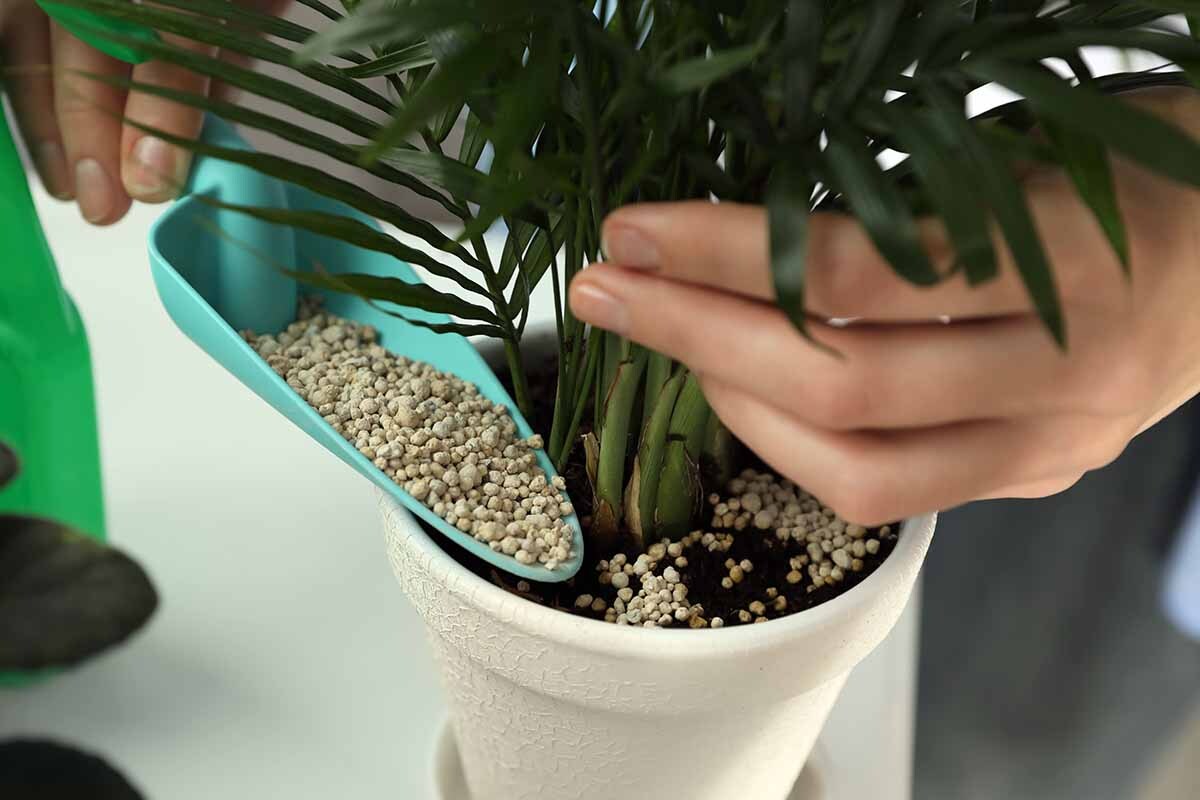
- Placement: Sprinkle the granular fertilizer evenly around the base of the plant, avoiding direct contact with the stems or leaves.
- Watering: Thoroughly water the area after application to dissolve the granules and prevent them from accumulating on the surface, potentially causing issues.
- Avoid over-application: Use the recommended amount based on the size and needs of your plant. Avoid excessive amounts, which can lead to nutrient imbalances.
Slow-Release Fertilizer Application
Slow-release fertilizers are designed for extended nutrient delivery. Their application method is different from liquid or granular options.
- Placement: Insert the slow-release fertilizer pellets or granules into the soil around the base of the plant. Follow the manufacturer’s instructions regarding the number of pellets or granules per plant.
- Watering: Water thoroughly after application. This is crucial for the proper distribution of the nutrients.
- Frequency: Slow-release fertilizers are often used less frequently than liquid or granular options, usually once a month or every few months, depending on the product.
Watering Before and After Fertilizing
Watering before and after fertilizing is critical. Watering before application helps dissolve the fertilizer and ensures the plant can absorb the nutrients. Watering after application helps flush the fertilizer into the soil and prevents fertilizer burn.
Calculating Fertilizer Dosage
Calculating the correct dosage is essential to avoid over-fertilizing. The appropriate dosage depends on the plant type, its size, and the specific fertilizer. Consult the fertilizer packaging for specific guidelines and dosage recommendations.
The formula for determining the correct dosage often includes factors like plant size, soil type, and the desired nutrient level.
Avoiding Fertilizer Burn
Over-fertilizing is a common mistake that can lead to fertilizer burn. Symptoms of fertilizer burn include yellowing, browning, or scorching of leaves. To avoid fertilizer burn:
- Use diluted solutions: Dilute liquid fertilizers to the recommended strength, especially for plants not accustomed to frequent fertilization.
- Apply fertilizer to moist soil: Water the plant thoroughly before and after fertilizing.
- Monitor plant reactions: Observe the plant’s response to fertilizer applications. Adjust the frequency or strength if necessary to avoid any adverse reactions.
Fertilizing Schedules and Timing
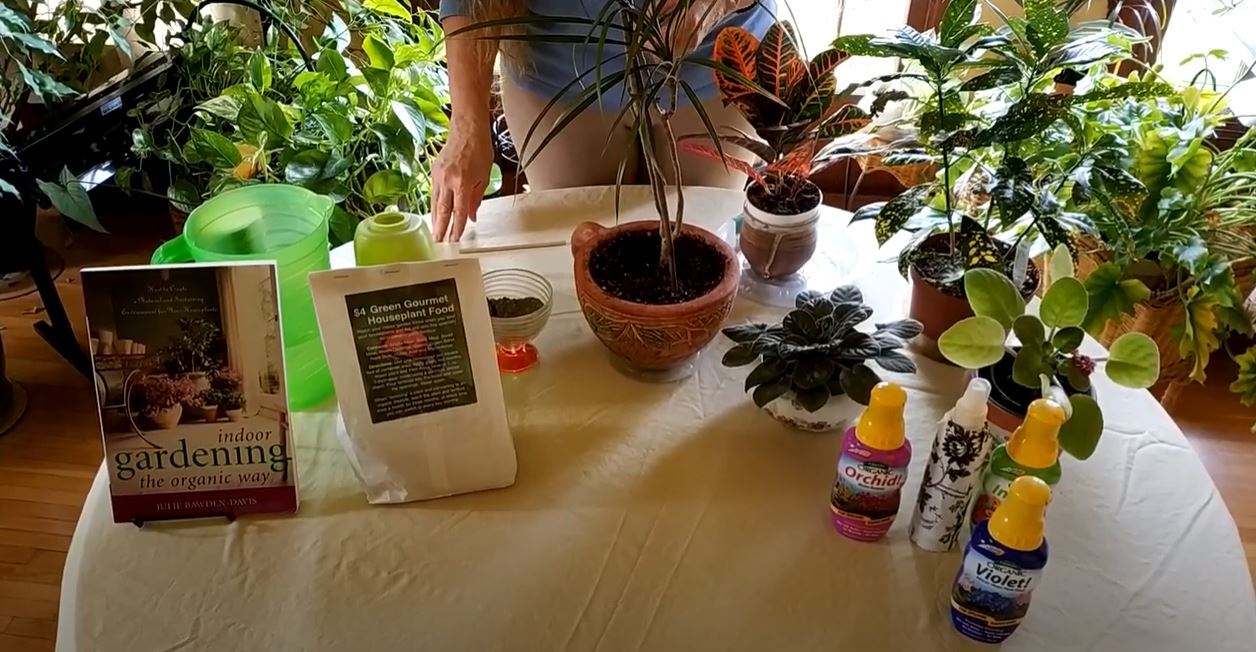
Proper fertilization timing is crucial for optimal houseplant growth. It’s not simply about applying fertilizer; it’s about understanding the plant’s needs at various stages of its life cycle. This knowledge ensures that nutrients are available when the plant is actively using them, maximizing growth and preventing unnecessary stress.Understanding the plant’s growth stage, whether it’s actively growing, resting, or flowering, is essential to developing a suitable fertilization schedule.
Different plants have different requirements, and the frequency and amount of fertilizer will vary depending on the time of year. This section delves into the ideal fertilization schedules for various houseplant types, considering the critical factor of the plant’s growth stage and the specific needs of each season.
Ideal Fertilization Schedules for Different Plant Types
Fertilization schedules should align with the plant’s natural growth patterns. Active growth periods, typically spring and summer, require more frequent applications of fertilizer. Conversely, dormant periods, such as winter, often necessitate less or no fertilization. This approach ensures that the plant receives the right amount of nutrients at the right time, promoting healthy growth and preventing nutrient burn.
Considering Growth Stages
Plants in their active growth stages, usually spring and summer, benefit from regular fertilization to support the development of new leaves, stems, and roots. The frequency of application depends on the specific plant type. Conversely, during dormancy, often in winter, plants require significantly less fertilizer, as their growth slows considerably. In this phase, over-fertilization can harm the plant.
Fertilizing During Different Seasons
Spring and summer are the periods of most vigorous growth for most houseplants. Fertilizing during these seasons supports the plant’s growth, and the frequency is usually higher than during other times of the year. In autumn, fertilization should be reduced, and in winter, it’s often best to cease fertilizing altogether. This aligns with the plant’s natural cycle, promoting healthier growth and preventing potential issues.
Comparing Active Growth and Dormancy
The nutritional requirements of houseplants differ significantly between active growth and dormancy. During active growth (spring and summer), plants absorb nutrients at a faster rate, requiring more frequent fertilization. Conversely, during dormancy (winter), nutrient uptake slows, and infrequent or no fertilization is often sufficient. Ignoring this difference can lead to nutrient imbalances and potentially harm the plant.
Best Time to Fertilize Different Houseplant Types
The following table provides a general guideline for fertilizing various houseplant types, considering their typical growth stages. It’s essential to remember that these are general guidelines, and specific needs may vary based on the plant’s variety and environmental conditions.
| Plant Type | Growth Stage | Fertilization Frequency |
|---|---|---|
| Flowering plants | Spring/Summer | Every 2-4 weeks |
| Foliage plants | Spring/Summer | Every 4-6 weeks |
| Dormant plants | Winter | Less frequent or not at all |
Troubleshooting Common Fertilizer Issues
Proper fertilization is crucial for healthy houseplant growth, but issues can arise. Understanding common problems and their solutions empowers you to maintain thriving indoor gardens. This section details how to identify and address nutrient deficiencies, over-fertilization, and the significance of water quality.
Identifying Nutrient Deficiencies
Nutrient deficiencies manifest as visible symptoms on the plants. Careful observation allows for early diagnosis and targeted solutions. Visual cues can indicate which nutrients are lacking.
- Nitrogen Deficiency: Plants may exhibit pale, yellowish-green foliage, particularly on older leaves. Growth may be stunted, and overall vigor reduced. A lack of nitrogen can manifest as a general lack of healthy green colour in the leaves.
- Phosphorus Deficiency: Older leaves might display a reddish or purplish discoloration, often accompanied by slow growth and poor flowering. Plants might appear to struggle in overall growth and development, potentially showing a purple or reddish hue in the older leaves.
- Potassium Deficiency: Leaf margins may exhibit browning or scorching, often starting from the tips or edges. The plant may display overall weakness and be more susceptible to diseases. These symptoms might manifest as a browning or scorching of the leaf edges, especially at the tips.
- Iron Deficiency: Interveinal chlorosis, a yellowing between the leaf veins, is a common sign. The veins remain green, while the spaces between them turn yellow. The plants might struggle in producing the necessary pigments and show interveinal yellowing.
Correcting Over-Fertilization
Over-fertilizing can harm houseplants, leading to salt buildup in the soil. This can impede nutrient uptake and cause damage. Addressing this issue promptly is essential.
- Flush the Soil: Thoroughly water the plant with plain water until it drains from the pot’s drainage holes. This helps to leach excess salts from the soil. Repeat this flushing process several times to effectively remove the excess fertilizer.
- Reduce Fertilizer Frequency: If over-fertilization is a recurring problem, adjust the fertilization schedule to less frequent applications. A lower concentration of fertilizer can also be used, maintaining the appropriate ratio of nutrients in the soil.
- Use Less Fertilizer: Ensure the amount of fertilizer you use is appropriate for the size and needs of the plant. Following the manufacturer’s instructions carefully is crucial. Use the appropriate amount of fertilizer to avoid any excess.
Importance of Water Quality
Water quality plays a significant role in houseplant health. Hard water, containing high mineral content, can interfere with nutrient absorption. Soft water is ideal for optimal plant growth.
- Water Source Considerations: If you use tap water, consider using a water filter to remove minerals and improve water quality. Tap water contains minerals that can accumulate in the soil and potentially interfere with the nutrients from the fertilizer.
- Rainwater Collection: Collecting rainwater is an excellent option. It’s naturally soft and free of harmful minerals. Rainwater collection is a readily available and cost-effective way to improve the quality of the water used for watering your plants.
- Distilled Water: Distilled water is another option for use with houseplants, although it lacks minerals. However, it is an effective choice for plants that require very pure water, especially those that are sensitive to mineral buildup.
Last Recap
In conclusion, successful houseplant fertilization hinges on understanding individual plant needs and employing the appropriate techniques. By tailoring your approach based on plant type, fertilizer type, and application method, you can ensure your houseplants flourish. This guide provides a comprehensive framework to help you navigate the world of plant nutrition and achieve optimal growth. Remember to monitor your plants closely and adjust your fertilization strategy as needed for continued success.