Sunburnt houseplants can be a common problem, often stemming from improper light exposure. This comprehensive guide provides a detailed approach to identifying, understanding, and resolving sun damage, ensuring your beloved indoor plants thrive. From recognizing the symptoms to implementing long-term care strategies, we’ll cover every aspect of bringing your sunburnt plant back to its best.
We’ll delve into the causes of sunburn, ranging from intense direct sunlight to sudden shifts in light conditions. Understanding these factors is crucial for preventing future damage. Furthermore, we’ll offer immediate actions to take when you first notice the issue, including safe relocation and protection techniques. This guide will equip you with the knowledge and tools to address various degrees of sunburn, promoting healthy plant growth and longevity.
Identifying Sunburn Symptoms
Sunburn in houseplants, much like sunburn in humans, is a reaction to excessive exposure to sunlight. Recognizing the symptoms is crucial for prompt treatment and preventing further damage. Understanding the differences between sunburn and other potential issues allows for targeted solutions and improved plant health.Identifying the cause of leaf discoloration or damage is essential for effective treatment. A precise diagnosis enables appropriate actions to be taken, whether it’s adjusting light exposure, addressing pest infestations, or ensuring proper watering techniques.
Common Signs of Sunburn
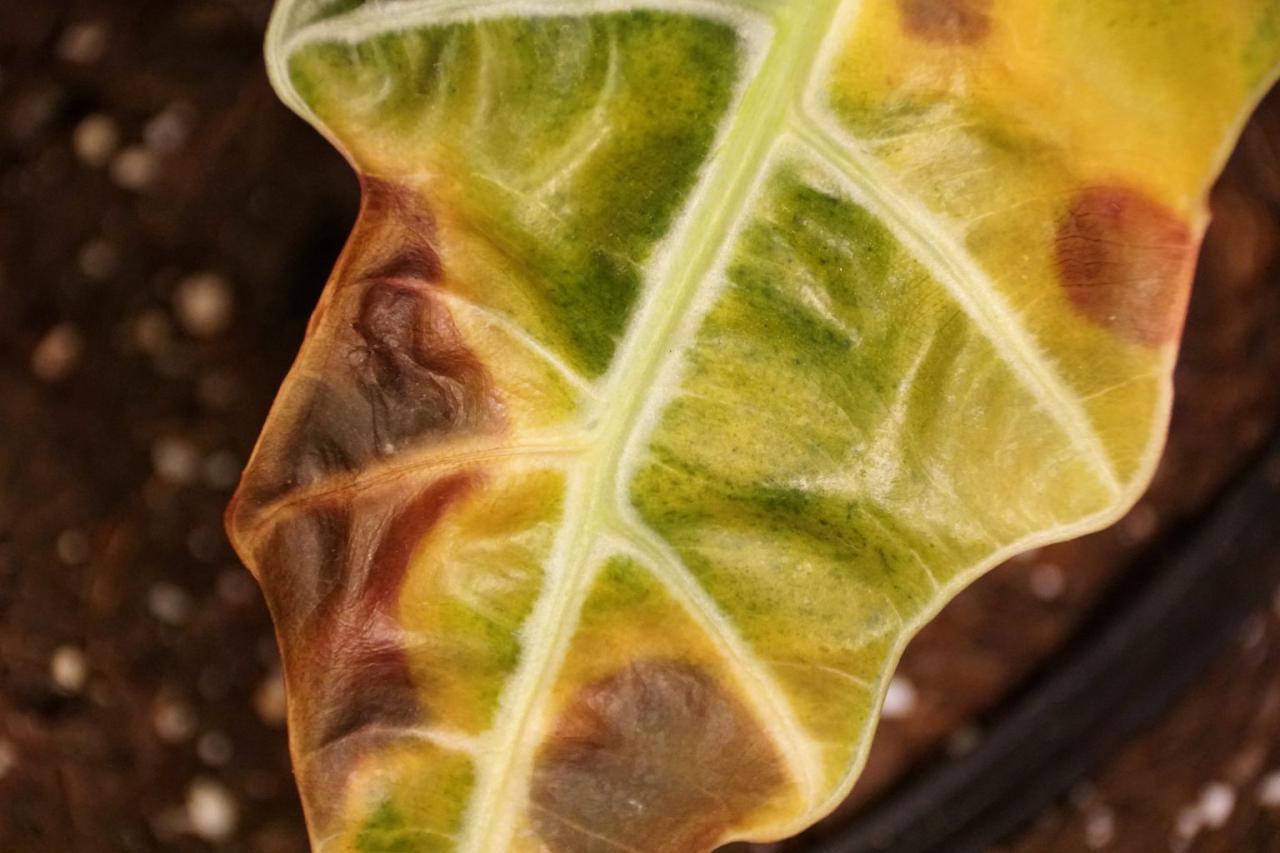
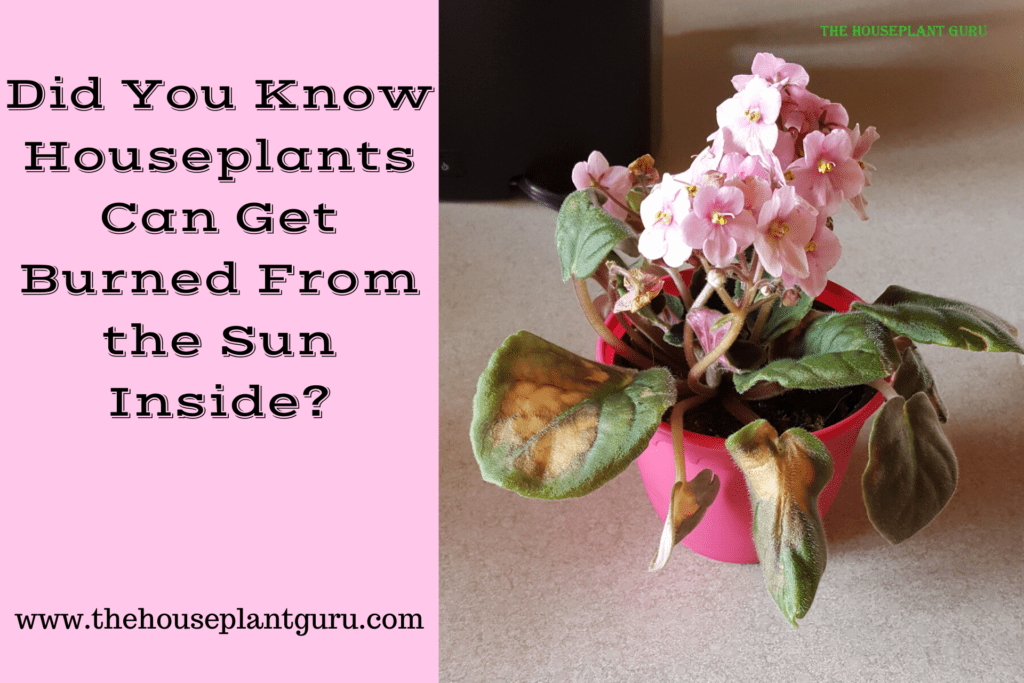
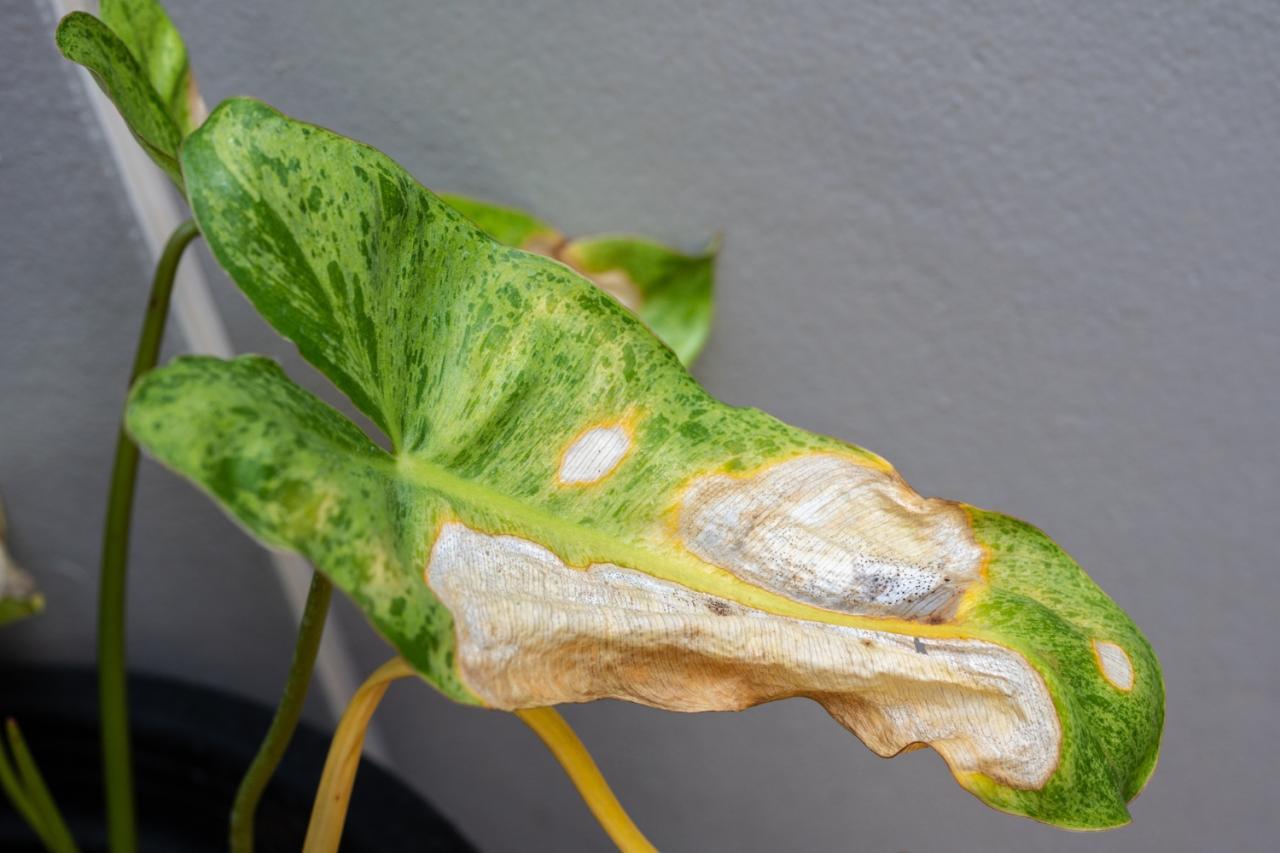
Sunburnt leaves often exhibit noticeable changes in their appearance. These changes can range from mild discoloration to severe damage, depending on the severity and duration of exposure. A key characteristic is the development of specific patterns on the affected leaves.
- Discoloration: Sunburnt leaves frequently show a bleaching effect, turning a lighter shade of green or yellow, sometimes with reddish or brownish tints, particularly along the edges or tips of the leaves. This is a noticeable change from the normal healthy green hue of the plant’s foliage.
- Leaf Tissue Damage: Sunburned areas on the leaves might display crisping, browning, or scorching. This damage often progresses from the edges or tips of the leaves towards the center. The leaf tissue may become dry and brittle.
- Stem Damage: In severe cases, stems might also exhibit signs of sunburn, appearing bleached or scorched. This is often less visible than leaf damage, but it can be a critical indicator of severe sun exposure.
- Overall Plant Appearance: A sunburnt plant may appear wilted or droopy, even if the soil moisture is appropriate. The overall vigor and health of the plant may be noticeably reduced.
Visual Examples of Sunburn
Imagine a houseplant with leaves that have a bleached, almost white, appearance along the upper surfaces. Alternatively, picture a plant with edges of leaves turning a reddish-brown color, contrasting sharply with the healthy green center of the leaves. In some cases, the affected leaves might curl or droop, indicating severe damage. Notice the pattern of the damage – it’s often more pronounced on the side of the leaf facing the light source.
The affected areas might show a crispy, almost papery texture, contrasted with the more supple texture of healthy leaves.
Distinguishing Sunburn from Other Problems
It’s important to differentiate sunburn from other issues, such as pests, nutrient deficiencies, or improper watering. The visual patterns, as described above, can help distinguish sunburn from other problems. Comparing the symptoms with those of common issues, such as underwatering or overwatering, can help to identify the cause accurately.
Comparison Table: Sunburn vs. Watering Issues
| Characteristic | Sunburn | Underwatering | Overwatering |
|---|---|---|---|
| Leaf Appearance | Bleaching, browning, crisping, especially at edges/tips; often with reddish or brownish tints | Wilting, drooping, crispy, brown tips; leaves may be dull | Yellowing, mushy, or soft leaves; root rot may appear as mushy or dark roots |
| Stem Appearance | Bleaching, scorching, and browning on stems | Usually unaffected initially, but wilting may extend to the stems | Stems may appear mushy or soft; rot may appear in stems |
| Plant Vigor | Reduced vigor; plant may appear generally weaker | Reduced vigor, slow growth; may appear stressed | Reduced vigor, slow growth; may appear stressed; potential for root rot |
| Overall Pattern | Damage often more pronounced on sides facing light source | Uniform wilting; possible leaf drop | Yellowing throughout the plant; mushy/soft feel |
Determining the Cause of Sunburn
Understanding the reasons behind sunburnt houseplants is crucial for effective treatment and prevention. Identifying the root cause allows for targeted solutions, promoting the plant’s recovery and long-term health. Often, the culprit is not as straightforward as simply too much light, but rather a combination of factors related to the plant’s needs and the environment.A thorough examination of the light conditions, plant placement, and any recent changes in exposure is vital.
This will guide the process of restoring the plant to optimal health.
Common Reasons for Sunburn
Several factors can contribute to sun damage in houseplants. Understanding these common causes helps in identifying the triggers and implementing preventative measures. Improper light conditions are frequently cited as the main cause.
- Excessive Direct Sunlight: Many houseplants thrive in bright, indirect light. Direct sunlight, especially during peak hours, can scorch leaves, resulting in visible damage. This is particularly true for plants accustomed to shaded environments. Examples include succulents that might have been moved to a sunny windowsill, or ferns relocated to a brightly lit area.
- Sudden Changes in Light Exposure: A dramatic shift from a shaded area to a brightly lit space can shock the plant, leading to sunburn. This is often a common mistake when repotting or re-arranging houseplants.
- Insufficient Watering: Plants that are not adequately hydrated are more susceptible to sun damage. Dehydrated leaves lose their ability to regulate water loss, making them more vulnerable to scorching from sunlight.
- Inadequate Ventilation: Plants in confined spaces, or those lacking proper airflow, experience increased temperatures. This heat stress exacerbates the effects of direct sunlight, increasing the risk of sunburn.
Light Intensity and Duration
The intensity and duration of light significantly impact a plant’s health. Plants require specific light conditions to thrive. Understanding these needs is key to preventing sunburn.
- Light Intensity: Different plants have varying light requirements. A plant accustomed to low light may suffer severe damage from intense light, whereas a plant requiring bright light may not receive adequate light in low-intensity environments.
- Light Duration: The amount of time a plant is exposed to light affects its growth and development. Prolonged exposure to intense light can lead to sunburn, especially if the plant isn’t accustomed to that level of exposure.
Direct vs. Indirect Sunlight
The distinction between direct and indirect sunlight is crucial in plant care. Different plant types respond differently to each type of light.
| Plant Type | Preferred Light | Effect of Direct Sunlight |
|---|---|---|
| Tropical plants (e.g., ferns, orchids) | Bright, indirect light | Can lead to severe leaf burn and desiccation |
| Succulents and cacti | Bright, direct sunlight | Generally tolerate direct sunlight, but excessive exposure can still cause damage |
| Most flowering plants | Bright, indirect light | Can cause leaf scorch if exposed to intense direct sunlight for extended periods |
Sudden Changes in Light Exposure
Sudden alterations in light conditions can severely impact a plant’s health. A gradual transition is essential for acclimatization.
Plants react differently to sudden changes in light conditions, leading to stress and increased vulnerability to sunburn.
A gradual shift from shade to sun or vice-versa allows the plant to adjust its internal processes and mitigate the shock.
Plant Placement and Light Sources
Careful plant placement in relation to windows and light sources is vital for plant health. The position of the plant and the type of light source can significantly affect the plant’s health.
- Window Placement: East-facing windows offer morning sun, while west-facing windows provide afternoon sun. South-facing windows provide intense, all-day sun. North-facing windows offer the least intense light. Carefully consider the window’s orientation and light intensity when choosing a location for your plant.
- Light Source Types: Different light sources, such as grow lights, can have varying intensities. Understanding the light output of the source is essential for preventing sunburn.
Immediate Actions to Take
Prompt action is crucial when a houseplant exhibits signs of sunburn. Early intervention can significantly mitigate damage and improve the plant’s chances of recovery. Ignoring the issue can lead to irreversible harm and potentially loss of the plant.Effective immediate actions involve a combination of relocation, protection, and supportive care. By understanding the specific steps involved, you can ensure your sunburnt houseplant has the best possible chance of regaining its health.
Relocating Sunburnt Plants
Immediate relocation to a shadier location is essential to prevent further damage. The ideal new location should offer adequate indirect light, avoiding direct sunlight. This process often involves moving the plant away from a window or a south-facing spot, potentially to a location further into the room or to a different room altogether.
Protecting Plants from Further Sun Damage
Protecting the plant from further sun exposure is vital for recovery. This might involve using sheer curtains or blinds to diffuse the light entering the room, or simply moving the plant away from the direct path of sunlight. In severe cases, a temporary shade cloth or similar protective covering can shield the plant from intense light.
Immediate Plant Care Procedure
| Step | Action | Rationale |
|---|---|---|
| 1 | Assess the damage. | Determine the extent of the sunburn. Observe the affected leaves for discoloration, wilting, or browning. |
| 2 | Relocate to a shadier location. | Prevent further damage by removing the plant from direct sunlight. Indirect or filtered light is crucial. |
| 3 | Reduce watering frequency. | Sunburned plants often experience stress, and excessive watering can worsen the situation. Water only when the top inch of soil feels dry. |
| 4 | Maintain consistent humidity. | Ensure the plant has adequate humidity, which aids recovery. |
| 5 | Monitor for signs of improvement or worsening. | Regularly check the plant for signs of recovery, such as new growth or reduced damage. Document changes to track progress. |
| 6 | Provide support if necessary. | If the plant is leaning or struggling to stand, provide support using stakes or other appropriate methods. |
| 7 | Apply a protective barrier (optional). | Covering the plant with a shade cloth can offer additional protection from direct sunlight. |
Long-Term Care Strategies
Preventing future sunburn requires a proactive approach that considers the plant’s specific needs and the environment in which it resides. Understanding how to adjust the plant’s surroundings, including light exposure, placement, and container choice, is crucial for long-term health and well-being. These adjustments help mitigate the risk of recurring sunburn.Maintaining a consistent and suitable environment for the plant is paramount in preventing future sunburn incidents.
This involves careful consideration of the plant’s specific light requirements and gradual acclimation to new conditions. Appropriate adjustments to the plant’s surroundings will significantly reduce the likelihood of future issues.
Adjusting Light Exposure
Gradually acclimating plants to new light conditions is essential to avoid damaging them. Sudden shifts in light intensity can cause stress and sunburn. A slow transition allows the plant to adjust its internal processes, minimizing the risk of damage.
- Begin by gradually introducing the plant to the desired light level. Over a period of several days, slowly increase the amount of light the plant receives. For example, if a plant is accustomed to bright, indirect light, move it to a slightly brighter spot each day until it is accustomed to the new location.
- Observe the plant’s response closely. Signs of stress, such as yellowing leaves or wilting, indicate that the adjustment is too rapid. Reduce the light exposure and allow the plant to recover before proceeding with further adjustments.
- Consider the time of day when the plant receives direct sunlight. If the plant is exposed to intense midday sun, it may experience more severe sunburn. Adjust the plant’s position to minimize midday sun exposure. For example, a plant placed near a south-facing window may require shading during the hottest part of the day.
Choosing Appropriate Lighting Conditions
Different plant species have varying light requirements. Understanding these differences is crucial for selecting the proper lighting conditions. Incorrect lighting can lead to a variety of issues, including sunburn.
| Plant Type | Light Requirements |
|---|---|
| Succulents | Bright, direct sunlight is typically required. |
| Ficus | Bright, indirect light. Direct sunlight can cause leaf burn. |
| Pothos | Indirect light to partial shade. Avoid direct sunlight. |
Understanding the light preferences of different plant species allows for the creation of a suitable environment for each plant.
Modifying Plant Placement
Strategic placement of the plant can significantly reduce the risk of sunburn. Understanding the direction of sunlight and the intensity of light at different times of the day is essential for successful plant placement.
- East-facing windows provide morning sun, which is generally less intense than afternoon sun. This is a good choice for plants that need bright, indirect light.
- West-facing windows receive the most intense afternoon sun. If a plant requires less intense light, consider placing it on the west side of a room. Many plants can tolerate a few hours of afternoon sun, but more delicate plants may require shade during the hottest part of the day.
- South-facing windows receive strong sunlight throughout the day. South-facing windows are best suited for plants that thrive in bright, direct light.
Selecting Appropriate Pots and Containers
The type of pot or container can influence the plant’s susceptibility to sunburn. Certain materials absorb and retain heat more readily than others, potentially contributing to increased temperatures around the roots.
- Choose pots that are made from materials that don’t absorb heat as readily. Dark-colored pots tend to absorb more heat than light-colored ones. For example, a terracotta pot may absorb more heat than a white plastic pot. Consider materials such as ceramic or glazed terra cotta.
- Ensure the pot has adequate drainage holes to prevent waterlogging. Waterlogging can lead to root rot, which can increase the plant’s vulnerability to stress and sunburn.
- Consider the size of the pot. A pot that is too small can restrict root growth, making the plant more susceptible to stress. Overwatering can occur if the pot is too small.
Advanced Troubleshooting and Recovery
Severe sunburn on houseplants can lead to significant damage, potentially impacting the plant’s long-term health. Advanced techniques and tailored care are often necessary to revive severely affected plants and minimize the impact of the damage. Understanding the severity of the burn, identifying secondary issues, and employing appropriate recovery methods are crucial for successful rehabilitation.A comprehensive approach to recovery involves a nuanced understanding of the plant’s condition, careful monitoring, and the implementation of specific treatments.
Proper identification of the cause of the burn, whether it be direct sunlight, inadequate shade, or a combination of factors, is paramount to crafting an effective recovery plan. Implementing a tailored approach, combining immediate actions with long-term strategies, significantly enhances the plant’s chances of recovery.
Reviving Severely Sunburnt Plants
To revive severely sunburnt plants, a phased approach is recommended. Initially, assess the extent of the damage. Identify affected leaves, noting the degree of discoloration and tissue damage. Severely affected leaves may require removal to prevent further stress on the plant and to promote healthy regrowth. This process should be conducted with caution, avoiding excessive pruning that could weaken the plant further.
Treating Different Degrees of Sunburn
The severity of the burn dictates the recovery method. Mild sunburn, characterized by a slight discoloration of leaves, often responds well to a combination of improved light conditions and increased humidity. For moderate burns, encompassing a significant portion of the foliage, a more aggressive approach may be necessary, including strategic pruning, enhanced humidity, and potentially supplemental nutrients to stimulate recovery.
Severe burns may necessitate more drastic measures, including relocating the plant to a shadier environment and monitoring for any signs of fungal infections or other secondary issues.
Comparing Plant Recovery Methods
| Recovery Method | Description | Suitability |
|---|---|---|
| Shade Adjustment | Adjusting the plant’s location to a less direct sunlight environment. | Mild to moderate sunburn. Effective for preventing further damage. |
| Increased Humidity | Increasing the humidity around the plant, such as by grouping plants or using a humidifier. | Mild to moderate sunburn. Helps maintain moisture and prevent further dehydration. |
| Strategic Pruning | Removing severely damaged leaves to prevent further stress and promote new growth. | Moderate to severe sunburn. Critical for plants with significant foliage damage. |
| Supplemental Nutrients | Providing supplemental nutrients to support recovery and growth. | Moderate to severe sunburn. Supports new growth and strengthens the plant. |
| Plant Relocation | Moving the plant to a shadier location. | Moderate to severe sunburn. Essential to protect the plant from further damage. |
Creating a Custom Shade Structure or Cover
A custom shade structure can be crafted using materials like shade cloth, netting, or even repurposed containers. The structure should be designed to provide sufficient shade without completely blocking light. The key is to create a protected area where the plant can recover without further exposure to damaging sunlight. This structure can be temporary or permanent, depending on the plant’s needs and the duration of the recovery process.
Consider using a lightweight, breathable material that allows for air circulation to prevent moisture buildup. The structure should be easily adjustable to accommodate the plant’s growth.
Identifying and Addressing Secondary Issues
Secondary issues, such as fungal infections, pests, or nutrient deficiencies, can arise from sunburn. Monitor the plant closely for any signs of these issues. Identifying these problems early is crucial to prevent further damage. Addressing any secondary issues promptly with appropriate treatments is critical to ensure a complete recovery. For instance, if a fungal infection is observed, implement fungicidal treatments as recommended by a local garden center or expert.
Preventing Future Sunburn
Preventing sun damage to your houseplants is crucial for their long-term health and vibrant growth. Consistent monitoring of light exposure and adjusting plant placement are vital steps to ensure your plants thrive. Understanding their specific light requirements and adapting to seasonal changes are key to preventing future sunburn.Properly addressing light conditions helps avoid the need for drastic interventions later on.
This proactive approach not only safeguards your plants’ health but also ensures their continued beauty and longevity.
Monitoring Plant Light Needs
Recognizing the signs of insufficient or excessive light exposure is the first step toward maintaining optimal plant health. Over time, plants exhibit clear visual cues, such as changes in leaf color, size, and growth patterns. Consistent observation allows for timely adjustments, preventing potential damage.
Methods for Assessing Light Exposure
Regularly evaluating light conditions provides valuable insights into the needs of your houseplants. This involves careful consideration of the direction and intensity of light that each plant receives. Simple tools, such as a light meter, can offer precise measurements of light levels. Observing natural light patterns throughout the day can also offer a practical assessment. Natural light levels vary significantly depending on factors such as time of day, season, and geographic location.
These observations provide crucial data for adjusting plant placement.
Proactive Prevention Checklist
A proactive approach to preventing sun damage involves creating a simple checklist. This structured method allows for consistent monitoring and adjustments, minimizing the risk of future issues. The checklist should include regular visual assessments of the plants, checking for any signs of stress or damage. The frequency of checks should be determined by the plant’s sensitivity and the specific lighting conditions in the area.
- Regularly check plants for signs of sunburn (e.g., leaf discoloration, wilting, browning).
- Note the direction and intensity of light your plants receive throughout the day.
- Observe the overall growth patterns of the plants.
- Keep a record of any changes in leaf color, size, or overall health.
Adjusting Plant Placement Based on Seasonal Changes
As the seasons change, so do the amount and intensity of natural light. Plants need to be repositioned accordingly to maintain their optimal light requirements. During the summer months, when the sun’s rays are strongest, plants may need to be moved to shadier locations. Conversely, in winter, when natural light is reduced, plants may need to be moved closer to a light source.
Common Houseplant Types and Preferred Light Conditions
The following table provides a general guideline for the preferred light conditions of common houseplant types. This information is a starting point and may need adjustment based on specific environmental factors.
| Plant Type | Preferred Light Conditions |
|---|---|
| Snake Plant (Sansevieria trifasciata) | Tolerates low light conditions but thrives in bright, indirect light. |
| Spider Plant (Chlorophytum comosum) | Prefers bright, indirect light; can tolerate some low light. |
| ZZ Plant (Zamioculcas zamiifolia) | Tolerates low light conditions, but performs best in bright, indirect light. |
| Pothos (Epipremnum aureum) | Adaptable to various light conditions; prefers bright, indirect light. |
| Peace Lily (Spathiphyllum) | Prefers bright, indirect light; avoid direct sunlight. |
Final Thoughts
In conclusion, a sunburnt houseplant doesn’t have to spell doom for your indoor garden. By following the comprehensive steps Artikeld in this guide, you can effectively identify the problem, understand its root causes, and implement the right solutions for both immediate and long-term recovery. This guide will equip you with the knowledge to maintain the health and vibrancy of your houseplants, ensuring a thriving indoor environment for years to come.