Transforming a humble avocado pit into a thriving houseplant is a rewarding experience. This comprehensive guide provides a step-by-step approach to nurturing your avocado from seed to a beautiful specimen. From selecting the perfect pit to troubleshooting common issues, we’ll cover every crucial aspect of this exciting journey.
This guide details the essential steps, from pit preparation to caring for the growing plant. We’ll explore optimal planting methods, crucial care schedules, and how to identify and resolve potential problems. Visual aids and examples will further enhance your understanding and ensure success.
Preparing the Avocado Pit
Selecting a ripe, but not overly soft, avocado is crucial for a successful avocado plant. A firm avocado with a pleasant aroma suggests ideal conditions for propagation. A pit that is undamaged and free from blemishes is preferable. Avoid pits showing signs of decay or mold.
Selecting the Ideal Avocado Pit
A healthy avocado pit is essential for a thriving plant. Carefully inspect the pit for any signs of damage or decay. A good quality pit will exhibit a firm texture and a smooth surface. Avoid pits that show any signs of bruising, discoloration, or soft spots. Select a pit from an avocado that is ripe but not overripe.
Cleaning and Preparing the Pit
Proper cleaning and preparation of the pit are vital steps in the propagation process. Remove any remaining pulp adhering to the pit. Thoroughly wash the pit under running water to eliminate any remaining traces of avocado flesh. Allow the pit to air dry completely before planting. This prevents potential fungal issues.
Choosing the Right Container
Various containers can be used for growing avocado plants from pits. A small pot or a shallow dish will effectively accommodate the initial growth stages. Consider the size of the plant as it develops, and upgrade to a larger container as needed. A good choice is a pot with drainage holes to prevent waterlogging. The material of the container (e.g., terracotta, plastic) does not significantly impact the growth process.
Small terra cotta pots promote better drainage, preventing root rot.
Planting Mediums for Avocado Pits
The choice of planting medium significantly influences the plant’s initial development. Different mediums offer various benefits for root growth. Optimal growth depends on the medium’s ability to retain moisture, drain excess water, and provide adequate aeration for root development. The following table compares several planting mediums:
| Planting Medium | Moisture Retention | Drainage | Aeration | Suitability |
|---|---|---|---|---|
| Soil Mix (e.g., potting mix) | Good | Good | Good | Excellent for initial growth; allows for gradual adjustment to soil conditions. |
| Water (e.g., distilled or filtered water) | Poor | Excellent | Excellent | Suitable for the initial rooting stage; transition to soil mix is necessary for long-term growth. |
| Perlite | Poor | Excellent | Excellent | Excellent for initial rooting; promotes aeration and drainage; mixes well with other mediums. |
| Vermiculite | Good | Good | Good | Suitable for holding moisture and providing aeration; best used as an amendment to other mediums. |
The soil mix, consisting of peat moss, vermiculite, and perlite, provides an ideal balance of moisture retention, drainage, and aeration for the developing root system.
Planting the Pit

Successfully planting your avocado pit is a crucial step towards nurturing a healthy houseplant. Proper planting techniques, including pit orientation and soil selection, directly impact the plant’s early development and future growth. The following steps will guide you through the process, ensuring a strong start for your new avocado tree.
Planting Techniques
To ensure optimal growth, careful consideration of the planting method is essential. Different techniques can lead to varied results, impacting the speed and direction of root development. The chosen method should align with the desired outcome and the grower’s experience level.
- Direct Planting: This method involves placing the pit directly into the potting mix, without any additional coverings. This approach is relatively straightforward, but the pit’s placement and the surrounding soil’s condition will greatly influence the germination process. Consistent moisture is critical for successful germination in this method.
- Indirect Planting (Using a small pot): This method involves placing the pit within a small, shallow container to facilitate the initial growth stages. The small container allows for close monitoring of moisture levels and enables early detection of potential issues. This method is particularly helpful for beginners due to its ease of observation and maintenance.
- Planting in a larger pot with additional supports: For advanced or larger-scale projects, consider planting the pit in a larger container, using a supportive medium like a peat moss mixture to promote healthy root development. This method is especially useful for creating a larger and more substantial avocado tree in the future. The larger container and supporting medium allow for the cultivation of a more extensive root system.
Positioning and Orientation
The avocado pit’s positioning and orientation within the container are critical for successful germination and root development. Correct alignment helps guide the root growth, contributing to a more robust and healthy plant.
Place the pit on its side, not upright or flat. The broader end of the pit should be positioned downwards, while the pointed end faces upward. This natural orientation guides the roots downwards and the shoot upwards. This positioning allows for optimal root growth, which is crucial for absorbing water and nutrients. Furthermore, the proper positioning ensures the sprout emerges from the appropriate side, contributing to balanced growth.
Soil Composition and Moisture
The ideal soil composition and moisture level play a significant role in the germination process. The correct combination of soil elements supports healthy root growth and promotes a suitable environment for the development of the young plant.
A well-draining potting mix is crucial for preventing root rot. A mixture of peat moss, perlite, and vermiculite offers a balanced mix that promotes proper drainage and aeration. A pH range of 6.0 to 7.0 is generally ideal for avocado plants.
Maintain a consistently moist but not waterlogged soil. This delicate balance is vital for successful germination. Avoid overwatering, as this can lead to root rot. Ensure the soil is consistently damp but never soggy. Regular checks of moisture levels are essential for maintaining this balance.
Signs of overwatering include excessive water pooling at the bottom of the container.
Planting Techniques Table
| Planting Technique | Pit Orientation | Soil Composition | Moisture Level | Expected Results |
|---|---|---|---|---|
| Direct Planting | Broad end down, pointed end up | Well-draining potting mix (peat moss, perlite, vermiculite) | Moist, not waterlogged | Potential for slower germination, requires consistent monitoring |
| Indirect Planting (Small Pot) | Broad end down, pointed end up | Well-draining potting mix (peat moss, perlite, vermiculite) | Moist, not waterlogged | Easier to monitor moisture, potentially faster germination due to closer observation |
| Planting in a larger pot with supports | Broad end down, pointed end up | Well-draining potting mix (peat moss, perlite, vermiculite) with supports for root development | Moist, not waterlogged | Potential for robust root growth and larger plant development |
Caring for the Growing Plant
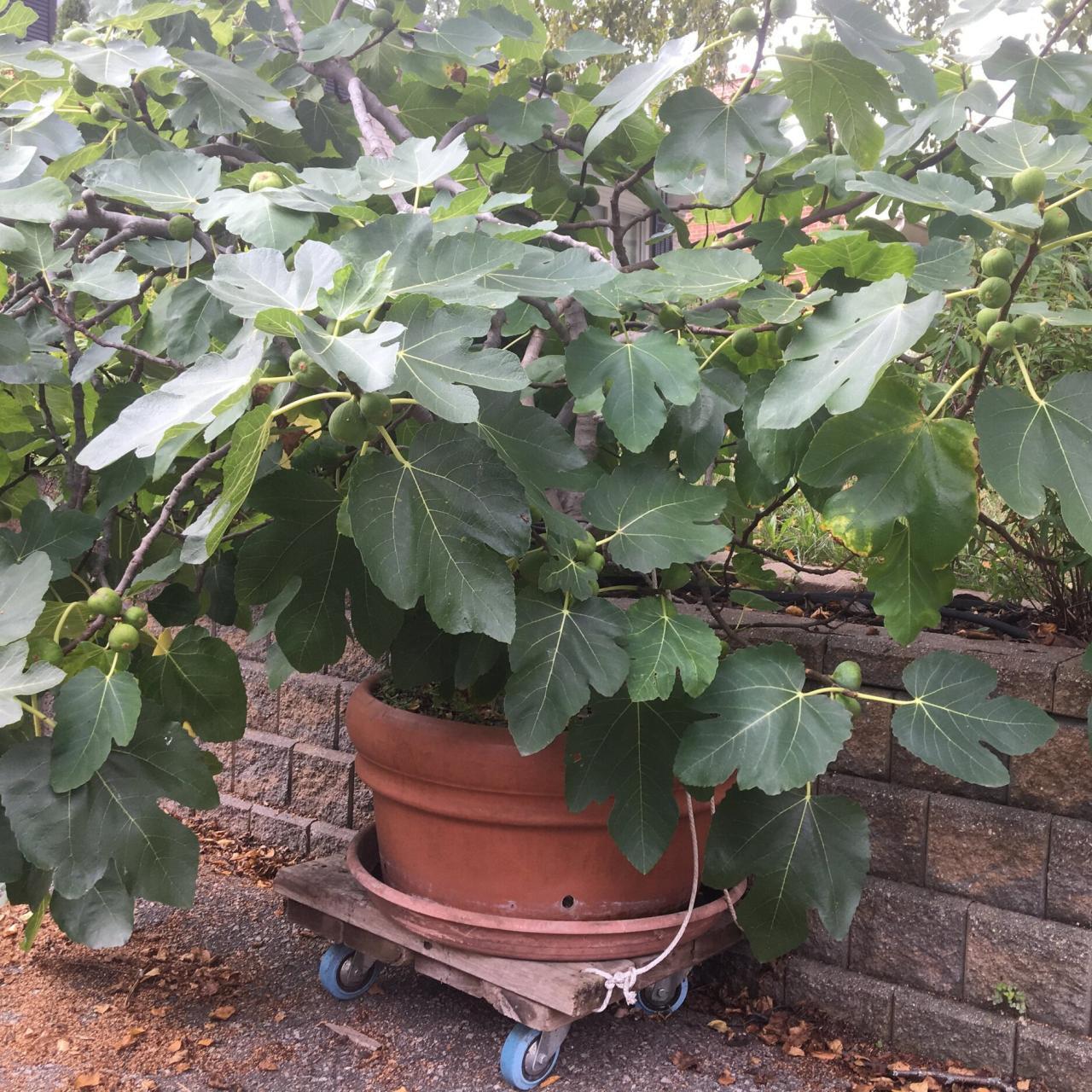
Nurturing your avocado plant from a pit requires consistent care. Proper watering, fertilization, and environmental conditions are essential for healthy growth. A well-maintained environment will ensure your plant thrives and produces a beautiful, vibrant specimen.
Watering Schedule
A regular watering schedule is crucial for the avocado plant’s health. Overwatering can lead to root rot, while underwatering will stunt growth and cause wilting. Monitor the soil moisture frequently. Water thoroughly when the top inch of soil feels dry to the touch. The frequency will vary depending on factors like the pot size, humidity, and temperature.
For example, in a hot, dry climate, you may need to water more frequently than in a cool, humid one. A good rule of thumb is to water deeply and less frequently rather than shallowly and more often.
Fertilizing
Fertilizing is important for providing essential nutrients for the plant’s growth. Avoid using strong fertilizers, as these can potentially damage the delicate roots. Start fertilizing after the first few leaves have emerged, using a balanced liquid fertilizer diluted to half strength. Apply the fertilizer every 2-4 weeks during the growing season (spring and summer), and reduce the frequency during the dormant period (fall and winter).
Using a slow-release fertilizer can be beneficial for sustained nutrient delivery.
Sunlight and Temperature
Adequate sunlight and temperature are vital for healthy growth. Avocado plants thrive in bright, indirect sunlight. Avoid placing the plant in direct sunlight, as this can scorch the leaves. A location near an east-facing window is ideal. Optimal temperatures range from 65°F to 85°F (18°C to 29°C).
Avoid placing the plant in drafts or near heating/cooling vents. Temperature fluctuations can cause stress to the plant. For example, placing the plant near a window that is exposed to cold drafts during winter months can cause the leaves to turn yellow.
Humidity Levels
Maintaining appropriate humidity is important for preventing leaf problems. Avocado plants prefer higher humidity levels than typical indoor environments. Several methods can increase humidity. Group the plant with other houseplants to create a microclimate. You can also place the pot on a tray filled with pebbles and water, ensuring the bottom of the pot does not sit in water.
A humidifier can also be used, but use caution not to over-humidify the environment.
Pest and Disease Control
Regular inspection for pests and diseases is essential. Common pests include spider mites and aphids. If pests are detected, isolate the plant and treat with insecticidal soap or neem oil according to the product instructions. Proper drainage is critical to preventing root rot. Ensure the pot has drainage holes to prevent water from accumulating at the roots.
Inspect the plant regularly for signs of fungal diseases, such as leaf spots. If a disease is present, isolate the plant, remove affected leaves, and consider a fungicide.
Drainage
Maintaining appropriate drainage is critical to prevent root rot. The pot should have drainage holes to allow excess water to drain away. Using a well-draining potting mix is also important. Avoid using soil that retains water excessively. This can be determined by looking for a good blend of peat moss, perlite, and vermiculite in the potting mix.
Proper drainage ensures that the roots are not constantly saturated, which can lead to root rot and ultimately, plant death.
Troubleshooting Common Problems
Cultivating an avocado plant from a pit can be a rewarding experience, but like any plant, it may encounter challenges. Understanding the potential obstacles and their solutions is crucial for successful growth. This section details common problems, their causes, and effective remedies, enabling you to nurture your avocado plant to its fullest potential.Troubleshooting involves identifying the symptoms, understanding their underlying causes, and implementing the appropriate corrective actions.
By paying close attention to your plant’s needs and responding promptly to any issues, you can ensure a healthy and thriving avocado sapling.
Identifying Common Problems
Troubleshooting begins with recognizing the symptoms of a problem. Visual cues, such as discoloration, wilting, or unusual growth patterns, can indicate underlying issues. Understanding the potential causes of these symptoms is key to successful remediation. A meticulous approach to observing your plant will greatly aid in identifying and rectifying problems as they arise.
Causes and Solutions for Common Problems
A table outlining potential problems, their causes, and effective solutions can provide a structured approach to addressing issues that may arise.
| Problem | Possible Causes | Solutions |
|---|---|---|
| Wilting leaves | Insufficient watering, overwatering, underwatering, root rot, pests, or lack of sunlight. | Assess the soil moisture; water deeply and less frequently if needed. Ensure proper drainage. Inspect for pests and diseases. Adjust the plant’s location for optimal light exposure. |
| Yellowing leaves | Nutrient deficiencies, overwatering, underwatering, or improper light exposure. | Check for nutrient deficiencies (often nitrogen or iron). Adjust watering schedule. Ensure adequate light. Consider using a balanced fertilizer appropriate for houseplants. |
| Slow or no growth | Insufficient light, poor drainage, inadequate watering, improper fertilization, or root damage. | Ensure adequate light. Ensure proper drainage in the pot. Adjust watering schedule to prevent overwatering or underwatering. Use a balanced fertilizer appropriate for houseplants. Inspect the roots for damage. |
| Brown spots on leaves | Overwatering, underwatering, pests, or fungal diseases. | Assess the soil moisture; adjust watering schedule. Inspect for pests. Address fungal issues with appropriate fungicides. |
| Root rot | Overwatering, poor drainage, or root damage. | Reduce watering frequency, improve drainage, repot with fresh potting mix. If the roots are significantly damaged, consider cutting off the affected portions. |
Preventive Measures
Implementing preventative measures can significantly reduce the likelihood of encountering problems.
- Maintaining optimal watering practices: Ensure the soil is consistently moist but not waterlogged. Allow the top inch of soil to dry out slightly between waterings.
- Providing adequate light: Place the plant in a location that receives bright, indirect sunlight for at least 6 hours a day. Avoid direct sunlight, which can scorch the leaves.
- Using well-draining potting mix: A potting mix that drains well is essential to prevent waterlogging and root rot. A mix of peat moss, perlite, and vermiculite can promote excellent drainage.
- Regular inspection: Regularly inspect the plant for signs of pests, diseases, or other issues. Early detection can often prevent more significant problems.
- Proper fertilization: Use a balanced liquid fertilizer appropriate for houseplants. Follow the instructions carefully to avoid over-fertilizing.
Recognizing Healthy Growth
Recognizing signs of a healthy avocado plant can help you identify potential issues quickly.
- Vigorous growth: A healthy plant displays steady growth, with new leaves emerging regularly and existing leaves appearing vibrant and healthy.
- Consistent moisture: The soil should feel consistently moist, but not soggy. The plant should not wilt or exhibit signs of dryness.
- Strong stems and roots: Healthy stems are firm and unblemished. The roots, if visible, should appear healthy and not rotted.
- Abundant foliage: A healthy plant typically exhibits a dense canopy of foliage.
Promoting Healthy Growth
Encouraging your avocado houseplant to thrive involves a multifaceted approach. Proper care throughout its development is key to achieving a healthy and robust specimen. This section will detail techniques for promoting root development, effective pruning and shaping, and, if applicable, methods for stimulating fruit production.Healthy root development is fundamental for the avocado plant’s overall well-being. A robust root system ensures the plant can effectively absorb water and nutrients, supporting its growth and resilience.
Optimal pruning and shaping techniques can enhance the plant’s aesthetic appeal while encouraging a balanced growth pattern. Strategies for fruit production, if applicable, will also be discussed.
Root Development Techniques
Root development is critical for the plant’s health and longevity. Consistent watering, proper drainage, and suitable soil composition are essential factors in encouraging robust root growth. Providing adequate space within the container is crucial to allow the roots to expand without constraint. Furthermore, avoiding overwatering, which can lead to root rot, is vital for healthy development.
Pruning and Shaping Techniques
Regular pruning and shaping maintain the plant’s aesthetic appeal and encourage balanced growth. Light pruning, removing dead or damaged branches, is essential for maintaining plant health. Heavier pruning can be used to shape the plant’s form, directing growth and promoting bushier or more structured appearances.
- Light pruning involves the removal of dead, damaged, or diseased branches. This promotes the plant’s health and allows for better light penetration to the interior of the plant, enabling better overall growth.
- Moderate pruning can involve removing branches that cross or rub against each other, thereby preventing damage and encouraging a more balanced and aesthetically pleasing structure.
- Heavy pruning is a more drastic measure used to significantly reshape the plant. This is often used to reduce the size of the plant or to stimulate new growth from the remaining branches. It is crucial to be cautious when employing this technique, as it may result in significant stress on the plant.
Fruit Production Stimulation (if applicable)
For avocado plants that are mature enough to bear fruit, certain techniques can be used to encourage fruit production. Ensuring the plant receives adequate sunlight and appropriate amounts of water and nutrients is critical for successful fruit development. Proper pollination techniques, potentially with the use of a small brush, may be required for some varieties.
| Pruning Method | Description | Frequency | Effect |
|---|---|---|---|
| Light Pruning | Removal of dead, diseased, or damaged branches | As needed | Maintains plant health, improves light penetration |
| Moderate Pruning | Removal of crossing or rubbing branches | Annually or as needed | Enhances structure and appearance |
| Heavy Pruning | Significant reshaping of the plant | Occasionally, as needed | Reduces size, stimulates new growth |
Grafting Procedure (if applicable)
Grafting an avocado plant is a more advanced technique that involves combining parts of different plants to create a new hybrid. This procedure usually requires specialized tools and expertise.
- Prepare the scion (the cutting to be grafted) and the rootstock (the existing plant). Make sure both are healthy and have appropriate sizes.
- Carefully create precise cuts on both the scion and rootstock, ensuring they are compatible.
- Join the scion and rootstock tightly together using grafting tape or other suitable materials.
- Secure the graft with a protective cover, if necessary.
- Monitor the graft site closely for signs of successful union. Proper care and environment will greatly influence the success of the graft.
Visual Aids and Examples

Observing the growth of your avocado plant provides valuable insights into its health and well-being. Visual cues can help you identify potential problems early, allowing for timely intervention and ensuring a thriving plant. This section will detail various stages of growth, healthy appearances, and common issues.Visual aids are crucial for successful avocado pit propagation. Careful observation allows for early identification of potential problems and enables you to implement appropriate solutions.
Stages of Growth
Understanding the growth stages of your avocado plant aids in assessing its health and predicting its future development. Different stages exhibit unique visual characteristics, which will be discussed below.
- Initial Stage (Planting to Root Development): The pit, initially planted, will show no significant change for a few weeks. The crucial aspect is to ensure proper moisture and avoid overwatering. The pit should maintain a firm texture and remain relatively unchanged in appearance until roots start developing. The presence of small, fine roots emerging from the bottom of the pit is a positive indicator of progress.
- Early Growth (Sprout Emergence): A noticeable sprout emerges from the top of the pit, indicating successful germination. The sprout’s healthy appearance, with a vibrant green color and a firm texture, signals a healthy plant. Avoid overwatering, as it can lead to rotting or fungal infections. Observe the growth rate; a consistent, slow increase is normal.
- Mature Plant (Continued Growth): The sprout continues to grow into a small plant. Examine the leaves for healthy, vibrant green color and firm texture. Avoid over-fertilization as it can hinder the plant’s development. Regular watering, appropriate for the plant’s size and growth, is essential for sustained growth.
- Fruiting Stage (If Applicable): The mature plant will show signs of developing flowers, and ultimately fruit, depending on the variety. Regular watering, fertilization, and sunlight exposure are crucial for optimal fruit development. The presence of fruit indicates successful cultivation and healthy development.
Healthy vs. Unhealthy Plants
Identifying healthy and unhealthy avocado plants is vital for preventing issues and promoting growth. Key visual differences will be discussed below.
- Healthy Plant: A healthy avocado plant exhibits vibrant green leaves with a firm texture. Leaves should be free of spots, discoloration, or wilting. The stem and branches appear firm and strong. Healthy growth is indicated by consistent and steady increases in size and leaf count.
- Unhealthy Plant: An unhealthy plant might show yellowing, browning, or wilting leaves. The leaves may appear soft or limp. The stem or branches might be soft or exhibit signs of decay. These symptoms can indicate problems such as overwatering, underwatering, nutrient deficiencies, or pest infestations. Careful observation of the affected areas can pinpoint the specific issue.
Potential Problems
Various problems can affect the growth of your avocado plant. Identifying these issues early on can prevent significant damage and promote a healthy plant.
- Pests: Inspect the plant for pests such as mealybugs, aphids, or spider mites. These pests can be identified by their appearance, such as small, crawling insects or webs on the leaves. Appropriate pest control methods should be implemented if detected.
- Diseases: Look for fungal infections, such as root rot, which can cause the plant to wilt and show discoloration. Proper watering techniques and suitable plant care practices are crucial to avoid such issues.
Watering and Fertilizing
Correct watering and fertilization are crucial for avocado plant health. Visual cues can indicate whether adjustments are necessary.
- Watering: Regularly check the soil moisture. Water thoroughly when the top inch of soil feels dry. Avoid overwatering, which can lead to root rot. Watering frequency will vary depending on environmental conditions and plant size.
- Fertilizing: Use a balanced liquid fertilizer diluted to half strength, every few weeks during the growing season. Over-fertilizing can harm the plant. Follow the fertilizer instructions carefully.
Visual Summary Table
This table summarizes the appearance of the avocado plant at various stages of growth.
| Stage | Appearance |
|---|---|
| Planting | Firm, un-sprouting pit in potting mix. |
| Early Growth | Sprout emerging from the pit; healthy, vibrant green. |
| Mature Plant | Healthy, robust plant with vibrant green leaves; strong stem and branches. |
| Fruiting (if applicable) | Flowers and fruit development; fruit size and quality depending on variety. |
Last Recap

In conclusion, growing an avocado from a pit can be a fulfilling experience. This guide has provided a detailed roadmap, equipping you with the knowledge and techniques to cultivate a healthy and vibrant avocado plant. By following the provided steps and troubleshooting strategies, you’ll be well-positioned to enjoy the satisfaction of nurturing this unique houseplant.