Houseplants bring life and beauty to our homes, but unfortunately, they can also become targets for unwelcome guests: pests. Early detection is crucial for effective pest management. This guide will delve into the world of common houseplant pests, providing detailed descriptions and visual aids to help you identify these invaders and implement the appropriate treatment strategies. From the subtle signs of spider mites to the telltale damage of root pests, we’ll explore various types, their characteristics, and how to distinguish them from one another.
Understanding the specific characteristics of each pest is key to successful management. This comprehensive guide offers detailed insights into the visual cues, feeding habits, and typical damage patterns associated with each type. By learning to recognize the subtle signs of infestation, you can act quickly and prevent widespread damage to your beloved plants. The provided tables and illustrations will be invaluable in this process.
Introduction to Common Houseplant Pests
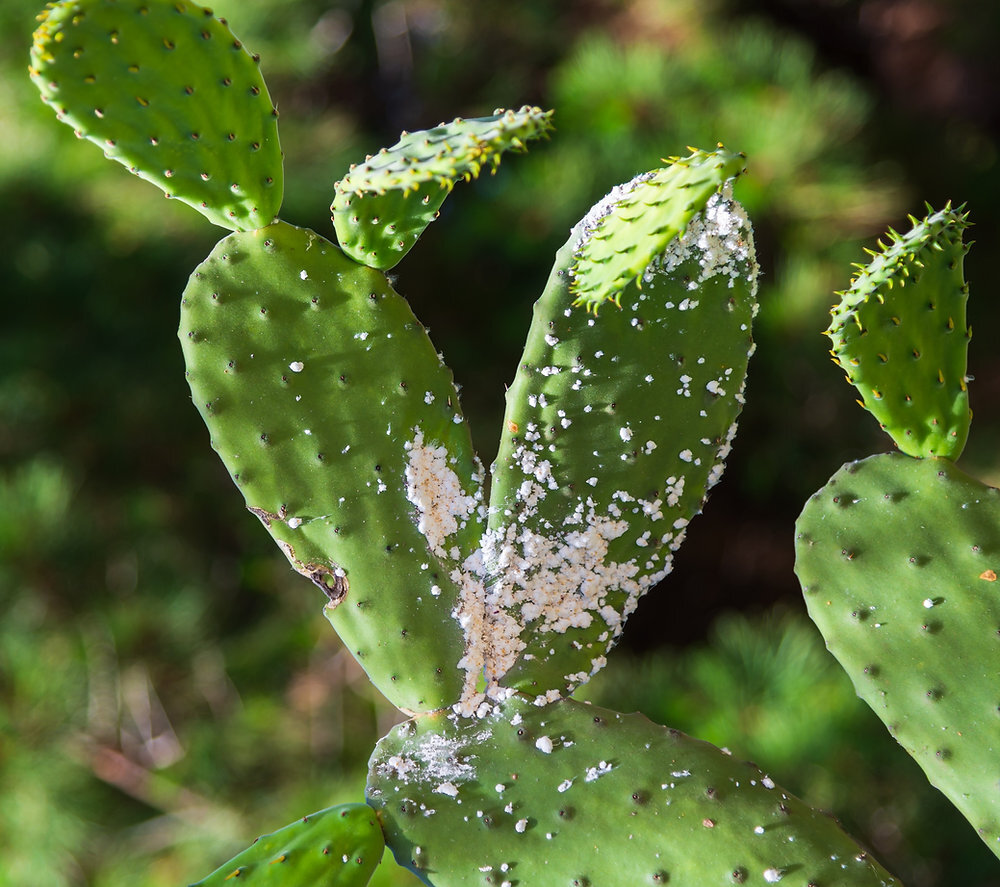
Houseplants, a cherished addition to any home, can sometimes suffer from unwelcome visitors: pests. Identifying these pests early is crucial for effective management and preventing widespread infestations. Understanding the common types of pests, their visual indicators, and the damage they cause allows for proactive treatment and healthy plant growth.Early detection of pests is key to preventing significant damage to your plants.
Many pests, if left unchecked, can quickly multiply and cause substantial harm to the overall health and appearance of your houseplants. This section provides a comprehensive overview of common houseplant pests, their identifying characteristics, and the typical damage they inflict.
Common Houseplant Pest Types
A variety of insects and mites can infest houseplants. Some of the most prevalent pests include spider mites, aphids, mealybugs, scale insects, and whiteflies. Each pest type has unique characteristics that allow for early identification and targeted treatment.
Visual Indicators of Pests
Recognizing the subtle signs of pest infestation is vital for effective management. These signs may manifest as small, noticeable changes in the plant’s appearance or behavior. Pay close attention to the leaves, stems, and undersides of leaves for any unusual discoloration, webbing, or the presence of tiny insects.
Pest Identification Table
| Pest Type | Visual Indicators | Typical Plant Damage |
|---|---|---|
| Spider Mites | Fine webbing, especially on the undersides of leaves; tiny, translucent or yellowish-brown spider-like creatures; stippling or stippled discoloration on leaves; plant wilting. | Leaf distortion, yellowing, and premature drop; reduced plant vigor. Severe infestations can lead to plant death. |
| Aphids | Small, soft-bodied insects, typically green, yellow, or black; clusters of insects on stems and leaves; sticky honeydew secretion (may be accompanied by sooty mold). | Distorted leaves; stunted growth; sticky residue on leaves and surrounding surfaces; sooty mold development. |
| Mealybugs | Cottony, white or light-colored mealy substance on stems, leaves, and undersides of leaves; small, oval-shaped insects often hidden within the cottony material. | Stunted growth; leaf yellowing; wilting; sooty mold development. Mealybugs can quickly multiply, leading to serious damage. |
| Scale Insects | Small, hard, immobile insects that look like bumps or scales on stems and leaves; they vary in color depending on the species. | Slowed growth; leaf discoloration; plant stress. Heavy infestations can lead to a significant reduction in the plant’s health. |
| Whiteflies | Tiny, white or light-colored insects that fly around the plant; they are often found on the undersides of leaves; sticky honeydew secretion. | Yellowing leaves; leaf distortion; stunted growth; sooty mold development. Infestations can lead to a weakening of the plant’s overall health. |
Identifying Spider Mites
Spider mites are tiny arachnids that are common pests of houseplants. They are often difficult to spot with the naked eye, but their effects on plants can be significant. Understanding their characteristics, damage patterns, and identification methods is crucial for effective pest control.Identifying spider mites requires careful observation and a good understanding of their characteristics. Their small size and cryptic feeding habits make them challenging to detect.
However, careful inspection can reveal telltale signs of infestation.
Characteristics of Spider Mite Infestations
Spider mite infestations are characterized by the presence of tiny, almost invisible mites, along with their telltale silken webbing. These pests typically feed on plant sap, causing damage that can vary depending on the severity and duration of the infestation. The damage is often subtle in the initial stages, but it can escalate quickly if left unchecked.
Damage Caused by Spider Mites
Spider mites cause a variety of damage to plants. One prominent symptom is the stippling or discoloration of leaves, often appearing as small, light-colored spots. This stippling occurs as the mites feed on the plant’s photosynthetic tissues, impairing its ability to produce energy. In severe infestations, leaves may become distorted, yellowed, or even drop off prematurely. The silken webbing, often found on the underside of leaves and along stems, is another common indicator of a spider mite infestation.
This webbing provides shelter for the mites and aids in their dispersal.
Methods for Identifying Spider Mites
Several methods can be used to identify spider mites. Visual inspection is crucial, focusing on the undersides of leaves and along stems. Look for the tiny, spider-like creatures themselves. Another key indicator is the presence of fine, silken webbing, often in clusters. This webbing is frequently found on leaves, stems, and sometimes even in the spaces between leaves.
The stippling or speckling of leaves, especially in pale or yellow areas, is another common sign.
Distinguishing Spider Mites from Other Pests
Distinguishing spider mites from other pests requires careful observation and consideration of their specific characteristics. While other pests may cause similar symptoms, the presence of the characteristic webbing, stippling, and the mites themselves can help in accurate identification. For instance, aphids can also cause stippling, but their appearance and the type of webbing they produce are different. Scale insects might look similar in some cases, but the presence of a hard, protective shell is a distinguishing feature.
Comparison of Spider Mite Species
| Spider Mite Species | Characteristics | Damage Patterns |
|---|---|---|
| Two-spotted Spider Mite (Tetranychus urticae) | Small, oval-shaped mites, typically with two distinct dark spots. | Causes stippling, webbing, and leaf discoloration. |
| Citrus Spider Mite (Panonychus citri) | Smaller than two-spotted spider mites, often with a yellowish or light brown coloration. | Often targets citrus plants, causing leaf yellowing and premature defoliation. |
| European Red Spider Mite (Panonychus ulmi) | A more reddish-brown mite. | May cause leaf bronzing and a significant reduction in leaf vigor. |
The table above provides a basic comparison of different spider mite species. However, accurate identification often requires specialized knowledge or the use of a magnifying glass.
Identifying Aphids
Aphids, tiny sap-sucking insects, are a common pest problem for houseplants. Recognizing their presence and understanding their feeding habits is crucial for effective management. Prompt identification allows for timely intervention, preventing extensive damage to your beloved indoor greenery.
Appearance of Aphids
Aphids exhibit a wide range of appearances, varying in size, shape, and color depending on the species and their developmental stage. Generally, aphids are soft-bodied insects, often appearing as small, pear-shaped or elongated creatures. Colors can range from pale yellow to green, black, brown, or even pink. Some species exhibit distinctive markings or patterns on their bodies.
Observing the size and shape, as well as the color of these insects, provides the first clue to the presence of an aphid infestation.
Feeding Habits of Aphids
Aphids feed on plant sap, extracting nutrients from the plant’s phloem tissue. They pierce the plant’s tissues with their specialized mouthparts, effectively sucking the plant’s fluids. This feeding activity weakens the plant, hindering its growth and overall health. Plants experiencing significant aphid infestations may show stunted growth, wilting, or yellowing of leaves.
Signs of an Aphid Infestation
Several telltale signs indicate an aphid infestation. Sticky honeydew is a common symptom, a sugary substance excreted by aphids as a byproduct of their feeding. This honeydew often coats the leaves and stems of the plant, creating a sticky residue. Sooty mold, a dark, fuzzy fungus, can also develop on the honeydew, further obscuring the leaves and potentially harming the plant.
Additionally, distorted or curled leaves, stunted growth, and the presence of the aphids themselves are all strong indicators of an infestation.
Aphid Types and Preferred Plant Types
The following table provides a basic overview of some common aphid types and their preferred plant types. Understanding these preferences can help you identify the potential source of an infestation.
| Aphid Type | Preferred Plant Types |
|---|---|
| Green Peach Aphid | Peaches, plums, nectarines, roses, and other fruit trees |
| Cottony Maple Aphid | Maples and other deciduous trees |
| Potato Aphid | Potatoes, tomatoes, and other vegetables |
| Rose Aphid | Roses and other flowering plants |
| Soybean Aphid | Soybeans and other legumes |
Methods for Identifying Aphid Infestations
A variety of methods can aid in identifying aphid infestations. A magnifying glass is essential for closer examination, allowing you to discern the tiny insects. Carefully inspect leaves, stems, and undersides of leaves, particularly in areas of new growth. A thorough visual inspection will reveal the presence of aphids and their telltale honeydew. Taking a sample of the affected plant parts to a local nursery or agricultural expert can also assist in positive identification.
Identifying Mealybugs
Mealybugs are a common pest affecting houseplants, often overlooked due to their small size and sometimes camouflaged appearance. These sap-sucking insects can quickly infest a plant, causing significant damage if left untreated. Recognizing their characteristics and identifying the type of mealybug can aid in effective pest control.
Physical Characteristics of Mealybugs
Mealybugs are characterized by their soft, waxy bodies, often covered in a white, powdery substance. This coating gives them their common name. Their bodies are oval-shaped and vary in size, typically ranging from a few millimeters to about a centimeter in length. The waxy coating provides camouflage and protection from predators.
Types of Mealybugs and Their Appearance
Various types of mealybugs exist, each with subtle variations in appearance. The most common types include:
- Wooly Mealybugs: These mealybugs have a dense, fuzzy, white coating. This dense covering can obscure the underlying body shape, which can be oval-shaped, and may be found clustered on stems and leaves.
- Planococcus Mealybugs: Known for their slightly elongated bodies, Planococcus mealybugs are usually more uniformly white or light gray, and their waxy coating is less dense than wooly mealybugs. They tend to cluster together, often on the undersides of leaves or in leaf axils.
- Longtailed Mealybugs: These mealybugs are identified by their distinct, elongated tail-like appendages. They are typically white or light gray and often found in crevices or along stems.
Damage Caused by Mealybugs
Mealybugs feed on the plant’s sap, weakening the plant and hindering its growth. Symptoms of mealybug infestation can include stunted growth, yellowing leaves, wilting, and eventually, the death of the plant. Their feeding activity also creates a sticky residue, called honeydew, that can attract ants and lead to sooty mold growth on the plant’s leaves.
Methods of Identifying Mealybugs
Identifying mealybugs involves careful observation of the plant’s foliage and stems. Look for small, soft, waxy-coated insects, or the sticky honeydew that they produce. Mealybugs often cluster in specific areas, such as along stems or the undersides of leaves. A magnifying glass can be helpful for close inspection.
Comparison Table of Mealybug Types
| Mealybug Type | Appearance | Typical Locations on Plants |
|---|---|---|
| Wooly Mealybugs | Dense, fuzzy, white coating; oval-shaped body | Stems, leaf axils, undersides of leaves |
| Planococcus Mealybugs | Slightly elongated bodies; less dense waxy coating | Undersides of leaves, leaf axils, stems |
| Longtailed Mealybugs | Distinctive elongated tail-like appendage | Crevices, stems, leaf axils |
Identifying Scale Insects
Scale insects are a common pest problem for houseplants, often appearing as small, immobile bumps or crusts on stems and leaves. These insects are sap-suckers, meaning they feed on the plant’s juices, hindering its growth and health. Identifying them early allows for prompt and effective treatment, preventing significant damage to your beloved houseplants.Scale insects exhibit a remarkable diversity in appearance, ranging from small, almost invisible specks to larger, noticeable patches.
This variety can make identification challenging, requiring careful observation and knowledge of their key characteristics. Understanding their different forms and behaviors is crucial for effective pest control.
Types of Scale Insects
Scale insects can be broadly categorized into armored and soft scales. Armored scales have a hard, shell-like covering that protects them, while soft scales lack this protective covering. This difference in protection affects their vulnerability to certain treatments. The diversity in appearance further complicates identification.
Characteristics of Scale Insects
Scale insects, despite their diversity, share several common characteristics that aid in their identification. They are typically immobile or very slow-moving, often resembling small bumps or encrustations on plant surfaces. They excrete a sugary substance called honeydew, which can attract other pests and cause sooty mold. Understanding these characteristics is crucial for differentiating them from other pests.
Spotting Scale Insects on Plants
Careful inspection of your plants is essential for early detection. Begin by examining the undersides of leaves, stems, and branches, as these are common hiding spots. Look for small, immobile bumps or crusts. A magnifying glass can be helpful in scrutinizing these areas. Inspecting frequently, especially during routine plant care, is a proactive measure against scale infestations.
Damage Caused by Scale Insects
Scale insects feed on plant sap, which can weaken the plant’s overall health. The honeydew they produce can also lead to the development of sooty mold, further hindering the plant’s ability to photosynthesize. Severe infestations can stunt growth, cause leaf yellowing or drop, and eventually lead to plant decline.
Comparison Table of Scale Insects
| Characteristic | Armored Scale | Soft Scale |
|---|---|---|
| Size | Generally 1-5mm | Generally 1-3mm |
| Shape | Oval or rounded, often with a raised, protective shell | Oval or irregular, often with a waxy or cottony covering |
| Color | Brown, gray, or tan | Yellowish, white, or pinkish |
| Location | Often on stems, branches, and leaf axils | Often on stems, undersides of leaves |
Identifying Fungus Gnats
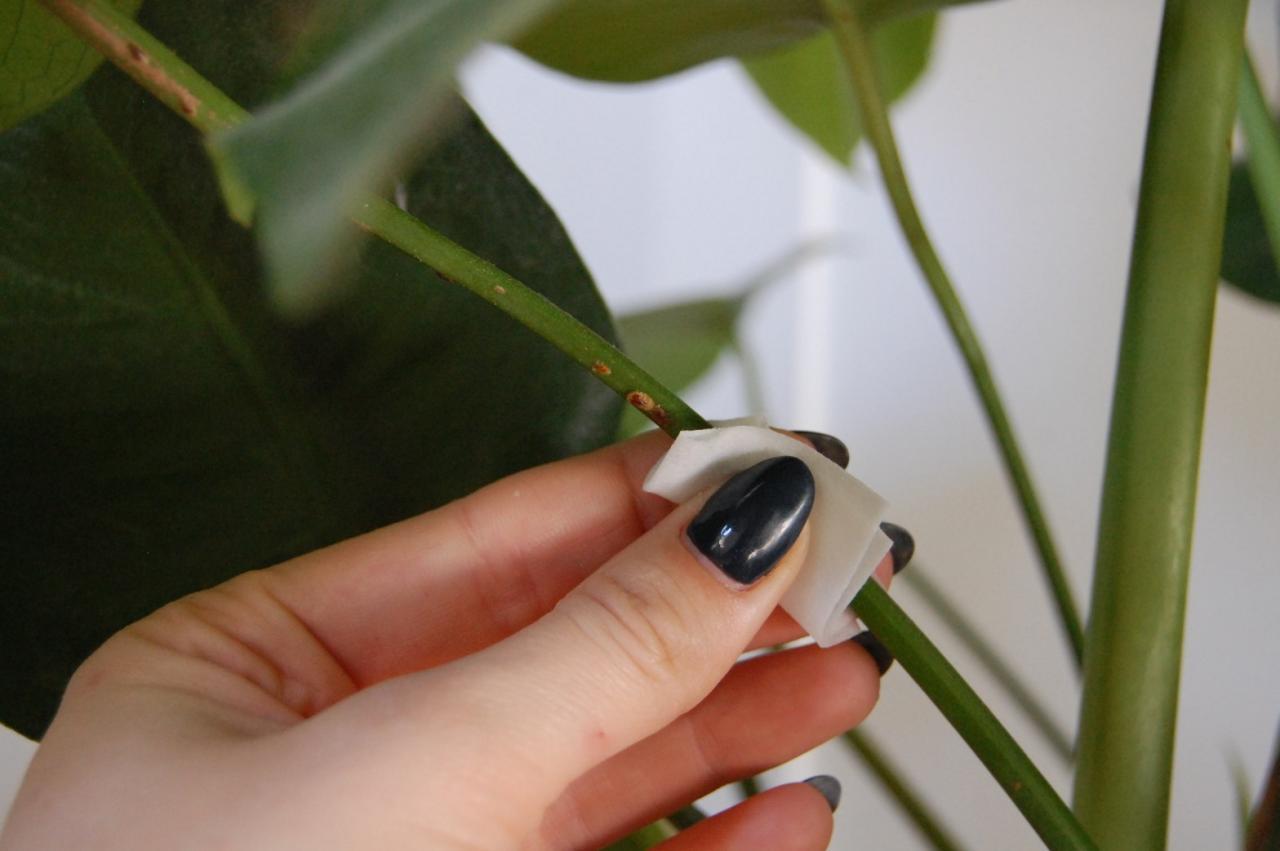
Fungus gnats are a common household pest that can be frustrating for houseplant enthusiasts. These tiny flies, often overlooked, can quickly infest plants if left unchecked. Understanding their appearance, life cycle, and damage patterns is crucial for effective control. Identifying them accurately is the first step towards successful management.Fungus gnats are a frequent problem for indoor gardeners. Their presence often indicates a specific environmental condition, such as overly moist soil.
These conditions are frequently conducive to the growth of fungi, which fungus gnats feed on, thus the name. Effective identification allows for targeted and effective control measures.
Appearance of Fungus Gnat Larvae and Adults
Fungus gnat larvae are tiny, legless, and white or yellowish-white grubs. They are typically found within the soil, feeding on decaying organic matter, roots, and fungal mycelium. Adult fungus gnats are small flies, usually less than 1/8 inch long, with delicate, light-colored bodies, often yellowish or light brown. Their wings are translucent and they tend to flutter around plants, especially near the soil surface.
They are often described as resembling small mosquitoes.
Life Cycle of Fungus Gnats
The fungus gnat life cycle involves four stages: egg, larva, pupa, and adult. Eggs are laid in the soil, usually near the surface. The larvae, which feed on decaying organic matter and fungal roots, undergo several molts before pupating. The pupa stage, usually occurring in the soil, is relatively short-lived. Emerging adults then reproduce, completing the cycle.
Understanding the life cycle is crucial to effectively targeting different stages of the infestation.
Damage Caused by Fungus Gnats
Fungus gnats primarily cause damage through their larvae, which feed on plant roots. This feeding can weaken the plant, reducing its ability to absorb water and nutrients. Severe infestations can lead to stunted growth, wilting, and even plant death. In addition to feeding, larvae can also introduce pathogens, further complicating the problem. The presence of fungal growth in the soil can be an indicator of fungus gnat infestation.
Methods for Identifying Fungus Gnats
Identifying fungus gnats involves looking for both the adults and larvae. Adult fungus gnats, with their small size and delicate bodies, are often seen hovering near the soil surface or fluttering around the plants. Their presence is a strong indication of an infestation. Larvae are easily seen in the soil, appearing as tiny, legless grubs. Careful inspection of the soil, especially near the base of the plant, will help in detecting them.
Checking for larvae is critical in the early stages of an infestation.
Differentiating Fungus Gnats from Other Pests
Distinguishing fungus gnats from other pests requires careful observation. While other tiny flying insects might be present, the distinctive appearance of fungus gnat larvae and adults helps in accurate identification. Adult fungus gnats have a more delicate build and are often found near the soil, unlike some other insects. Comparing the appearance of the insects and the signs of damage to the plant will help in differentiating them from other pests.
This accurate differentiation allows for effective and targeted treatment strategies.
Identifying Root Pests
Root pests, while often hidden beneath the soil, can significantly harm houseplants. These pests can cause extensive damage to the root system, leading to wilting, yellowing leaves, and ultimately, plant death if left untreated. Understanding the signs of root pest infestations and how to identify them through soil examination is crucial for effective pest management.Root pests are a common issue in houseplants, often causing substantial damage before visible symptoms appear above ground.
Proper identification and treatment are vital for saving the plant. Careful observation and soil examination can often reveal the presence of these pests and help determine the best course of action for successful treatment.
Common Root Pests
Root pests frequently encountered in houseplants include nematodes, fungus gnats, and root aphids. These pests can disrupt the plant’s ability to absorb water and nutrients, ultimately leading to decline.
Symptoms of Root Pest Infestations
Several symptoms can indicate a root pest infestation. These include wilting leaves, despite adequate watering; yellowing or browning of leaves, often starting from the lower leaves; stunted growth; and a general decline in the overall health of the plant. A foul odor emanating from the soil is also a strong indicator.
Identifying Root Pests Through Soil Examination
Inspecting the soil is crucial for identifying root pests. Look for signs of tunneling or webbing within the soil. The presence of small, white or translucent worms (larvae) is another potential indicator. You may also notice a sticky or slimy substance on the soil surface or around the roots.
Importance of Inspecting the Roots for Signs of Damage
Visual inspection of the roots is essential for confirming a pest infestation. Healthy roots are typically firm, white, or light brown, and possess a vibrant, healthy appearance. Unhealthy roots, on the other hand, may appear mushy, dark brown, or even black, with visible signs of decay or tunneling.
Illustration of Healthy vs. Unhealthy Roots
| Healthy Roots | Unhealthy Roots |
|---|---|
|
Firm, white or light brown in color, with a healthy, vibrant appearance. The roots exhibit a good amount of branching and a uniform, healthy structure. |
Mushy, dark brown or black in color. The roots may show signs of decay, tunneling, or damage. There may be less branching, and the overall structure of the root system may appear irregular. |
Caption: A visual comparison of healthy versus unhealthy roots. Healthy roots are firm, white or light brown, while unhealthy roots exhibit mushiness, dark coloration, and signs of damage. This difference can be indicative of root pest infestation.
Visual Aids and Illustrations
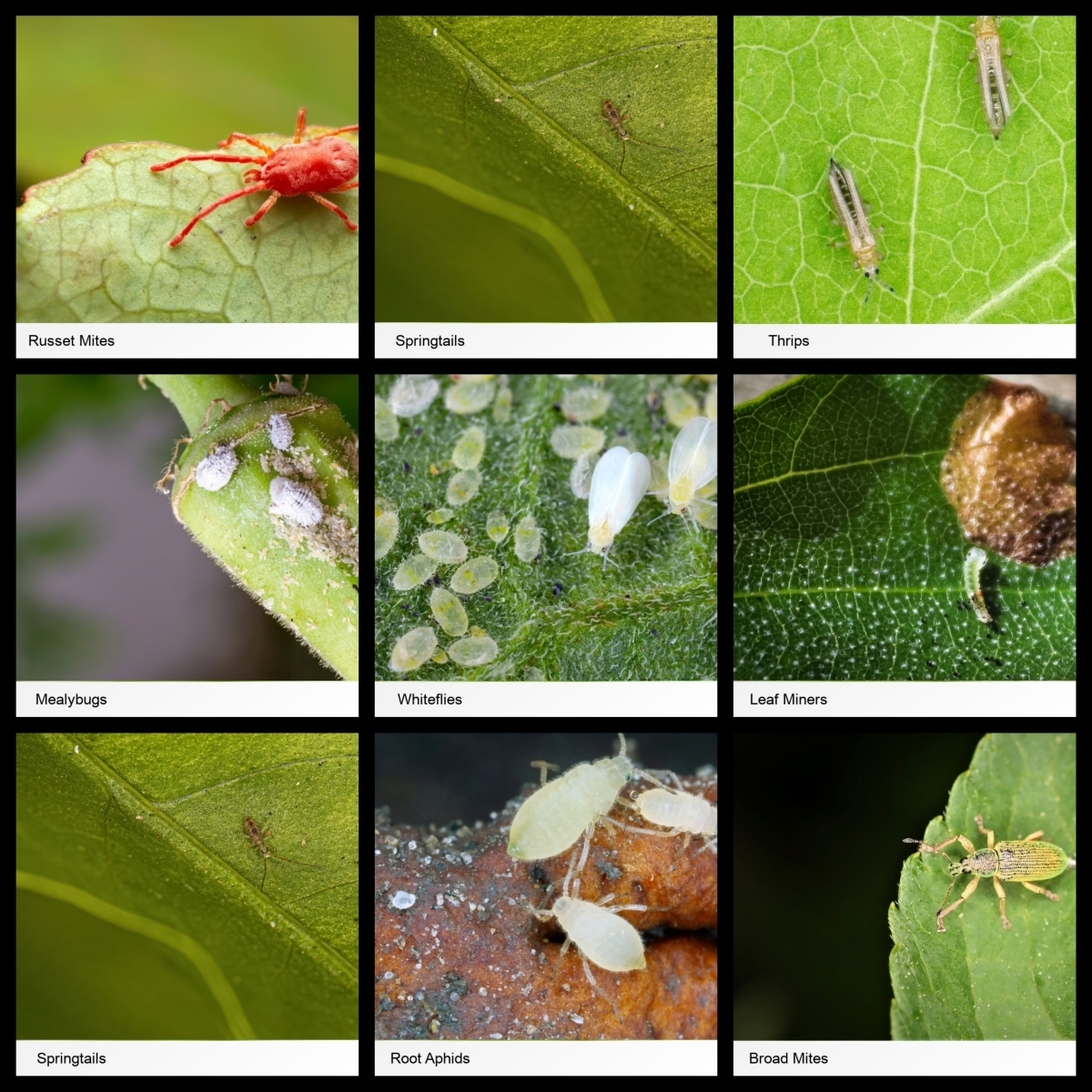
Visual aids, including magnified images and detailed descriptions, are crucial for accurately identifying houseplant pests. By understanding the appearance of pests and the damage they cause, plant owners can take swift and targeted action to protect their precious greenery. Careful observation is key to preventing infestations and ensuring the health of your plants.Understanding the visual characteristics of pests and the damage they inflict is vital for effective pest control.
Accurate identification allows for the selection of the most appropriate treatment method. Visual cues, including the size, shape, color, and location of pests on the plant, can help differentiate between various species.
Appearance of Common Houseplant Pests
Visual identification is paramount for effective pest management. Accurate recognition of the pests’ appearance, typical damage patterns, and location on the plant helps determine the appropriate course of action. This section details the visual characteristics of common houseplant pests.
- Spider Mites: These tiny pests, often less than 1 mm long, are difficult to see with the naked eye. They are typically light-colored, ranging from yellowish-white to reddish-brown. They can be observed moving on the underside of leaves or in webs spun on leaves. Magnified images will reveal their eight legs and segmented bodies.
- Aphids: Aphids are soft-bodied insects, typically 1-5 mm long, with a wide range of colors including green, yellow, black, or brown. They often cluster on new growth, stems, and leaf undersides. They can be found sucking the sap from the plant, and their presence may lead to the distortion of leaves.
- Mealybugs: Mealybugs are small, soft-bodied insects covered in a white, powdery wax. They range in size from 1-6 mm, often found clustered together on stems, leaves, and the undersides of leaves. They are usually found on the underside of leaves and around leaf axils. They resemble small, cottony masses.
- Scale Insects: Scale insects are small, oval-shaped insects that appear as bumps or scabs on stems and leaves. Their size varies greatly depending on the species, from less than 1 mm to several millimeters. They can be hard to remove, and their presence can lead to the development of sooty mold, a black, powdery substance.
- Fungus Gnats: Fungus gnats are small flies with a length of around 2-3 mm. They are often associated with overwatering and poor drainage, with larvae present in the soil. They are often found near the soil surface and their presence may indicate a soil-borne issue.
Typical Damage Patterns
Recognizing the damage patterns caused by pests is equally important as identifying the pests themselves. These patterns can vary significantly depending on the pest type and the plant’s characteristics.
- Spider Mites: Spider mites cause stippling or discoloration of leaves. Webbing is often present, especially on the undersides of leaves. Severe infestations can cause leaves to yellow and drop off.
- Aphids: Aphids cause leaf distortion, curling, and yellowing. Infestations can lead to stunted growth. They often excrete a sticky substance called honeydew, which can attract ants and lead to the development of sooty mold.
- Mealybugs: Mealybugs cause the leaves to become sticky and distorted. They can also cause the plant to wilt and eventually die. The presence of white, cottony masses on stems and leaves is a clear indicator of mealybug infestation.
- Scale Insects: Scale insects cause stunted growth and leaf yellowing. The presence of bumps or scabs on stems and leaves is a clear indication of scale infestation. Severe infestations can lead to plant death.
- Fungus Gnats: Fungus gnats typically don’t cause significant damage to the plant itself. However, their larvae can damage the roots, and excessive numbers may indicate an issue with the soil’s moisture or health.
Location of Pests on Plants
Knowing where to look for pests is essential. Different pests prefer specific locations on the plant, providing crucial clues for identification.
- Spider Mites: Spider mites are typically found on the undersides of leaves and in webbing.
- Aphids: Aphids are often found on new growth, stems, and the undersides of leaves.
- Mealybugs: Mealybugs are commonly found on stems, leaves, and the undersides of leaves, particularly in leaf axils.
- Scale Insects: Scale insects are commonly found on stems and leaves.
- Fungus Gnats: Fungus gnats are typically found near the soil surface and in the soil itself.
Stages of Pest Development
Understanding the stages of pest development provides insight into their lifecycle and how to manage them effectively.
- Spider Mites: Spider mites progress from tiny larvae to adults, with observable differences in size and mobility.
- Aphids: Aphids go through a series of stages, from nymphs to adults, with increasing size and reproductive capacity.
- Mealybugs: Mealybugs develop through several stages, starting as tiny larvae and maturing into adults.
- Scale Insects: Scale insects exhibit various developmental stages, including the immobile nymph stage and the mobile adult stage.
- Fungus Gnats: Fungus gnats progress from eggs to larvae to pupae to adults, with each stage having a different visual characteristic.
Ending Remarks
In conclusion, identifying common houseplant pests is a vital skill for any plant enthusiast. By familiarizing yourself with the visual indicators, damage patterns, and unique characteristics of each pest, you can effectively manage infestations and protect your plants’ health. This comprehensive guide equips you with the knowledge and tools needed to tackle these challenges head-on, ensuring your indoor greenery thrives.
Remember, early detection is key; prompt action will help maintain the vibrant beauty of your indoor garden.