Heat vents, while crucial for warmth, can pose a challenge for plant health. Understanding how these vents affect temperature, humidity, and air circulation is key to thriving indoor plants. This guide delves into strategies for selecting the right plants, adjusting the environment, and maintaining consistent care to keep your botanical companions happy and healthy near these sources of warmth.
From selecting heat-tolerant species to optimizing humidity and air circulation, this comprehensive guide provides actionable steps to ensure your plants thrive in proximity to heat vents. We’ll explore the nuances of different vent types, plant needs, and environmental adjustments to maximize their well-being.
Understanding Heat Vent Impacts
Heat vents, while essential for heating and ventilation, can pose challenges for plant health. Their proximity to plants can disrupt optimal growing conditions, impacting temperature, humidity, and air circulation. Understanding these effects is crucial for successfully cultivating plants near heat vents.Heat vents significantly alter the microclimate surrounding them. The direct flow of warm air from a vent creates localized temperature increases, while the air movement itself affects humidity and air circulation patterns.
These factors can negatively impact plants if not carefully considered and managed.
Heat Vent Mechanisms
Heat vents generate warm air currents that directly affect the temperature of the surrounding environment. The intensity of this effect depends on the vent’s design, size, and power. Warm air has a lower density than cool air, causing it to rise and create an upward draft. This movement of air can displace the surrounding air, including the moisture content, thereby impacting humidity levels.
Additionally, the forceful air currents from the vent can affect air circulation patterns around plants, impacting their ability to receive adequate amounts of fresh air.
Types of Heat Vents and Their Impacts
Different types of heat vents have varying degrees of impact on plant growth. The design of the vent, its location, and the surrounding environment all influence the specific effects.
- Floor Vents: Floor vents typically produce a more localized and concentrated flow of warm air. The warm air often spreads horizontally, impacting plants located directly beneath or near the vent. The direct heat and drier air emanating from a floor vent can lead to higher temperatures and lower humidity in the immediate area. For example, a houseplant placed directly below a floor vent may experience increased transpiration and wilting due to the drier air.
- Wall Vents: Wall vents often distribute warm air more broadly across a wall. The air movement is usually less intense and concentrated than floor vents, but can still impact the humidity and temperature of plants positioned nearby. The spread of the air across the wall can affect the overall room temperature and humidity, indirectly influencing plant growth.
Potential for Heat Buildup and Dryness
Heat vents can create localized areas of heat buildup and dryness. The warm air from the vent displaces cooler, more humid air, leading to lower humidity levels in the immediate vicinity. This effect can be more pronounced in smaller rooms or enclosed spaces. Plants near heat vents may experience increased transpiration, leading to water loss and potential wilting.
For example, plants near a powerful wall vent in a small bedroom might require more frequent watering than those in a larger room with a similar vent.
Impact on Different Plant Species
The impact of heat vents on plant species can vary. Some plants are more tolerant to dry conditions and higher temperatures than others. This table summarizes potential impacts:
| Heat Vent Type | Temperature Impact | Humidity Impact | Air Circulation Impact |
|---|---|---|---|
| Floor Vent | High localized temperature increase; potential for extreme localized heat. | Significant decrease in humidity in the immediate vicinity. | Increased air movement, potentially causing desiccation in some species. |
| Wall Vent | Moderate temperature increase; more diffused than floor vents. | Slight decrease in humidity, particularly for plants directly exposed. | Moderate air movement; potential for air currents to affect leaf placement. |
Plant Selection and Placement
Choosing the right plants for a location near a heat vent is crucial for their survival and overall well-being. Proper selection and placement strategies can significantly impact the health and longevity of your indoor greenery. Considering the unique environmental conditions, such as the increased temperature and dry air, is paramount to success.Selecting plants suitable for the specific conditions near a heat vent ensures they thrive rather than struggle.
Understanding their tolerance levels to heat and dry air, along with their ideal placement, will create a more comfortable and sustainable environment for your indoor garden.
Plant Species Tolerant to Heat and Dry Air
Several plant species are naturally adapted to tolerate warmer and drier conditions. This adaptation makes them well-suited for environments near heat vents. Examples include various succulents, certain types of cacti, and some air-purifying plants like snake plants and ZZ plants. These plants have evolved mechanisms to conserve water and withstand fluctuating temperatures.
Ideal Locations for Different Plants
The ideal placement of plants near a heat vent depends on their specific needs. Succulents, with their exceptional drought tolerance, can be placed closer to the vent, though careful monitoring is advised. Fiddle Leaf Figs, while tolerant, should be positioned slightly further away from the direct heat source to prevent potential leaf damage. Consider the specific needs of each plant species when determining the ideal distance from the heat vent.
Importance of Plant Spacing
Proper spacing is vital for plants near heat vents. Adequate space allows for better air circulation, reducing the risk of fungal diseases or other problems that can occur in close proximity. Sufficient spacing also promotes healthy growth and prevents overcrowding, which can exacerbate issues related to dry air and heat.
Selecting Well-Suited Plants
Choosing plants that are well-suited to the conditions near a heat vent is key to success. Factors like the specific type of heat vent, the surrounding environment, and the overall climate of the space should be considered. For example, if the heat vent is particularly powerful, selecting more heat-tolerant species like succulents is recommended. Careful observation of existing plant health is also essential to understanding the best choice for the space.
Plant Heat Tolerance and Ideal Placement Comparison
The following table provides a comparison of heat tolerance and ideal placement for different plant types near a heat vent:
| Plant Type | Heat Tolerance | Ideal Placement | Watering Needs |
|---|---|---|---|
| Succulents | High | Directly near vent (with caution); monitor closely | Low |
| Fiddle Leaf Figs | Moderate | Slightly away from vent, but within reasonable proximity | Moderate |
| Snake Plants | Moderate to High | Moderate distance from vent | Low to Moderate |
| ZZ Plants | High | Moderate distance from vent | Low |
Environmental Adjustments
Modifying the environment around a heat vent can significantly improve the chances of plant survival and thriving. By adjusting factors like humidity and air circulation, you can create a more favorable microclimate for your plants, mitigating the negative impacts of the heat vent. Understanding these adjustments is key to successfully nurturing plants in proximity to these often-unforgiving environments.By implementing these environmental modifications, you can create a microclimate that is more conducive to plant health and growth, counteracting the potentially harsh conditions created by the heat vent.
This involves careful consideration of the specific needs of each plant species.
Increasing Humidity
Maintaining adequate humidity levels is crucial for plants near heat vents, as these areas often experience significant dryness. Various methods can effectively elevate humidity levels.
- Humidity Trays: These trays, filled with water and pebbles or decorative stones, create a humid environment around the plants. The water evaporates, increasing the moisture in the air. The pebbles or stones prevent the plant’s roots from being submerged in water, a critical preventative measure for root rot.
- Pebble Trays: Similar to humidity trays, pebble trays utilize a layer of pebbles or small stones placed in a shallow tray. Water is added to the tray, allowing for evaporation and increasing humidity. The stones provide a stable surface for the plants and prevent water from directly contacting the roots.
- Grouping Plants: Strategically grouping plants together creates a localized microclimate with higher humidity. The increased moisture near one plant will naturally benefit those close by.
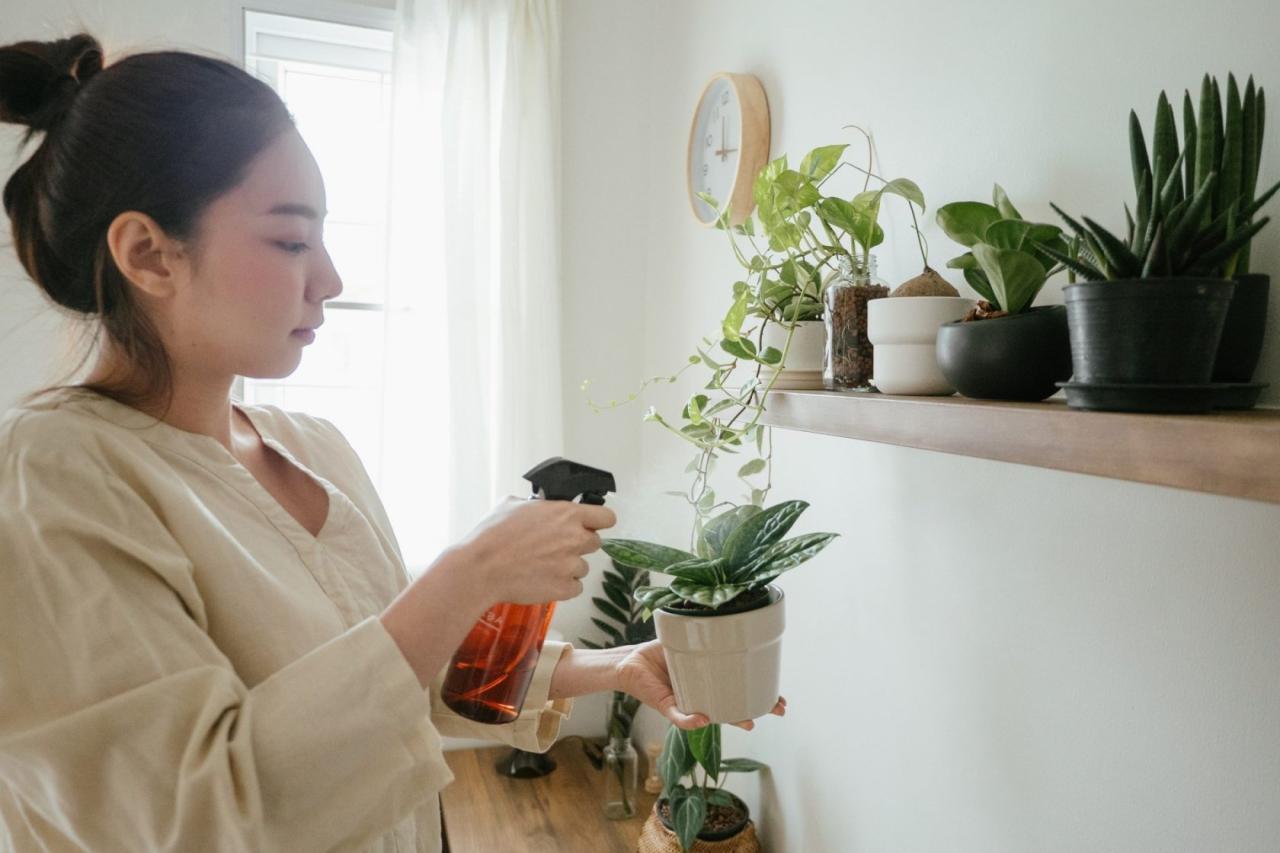
- Misting: Regular misting, especially during dry periods, can increase humidity levels. However, ensure misting does not lead to fungal issues. The water droplets should not pool on the leaves or stem, and ensure the plant has good air circulation to avoid fungal issues.
Improving Air Circulation
Adequate air circulation is just as important as maintaining humidity. Stagnant air can exacerbate heat stress on plants.
- Strategically Placed Fans: Placing fans near the heat vent, but not directly blowing on the plants, can improve air circulation. This circulation helps prevent overheating and promotes evaporation, indirectly increasing humidity.
- Proper Fan Placement: Positioning fans strategically is crucial. Aim to gently circulate air around the plants without causing direct airflow that could damage the leaves. This can be achieved by adjusting the fan’s height and angle.
- Ventilation: Ensuring proper ventilation in the space where the heat vent is located is crucial. Opening windows or using exhaust fans can reduce the overall temperature and moisture buildup, providing a more balanced environment.
Reducing Heat Buildup
Reflective surfaces can effectively reduce heat buildup.
- Reflective Materials: Strategically placed reflective materials, such as aluminum foil or reflective paint, can reflect heat away from the plants. This is particularly effective in areas with direct sunlight, but can also be beneficial near heat vents.
- Light-Colored Pots: Using light-colored pots for your plants can also help reduce heat absorption. Darker colors tend to absorb more heat, increasing the temperature around the roots and potentially stressing the plant.
Diagram of Environmental Adjustments
The diagram below illustrates the placement of humidity trays and fans near a heat vent to optimize the environment for plants. The humidity tray is placed close to the base of the plant, and the fan is positioned slightly away from the plant, gently circulating air around it. The fan is angled to avoid direct airflow and damage to the plant leaves.
Reflecting surfaces (not shown) could be strategically placed behind the plants to reflect heat away.

Watering and Maintenance
Maintaining the well-being of plants situated near heat vents necessitates a nuanced approach to watering and maintenance, differing significantly from standard practices. The constant heat and dry air generated by these vents accelerate water evaporation, requiring a more vigilant and adaptable watering strategy. Understanding these differences is crucial for preventing plant stress and ensuring optimal growth.
Consistent Watering Practices
The proximity to heat vents dictates a more frequent watering schedule compared to plants in less arid environments. The air around heat vents is significantly drier, leading to faster water loss from the soil. Plants positioned near these vents require more frequent watering to maintain adequate moisture levels. This necessitates careful monitoring of the soil moisture, which will vary greatly based on the specific plant type and the environmental conditions.
Strategic Watering Techniques
Implementing strategic watering techniques can greatly enhance the health of plants near heat vents. Watering deeply and less frequently is a valuable approach, promoting deeper root growth and enabling the plant to better withstand periods of dryness. Watering early in the morning allows the soil to absorb the water thoroughly before the heat of the day intensifies evaporation.
Avoid overhead watering, as it can lead to water pooling and potential fungal issues. Consider using a soaker hose or watering can with a gentle stream for a more targeted approach.
Watering Schedules and Plant Types
Watering schedules must be adjusted based on the specific needs of the plant species. Certain plants, such as succulents and cacti, are inherently adapted to arid conditions and require less frequent watering than other types. Conversely, tropical plants will demand more consistent watering. Monitoring the soil moisture levels regularly will be crucial to ensure that watering is not excessive or insufficient.
Fertilization Considerations
Appropriate fertilization is crucial for maintaining plant health near heat vents. The increased evaporation rate can lead to nutrient depletion more quickly. Using a balanced fertilizer formulated for arid conditions can help replenish the nutrients lost through evaporation. Following the manufacturer’s instructions and diluting the fertilizer accordingly is vital to prevent nutrient burn, which can be especially detrimental to plants in dry conditions.
Identifying Signs of Plant Stress
Recognizing the early signs of stress in plants near heat vents is critical for preventing more significant issues. Wilting, drooping leaves, and browning edges are telltale indicators of dehydration. Yellowing or browning leaves can also signify nutrient deficiencies. Brown or dry spots on the leaves can indicate either insufficient watering or excessive heat exposure. Regular observation of the plants’ overall condition and specific responses will aid in proactive intervention.
Troubleshooting Common Problems
Maintaining plant health near heat vents requires vigilance and understanding of potential issues. Recognizing the signs of distress and knowing how to address them promptly is crucial for plant survival and thriving. A proactive approach, combined with the right strategies, can mitigate these challenges and keep your plants happy and healthy.
Identifying Signs of Heat Vent Distress
Plants exhibiting signs of distress near heat vents often present specific symptoms. Wilting, browning leaf tips, and yellowing leaves are common indicators of stress. Reduced growth rate and a lack of new growth can also signal a problem. Regular observation of your plants is key to identifying issues early. Detailed records of your plants’ health and environmental conditions will provide a basis for assessing any deviations.
Understanding the Reasons for Plant Stress
Several factors contribute to plant stress near heat vents. The primary culprit is the intense heat and dry air that often emanate from these vents. This can lead to rapid water evaporation from the leaves, resulting in dehydration. The constant hot air also affects the plant’s natural transpiration process, making it difficult to regulate its temperature. Other factors may include improper watering schedules, insufficient light, or inadequate humidity levels.
Resolving Plant Stress
Several methods can help mitigate the negative effects of heat vents on plants. Increasing humidity around the plants is a crucial step. Using a humidifier, placing the plants on trays filled with water and pebbles, or grouping plants together can elevate the moisture levels. Adjusting the watering schedule to match the increased evaporation rate is also essential.
Providing more frequent, but less copious, waterings can maintain the soil’s moisture without overwatering.
Implementing Plant Pest Control
Plant pests are more likely to proliferate in environments with dry air. Heat vents, by increasing evaporation, can contribute to a drier environment, which is an ideal breeding ground for pests. Regular inspection of your plants for pests is essential. Identifying pests early on and employing appropriate pest control measures can prevent significant damage. This may involve insecticidal soaps, neem oil, or other organic pest control methods.
Organic methods are generally less harmful to the plants and the environment.
Comparing Plant Care Strategies
Various plant care strategies can be employed to address heat vent impacts. Group planting, for example, can increase the humidity around the plants, potentially mitigating the effects of dry air. Using appropriate containers that have drainage holes and proper soil mixes is also essential for plant health. Monitoring soil moisture levels to prevent overwatering or underwatering is critical.
A balance between these factors can lead to more successful plant care near heat vents. By consistently implementing these strategies, you can ensure optimal plant health and prevent long-term damage.
Addressing Soil Moisture Levels
Maintaining appropriate soil moisture is crucial for plants subjected to the dry air emanating from heat vents. Overwatering can lead to root rot, while underwatering can result in wilting and dehydration. Regularly checking the soil moisture, using your finger to gauge the dryness of the top inch of soil, is a valuable practice. Adjusting your watering schedule based on the soil’s moisture level can significantly improve plant health.
A soil moisture meter can offer more precise measurements.
Final Wrap-Up

In conclusion, successfully navigating the challenges of heat vents for your plants requires a holistic approach. By understanding the specific impacts on your plants, selecting appropriate species, and adjusting the environment, you can create a supportive microclimate. This guide provides a framework for successful plant care, ensuring that your indoor greenery flourishes near heat vents. Remember consistent watering, appropriate fertilization, and proactive troubleshooting are essential for maintaining their health.