Knowing precisely when to water your houseplants is crucial for their health and longevity. Overwatering or underwatering can lead to various problems, from wilting leaves to root rot. This comprehensive guide delves into the intricacies of watering, providing a detailed understanding of plant needs, watering techniques, and troubleshooting common issues. Learn how to identify your plants’ specific requirements and develop a personalized watering strategy for thriving houseplants.
This guide will cover everything from understanding different plant types and their watering needs, to practical techniques like bottom watering and using a moisture meter. You’ll discover how to adjust your watering schedule based on environmental factors, troubleshoot common problems, and even explore advanced techniques like self-watering pots.
Identifying Plant Needs
Understanding the specific needs of your houseplants is crucial for their thriving health. Knowing their origin and typical watering habits allows you to replicate their natural environment as closely as possible. This knowledge is essential for providing the right amount of water at the right time, preventing common problems like overwatering and underwatering.
Plant Watering Needs Comparison
Different plant types have varying watering requirements. Understanding these differences will allow you to adjust your watering schedule accordingly. This table Artikels typical watering needs for various houseplants:
| Plant Type | Watering Frequency | Soil Moisture Level |
|---|---|---|
| Succulents (e.g., Echeveria, Aloe Vera) | Once every 2-4 weeks | Allow soil to dry out completely between waterings. |
| African Violets | Every 7-10 days | Keep soil consistently moist, but not waterlogged. |
| Snake Plants (Sansevieria) | Once every 2-3 weeks | Allow the soil to dry out somewhat between waterings. |
| Pothos | Every 7-14 days | Maintain consistently moist soil. |
| Spider Plants | Every 1-2 weeks | Keep soil consistently moist. |
Importance of Origin and Environment
A plant’s natural environment significantly impacts its watering needs. Tropical plants, for instance, originating from humid regions, require more frequent watering than desert plants. Consider the climate of the plant’s origin when determining its watering requirements. For example, a plant from a rainforest will need more consistent moisture than one from a dry savanna.
Recognizing Overwatering and Underwatering
Proper watering techniques are essential for preventing issues like overwatering and underwatering. Recognizing the symptoms of both is critical for timely intervention.
- Overwatering: Symptoms can include drooping leaves, yellowing leaves, and even root rot, a serious fungal disease that can lead to the death of the plant. A tell-tale sign is overly soggy soil that remains wet for extended periods.
- Underwatering: Symptoms include wilting leaves that do not recover, and a dry, crumbly soil texture. Leaves may become crispy and brown, signaling a severe lack of moisture.
Determining Soil Moisture Levels
Several methods can be used to determine soil moisture without disturbing the roots. The best method depends on the plant and the pot size.
- Finger Test: Insert a finger about 2 inches into the soil. If the soil feels dry, it’s time to water. If the soil feels moist, wait a few more days before watering.
- Moisture Meter: These tools measure the moisture content of the soil, providing a precise indication of when to water. The readings will help determine the optimal moisture level for your plant’s specific needs.
- Weighing the Pot: Weigh the pot before and after watering. The difference in weight reflects the amount of water absorbed by the soil.
Visual Guide to Soil Moisture Levels
This table provides a visual guide to help you determine the appropriate watering action based on the soil moisture level.
| Soil Moisture Level | Description | Watering Action |
|---|---|---|
| Dry | Soil feels very dry and crumbly to the touch. | Water thoroughly until water drains from the bottom of the pot. |
| Slightly Moist | Soil feels slightly damp, but not soaking wet. | Water moderately, ensuring the soil is adequately moistened. |
| Moist | Soil feels consistently damp throughout. | Wait a few days before watering again, as the soil may still have retained moisture. |
Understanding Watering Techniques
Knowing the precise method for watering your houseplants is crucial for their health and well-being. Different watering methods cater to specific plant needs, and understanding these nuances is key to preventing issues like root rot. Proper watering techniques, along with considering factors like water temperature and quality, contribute significantly to the overall success of indoor gardening.
Watering Methods
Different watering methods offer various advantages and disadvantages depending on the plant type. Choosing the appropriate method ensures efficient water delivery and minimizes the risk of overwatering or underwatering.
- Bottom Watering: This method involves placing the pot in a tray of water. The water gradually soaks up through the drainage holes, hydrating the roots. This technique is particularly beneficial for plants with shallow root systems, as it encourages the roots to spread evenly through the soil. For example, orchids and some succulents often thrive with this method due to its controlled water absorption.
- Top Watering: This traditional method involves pouring water directly onto the soil’s surface until it drains from the pot’s drainage holes. Top watering is suitable for a broad range of houseplants, but it requires careful monitoring to prevent overwatering. Overwatering can lead to waterlogging, which damages roots. It is important to allow excess water to drain completely. Using a watering can or a spray bottle are effective methods for top watering.
- Watering Can or Spray Bottle: Both tools can effectively deliver water to your plants. Watering cans are best for larger plants that need more water, whereas spray bottles are excellent for delicate plants like ferns or succulents, which require a more controlled watering approach. Proper use of either method involves monitoring water absorption and avoiding waterlogging, which can lead to root rot.
Advantages and Disadvantages of Watering Methods
A comparison of watering methods reveals the benefits and drawbacks for different plant types.
| Watering Method | Advantages | Disadvantages | Suitable Plant Types |
|---|---|---|---|
| Bottom Watering | Encourages even root growth, reduces the risk of overwatering for shallow-rooted plants, and minimizes water splashing on foliage. | Can be time-consuming, and may not be suitable for plants with dense root systems or those needing a lot of water quickly. | Orchids, succulents, some ferns, and plants with shallow root systems. |
| Top Watering | Convenient for most plants, allows for direct control over water absorption, and easier to monitor water levels. | Risk of overwatering and waterlogging, particularly if not monitored carefully, and can splash water on foliage, potentially damaging it. | Most houseplants, including flowering plants, foliage plants, and most varieties. |
| Watering Can/Spray Bottle | Provides precise control over water distribution, adaptable to various plant needs, and reduces splashing on foliage. | Watering cans can be less precise for smaller plants, and spray bottles might not deliver enough water for larger plants. | Plants of various sizes and sensitivities, ensuring careful consideration of water volume. |
Proper Watering Techniques for Different Plant Types
Different plants have different water requirements, and understanding these needs is crucial for their health.
- Succulents and cacti: These plants store water in their leaves and stems. They require less frequent watering than other plants. Allow the soil to dry out completely between waterings. Overwatering is a major concern for these plants. Avoid watering these plants excessively and during the cold season.
- Tropical plants: These plants often prefer consistently moist soil. Water regularly, ensuring the soil remains consistently moist but not waterlogged. Regular monitoring is essential for these plants. Proper watering prevents both overwatering and underwatering.
- Air plants: These plants require infrequent watering and are best watered by submersion in water. Soak the plant in water for a few minutes and allow it to drain completely before placing it back in its holder. Overwatering can lead to rot, while underwatering can result in the plant becoming dehydrated. Proper watering ensures these plants thrive.
Water Temperature and Quality
Using appropriate water temperature and quality for houseplants is vital.
Using room temperature water is generally recommended, as extremely hot or cold water can shock the plant’s roots. Avoid using hard water, as it can leave mineral deposits that can harm the plant over time. Rainwater or distilled water is an ideal choice for superior water quality. Using filtered or softened water can also be beneficial, improving the water quality for your plants.
Adjusting Watering Schedules
Environmental factors significantly impact watering needs.
Temperature, humidity, and light exposure all affect how quickly the soil dries out. During warmer months or in areas with high light exposure, plants will require more frequent watering. Conversely, during cooler months or in areas with low light exposure, plants will need less frequent watering. Monitoring these factors and adjusting your watering schedule accordingly will ensure your houseplants remain healthy and thriving.
Monitoring and Adjusting Watering Practices
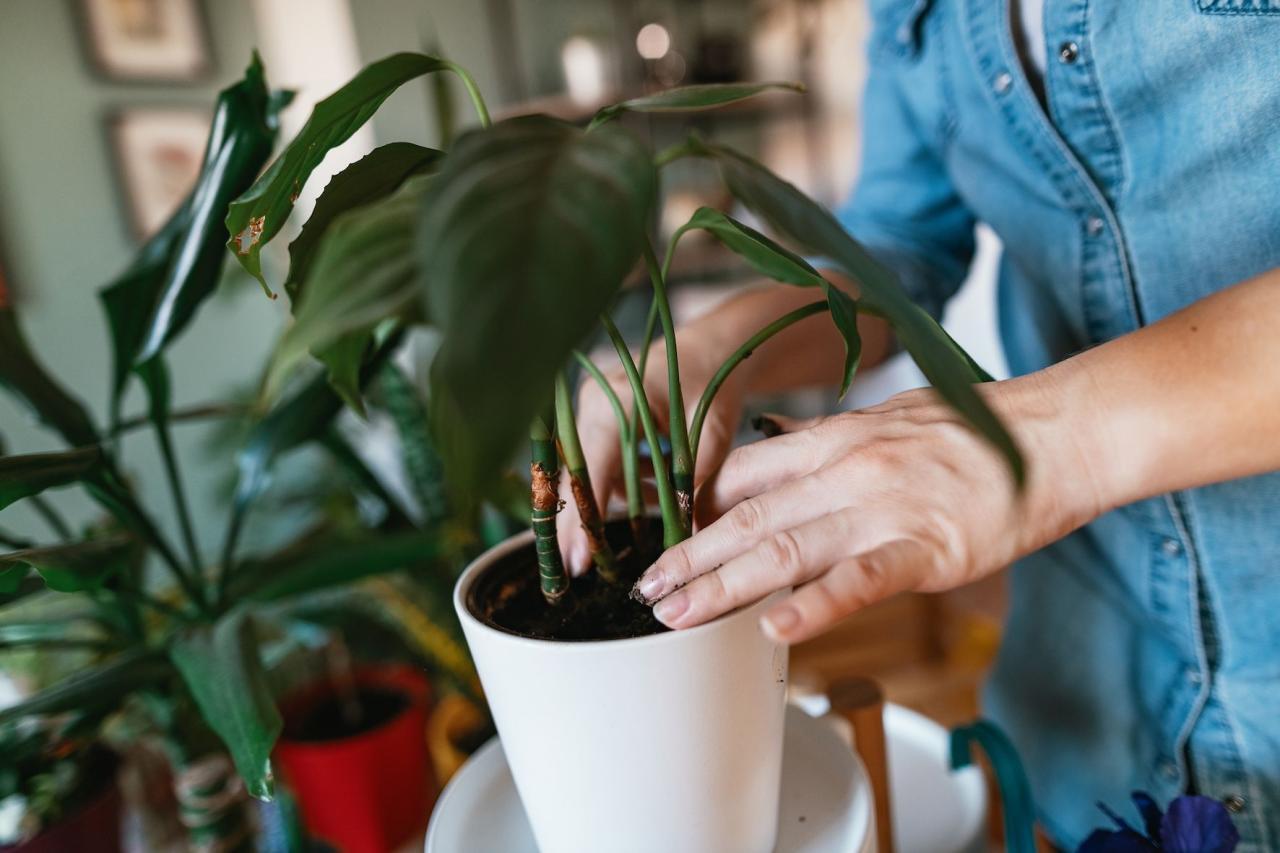
Mastering the art of watering your houseplants involves more than just a schedule. It requires consistent monitoring and adjustments based on the plant’s specific needs and environmental conditions. By developing a keen eye for the subtle signs of hydration, you can provide optimal care and encourage robust growth.
Checking Soil Moisture Level
Understanding the moisture level of the soil is crucial for determining the appropriate watering frequency. Ignoring this vital step can lead to overwatering or underwatering, both detrimental to plant health. Directly observing the soil’s moisture content is a fundamental step.
- Visual Inspection: Carefully feel the top few inches of the soil. Is it dry, moist, or soggy? A dry soil will require watering, while a soggy soil indicates that watering is unnecessary. This method is a simple and effective first step in determining watering needs.
- The Finger Test: Insert a fingertip about two inches into the soil. If the soil feels dry, it is time to water. If the soil feels moist, watering is not immediately necessary. This is a practical and readily available method for assessing soil moisture.
- The Wooden Skewer Test: Use a wooden skewer or chopstick to check the moisture level. If the skewer comes out clean, the soil is dry and needs watering. If it comes out with soil clinging to it, the soil is moist.
Using a Moisture Meter
A moisture meter is a tool that provides a more precise reading of soil moisture. These meters often use electrical conductivity to measure the moisture content.
- Understanding Meter Readings: Most moisture meters have a scale that indicates the moisture level. Low readings usually signify dry soil, while high readings suggest moist or saturated soil. It is crucial to understand the meter’s scale and the appropriate range for your specific plant type.
- Calibration: Different meters might require calibration. Refer to the user manual for your specific model for instructions on calibration. Calibration ensures accurate readings and allows for precise watering practices.
- Interpreting Readings: Consistency in interpreting the readings is vital. For example, a reading of “dry” might indicate the need for immediate watering for one plant, while another might tolerate a drier soil condition. Regular use and understanding of the specific plant’s needs are essential.
Determining Ideal Watering Time
The ideal time to water your plants can significantly affect their health. Consider factors like temperature, humidity, and sunlight exposure.
- Morning Watering: Watering in the morning allows the soil to dry out before nightfall, minimizing the risk of fungal diseases. This is particularly beneficial for plants in warm climates.
- Evening Watering: Watering in the evening can be advantageous in cooler climates, reducing water loss through evaporation. This approach can be beneficial for plants in cooler regions.
- Avoiding Direct Sunlight: Watering during periods of intense sunlight can cause rapid evaporation, reducing the effectiveness of the watering process. Therefore, try to avoid watering plants directly when the sun is at its strongest.
Adjusting Watering Frequency
The frequency of watering needs to be adjusted based on the plant’s response. Pay attention to how the plant reacts to your watering practices.
- Observing Wilting: If a plant shows signs of wilting, it likely needs more water. However, ensure that the soil is not already saturated.
- Monitoring Leaf Color: Observe the color of the leaves. Yellowing or browning leaves might indicate overwatering or underwatering. Assess the overall health and look for patterns in the response.
- Adjusting Schedules: Adjust the watering schedule based on the plant’s response. If the plant is showing signs of dryness, increase the frequency. If the soil remains moist, reduce the frequency.
Seasonal Watering Needs
The specific watering needs of plants can vary based on the season. Consider the environmental conditions in your region when determining your watering schedule.
| Plant Type | Spring | Summer | Autumn | Winter |
|---|---|---|---|---|
| African Violet | Moderate | Moderate to High | Low | Low |
| Snake Plant | Low | Low to Moderate | Low | Low |
| Spider Plant | Moderate | High | Moderate | Low |
Troubleshooting Watering Issues
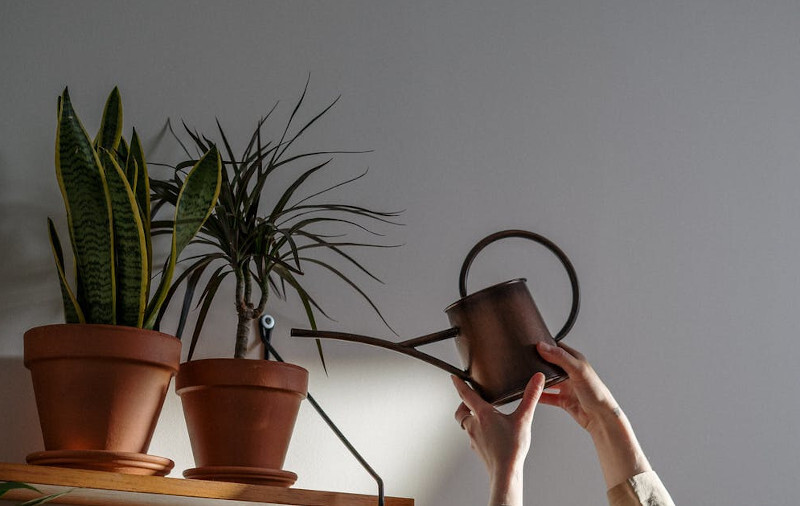
Maintaining the proper watering regime for houseplants is crucial for their health and longevity. However, even with meticulous care, occasional problems can arise. Understanding the causes and solutions for common watering issues empowers you to quickly address them and keep your plants thriving.Identifying and addressing watering problems promptly can prevent further damage and ensure your plants continue to flourish.
By recognizing the signs of overwatering or underwatering, you can implement appropriate corrective measures to maintain the optimal moisture levels for each plant’s unique needs. This section will explore common issues like root rot and wilting, their causes, and effective solutions.
Root Rot
Root rot is a prevalent problem stemming from overwatering, which leads to a lack of oxygen for the roots. This condition causes the roots to decay, hindering nutrient and water absorption. Recognizing the signs of root rot is critical for prompt intervention. Plants exhibiting signs of root rot may display yellowing or browning leaves, along with a soggy or mushy appearance of the soil.
Causes of Root Rot
Several factors contribute to root rot. Poor drainage is a significant contributor, trapping excess water around the roots. Watering with insufficiently clean water can also contribute to root rot. Frequent overwatering, especially with poorly draining potting mixes, is another major cause.
Solutions for Root Rot
Correcting root rot requires a multi-faceted approach. First, carefully assess the condition of the plant and soil. If the plant’s roots are significantly affected, repotting is often necessary. Using a fresh, well-draining potting mix is crucial. Repotting with a new mix that promotes drainage is a key component in addressing the problem.
A proper repotting process involves removing the plant from the old pot, gently removing excess soil, and checking the roots for signs of rot. Remove any severely affected roots and then place the plant in a new pot filled with fresh, well-draining soil. Adjust your watering schedule significantly, ensuring the soil is almost completely dry before watering again.
Wilting
Wilting is another common issue that can be caused by various factors, including insufficient watering. Plants exhibiting wilting may display drooping or limp leaves. Understanding the causes of wilting is crucial for effective treatment.
Causes of Wilting
Insufficient watering, especially in dry conditions, is a significant cause of wilting. Another potential cause is inadequate light exposure. Plants require adequate light to perform photosynthesis and produce the energy needed for proper hydration. Other factors like pests or diseases may also contribute to the plant’s overall wilting.
Solutions for Wilting
Addressing wilting involves determining the underlying cause. If the issue is insufficient watering, increase the frequency and amount of watering, taking into account the plant’s specific needs. If the plant is not receiving adequate light, consider relocating it to a sunnier spot. Checking for pests or diseases is also important. Implementing these solutions can help restore the plant’s health.
Preventing Watering Issues
Consistent monitoring of soil moisture is essential to prevent future problems. This involves regularly checking the soil’s dryness before watering. Adjusting watering schedules based on environmental conditions, such as temperature and humidity, is another critical preventive measure. Furthermore, using well-draining potting mixes is a fundamental step in preventing overwatering.
Drainage
Proper drainage is paramount in preventing overwatering. When repotting, selecting a pot with adequate drainage holes is essential. The potting mix should also be well-draining, preventing water from accumulating around the roots. Avoid overwatering and ensure the soil dries out between waterings. Maintaining proper drainage is key to the long-term health of your houseplants.
Advanced Watering Strategies
Optimizing watering practices for houseplants extends beyond basic techniques. Advanced strategies, such as utilizing self-watering systems, soilless mixes, and automated drip irrigation, can significantly improve plant health and reduce the need for constant monitoring. These methods allow for more precise and efficient water delivery, tailored to the specific needs of each plant.Employing advanced techniques allows for greater control over the watering process, leading to healthier and more vibrant houseplants.
This proactive approach can reduce stress on the plants, minimizing the risk of overwatering or underwatering, and thus promoting robust growth and development.
Self-Watering Pots
Self-watering pots offer a convenient solution for busy plant owners. These pots incorporate a reservoir that holds water, gradually releasing it to the plant roots as needed. This constant moisture supply minimizes the frequency of watering, allowing for a more hands-off approach. Self-watering pots are particularly beneficial for plants that require consistent moisture levels, such as orchids and ferns.
Soilless Mixes
Soilless mixes, often composed of peat moss, perlite, and vermiculite, offer several advantages for houseplants. These mixes drain quickly, preventing waterlogging and root rot. This drainage characteristic is ideal for plants that prefer well-draining conditions. However, soilless mixes can dry out faster than traditional soil mixes. Proper monitoring and watering adjustments are essential to maintain optimal moisture levels.
Plants accustomed to traditional soil may require a gradual transition to soilless mixes.
Drip Irrigation
Drip irrigation is a targeted watering method that delivers water directly to the base of the plant’s roots. This technique minimizes water waste, as it avoids unnecessary moisture on the foliage, reducing the risk of fungal diseases. Drip irrigation is particularly useful for plants with specific watering needs, such as cacti and succulents, which thrive in dry conditions. This targeted water delivery also minimizes the chance of disturbing the delicate root systems of these plants.
The method can be adjusted for different plant types, ensuring that each receives the ideal amount of water at its roots.
Watering Timers
Automated watering systems, often utilizing timers, can simplify the process of maintaining consistent watering schedules. Different timers offer varying levels of sophistication, ranging from basic models that regulate watering frequency to advanced systems that incorporate sensors to monitor soil moisture. The effectiveness of a timer depends heavily on the accuracy of the pre-programmed settings and the specific needs of the plant.
The optimal watering frequency should be established based on plant type and environmental conditions.
Watering During Extreme Temperatures
Watering practices must be adjusted during periods of extreme heat or cold. During hot weather, plants require more frequent watering to compensate for increased evaporation. Watering in the cooler parts of the day, such as early morning or late evening, can help minimize water loss. Conversely, during cold weather, plants may require less water due to reduced evaporation rates.
Close monitoring is essential to prevent overwatering, especially in cold conditions where water may stay in the soil for longer periods, increasing the risk of root damage. Plants in containers may need more frequent checks than those in the ground due to the limited space for water retention.
Visual Aids and Examples
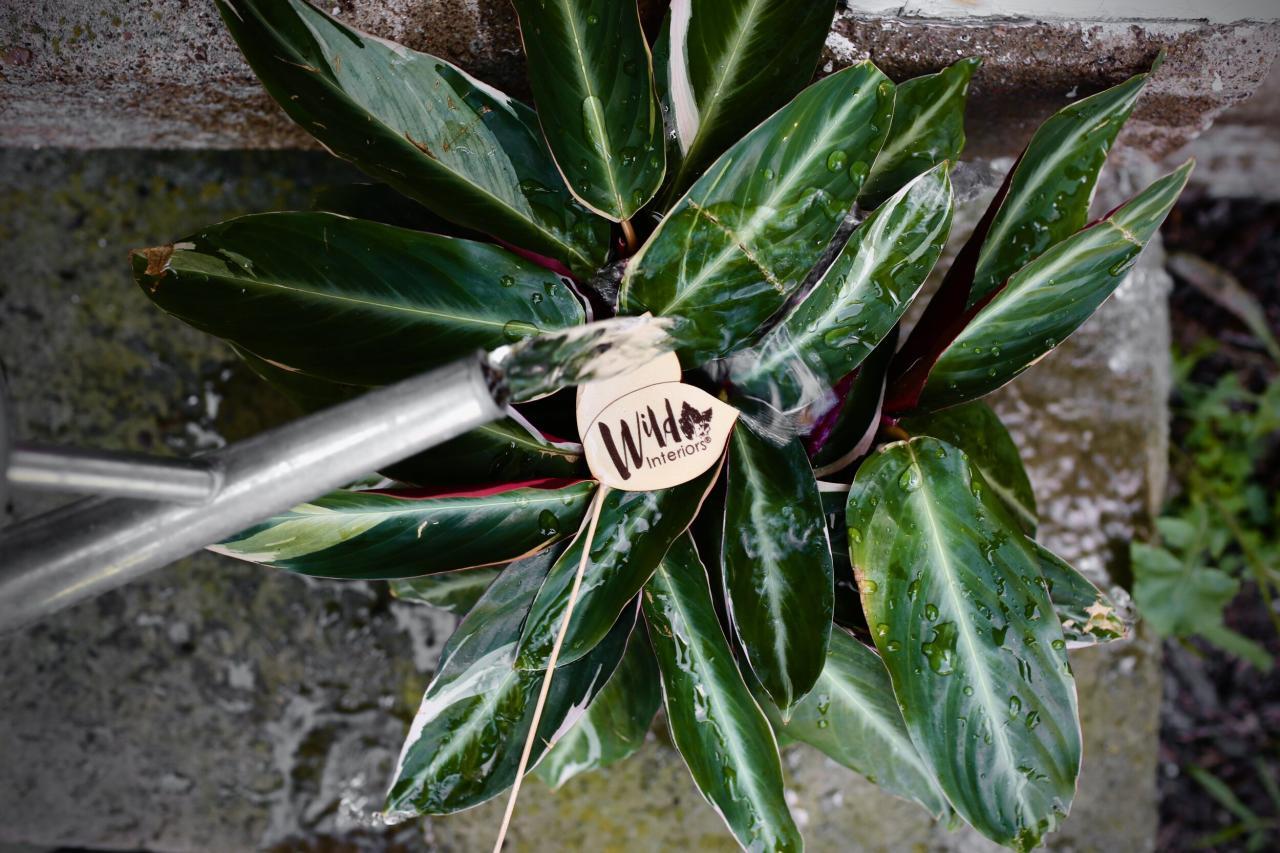
Visual aids and examples are crucial for understanding and applying the knowledge gained about watering houseplants. They provide practical tools for visualizing watering techniques, plant needs, and the consequences of improper watering. This section offers visual representations of various watering methods, allowing for a more tangible and intuitive grasp of the concepts.
Typical Watering Schedules for Different Plant Types
Understanding the varying needs of different plants is essential. The optimal watering schedule varies based on factors such as plant type, pot size, and environmental conditions. The table below provides a general guideline for typical watering schedules in different seasons. It is important to remember these are just starting points, and adjustments should be made based on individual plant needs.
| Plant Type | Spring/Summer Watering Schedule | Fall/Winter Watering Schedule |
|---|---|---|
| Succulents (e.g., Echeveria, Aloe) | Water thoroughly when the soil is completely dry. Allow the soil to dry out completely between waterings. | Water sparingly, only when the soil is almost completely dry. |
| Tropical Plants (e.g., Monstera, Calathea) | Water when the top inch of soil feels dry. | Water less frequently, allowing the top inch of soil to dry out slightly more between waterings. |
| Fiddle-Leaf Figs | Water deeply and thoroughly when the top inch of soil is dry. | Water less frequently, ensuring the soil is allowed to dry out between waterings. |
| Spider Plants | Water when the top inch of soil feels dry. | Water less frequently, allowing the soil to dry out between waterings. |
Using a Moisture Meter
Moisture meters are valuable tools for determining the moisture level of the soil without needing to rely solely on visual cues. Different types of moisture meters exist, each with its own functionality. 
 A digital moisture meter, like the one shown above, provides a numerical reading of the soil moisture, allowing for more precise watering. Analog moisture meters, as illustrated, often use a color-coded scale, with varying colors corresponding to different moisture levels. Insert the probe into the soil, ensuring it reaches the desired depth, and read the displayed moisture level.
Bottom Watering Technique
Watering plants from the bottom can be a beneficial technique for certain plants. This method helps to encourage deep root growth and reduce the risk of overwatering.  The diagram illustrates the proper way to bottom water. Place the pot in a tray filled with water, ensuring the water does not touch the stem or leaves. Allow the plant to absorb water through the drainage holes. Remove the pot from the tray when the soil is adequately moistened.
Identifying Signs of Overwatering and Underwater
Overwatering and underwatering can negatively impact plant health. Identifying these issues early is crucial for proper care. 
 Overwatering leads to symptoms such as yellowing leaves, drooping stems, and root rot. Underwatering, on the other hand, is characterized by wilting, dry leaves, and a light brown or tan color to the soil.
Repotting a Plant
Repotting a plant is a necessary procedure for ensuring healthy growth. 

 Repotting involves carefully removing the plant from its old pot, gently removing the old potting mix, and planting the plant in a new pot with fresh potting mix. Proper repotting ensures the plant has the space and nutrients it needs for optimal growth.
Last Point
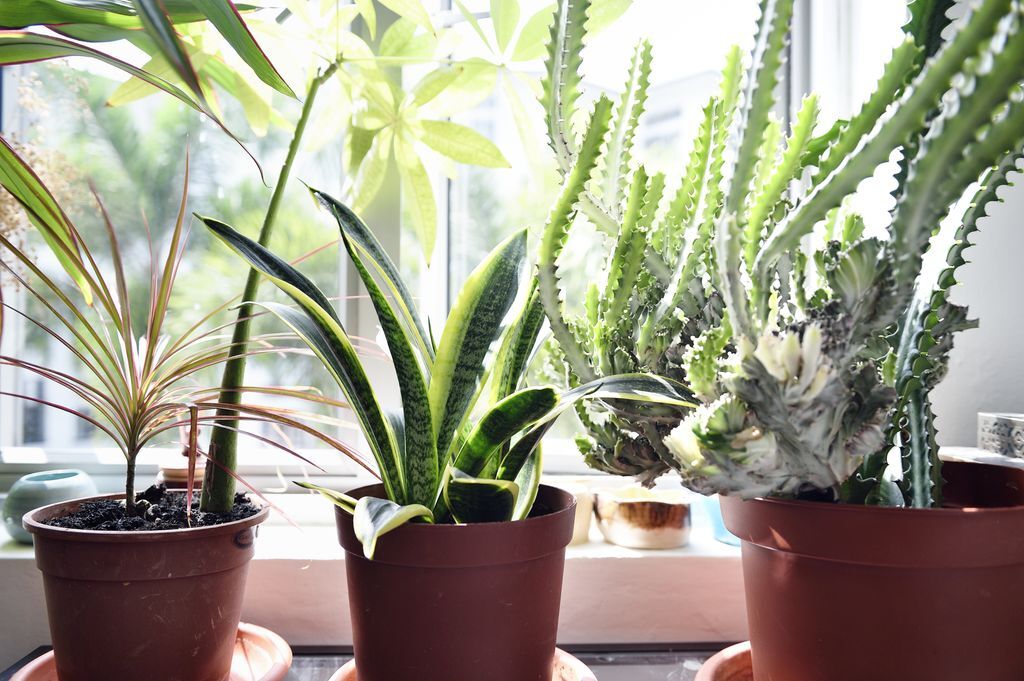
In conclusion, this guide provides a comprehensive framework for understanding and effectively watering your houseplants. By recognizing individual plant needs, mastering various watering techniques, and consistently monitoring their responses, you can cultivate a thriving indoor garden. Remember, the key to success lies in understanding your plants and adapting your approach based on their specific requirements.