Knowing when to cease seasonal fertilization is crucial for optimal plant health. This comprehensive guide delves into the intricacies of plant nutrient needs, soil conditions, and the signs that indicate a plant has absorbed sufficient nutrients. By understanding these factors, you can avoid over-fertilization, a common pitfall that can harm your plants and the environment.
This guide provides a detailed approach, from understanding plant nutrient requirements and identifying indicators of plant health to assessing soil conditions and determining optimal fertilization practices. We’ll also explore the risks of over-fertilization and discuss strategies for maintaining healthy plant growth beyond fertilization.
Understanding Plant Nutrient Needs
A crucial aspect of successful gardening and plant care is understanding the specific nutrient requirements of plants. Knowing how nitrogen, phosphorus, and potassium impact plant growth allows for informed fertilization strategies, optimizing plant health and yield. This section delves into the fundamental roles of these essential nutrients, their effects on different plant stages, and the signs of both deficiency and excess.Plant growth relies on a complex interplay of nutrients.
Key macronutrients like nitrogen, phosphorus, and potassium are vital for various aspects of development, from early seedling growth to flowering and fruiting. Recognizing the unique roles of these nutrients helps gardeners tailor their fertilization practices to meet the specific needs of their plants at different stages. Understanding the signs of nutrient deficiencies and excesses allows timely intervention, preventing potential yield loss and promoting overall plant health.
Fundamental Roles of Macronutrients
Nitrogen, phosphorus, and potassium are essential macronutrients that play distinct roles in plant development. Nitrogen is primarily responsible for foliage growth and chlorophyll production, vital for photosynthesis. Phosphorus is critical for root development, energy transfer, and flowering. Potassium supports overall plant health, strengthens cell walls, and aids in disease resistance. Their interplay is fundamental to a healthy plant.
Effects of Nutrients on Plant Development
Nutrient availability significantly impacts plant growth at different stages. Young seedlings require adequate nitrogen for robust leaf development. As plants mature and enter the flowering stage, phosphorus becomes increasingly important for optimal bloom production and fruit development. Potassium is crucial throughout the entire life cycle, maintaining overall plant health and resilience.
Signs of Nutrient Deficiencies and Excesses
Nutrient deficiencies and excesses can manifest visually in various ways. Identifying these signs early allows for timely corrective measures. Deficiencies often result in stunted growth, discolored leaves, or altered flowering patterns. Excesses, while less common, can also cause problems, such as leaf burn or nutrient toxicity. Careful observation is key to maintaining plant health.
Visual Symptoms of Macronutrient Deficiencies
Understanding the visual symptoms of nitrogen, phosphorus, and potassium deficiencies allows for prompt identification and corrective actions. A table illustrating the visual symptoms in various plant types is presented below.
| Nutrient | Deficiency Symptoms (General) | Symptoms in Leafy Vegetables | Symptoms in Fruit Trees |
|---|---|---|---|
| Nitrogen | Pale, yellowing leaves, especially on older leaves; stunted growth. | Light green to yellowish leaves; reduced leaf size and yield. | Reduced leaf size and vigor; delayed fruiting; overall decline in tree health. |
| Phosphorus | Dark green to purplish leaves; stunted growth; poor root development. | Dark green leaves; reduced leaf size; purple or reddish coloring. | Reduced flowering; small, pale fruit; weak root system. |
| Potassium | Leaf margins or tips turning brown or yellow; leaf scorching; weakened stems. | Leaf margins or tips browning; spotting or discoloration; reduced yield. | Leaf margins browning or curling; reduced fruit size; susceptibility to disease. |
Note: Visual symptoms can vary depending on the specific plant species, growing conditions, and other environmental factors. A qualified professional can provide accurate diagnosis in more complex situations. Accurate identification and timely intervention are crucial for preventing severe damage.
Identifying Indicators of Plant Health
Understanding the visual cues that signal a plant’s health is crucial for successful gardening. By observing a plant’s foliage, stems, and roots, gardeners can identify potential problems early and implement appropriate solutions. This proactive approach often prevents more significant issues from developing, ensuring healthy growth and robust yield.
Visual Cues of Plant Thriving
Plants exhibiting vibrant, healthy growth display a multitude of visual cues. Deep green, glossy foliage indicates optimal nutrient uptake. Strong, upright stems suggest robust structural integrity and good overall health. A healthy root system, when visible, is typically dense and well-developed, providing ample support and nutrient absorption.
Visual Cues of Plant Struggling
Conversely, struggling plants reveal telltale signs of stress. Yellowing or browning leaves, often accompanied by wilting or stunted growth, indicate nutrient deficiencies or other issues. Thin, weak stems may be a symptom of insufficient support or nutrient imbalance. Roots may exhibit signs of damage or decay, which can be indicative of diseases, pests, or environmental issues.
Importance of Observing Foliage, Stems, and Roots
Regularly inspecting foliage, stems, and roots allows gardeners to detect problems early. This proactive approach is key to successful plant care. Identifying stress factors early allows for timely intervention, preventing more serious consequences and promoting overall plant health.
Common Pests and Diseases Affecting Nutrient Uptake
Numerous pests and diseases can negatively impact a plant’s ability to absorb nutrients. Aphids, for example, feed on plant sap, disrupting nutrient flow and causing stunted growth. Spider mites can also damage leaves, hindering photosynthesis and nutrient uptake. Fungal diseases can block the uptake of water and nutrients by clogging the vascular system of the plant. Root rot is a particularly devastating disease that inhibits the plant’s ability to absorb essential nutrients.
Environmental Factors Impacting Nutrient Needs
Environmental factors play a significant role in a plant’s nutrient needs. Temperature extremes can disrupt metabolic processes, affecting nutrient uptake. Adequate water availability is essential; insufficient water can stress the plant, reducing its ability to absorb nutrients. Similarly, sunlight intensity and duration are crucial factors. Too much or too little sunlight can negatively affect photosynthesis and, consequently, nutrient assimilation.
For example, a plant in a consistently cold environment may require adjustments in its nutrient intake compared to a plant in a warmer climate.
Assessing Soil Conditions
Understanding soil conditions is crucial for determining the appropriate fertilization schedule. Soil health significantly influences nutrient uptake by plants. Factors like soil type, pH, and existing nutrient levels dictate how effectively plants absorb and utilize fertilizers. This section details various methods for evaluating soil conditions and how these conditions affect nutrient availability.
Methods for Assessing Soil Nutrient Levels
Accurate assessment of soil nutrient levels is essential for tailoring fertilization strategies. Several methods can provide insights into the nutrient content of your soil. Direct observation, while providing a general overview, is limited in its precision. More sophisticated methods, such as soil testing kits, offer a more detailed analysis of nutrient levels.
- Direct Observation: Visual inspection of soil characteristics can offer preliminary insights into nutrient levels. Darker, richer soil often suggests higher organic matter content and potentially better nutrient retention. A loose, crumbly texture indicates good drainage, while compacted soil may hinder nutrient availability. However, this method is subjective and may not reveal specific nutrient deficiencies or excesses.
- Soil Testing Kits: These kits provide a convenient and relatively inexpensive way to analyze soil samples for key nutrients like nitrogen, phosphorus, and potassium. Instructions typically involve collecting a sample of soil, mixing it with a provided solution, and observing the resulting color change. This process yields a general indication of nutrient levels, allowing for adjustments to your fertilization routine.
Different Soil Types and Nutrient Holding Capacities
Soil types vary significantly in their composition and ability to retain nutrients. Understanding these differences is crucial for determining appropriate fertilization strategies. Different soil types have varying particle sizes, which impact water retention and nutrient availability.
- Sandy Soil: Sandy soil has large particles, leading to poor water retention and nutrient leaching. Nutrients are easily washed away by rainfall, requiring more frequent fertilization. This soil type generally has a lower nutrient-holding capacity compared to other types.
- Clay Soil: Clay soil is composed of small particles, resulting in excellent water retention. While this allows for good nutrient retention, water can become stagnant, potentially hindering aeration and root growth. Clay soil can also become compacted, further limiting nutrient availability. Thus, proper drainage is often necessary.
- Loamy Soil: Loamy soil, a mixture of sand, silt, and clay, strikes a balance between water retention and drainage. This soil type generally has a high nutrient-holding capacity and good aeration, making it ideal for most plants.
Importance of Soil pH and Nutrient Availability
Soil pH significantly impacts nutrient availability. Each nutrient has an optimal pH range for maximum absorption by plants. Variations in pH can limit nutrient uptake, leading to deficiencies.
- Optimal pH Ranges: Different nutrients have specific pH ranges for optimal absorption. For example, nitrogen availability is usually highest in slightly acidic soils, while phosphorus availability peaks at a neutral pH.
- Adjusting Soil pH: Adjusting soil pH is often necessary to ensure optimal nutrient availability. Soil amendments, such as lime (to raise pH) or sulfur (to lower pH), can be added to bring the pH into the desired range for specific plant requirements. This process requires careful monitoring and consideration of plant species.
Typical Nutrient Levels in Different Soil Types
The table below provides a general overview of typical nutrient levels in various soil types. Note that these values are approximations and can vary based on specific location and environmental conditions.
| Soil Type | Nitrogen (ppm) | Phosphorus (ppm) | Potassium (ppm) |
|---|---|---|---|
| Sandy Soil | 50-150 | 20-50 | 50-100 |
| Loamy Soil | 150-250 | 50-100 | 100-200 |
| Clay Soil | 100-200 | 30-70 | 70-150 |
Determining Optimal Fertilization Practices
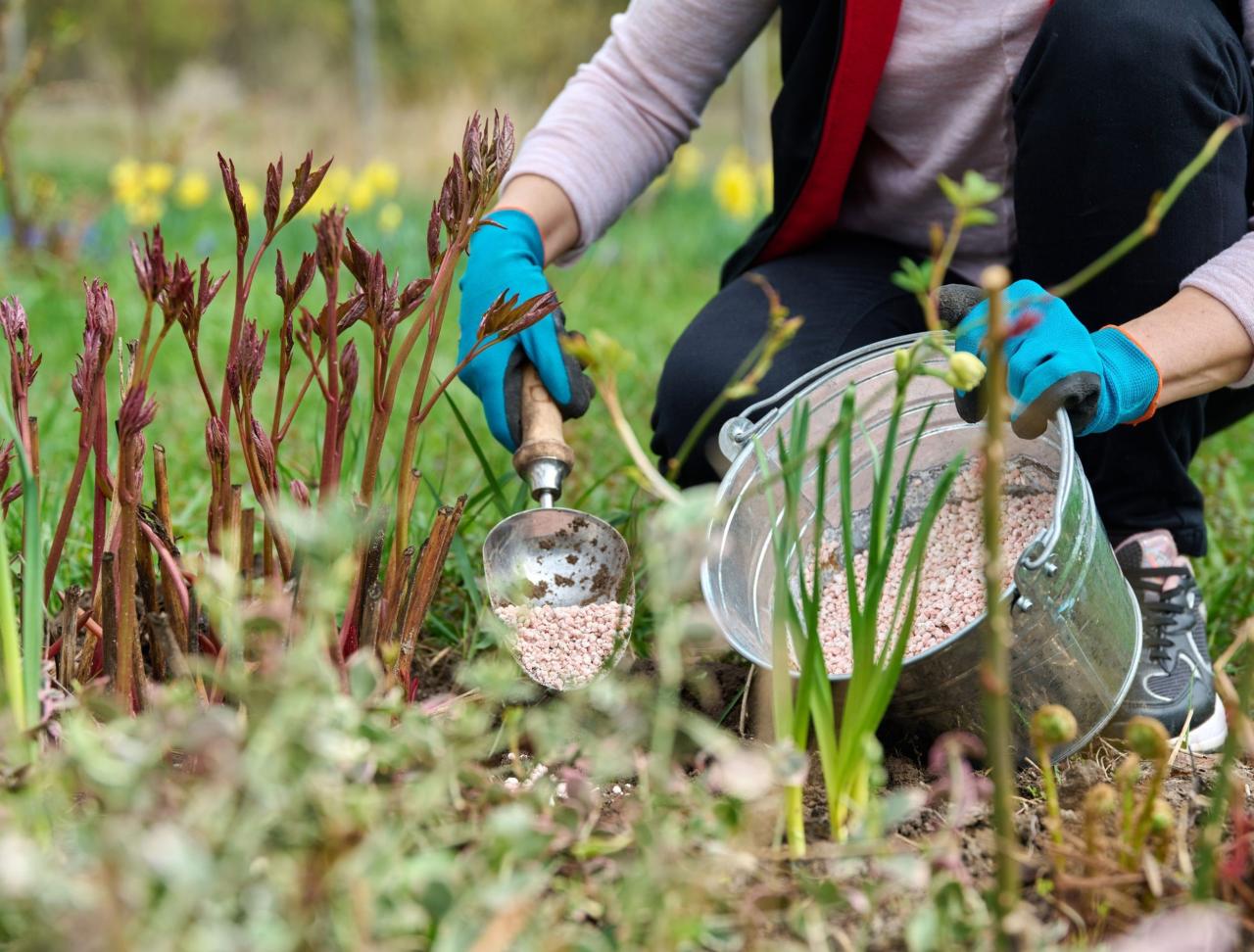
Understanding plant nutrient needs is crucial for healthy growth, but knowing
- how* much fertilizer to apply and
- when* is equally important. Over-fertilizing can be detrimental, leading to nutrient burn and harming the plant. Conversely, insufficient fertilization can result in stunted growth and reduced yields. This section details the various types of fertilizers, their benefits and drawbacks, and provides guidelines for appropriate application rates and schedules for different plants.
Types of Fertilizers
Different fertilizer types offer various advantages and disadvantages, impacting their suitability for different plant types and growing conditions. Choosing the right fertilizer is critical for achieving optimal plant health and growth.
- Organic Fertilizers: These fertilizers are derived from natural sources, such as compost, manure, and seaweed. They release nutrients slowly, promoting sustained plant growth and enhancing soil health. They improve soil structure and water retention, and are generally considered environmentally friendly due to their natural composition.
- Synthetic Fertilizers: These fertilizers are manufactured using chemical processes. They provide a concentrated dose of nutrients, enabling rapid plant growth. However, they can potentially harm the soil environment if overused and can lead to runoff issues if not managed properly. They are often formulated with specific nutrient ratios (e.g., NPK).
Comparison of Fertilizer Types
The choice between organic and synthetic fertilizers depends on individual needs and priorities. Careful consideration of pros and cons will aid in making an informed decision.
| Feature | Organic Fertilizer | Synthetic Fertilizer |
|---|---|---|
| Nutrient Release | Slow-release, promotes sustained growth | Rapid release, encourages quick growth |
| Soil Impact | Improves soil structure, enhances water retention, increases microbial activity | Can potentially harm soil structure and microbial activity if overused |
| Environmental Impact | Generally considered environmentally friendly | Potentially harmful to the environment due to runoff and pollution |
| Cost | Often more expensive per application due to slower release | Generally less expensive per application |
| Nutrient Composition | Variable, often containing a wider range of micronutrients | Precisely formulated with specific ratios of Nitrogen (N), Phosphorus (P), and Potassium (K) |
Recommended Application Rates
The appropriate amount of fertilizer depends heavily on the specific plant species. Plants have varying nutrient requirements. Understanding these needs is essential for optimizing plant growth and preventing issues like nutrient burn.
- Vegetables: Vegetables generally require higher nutrient levels than flowers or shrubs. Rates should be adjusted according to the specific vegetable type and growth stage. For example, leafy greens often need higher nitrogen levels for rapid growth.
- Flowers: Flowers have diverse nutrient requirements depending on the species. Annuals typically need more frequent feeding than perennials, reflecting their different growth cycles.
- Lawns: Lawn fertilizers should be applied based on the type of grass and the desired growth rate. Over-fertilizing can lead to unwanted growth and potentially harm the grass.
Fertilizer Application Schedules
Regular application of fertilizers is vital for healthy plant growth. The timing and frequency of fertilization vary significantly based on the plant’s needs and the season.
| Plant Type | Spring | Summer | Fall | Winter |
|---|---|---|---|---|
| Vegetables (e.g., tomatoes, peppers) | High | Moderate | Low | Low |
| Flowers (e.g., roses, petunias) | Moderate | Moderate | Low | Low |
| Lawns (e.g., Bermuda grass) | Moderate | Moderate | Moderate | Low |
| Trees and Shrubs | Low | Low | Low | Low |
Note: The table above provides a general guideline. Specific application schedules should be determined based on individual plant needs and local growing conditions.
Recognizing When to Stop Fertilizing

Knowing when to cease fertilizing is crucial for plant health and preventing potential harm. Over-fertilization can lead to nutrient burn, hindering growth and potentially damaging the plant’s roots. Conversely, under-fertilization can result in stunted growth and reduced vigor. This section will detail how to interpret soil test results, understand plant growth stages, and recognize signs of sufficient nutrient uptake, enabling informed decisions about the timing of your fertilization schedule.
Interpreting Soil Test Results
Soil test results provide valuable insights into the nutrient content of your soil. These results typically express nutrient levels in parts per million (ppm) or other comparable units. Understanding the recommended ranges for your specific plants is essential for proper interpretation. For instance, a high phosphorus level might indicate that the plant has sufficient phosphorus for the time being, thus minimizing the need for additional phosphorus-rich fertilizer.
Knowing the target nutrient levels allows for a more precise approach to fertilization.
Relationship Between Plant Growth Stage and Nutrient Requirements
Plants exhibit varying nutrient needs throughout their life cycle. Young seedlings, for example, require a different nutrient profile compared to mature plants or flowering plants. The initial stages of growth demand higher amounts of nitrogen to support leaf development. Later stages, such as flowering and fruiting, may require more phosphorus and potassium to support reproductive processes. Adjusting fertilization practices to align with the plant’s growth stage ensures optimal nutrient uptake and healthy development.
Signs of Sufficient Nutrient Absorption
Visual cues can often signal when a plant has absorbed sufficient nutrients for the season. Healthy, vibrant green foliage is a common indicator of adequate nutrient uptake. The absence of nutrient deficiencies, such as yellowing leaves or stunted growth, also suggests that the plant is receiving the necessary nutrients. Monitoring the plant’s overall health and vigor provides valuable insights into its nutritional status.
Adjusting Fertilization Based on Seasonal Changes and Environmental Conditions
Environmental factors significantly impact nutrient requirements. Rainfall, temperature, and sunlight exposure all influence how quickly plants absorb and utilize nutrients. For example, during periods of drought, plants may absorb nutrients at a slower rate. In such cases, adjusting the fertilizer application schedule and amounts can prevent potential harm from over-fertilization. Furthermore, different seasons will demand different levels of nutrients, as plant requirements change based on growth patterns.
Monitoring these factors enables a more adaptable approach to fertilization.
Preventing Over-Fertilization
Over-fertilizing, a common mistake in gardening, can lead to detrimental effects on plant health and the environment. Understanding the risks and implementing preventative measures is crucial for maintaining a thriving garden. This section details the negative consequences of excessive fertilization and provides practical strategies to avoid these problems.Excessive application of fertilizers can harm plants and the surrounding environment.
Factors such as incorrect dosage, inappropriate timing, and unsuitable fertilizer types contribute to this issue. Proper fertilization practices are essential for healthy plant growth and environmental stewardship.
Risks of Over-Fertilization
Over-fertilization poses significant risks to plant health and the surrounding ecosystem. Excessive nutrients can disrupt the delicate balance of the soil, leading to various problems for the plants and potentially harming surrounding life. Uncontrolled nutrient levels can damage plant roots and impair their ability to absorb essential water and nutrients. Furthermore, excess nutrients can leach into water sources, causing eutrophication and harming aquatic life.
How Over-Fertilization Harms Plants
Over-fertilization can induce several detrimental effects on plant growth and overall health. An excessive concentration of nutrients, particularly nitrogen, can lead to rapid, lush growth, but this often results in weaker stems and increased susceptibility to diseases and pests. Over-fertilized plants may exhibit stunted root development, making them less resilient to drought and other environmental stresses. The rapid growth often results in plants that are not as sturdy as those with appropriate fertilization.
How Over-Fertilization Harms the Environment
Over-fertilization contributes to environmental issues, including water pollution and harm to aquatic ecosystems. Excess fertilizers, particularly nitrogen and phosphorus, can leach into groundwater and surface water sources, leading to eutrophication. This process results in algal blooms, depleting oxygen in the water and harming aquatic life. Furthermore, runoff from over-fertilized areas can contaminate water bodies, posing risks to human health.
Avoiding Over-Fertilization: Practical Strategies
Several strategies can help prevent over-fertilization. First, understand the specific nutrient needs of each plant species. Using a soil test is recommended to determine the current nutrient levels in your soil and tailor fertilization accordingly. Follow the fertilizer label instructions precisely, avoiding over-application. Consider using slow-release fertilizers to minimize the risk of leaching and provide a steady supply of nutrients.
Specific Examples to Avoid Over-Fertilizing
Avoid applying fertilizer to wet or compacted soil, as it can increase the risk of nutrient runoff. Water thoroughly after fertilizing to ensure proper absorption and prevent fertilizer burn. Adjust fertilization schedules based on weather conditions, avoiding applications during heavy rainfall or prolonged periods of drought. Consider the time of year; certain plants may not require fertilization during dormancy.
Potential Negative Effects of Over-Fertilization on Different Plant Types
| Plant Type | Potential Negative Effects |
|---|---|
| Vegetables | Leaf burn, stunted growth, reduced yield, increased susceptibility to pests and diseases. |
| Flowers | Rapid, weak growth, loss of blooms, increased susceptibility to diseases. |
| Lawns | Weed growth, reduced grass quality, increased susceptibility to diseases, potential for nutrient runoff. |
| Trees | Leaf burn, stunted growth, increased susceptibility to pests and diseases, potential for nutrient leaching. |
Strategies for Maintaining Healthy Plant Growth
Maintaining healthy plant growth extends far beyond just fertilization. A holistic approach encompassing proper watering, sunlight exposure, pruning, variety selection, and mulching is crucial for optimal plant health and longevity. Understanding these factors ensures thriving plants that contribute to a vibrant garden or landscape.A comprehensive approach to plant care involves considering various environmental factors and plant characteristics. By addressing these aspects, gardeners can cultivate strong, resilient plants that flourish in their desired environment.
Proper Watering Techniques
Proper watering is essential for plant health. Overwatering and underwatering can both lead to issues like root rot or wilting, hindering overall growth. Watering deeply but less frequently encourages deep root systems, making plants more resilient to drought conditions. Monitoring soil moisture levels before each watering is vital, preventing unnecessary water waste and promoting healthy root development.
Choosing appropriate watering methods, such as drip irrigation or soaker hoses, can significantly reduce water waste and enhance plant uptake.
Sunlight Requirements
Adequate sunlight is vital for photosynthesis, the process by which plants convert light energy into chemical energy. Different plant species have varying light needs. Some thrive in full sun, while others prefer partial shade. Understanding these light requirements and providing the appropriate amount of sunlight is essential for successful plant growth. Incorrect sunlight exposure can lead to stunted growth, discoloration, and susceptibility to diseases.
Observing the plant’s response to sunlight helps adjust the planting location or use shade cloth if needed.
Pruning for Healthy Growth
Pruning is a crucial horticultural practice that promotes healthy plant growth. Regular pruning removes dead, diseased, or damaged branches, improving air circulation and light penetration. It also helps to shape the plant’s structure, encouraging a more desirable form. Pruning can also stimulate new growth, creating a fuller and more vibrant plant. Proper pruning techniques, such as using sharp, clean tools and making clean cuts, prevent the spread of diseases and promote plant recovery.
Choosing Appropriate Plant Varieties
Selecting the right plant varieties for a specific environment is paramount. Consider factors such as the local climate, soil type, and available sunlight when making plant choices. Choosing plants suited to the region’s conditions reduces the need for extensive maintenance and increases the likelihood of successful growth. For instance, a drought-tolerant plant in a dry climate will thrive with minimal watering, while a shade-loving plant in a sunny location will struggle.
Consult local nurseries or gardening resources for recommended plant varieties suitable for your specific area.
Mulching Practices
Mulching is a beneficial practice for maintaining healthy plant growth and soil health. A layer of mulch helps retain soil moisture, suppressing weed growth, and regulating soil temperature. Organic mulches, such as wood chips or shredded leaves, also enrich the soil with nutrients as they decompose. Proper mulching techniques, such as applying a 2-4 inch layer, ensures effective moisture retention and weed suppression.
Mulching protects the soil from erosion and helps maintain a healthy ecosystem around the plant. It also reduces the need for frequent watering and weeding.
Last Word
In conclusion, effectively managing fertilization throughout the season hinges on understanding a plant’s specific needs and recognizing the signs of nutrient sufficiency. By following the guidelines Artikeld in this comprehensive guide, you can optimize your fertilization practices, promote healthy plant growth, and avoid potential harm from over-fertilization. Remember to tailor your approach based on individual plant types, soil conditions, and seasonal variations.