Aphids, tiny sap-sucking insects, can quickly wreak havoc on your cherished indoor plants. This comprehensive guide provides a thorough understanding of these pests, from identification and life cycle to effective non-chemical and chemical control strategies, as well as preventive measures. Learn how to maintain a healthy indoor garden environment and effectively manage aphid infestations, ensuring the continued vibrancy of your plants.
This guide will walk you through the essential steps to identify, understand, and eliminate aphids, ensuring your indoor garden thrives. We’ll cover a range of approaches, from simple visual inspections to detailed strategies for specific plant types, enabling you to confidently tackle these common garden pests.
Introduction to Aphids on Indoor Plants
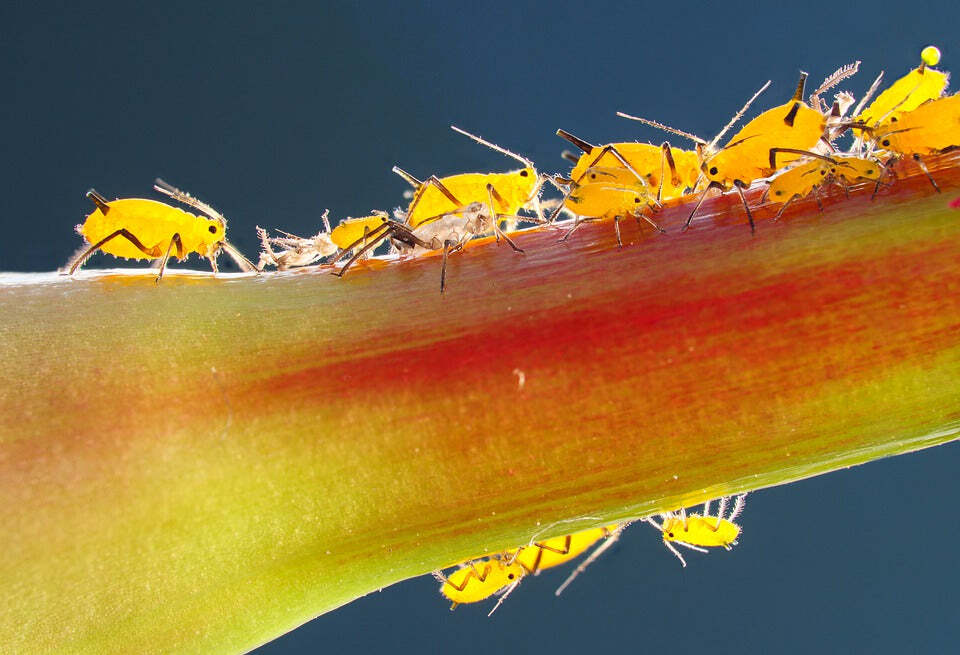
Aphids, small sap-sucking insects, are common pests that can significantly impact the health and vitality of indoor plants. Their feeding habits can lead to distorted growth, weakened plant structures, and even plant death if left unchecked. Understanding the various types, signs, and symptoms of aphid infestations is crucial for effective management and prevention.Aphids are relatively small insects, typically ranging from 1 to 5 millimeters in length.
They come in a wide variety of colors, including green, black, yellow, and brown, depending on the species and their current stage of development. They often congregate on tender shoots, leaves, and buds, causing noticeable damage.
Common Types of Aphids Found Indoors
A variety of aphid species can infest indoor plants. While specific identification often requires a magnifying glass and careful observation, several common types display easily recognizable characteristics. These types may include green aphids, black aphids, and brown aphids, each with subtle variations in appearance.
Signs and Symptoms of Aphid Infestation
Recognizing the signs of an aphid infestation early allows for prompt treatment. Characteristic symptoms include distorted growth patterns, sticky residue on leaves, and the presence of the insects themselves. The sticky residue, often referred to as honeydew, can attract ants and fungal growth, further compounding the problem.
Table of Common Aphid Types and Symptoms
| Aphid Type | Plant Types Commonly Affected | Typical Symptoms |
|---|---|---|
| Green Aphids | A wide range of plants, including ferns, succulents, and flowering plants. | Small, green, or yellowish insects clustered on leaves and stems. Leaves may show yellowing or curling, and honeydew production is noticeable. |
| Black Aphids | Various houseplants, including roses, orchids, and herbs. | Small, dark-colored insects often found on the undersides of leaves. Distorted growth and curling of leaves are common. Honeydew secretion can be substantial, leading to sooty mold development. |
| Brown Aphids | Many types of flowering plants, herbs, and vegetables. | Small, brown insects, often appearing on the undersides of leaves or stems. Similar to other aphid types, they feed on plant sap, causing leaves to curl or distort. Honeydew is produced. |
| Grey Aphids | Various plants, including vegetables, herbs, and leafy greens. | Small, greyish insects often found on stems and leaves. Leaves may show yellowing or curling, and honeydew production is observed. |
Identifying Aphids
Identifying aphids accurately is crucial for effective pest management in your indoor garden. Precise identification helps target control methods specifically for aphids, minimizing harm to beneficial insects and your plants. Early detection allows for timely intervention, preventing widespread infestations and reducing plant damage.Accurate identification is paramount for selecting the right control strategy. Using incorrect methods against a different pest can be detrimental to your plants.
Conversely, precisely identifying the pest allows for tailored treatments, ensuring your plants receive the most appropriate care.
Visual Identification Methods
Thorough visual inspection is essential for detecting aphids. Pay close attention to the undersides of leaves, new growth, and stems. Aphids often congregate in clusters, creating a visible presence on the plant. Magnification tools, such as magnifying glasses, can aid in identifying the small insects and observing their specific features.
Distinguishing Features of Aphids
Aphids exhibit several key characteristics that help distinguish them from other pests. Their soft bodies, typically ranging from 1 to 5 mm in length, are often pear-shaped or oval. Various colors, including green, yellow, black, brown, and pink, are common among different aphid species. These insects possess piercing-sucking mouthparts used to feed on plant sap. Observe their movement, feeding habits, and physical characteristics for definitive identification.
Comparison with Other Common Pests
Accurate identification requires differentiating aphids from other common pests. The following table highlights key differences:
| Pest | Body Shape | Color | Feeding Habits | Location |
|---|---|---|---|---|
| Aphids | Soft, pear-shaped or oval | Variable (green, yellow, black, brown, pink) | Piercing-sucking; cluster feeding | Undersides of leaves, new growth, stems |
| Spider Mites | Small, eight-legged | Often translucent or yellowish | Spinning webs; feeding on leaf tissue | Leaves, often visible webs |
| Mealybugs | Soft, cottony | White, gray, or brown | Feeding on plant sap; cottony covering | Stems, leaf axils, and undersides of leaves |
| Scale Insects | Oval or rounded, hard shell | Brown, black, or gray | Piercing-sucking; covered in a hard shell | Stems, branches, and leaves |
The table above illustrates the distinct characteristics of aphids, spider mites, mealybugs, and scale insects. These differences in body shape, color, feeding habits, and location on the plant help distinguish aphids from other common pests.
Distinguishing Aphids from Other Insects
Precise identification requires a detailed understanding of the various features that differentiate aphids from other insects. Key distinctions include body shape, the presence of wings (some aphid species have wings), and feeding behavior. Aphids typically cluster, feed on plant sap, and leave behind sticky honeydew. These traits help distinguish them from insects with different feeding patterns or physical characteristics.
Pay close attention to the presence of honeydew, a sugary substance secreted by aphids, which can further aid in identifying an infestation.
Understanding Aphid Life Cycle
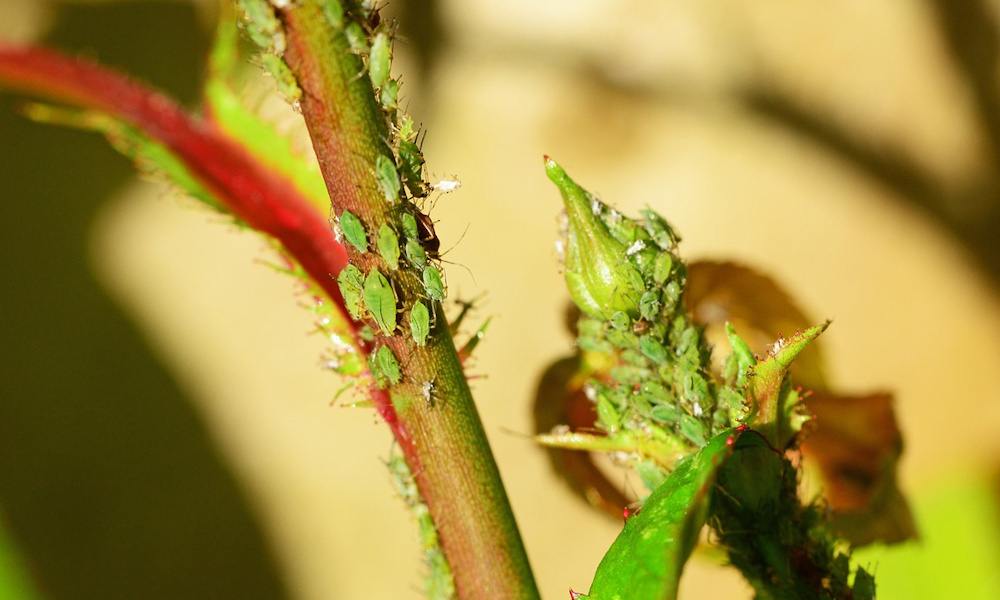
Aphids, notorious pests in indoor gardens, exhibit a complex life cycle that significantly influences their control. Understanding this cycle is crucial for effective management strategies. Different stages of the aphid life cycle have varying vulnerabilities, which can be exploited to control their populations.Understanding the stages of the aphid life cycle allows for the implementation of targeted control methods.
Knowing when and where aphids are most vulnerable to intervention is vital in minimizing damage to your indoor plants. For instance, identifying the egg stage allows for preventative measures to be taken before a large infestation arises.
Stages of the Aphid Life Cycle
The aphid life cycle is characterized by a remarkable ability to reproduce quickly. This rapid reproduction often leads to overwhelming infestations if not managed proactively. A crucial aspect of controlling aphids involves understanding their developmental stages.
- Eggs: Many aphid species overwinter as eggs. These eggs are typically laid on plant stems, leaves, or other sheltered areas. The eggs are often resistant to cold temperatures and harsh conditions, acting as a reservoir for the next generation. The eggs’ hard, protective shells ensure their survival until spring.
- Nymphs: The nymphs hatch from the eggs. They resemble miniature adults but lack wings. They gradually develop through several instars (developmental stages) before becoming winged adults. These nymphs are vulnerable to many insecticides. The time it takes to develop into adults varies depending on the species and environmental factors.
- Adults: Winged or wingless, the adult aphids are the most recognizable stage. They feed on plant sap, and their reproduction rate is significantly higher than the nymph stage. Adult aphids are capable of producing both winged and wingless offspring, further increasing the potential for rapid population growth.
Impact of Environmental Factors
Environmental conditions play a pivotal role in the aphid life cycle. These conditions directly influence the rate of development, reproduction, and survival of the aphids. Understanding these influences is critical for anticipating and mitigating aphid infestations.
- Temperature: Higher temperatures often accelerate the development of aphids. This means that in warmer climates, aphids might complete their life cycle in a shorter timeframe, resulting in a more rapid population increase. Conversely, cooler temperatures can slow down development, reducing the reproductive rate. For example, in a greenhouse, maintaining a stable temperature can help manage the speed of aphid development.
- Humidity: High humidity can create favorable conditions for aphid reproduction and survival. This moisture promotes the growth of fungal diseases that may be detrimental to the aphids, creating a complex interplay between humidity, disease, and aphid populations. Conversely, very low humidity can also negatively affect aphid populations.
- Nutrition: The availability of suitable host plants significantly influences the aphid life cycle. A healthy, vigorous plant can support a larger aphid population. A stressed or weak plant may experience a smaller infestation. Therefore, providing your plants with the optimal nutrition helps prevent a host plant’s vulnerability to aphids.
Influence on Control Methods
Understanding the aphid life cycle is critical for developing effective control methods. Different control strategies can be tailored to specific stages, maximizing their impact.
- Preventive Measures: Preventing aphid infestations often involves controlling the environmental factors that promote their growth. Maintaining optimal temperature and humidity levels in indoor environments is a preventative strategy. Also, ensuring the health and vigor of your plants is crucial.
- Targeted Treatments: Identifying the stage of the aphid life cycle allows for targeted interventions. For instance, using insecticides effective against nymphs can help control the spread of the infestation in its early stages. Controlling adult aphids is often more difficult, as their reproductive abilities are high.
Non-Chemical Control Methods
Aphids, while a common pest, can be managed effectively without resorting to harmful chemicals. Various non-chemical methods are readily available and often more environmentally friendly, while still providing effective control. Understanding these approaches can help cultivate a healthy and thriving indoor garden.Many non-chemical strategies are quite effective in preventing and controlling aphid populations, particularly when implemented proactively. These methods often involve creating an environment less hospitable to aphids, or introducing natural predators to control their numbers.
A comprehensive approach combining multiple strategies can yield the best results.
Effectiveness of Non-Chemical Methods
Various non-chemical methods demonstrate varying degrees of effectiveness against aphids. Their success depends on factors such as the aphid population size, the severity of infestation, and the specific environment. Methods that disrupt the aphid life cycle, such as removing infested plant parts, can be highly effective, especially when done early. Implementing multiple strategies often leads to better control than relying on a single method.
Comparison of Non-Chemical Approaches
Non-chemical aphid control methods differ in their complexity, ease of implementation, and effectiveness. Some, like insecticidal soaps, provide rapid results but might require repeated applications. Others, such as introducing beneficial insects, offer long-term control but may take longer to see results. A comparison of these methods is crucial to selecting the most appropriate approach for individual situations.
Table of Non-Chemical Control Methods
| Control Method | Effectiveness | Ease of Use | Implementation Details |
|---|---|---|---|
| Insecticidal Soap | High, particularly for smaller infestations. | Medium. | Apply a solution of insecticidal soap to infested plant parts, ensuring thorough coverage. Repeat as needed, typically every few days. |
| Neem Oil | Moderate to High. | Medium. | Dilute neem oil according to product instructions and spray directly on infested plants. Reapply as needed. |
| Diatomaceous Earth | Moderate, but often preventative. | Low. | Dust diatomaceous earth around plant bases and on the leaves. Ensure thorough coverage and consider reapplication after rainfall. |
| Introduce Beneficial Insects | High, long-term control. | Medium to High. | Introduce beneficial insects like ladybugs, lacewings, or parasitic wasps to the garden. These insects will prey on aphids. |
| Physical Removal | High for small infestations, but less effective for large ones. | Low. | Manually remove aphids with a cotton swab or a gentle stream of water. |
| Yellow Sticky Traps | Moderate, helpful for monitoring. | Low. | Hang yellow sticky traps near plants to capture aphids. Regular inspection and replacement are important. |
Implementing Non-Chemical Control Methods
Careful implementation of each method is key to achieving optimal results. For insecticidal soap, always follow the manufacturer’s instructions for dilution and application. Neem oil, while generally safe, can sometimes damage young or delicate plants. Ensure adequate ventilation when applying these solutions. Introducing beneficial insects requires a careful understanding of their needs to ensure they thrive in the environment.
Physical removal is best suited for small infestations and should be done with care to avoid harming the plants.
Detailed Implementation Steps
Here are detailed steps for implementing each method:
- Insecticidal Soap: Thoroughly mix the soap solution according to the product instructions. Apply to all visible aphid-infested areas, ensuring all parts of the plant are covered.
- Neem Oil: Dilute neem oil as per the product’s instructions. Spray the solution directly on the aphids and the leaves of the affected plant.
- Diatomaceous Earth: Lightly dust the diatomaceous earth around the base of the plants and on the leaves, covering all surfaces. Be cautious not to inhale the dust.
- Beneficial Insects: Research the specific needs of the beneficial insects (e.g., ladybugs) you plan to introduce, ensuring their compatibility with your plants and environment.
- Physical Removal: Gently remove aphids with a cotton swab or a stream of water. Be careful not to damage the plant.
- Yellow Sticky Traps: Place yellow sticky traps near the affected plants. Monitor the traps regularly and replace them when necessary.
Using Insecticides (if necessary)

While non-chemical methods are often preferred for their environmental friendliness, there may be situations where using insecticides becomes necessary to effectively control a severe aphid infestation. Careful consideration and appropriate selection of insecticides are crucial to ensure the health of your plants and the environment.Using insecticides should be a last resort, employed only after exhausting all non-chemical control methods and when the infestation poses a significant threat to the health of your indoor plants.
Understanding the potential benefits and drawbacks, along with the importance of safe handling and application, is essential for successful and responsible pest management.
Potential Benefits and Drawbacks of Insecticides
Insecticides offer rapid control of aphid populations, potentially preventing extensive damage to plants. However, they can negatively impact beneficial insects and pollinators in the environment, and can also contribute to pesticide resistance in aphids over time if not used strategically. Proper use and careful selection of insecticides can minimize these risks.
Selecting the Right Insecticide
Choosing the appropriate insecticide is crucial for effective aphid control and minimizing harm to your plants and the environment. Consider the specific type of aphids you’re dealing with and the health of your plants. Look for insecticides that are labeled for use on indoor plants and that specifically target aphids. Always carefully read and follow the label instructions, as different insecticides may have varying application rates and safety precautions.
In addition, consider the specific plant species you are treating, as some insecticides might be harmful to certain plants.
Safe Handling Procedures and Application Methods
Safe handling and application of insecticides are paramount to protect your health and the environment. Always wear appropriate personal protective equipment (PPE), such as gloves, eye protection, and a mask, when handling insecticides. Follow the manufacturer’s instructions precisely for mixing, diluting, and applying the insecticide. Apply the insecticide during the least windy periods, ideally in the early morning or late evening, to reduce drift and ensure the product’s effectiveness.
Ensure thorough coverage of the affected plant parts, paying special attention to the undersides of leaves where aphids often congregate. Avoid spraying insecticides directly onto flowers or fruits that may be harvested.
Comparison of Insecticides
| Insecticide | Active Ingredient | Target Pests | Benefits | Drawbacks |
|---|---|---|---|---|
| Neem oil | Azadirachtin | Aphids, mites, other soft-bodied insects | Generally considered safe for beneficial insects, relatively low toxicity to humans and plants | May not be as effective as synthetic insecticides, needs repeated applications |
| Horticultural oil | Petroleum-based oils | Aphids, mites, other insects | Effective at suffocating insects, relatively low toxicity to plants | Can damage plants if used improperly, may harm beneficial insects |
| Pyrethroids | (e.g., cyfluthrin, bifenthrin) | Aphids, other insects | Fast-acting, broad-spectrum | Potentially harmful to beneficial insects, may cause pesticide resistance |
| Systemic insecticides | (e.g., imidacloprid, acetamiprid) | Aphids, other insects | Absorbed by the plant, providing long-lasting protection | May persist in the environment, potential for harming beneficial insects and pollinators |
Note: This table is for illustrative purposes only and does not constitute a comprehensive list of all available insecticides. Always consult the product label for specific information and safety precautions before using any insecticide. Always prioritize environmental and plant health.
Prevention Strategies
Preventing aphid infestations requires a proactive approach focusing on maintaining a healthy and aphid-resistant indoor garden environment. This involves understanding aphid preferences and implementing strategies to minimize their attraction and ability to thrive. Consistent vigilance and attention to detail are crucial for successful aphid prevention.Maintaining a healthy environment is key to preventing aphid infestations. Aphids thrive in conditions of high humidity, poor air circulation, and overcrowding of plants.
By creating an environment that is less favorable to these pests, you significantly reduce the likelihood of an infestation.
Maintaining a Healthy Indoor Garden Environment
A healthy indoor garden environment is a strong defense against aphids. This involves a multifaceted approach addressing factors that contribute to aphid attraction and survival. Proper watering, appropriate humidity levels, and good air circulation are crucial components of this strategy.
- Watering Practices: Overwatering can lead to fungal diseases and increased humidity, making the environment more conducive to aphid proliferation. Implement a consistent and appropriate watering schedule, ensuring the soil drains well. Avoid letting the plants sit in standing water.
- Humidity Control: Maintaining appropriate humidity levels is vital. Excessive humidity can encourage fungal growth, which aphids may use as a food source or shelter. Use a humidifier or dehumidifier as needed to regulate the moisture content in the environment.
- Air Circulation: Good air circulation helps to reduce humidity and prevent the accumulation of moisture that can attract aphids. Proper ventilation, like using fans, can significantly reduce the risk of infestation. Regularly rotate plants to ensure all sides receive adequate air circulation.
Plant Selection and Spacing
Careful plant selection and spacing are critical to preventing future infestations. Choose varieties that are known to be less susceptible to aphid attacks. Maintaining appropriate spacing between plants allows for better air circulation and light penetration, further reducing the likelihood of an infestation.
- Aphid-Resistant Varieties: Certain plant varieties are inherently less attractive to aphids. Researching and selecting such varieties for your indoor garden can significantly reduce the risk.
- Proper Spacing: Ensure sufficient space between plants to promote air circulation and reduce the risk of overcrowding. Overcrowding can lead to increased humidity and create ideal conditions for aphid proliferation.
Regular Plant Inspection
Regular plant inspections are crucial for early detection of aphid infestations. Early intervention is vital in controlling the spread of aphids and preventing extensive damage to your plants.
- Visual Inspection Frequency: Establish a routine of inspecting your plants at least once a week. This allows for early detection of any signs of aphid activity, such as small, soft insects on leaves, or the presence of honeydew (a sticky substance aphids excrete).
- Thorough Examination: During inspections, examine the undersides of leaves and new growth closely. Pay attention to areas where aphids are more likely to congregate.
Preventative Measures
Implementing preventative measures can significantly reduce the risk of aphid infestations. These measures encompass a range of practices that address various aspects of the indoor garden environment.
- Introduce beneficial insects: Introducing beneficial insects, such as ladybugs or lacewings, to your indoor garden can naturally control aphid populations.
- Maintain clean growing areas: Regularly clean up fallen leaves and debris, as these can provide shelter for aphids.
- Avoid overcrowding: Ensure adequate spacing between plants to allow for proper air circulation and reduce the risk of overcrowding, which can contribute to higher humidity levels.
Troubleshooting and Remedies
Aphid infestations, while manageable, can sometimes present challenges. Understanding common problems and their solutions is crucial for effective control. This section details potential issues and provides strategies for overcoming them, including handling resistant infestations. Proper identification of the problem is the first step towards successful aphid management.
Common Issues and Solutions
Several factors can hinder aphid control efforts. These include environmental conditions, pesticide application errors, and the development of resistance in aphid populations. Addressing these issues promptly can significantly improve the success rate of control measures.
- Environmental Factors: Unfavorable weather conditions, such as periods of heavy rainfall or extreme temperatures, can impact the effectiveness of control methods. For example, insecticide sprays may not adhere properly to aphids during heavy rain, rendering them ineffective. Monitoring weather forecasts and adjusting treatment schedules accordingly can mitigate this issue.
- Pesticide Resistance: Aphid populations can develop resistance to certain insecticides over time. Repeated use of the same chemical control method can lead to reduced efficacy. Rotating insecticide types or combining them with non-chemical methods can help prevent the development of resistance.
- Inadequate Coverage: Poor spray coverage can leave some aphids untreated, allowing the infestation to persist or even spread. Ensuring thorough spray coverage, especially on all plant parts, is critical for effective control.
- Overuse of Insecticides: Excessive use of insecticides can harm beneficial insects in the garden, disrupting the natural balance and potentially increasing the risk of a resurgence of the aphid population. Integrated pest management strategies that combine various methods are often more sustainable and less prone to these issues.
Handling Resistant Aphid Infestations
Aphid resistance to pesticides is a significant concern. Strategies for managing these resistant infestations involve combining multiple control methods. A multi-faceted approach is often necessary to combat resistant aphid populations.
- Switching Insecticides: Rotating insecticide types is crucial. Moving from one chemical family to another can often help break the cycle of resistance. Understanding the chemical composition of different insecticides and their modes of action is key.
- Using Insecticidal Soap and Horticultural Oils: These are generally considered less likely to cause resistance compared to synthetic insecticides. They work by disrupting the aphid’s protective waxy coating, leading to desiccation and death. Regular application is key.
- Combining Insecticides with Non-Chemical Methods: Employing both chemical and non-chemical control methods simultaneously can be highly effective in managing resistant aphid infestations. For example, applying a horticultural oil spray while also introducing beneficial insects can create a powerful, multifaceted approach.
- Monitoring and Re-evaluation: Regularly monitoring the aphid population after implementing control measures is essential. Adapting the strategy based on the results of this monitoring is crucial for maintaining effectiveness against resistant populations. Careful observation and adjustment of treatment strategies are key.
Table of Common Aphid Problems and Solutions
| Problem | Potential Cause | Solutions ||—|—|—|| Slow Response to Treatment | Pesticide resistance, inadequate coverage, unfavorable environmental conditions | Rotate insecticides, ensure thorough coverage, adjust treatment based on weather conditions || Re-infestation | Inadequate control, presence of aphid eggs, nearby aphid colonies | Ensure complete eradication, check for eggs and eliminate, remove any nearby aphid infestations || Insecticide Residue | Incorrect application, excessive use, poor environmental conditions | Adjust application method, use less insecticide, consider non-chemical methods || Aphids on New Growth | Active aphid colony, inadequate monitoring | Monitor regularly, treat new growth immediately, maintain consistent control measures |
Image Examples
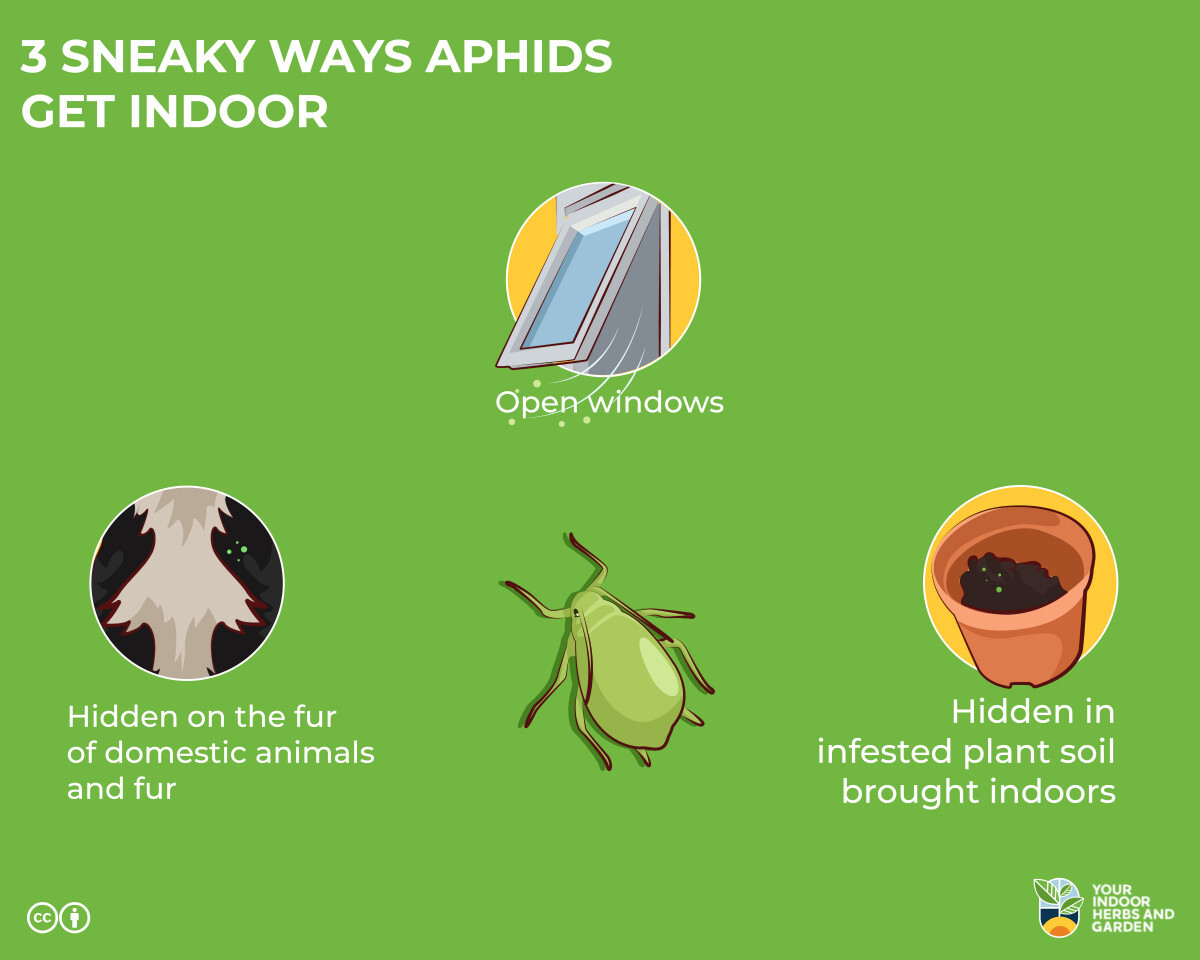
Visual identification of aphids and their effects is crucial for effective management. Images aid in recognizing various aphid species, their damage patterns, and the stages of their life cycle. Accurate identification allows for the selection of appropriate control methods.
Aphid Species and Damage
Visual cues play a significant role in identifying different aphid species and understanding their impact on indoor plants. Accurate identification is essential for implementing effective control strategies. A variety of aphid species can infest indoor plants, each with its own visual characteristics. Recognizing these characteristics is crucial for proper identification and effective control.
| Image | Caption | Description |
|---|---|---|
| (Imagine an image here of a cottony cushion scale, showing its white, fuzzy appearance on a leaf.) | Cottony Cushion Scale | This scale is characterized by a white, cottony substance surrounding the insect, usually on stems and undersides of leaves. This is often a sign of a severe infestation. Severe infestations can stunt plant growth and reduce overall health. |
| (Imagine an image here of a green peach aphid on a leaf.) | Green Peach Aphid | This aphid species is typically green or yellowish-green and often found on the undersides of leaves. Look for small, soft-bodied insects feeding on the plant. Damage can manifest as curling or distortion of leaves, as well as sticky honeydew residue. |
| (Imagine an image here of a brown/black aphid on a leaf, showing distortion and yellowing.) | Black Bean Aphid | These aphids are dark-colored, frequently black or brown, and tend to cluster on new growth. Look for distorted leaves and yellowing, especially on young leaves. Infestations can result in stunted growth and overall weakening of the plant. |
Healthy vs. Aphid-Infested Plants
Distinguishing between healthy and aphid-infested plants is vital for early intervention. Early detection can significantly reduce the severity of an infestation.
- Healthy Plants: Healthy plants exhibit vibrant, uniform coloration, and exhibit no visible signs of insect activity or damage. Leaves are typically full, and growth appears normal. A healthy plant displays robust, unblemished foliage.
- Aphid-Infested Plants: Aphid-infested plants show noticeable signs, such as yellowing, curling, or distortion of leaves. Look for small, soft-bodied insects, or sticky honeydew (a sugary substance) on leaves. Infested plants might also exhibit stunted growth and wilting.
Aphid Life Cycle Stages
Understanding the different stages of the aphid life cycle is important for effective control. Knowing the stages helps determine the best course of action for controlling the infestation.
- Eggs: Aphid eggs are typically tiny, oval-shaped, and often laid in clusters. They may be a light or dark color depending on the species. Look for small, clustered, often elongated shapes on stems or leaves.
- Nymphs: Nymphs resemble small, wingless versions of adult aphids. They progressively develop from the egg stage and gradually grow larger. They can be different colors depending on the species, and often resemble the adults but in a smaller form.
- Adults: Adult aphids are the fully developed stage of the insect. Their appearance varies greatly depending on the species. Some are winged, enabling them to migrate to other plants, while others remain wingless. They are fully developed in terms of morphology and reproduction.
Controlling Aphids in Specific Plant Types
Effective aphid management often requires tailoring strategies to the specific needs of different indoor plants. Understanding the unique characteristics of each plant type, such as its growth habit, leaf structure, and preferred environment, allows for a more targeted and successful approach. This approach prevents unnecessary stress on the plant while maximizing the effectiveness of control measures.Different indoor plants exhibit varying degrees of susceptibility to aphids, and the best control methods will depend on the specific plant species and the severity of the infestation.
By considering the plant’s type and the nature of the aphid infestation, you can choose the most suitable and least damaging control strategy.
Succulents
Succulents, with their fleshy leaves and often slow growth rate, require a delicate approach to aphid control. Physical removal, such as gently wiping infested leaves with a cotton swab dipped in rubbing alcohol, can be very effective for small infestations. For larger infestations, insecticidal soap or neem oil can be applied following the product instructions carefully. Remember that excessive moisture can harm succulents, so avoid overwatering after treatment.
Ferns
Ferns, with their delicate foliage, are particularly vulnerable to aphid damage. Gentle methods like spraying with water to dislodge aphids are often sufficient for small infestations. Alternatively, insecticidal soap or neem oil, applied carefully, can help control larger infestations. Ensure the product is safe for ferns by checking the label instructions.
Herbs
Herbs, valuable additions to any indoor garden, can also be susceptible to aphid infestations. Begin with non-chemical methods, such as introducing beneficial insects like ladybugs or lacewings to your herb garden. These natural predators can effectively control aphid populations. If the infestation is significant, insecticidal soap or neem oil can be used, ensuring proper application to avoid harming the delicate herb foliage.
Table of Specific Control Strategies
| Plant Type | Common Aphid Species | Preferred Control Methods |
|---|---|---|
| Succulents | Various aphid species, often feeding on succulent leaves | Gentle physical removal, insecticidal soap or neem oil (follow instructions carefully) |
| Ferns | Various aphid species, potentially targeting delicate foliage | Water spray to dislodge aphids, insecticidal soap or neem oil (applied carefully) |
| Herbs | Various aphid species, often targeting tender leaves | Beneficial insects (ladybugs, lacewings), insecticidal soap or neem oil (when necessary, follow instructions carefully) |
Specific Advice for Indoor Plant Varieties
Careful consideration of the specific variety within a plant type is crucial. For instance, certain succulent varieties might be more susceptible to certain aphid species than others. Researching the specific needs of the plant can help you identify and address any unique challenges in aphid control. For example, a variegated fern might be more susceptible to aphid damage than a solid-green variety.
By understanding the particularities of the plant variety, you can apply the most suitable aphid control strategy.
Final Review
In conclusion, successfully managing aphids in your indoor garden requires a multifaceted approach. By understanding their life cycle, recognizing the signs of infestation, and employing a combination of non-chemical and, if necessary, chemical control methods, you can effectively protect your plants. This guide provides the tools and knowledge you need to create a thriving and aphid-free indoor garden environment.
Remember, prevention is key, and regular inspections are crucial to catch any infestations early. This thorough guide provides a strong foundation to maintain a healthy and flourishing indoor garden.