Staghorn ferns, with their captivating, antler-like fronds, are a popular choice for adding a touch of the tropics to any indoor space. Proper mounting is crucial for their long-term health and beauty. This guide provides a detailed, step-by-step approach to mounting a staghorn fern on a board, covering everything from choosing the right materials to ensuring successful post-mounting care.
This comprehensive guide delves into the art of mounting staghorn ferns on various boards. From selecting the ideal wood type to preparing the fern and board, we’ll explore the essential steps for a successful mounting project. We’ll also discuss crucial post-mounting care to ensure your fern thrives in its new home.
Introduction to Staghorn Fern Mounting
Staghorn ferns, renowned for their unique and captivating appearance, are epiphytic plants, meaning they grow on other plants rather than in soil. Their distinctive antler-like fronds and aerial root systems create a dramatic visual appeal, making them a popular choice for indoor and outdoor displays. However, these delicate beauties often require specialized mounting techniques to thrive.Proper mounting techniques are essential for the health and longevity of staghorn ferns.
Incorrect mounting can lead to damage, decay, or even death of the fern due to inadequate support, improper drainage, or unsuitable environments. Careful consideration of mounting materials and methods will significantly contribute to the fern’s overall well-being and aesthetic appeal for years to come.
Reasons for Mounting Staghorn Ferns
Mounting staghorn ferns onto a board offers several advantages. It provides a stable and supportive environment for the fern’s growth. It also aids in maintaining the fern’s desired shape and orientation, and helps in controlling its growth. Additionally, mounting allows for easier display and transport of the fern. Lastly, mounting can facilitate a more organized and visually appealing presentation.
Types of Boards for Mounting Staghorn Ferns
Selecting the appropriate board material is crucial for the success of your mounting project. Different materials offer varying degrees of support, moisture retention, and aesthetic appeal. Understanding these characteristics is essential for choosing the best board for your specific needs and the desired visual effect.
Board Material Comparison
| Material | Pros | Cons | Suitability |
|---|---|---|---|
| Hardwood (e.g., Oak, Maple) | Strong, durable, aesthetically pleasing, good for long-term mounting. | Can be heavy, may require more significant preparation to ensure proper fit. May be more expensive than other options. | Excellent for large staghorn ferns and displays intended for long-term use. |
| Softwood (e.g., Pine, Fir) | Relatively lightweight, readily available, and affordable. | Less durable than hardwood, may require additional reinforcement. Can be less aesthetically pleasing for some. | Suitable for smaller ferns and projects where cost and weight are concerns. |
| Recycled/Composite Wood | Eco-friendly, often resistant to rot and decay, generally lightweight. | May not have the same aesthetic appeal as natural wood, may not be as strong as hardwood. | A good alternative for environmentally conscious mounting and when aesthetic value is not a primary concern. |
| Plywood | Strong, versatile, affordable, easily worked, can be painted or stained. | Can be susceptible to warping or cracking if not properly treated. | A reliable option for mounting medium-sized staghorn ferns, offering a balanced combination of strength, affordability, and workability. |
| Cork Board | Excellent moisture-retention properties, lightweight, and soft to work with. | Less durable than hardwoods, can absorb water and become unstable with prolonged exposure. | Suitable for mounting ferns that require a relatively moist environment and where longevity is not a primary concern. |
Necessary Materials and Tools
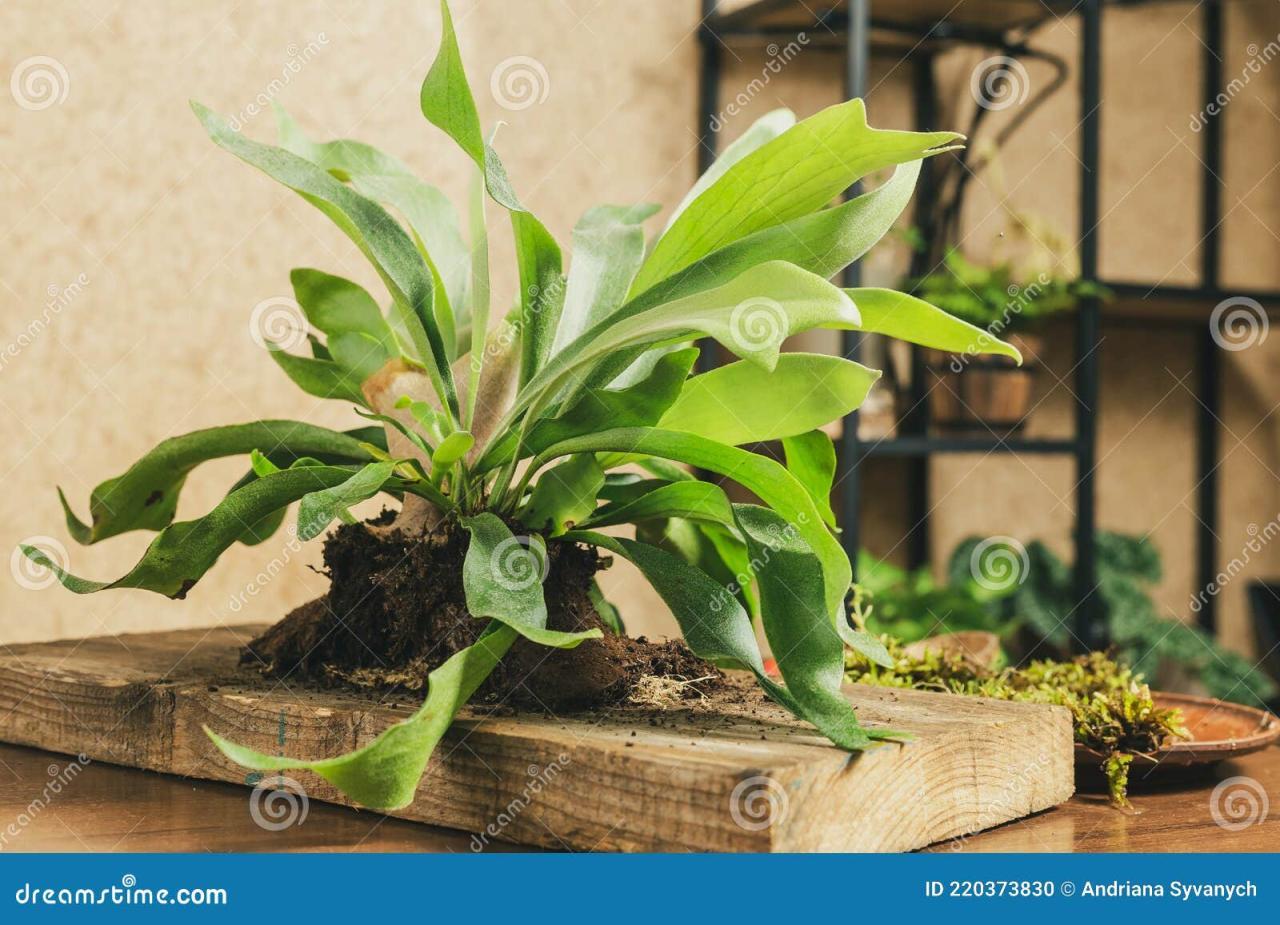
Successfully mounting a staghorn fern on a board requires careful selection and preparation of materials. The correct choice of mounting medium, along with the appropriate tools, is crucial for the fern’s long-term health and stability. This section details the essential materials and tools, ensuring a successful mounting experience.
Essential Materials
A successful staghorn fern mounting project depends on selecting the right materials. These components provide the necessary support and stability for the fern, promoting its growth and longevity. Careful consideration of each material’s properties and functions is vital for a successful outcome.
- Staghorn Fern: The centerpiece of the project. Select a healthy, vigorous staghorn fern specimen that is free from disease or pests. The size and shape of the fern will influence the board size and mounting method.
- Mounting Board: A sturdy, non-reactive board is essential. Consider using a hardwood board, such as oak or maple, for its durability and stability. The board’s size should accommodate the fern’s dimensions and support its weight.
- Mounting Medium: The medium provides the structural support and moisture retention for the fern’s root system. Several options are available, each with distinct characteristics, as detailed in the table below.
Mounting Mediums
Choosing the right mounting medium significantly impacts the fern’s long-term health. The selection depends on factors such as the desired aesthetic, the fern’s size, and the board’s properties.
| Medium | Description | Pros | Cons |
|---|---|---|---|
| Epoxy Resin | A strong, clear adhesive that creates a solid bond. Often used for larger or heavier specimens. | Excellent structural support, creates a watertight seal. | Slow curing time, requires careful handling, potentially messy. |
| Sphagnum Moss | A naturally occurring moss that retains moisture effectively. Ideal for smaller specimens. | Naturally moist environment, readily available. | Less structural support than epoxy, may need additional support. |
| Arbor Bark | A coarse, natural material providing support and aesthetic appeal. | Attractive aesthetic, excellent water retention. | May require additional support, can be uneven. |
| Floral Foam (Florist’s Foam) | A lightweight, absorbent material used for temporary mounting. | Easy to work with, affordable. | Limited long-term support, requires careful watering. |
Essential Tools
A comprehensive set of tools is necessary for a precise and efficient mounting process. These tools assist in preparation, application, and stabilization of the fern.
- Scissors or Pruning Shears: Essential for trimming roots and excess materials, ensuring a neat and stable mounting. Sharp tools are crucial for clean cuts.
- Drill and Drill Bits: Used for creating holes in the board for mounting the fern or securing additional support. Appropriate bit sizes are crucial for optimal fit.
- Measuring Tape or Ruler: Crucial for accurate measurements of the board and fern, ensuring a proper fit.
- Gloves: Protection for your hands during the mounting process, especially when working with adhesives or other potentially harmful materials.
- Mixing Utensils (for epoxy): Used for carefully mixing epoxy resin and hardener to ensure a homogenous mixture. Proper mixing prevents clumping or air pockets.
- Brush or Spatula: For applying adhesives and ensuring even distribution. A brush or spatula is useful for smooth application of materials like epoxy or moss.
- Protective Gear (Eye Protection, Mask): Essential to protect your eyes and respiratory system during the mounting process, especially when working with adhesives or dust. Protecting yourself is paramount.
Preparing the Staghorn Fern
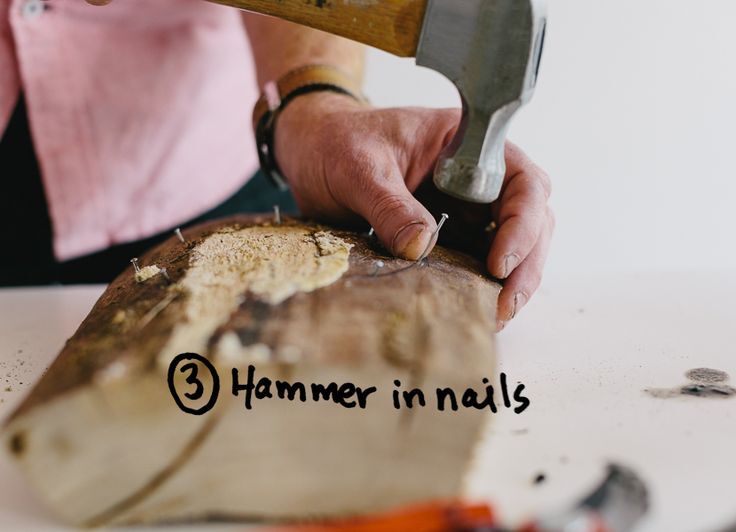
Proper preparation of the staghorn fern is crucial for successful mounting. A healthy, well-maintained fern will thrive on the mount, enhancing its aesthetic appeal and longevity. This involves careful removal of dead or decaying parts, and appropriate trimming and cleaning techniques.Thorough preparation ensures a clean and healthy fern for mounting, reducing the risk of fungal or bacterial growth, and maintaining the fern’s structural integrity.
This, in turn, promotes a longer lifespan and enhances the aesthetic appeal of the mounted fern.
Removing Dead or Decaying Parts
Before mounting, it is essential to identify and remove any dead or decaying parts of the fern. These areas are often brittle, discolored, or exhibiting signs of fungal growth. Leaving these parts behind can introduce pathogens and negatively affect the mounting process and the overall health of the fern.
Trimming and Cleaning the Fern
Trimming and cleaning the fern is essential for both aesthetic appeal and health. This process involves carefully removing any damaged or dead sections while maintaining the fern’s overall shape and structure. Different methods for cleaning and preparing the fern may be employed depending on the specific conditions and the fern’s size.
Methods for Cleaning and Preparing the Fern
- Gentle Cleaning with Water: Using a soft-bristled brush or a gentle stream of water, carefully remove any loose debris, dust, or dirt. This method is ideal for maintaining the fern’s natural appearance. Avoid excessive scrubbing, which could damage the delicate fronds.
- Removing Decaying Tissue: Carefully prune any areas showing signs of decay, such as brown or black spots, or areas with soft, mushy textures. Use sterilized pruning shears to avoid spreading potential infections. Dispose of the trimmed sections appropriately.
- Soaking in a Bleach Solution (Optional): For heavily contaminated ferns, a very dilute bleach solution (1 part bleach to 10 parts water) can be used for a short soaking time. This can help eliminate potential pathogens. Thoroughly rinse the fern with clean water after soaking to eliminate any residual bleach.
Step-by-Step Guide for Preparing the Fern
| Step | Action | Description |
|---|---|---|
| 1 | Inspection | Thoroughly examine the fern for any signs of decay, damage, or pests. Identify dead or dying fronds. |
| 2 | Removal of Decayed Parts | Using sterilized pruning shears, carefully remove any decayed or damaged portions. Focus on removing brittle or discolored fronds. |
| 3 | Gentle Cleaning | Use a soft-bristled brush or a gentle stream of water to remove dust, debris, and loose material. |
| 4 | Optional Bleach Solution (if needed) | Prepare a dilute bleach solution (1 part bleach to 10 parts water) and soak the fern for a very short period. Rinse thoroughly with clean water. |
| 5 | Final Inspection | Carefully examine the fern again to ensure all dead or decaying material has been removed and that it is clean and healthy. |
Preparing the Mounting Board
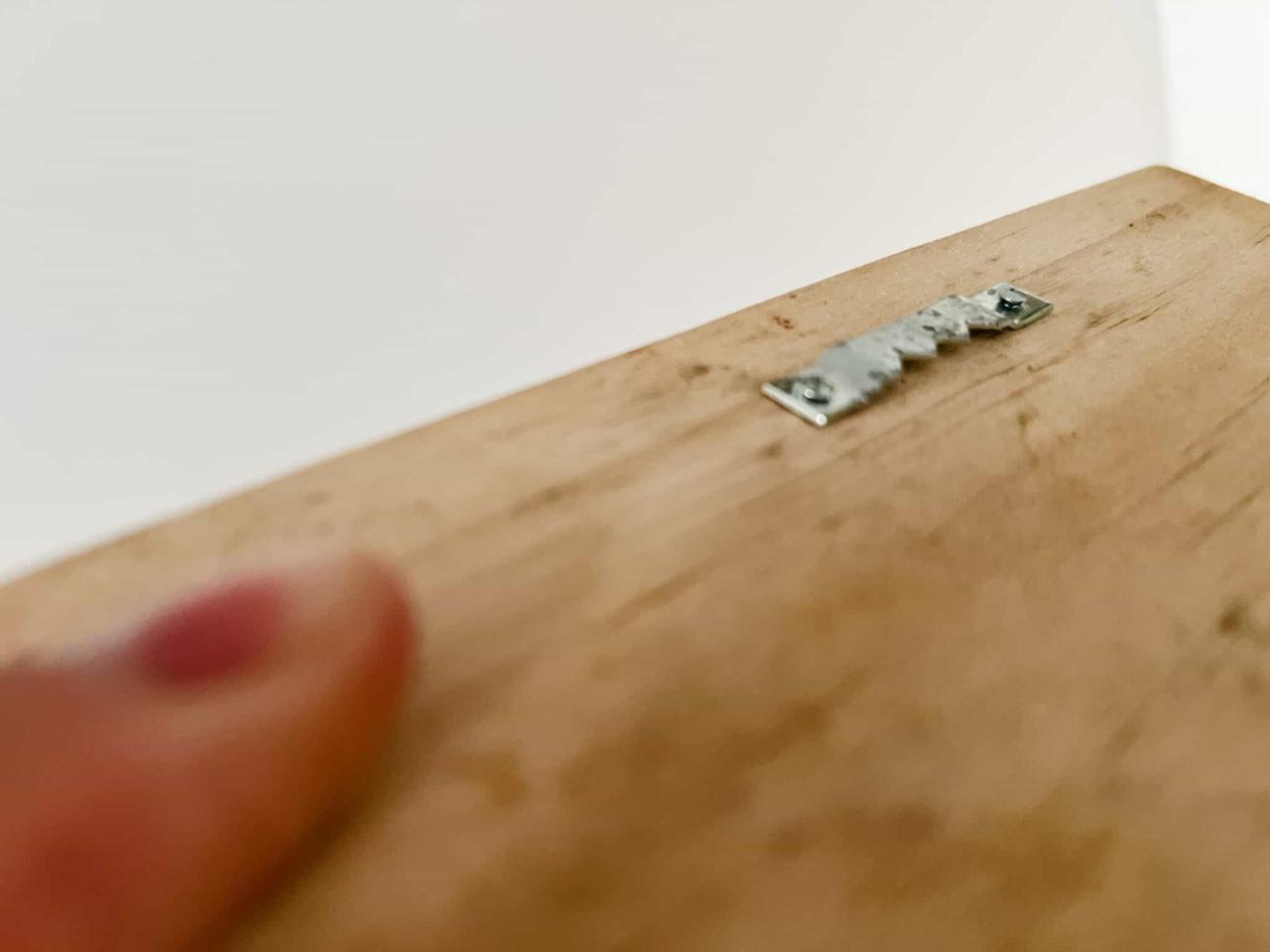
A properly prepared mounting board is crucial for a successful staghorn fern display. It ensures the fern’s stability and longevity, while also enhancing the overall aesthetic presentation. The board’s surface must be clean, smooth, and ready to accept the mounting medium. This preparation step is just as important as the selection of the fern itself.
Significance of Board Preparation
The mounting board acts as the foundation for the staghorn fern. Its condition directly influences the fern’s ability to securely adhere and thrive. A clean and properly prepared surface prevents the growth of mold or mildew, and minimizes the risk of contaminants interfering with the mounting process or the fern’s health. This ensures a stable environment for the fern to flourish.
Cleaning the Mounting Board
Thorough cleaning of the board is essential to remove any dust, dirt, or debris that could hinder proper adhesion of the mounting medium. This will create a smooth and consistent surface for the mounting compound to adhere to. Using a soft cloth and a mild, non-abrasive cleaner, gently wipe the entire surface of the board, paying particular attention to corners and edges.
Rinse thoroughly with water and allow the board to air dry completely.
Sanding the Mounting Board
Sanding the board can create a more receptive surface for the mounting medium, particularly if the board has imperfections or uneven textures. This process can also improve the board’s overall smoothness and reduce any splintering. Using fine-grit sandpaper (e.g., 150-220 grit), gently sand the entire surface of the board, ensuring even pressure and avoiding excessive sanding, which can damage the wood.
Again, rinse thoroughly with water and allow the board to air dry completely.
Surface Preparation for Optimal Adhesion
Ensuring a clean and smooth surface is critical for the mounting medium to adhere properly to the board. Any irregularities or rough spots will prevent a secure hold for the fern. After cleaning and sanding, inspect the board carefully for any remaining imperfections. Use a clean, damp cloth to remove any residue from the sanding process. This step guarantees a stable base for the fern and promotes long-term health.
Creating a Stable Base
For optimal stability, consider adding a backing layer or support structure to the mounting board. This prevents warping and ensures the board maintains its shape and integrity during and after the mounting process. This support could include attaching the board to a larger, sturdier piece of wood, or adding a layer of plywood underneath. This approach will significantly contribute to the long-term stability and presentation of the fern display.
A simple illustration of a stable base: Imagine a piece of plywood (a larger piece) beneath the mounting board. The mounting board is placed on top of the plywood. This creates a more solid and stable foundation, preventing the mounting board from warping or shifting during the process and ensuring a lasting display.
Mounting the Staghorn Fern
Securely attaching a staghorn fern to a mounting board is crucial for its long-term health and aesthetic appeal. Proper mounting techniques ensure the fern’s natural form is preserved and its delicate structure is supported. This process requires precision and attention to detail to prevent damage to the fern and ensure a visually pleasing presentation.
Epoxy Mounting Method
The epoxy mounting method offers a strong, long-lasting bond for the staghorn fern. Epoxy resin creates a rigid, protective layer that secures the fern to the board while preventing rot and decay.
- Prepare the mounting board and fern as described in the previous steps. Ensure the board is clean and free from any dust or debris.
- Carefully position the fern on the board, ensuring its desired placement and alignment.
- Apply a thin layer of epoxy resin to the back of the fern, adhering to the mounting board’s designated areas. Avoid excessive resin application to prevent unwanted overflow and distortion.
- Use a small brush or a toothpick to precisely distribute the epoxy, filling any gaps or crevices. Press gently on the fern to ensure good contact between the resin and the board.
- Allow the epoxy to cure completely according to the manufacturer’s instructions. This typically takes several hours or even a full day, depending on the specific epoxy used. Do not move or disturb the fern during the curing process.
Moss Mounting Method
The moss mounting method provides a more natural, visually appealing presentation. A well-chosen moss bed complements the fern’s texture and enhances its overall aesthetic.
- Prepare the mounting board and fern as described in the previous steps. Ensure the board is adequately prepared to accommodate the moss bed.
- Position the fern on the board in its desired location. Carefully select a variety of moss to create a natural-looking bed around the fern.
- Use small amounts of moisture to maintain the hydration of the moss. This will promote healthy growth and prevent desiccation.
- Support the fern’s roots with the moss bed to prevent them from becoming exposed or damaged.
- Secure the moss bed with a thin layer of water-resistant sealant, if desired. This will help to keep the moss in place and prevent it from shifting.
Precautions and Safety Measures
Appropriate safety measures are vital during the mounting process. Epoxy resin, in particular, requires caution due to its chemical composition.
- Always wear appropriate safety equipment, including gloves, eye protection, and a mask, when handling epoxy resin.
- Work in a well-ventilated area to minimize exposure to fumes.
- Follow the manufacturer’s instructions carefully for all materials, especially regarding curing times and safety precautions.
- Take care to avoid accidental contact with the resin, especially if the fern is still in a delicate stage. Dispose of used materials and equipment properly.
Comparison of Mounting Methods
| Method | Pros | Cons | Steps |
|---|---|---|---|
| Epoxy | Strong, long-lasting bond; protects fern; versatile | Requires careful handling; potential for resin spills; longer curing time | Preparation, positioning, application, curing |
| Moss | Natural aesthetic; promotes healthy growth; relatively simple | Requires maintenance; potential for moss decay; may not be as durable as epoxy | Preparation, positioning, hydration, securing |
Post-Mounting Care and Maintenance
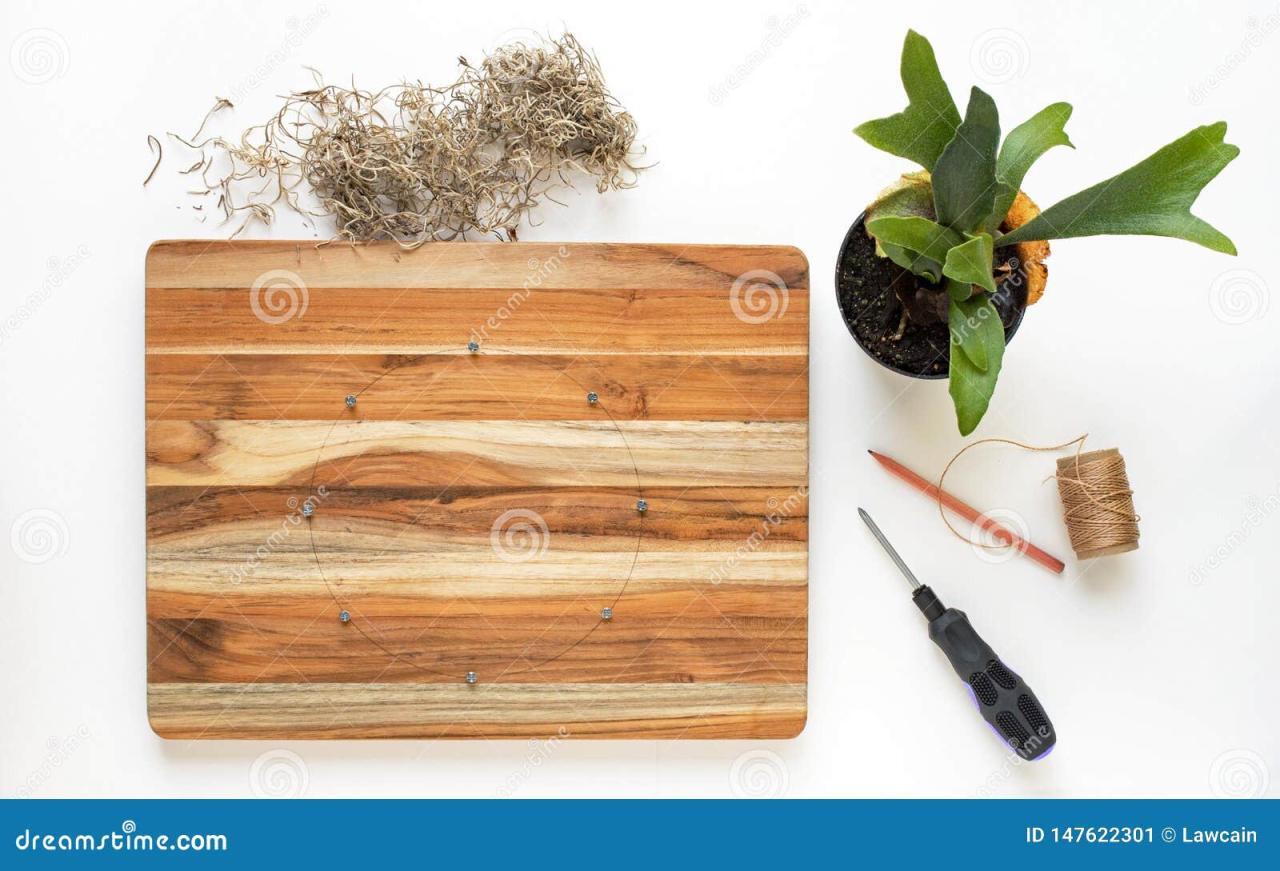
Proper post-mounting care is crucial for the long-term health and aesthetic appeal of your mounted staghorn fern. This involves understanding the fern’s needs and providing a supportive environment that mimics its natural habitat as closely as possible. Consistent care will ensure your fern thrives and remains a beautiful addition to your collection for years to come.Maintaining a mounted staghorn fern’s vitality requires ongoing attention to several key factors.
This includes consistent watering, appropriate humidity levels, and strategic placement to optimize light exposure. A well-maintained mounted fern will showcase its vibrant green fronds and healthy growth patterns.
Watering Requirements
Watering frequency depends on several factors, including the size of the mounted fern, the humidity of your environment, and the type of mounting medium used. Regularly inspect the mounting medium for dryness. If the medium feels dry to the touch, gentle watering is necessary. Overwatering can lead to root rot, so avoid saturating the medium. Allow excess water to drain completely to prevent waterlogging.
Observe your fern and adjust watering as needed. A well-established fern will require less frequent watering than a newly mounted one.
Humidity Maintenance
Staghorn ferns thrive in high humidity environments. Maintaining humidity levels close to their natural rainforest habitat is essential for optimal health. You can increase humidity by grouping potted plants together, using a humidifier, or placing a tray of water near the mounted fern. Misting the fern occasionally can also help elevate humidity. This practice is particularly important during dry seasons or in environments with low natural humidity.
Adjust your approach based on the fern’s specific needs and your environment.
Light Requirements
Staghorn ferns prefer bright, indirect light. Direct sunlight can scorch the delicate fronds. A location with filtered light is ideal. Assess your fern’s position and make adjustments as needed to ensure optimal light exposure. Over time, observe the fern’s growth and adjust its position to ensure it receives the appropriate light intensity.
If your fern displays signs of inadequate light, such as yellowing fronds or slow growth, reposition it to a more suitable location.
Common Post-Mounting Problems
- Yellowing or browning fronds: This can result from overwatering, underwatering, insufficient light, or improper humidity levels. Carefully evaluate the environmental conditions and adjust your watering, misting, and positioning accordingly.
- Root rot: Overwatering is the primary cause. Signs include a mushy or slimy appearance of the mounting medium. Reduce watering frequency and ensure proper drainage.
- Slow growth or lack of new growth: This might indicate insufficient light, inadequate watering, or nutrient deficiencies. Assess the environmental factors and adjust your care accordingly.
- Pest infestations: Examine the fern regularly for pests like spider mites or mealybugs. Treat any infestations promptly using appropriate pest control methods.
Troubleshooting and Resolution
Proper identification of the problem is crucial for effective troubleshooting. Note any recent changes in your care routine, such as changes in watering frequency or environmental conditions. Evaluate the fern’s overall condition, including the fronds, the mounting medium, and the presence of pests. Consult with a knowledgeable professional if you suspect a more serious issue.
Ongoing Care Recommendations
- Watering: Regularly inspect the mounting medium and adjust watering frequency based on its dryness. Avoid overwatering to prevent root rot. Water thoroughly but allow excess water to drain completely.
- Humidity: Maintain high humidity levels through grouping plants, using a humidifier, or placing a tray of water near the fern. Misting the fern occasionally can also help maintain humidity.
- Light: Provide bright, indirect light to the fern. Avoid direct sunlight, which can scorch the fronds. Adjust the fern’s position to ensure optimal light exposure.
- Fertilizing: Fertilize your mounted staghorn fern regularly using a balanced liquid fertilizer diluted to half strength. Follow the manufacturer’s instructions carefully.
Epilogue
In conclusion, mounting a staghorn fern on a board is a rewarding experience that can transform your indoor space. By carefully selecting materials, preparing the fern and board meticulously, and following the mounting techniques Artikeld in this guide, you can create a stunning display that will bring joy for years to come. Remember to prioritize the fern’s health and well-being through appropriate post-mounting care for continued beauty.