Root rot is a common threat to potted plants, often stemming from improper watering and soil conditions. Understanding the causes, signs, and prevention strategies is crucial for maintaining healthy, thriving indoor and outdoor plants. This comprehensive guide will equip you with the knowledge and techniques to effectively combat root rot and ensure the longevity of your potted plant collection.
This guide delves into various aspects of root rot prevention, from optimizing watering practices and selecting suitable potting mixes to understanding the role of pot size and plant selection. We’ll also explore troubleshooting and treatment methods to address potential issues.
Understanding Root Rot
Root rot is a devastating fungal disease that affects the roots of potted plants, hindering their growth and potentially leading to their demise. Proper understanding of this issue is crucial for effective prevention and treatment. Recognizing the various types, causes, and symptoms is essential for successful plant care. This section delves into the intricacies of root rot, equipping you with the knowledge needed to safeguard your potted plants.Root rot in potted plants occurs when the roots become infected by various fungi.
These fungi thrive in conditions of excessive moisture and poor drainage, leading to the decay and eventual death of the roots. The severity of the infection depends on factors like the type of fungus, the plant’s susceptibility, and the duration of the detrimental conditions.
Types of Root Rot
Different types of fungi cause various forms of root rot, each impacting plants differently. Some common types include Pythium, Phytophthora, and Rhizoctonia. Each fungus has specific preferences for the plants it attacks, making certain species more vulnerable than others. The specific symptoms and progression of root rot can vary based on the causative fungus.
Causes of Root Rot
Several factors contribute to the development of root rot in potted plants. Overwatering is a primary culprit, leading to waterlogged soil and suffocating the roots. Poor drainage prevents the soil from properly draining excess water, creating a damp environment ideal for fungal growth. Soil compaction restricts the flow of air and water to the roots, further increasing the risk of root rot.
Signs and Symptoms of Root Rot
Recognizing the signs of root rot is vital for timely intervention. Wilting, yellowing, and stunted growth are common symptoms. The leaves may also exhibit browning or discoloration. In severe cases, the plant may exhibit a general decline in vigor. Careful examination of the roots can reveal rotted or mushy tissue.
These symptoms, while not unique to root rot, can indicate the problem and prompt appropriate action.
Environmental Factors Contributing to Root Rot
Environmental conditions play a crucial role in the development of root rot. Overwatering, as mentioned earlier, is a major contributor. Plants that are consistently kept in waterlogged soil are highly susceptible. Insufficient drainage in the potting mix is another significant factor. Poorly draining soil creates an environment conducive to fungal growth.
Soil compaction, often a result of over-packing the soil or using heavy soils, impedes proper aeration and water drainage, thereby creating an ideal breeding ground for root rot.
Susceptible Plant Types
Certain plants are more prone to root rot than others. This susceptibility is often linked to the plant’s natural tolerance to moisture levels. Plants with shallow root systems, such as ferns or orchids, are particularly vulnerable. Those requiring consistently moist soil but not overly saturated, such as African violets or begonias, are also susceptible if the soil is not well-draining.
Role of Soil pH in Root Rot Development
Soil pH significantly influences the growth of root rot-causing fungi. Fungi thrive in specific pH ranges. Maintaining a balanced soil pH is crucial for plant health. An overly acidic or alkaline environment can hinder the plant’s ability to absorb nutrients, making it more susceptible to root rot. A balanced pH can support the plant’s overall health, reducing its susceptibility to the detrimental effects of fungal pathogens.
Preventing Root Rot
Proper watering is crucial in preventing root rot, as overwatering is a leading cause. Understanding the specific needs of your potted plants and adapting your watering practices accordingly can significantly reduce the risk of this devastating fungal disease. The following sections detail optimal watering techniques and considerations for various plant types and environmental conditions.
Optimal Watering Techniques
Proper watering techniques are essential for maintaining healthy root systems. Overwatering, characterized by waterlogged soil, deprives roots of oxygen, creating an environment conducive to root rot. Conversely, underwatering leads to stress and inhibits healthy growth, potentially making the plant more susceptible to diseases.
Determining When Your Plant Needs Water
Determining the right time to water is a critical aspect of preventing root rot. A key indicator is the soil moisture level. Insert your finger about an inch into the soil. If the top inch or two feels dry, it’s time to water. If the soil feels consistently moist, avoid watering until the top inch or two is dry.
This method ensures the soil isn’t constantly saturated. Regular observation and understanding of your specific plant’s needs are important factors in this process.
Watering Methods Comparison
The method of watering can impact the risk of root rot. The following table Artikels the pros and cons of top watering and bottom watering, emphasizing their potential effects on root health.
| Watering Method | Pros | Cons |
|---|---|---|
| Top Watering | Easy to implement; readily visible water application. | Can lead to overwatering if not monitored carefully; potential for splashing and leaf damage; less efficient water usage. |
| Bottom Watering | Reduces splashing and leaf damage; encourages even water distribution throughout the root zone; more efficient water usage. | Can take longer to complete; requires careful monitoring of water levels in the tray to prevent waterlogging. |
Adjusting Watering Frequency
Watering frequency needs to be adjusted based on several factors, including plant type, pot size, and environmental conditions. Different plant species have varying water requirements. For example, succulents and cacti require less water than leafy greens. Larger pots retain moisture longer than smaller pots, requiring less frequent watering. Hotter, drier climates necessitate more frequent watering than cooler, more humid environments.
Ideal Watering Schedule
The ideal watering schedule will vary depending on the specific plant type and the prevailing climate. The following table provides a general guideline, but always prioritize observing your plant’s specific needs.
| Plant Type | Climate (e.g., Hot, Temperate, Cool) | Watering Frequency (e.g., Daily, Every Other Day, Weekly) |
|---|---|---|
| Succulents | Hot | Every 7-10 days |
| Succulents | Temperate | Every 10-14 days |
| Leafy Greens | Hot | Daily or every other day |
| Leafy Greens | Temperate | Every 2-3 days |
| Tropical Plants | Hot | Daily or every other day |
| Tropical Plants | Temperate | Every 2-3 days |
Preventing Root Rot
Proper soil composition and drainage are crucial for preventing root rot in potted plants. Neglecting these aspects can lead to a cascade of problems, from stunted growth to complete plant death. Understanding the specific needs of each plant species and providing a suitable growing medium is key to success.Choosing the right potting mix is essential for healthy root development.
A well-draining mix allows oxygen to reach the roots, preventing the anaerobic conditions that promote root rot. Moreover, the proper soil structure supports optimal water retention, preventing both overwatering and underwatering. This balance is vital for the health of your potted plants.
Soil Composition and Drainage
The composition of the potting mix significantly impacts the drainage and aeration of the soil. A well-draining potting mix is paramount for preventing root rot. Poor drainage leads to waterlogging, depriving roots of oxygen and creating an ideal environment for fungal pathogens that cause root rot.
Selecting and Preparing Potting Mixes
Different plant types have varying needs for potting mixes. Consider the specific requirements of each species when selecting a mix. For example, succulents and cacti need a very well-draining mix to prevent waterlogging, while ferns and other moisture-loving plants require a mix that retains moisture. A general rule of thumb is to choose a mix that drains well but also retains enough moisture to support the plant’s needs.
A crucial factor in this selection is the mix’s ability to provide aeration for the roots.
- For plants that thrive in well-draining conditions: Use a mix rich in coarse materials like perlite, vermiculite, or coarse sand. These materials improve drainage and aeration. Examples include cacti, succulents, and herbs.
- For plants that prefer consistently moist soil: A mix with a higher proportion of peat moss or coco coir will retain moisture better. However, it is essential to ensure that the mix still drains well to prevent waterlogging. Examples include ferns, begonias, and orchids.
Soil Aeration
Proper soil aeration is essential for healthy root development. Roots need oxygen to breathe, and compacted soil restricts oxygen flow. Poor aeration can lead to root rot, as the roots cannot get the necessary oxygen.
- Improving Soil Aeration: Incorporate organic matter, such as compost or peat moss, into the potting mix. These materials help loosen the soil and improve its structure. Avoid overcompacting the soil by gently watering and avoiding over-packing the potting mix.
Comparing Potting Mixes
The following table highlights the drainage properties of various potting mixes:
| Potting Mix | Drainage Properties | Suitable Plant Types |
|---|---|---|
| Standard potting mix | Moderate drainage | Many general-purpose plants |
| Perlite-based mix | Excellent drainage | Succulents, cacti, and other drought-tolerant plants |
| Vermiculite-based mix | Good drainage with some moisture retention | Plants that prefer consistently moist soil, but not waterlogged |
| Coco coir-based mix | Good drainage with excellent moisture retention | Many houseplants |
Amendments for Enhanced Drainage
Adding amendments like perlite, vermiculite, or coarse sand to your potting mix can significantly improve drainage and aeration. These materials create spaces within the mix, allowing water to drain quickly and oxygen to reach the roots.
“Using amendments like perlite or vermiculite can significantly improve drainage and aeration, promoting healthy root development and reducing the risk of root rot.”
Preventing Root Rot
Proper potting and container selection are crucial for preventing root rot in potted plants. These choices directly influence the soil’s moisture retention and the plant’s ability to thrive. Choosing the right pot and materials ensures healthy root development and reduces the risk of overwatering, a primary cause of root rot.Selecting the appropriate pot size and material is paramount to maintaining optimal growing conditions for your plants.
Drainage is essential for preventing waterlogged soil, a common culprit behind root rot. Pot placement also plays a significant role in regulating moisture levels. By understanding these factors, you can create a supportive environment that minimizes the risk of root rot and fosters healthy growth.
Pot Size and Drainage Holes
Adequate pot size and the presence of proper drainage holes are fundamental to preventing root rot. A pot that is too small restricts root growth, making the plant more susceptible to overwatering and subsequent root damage. Conversely, a pot that is excessively large can lead to water retention in the surrounding soil, also contributing to root rot. Sufficient drainage holes allow excess water to escape, preventing waterlogging and maintaining optimal soil moisture levels.
Pot Materials
Different pot materials exhibit varying moisture retention properties. Understanding these properties is crucial for selecting the appropriate pot for specific plant types. Terracotta pots, for instance, are porous, allowing for better drainage compared to plastic pots, which tend to retain water more readily. Ceramic pots often fall between these two extremes, offering a balance in moisture retention.
Choosing the right material prevents overwatering and promotes healthy root development.
Pot Placement
Strategic pot placement is vital for preventing root rot. Consider the plant’s specific needs and the environmental conditions of the chosen location. A location that receives too much direct sunlight can dry out the soil rapidly, while one that is too shaded can lead to waterlogging. A well-balanced location that provides adequate sunlight and ventilation is ideal for minimizing the risk of root rot.
Avoid placing plants in areas with poor drainage or near water sources that may lead to waterlogging.
Ideal Pot Size and Material for Different Plants
| Plant Type | Ideal Pot Size | Ideal Pot Material |
|---|---|---|
| Small succulents and cacti | 4-6 inches (10-15 cm) | Terracotta or ceramic |
| Annual flowers | 6-8 inches (15-20 cm) | Terracotta or plastic |
| Small shrubs | 8-10 inches (20-25 cm) | Terracotta or ceramic |
| Larger flowering plants | 10-12 inches (25-30 cm) | Ceramic or plastic (with drainage holes) |
| Climbing plants | 12-18 inches (30-45 cm) | Plastic or ceramic with drainage |
This table offers a general guideline for pot selection. Individual plant needs may vary based on their specific growth habits and environmental conditions.
Examples of Pot Types and Their Suitability
- Self-Watering Pots: These pots have built-in reservoirs that maintain a consistent moisture level. While convenient, they require careful monitoring to prevent overwatering, which can still lead to root rot. These are best suited for plants that require consistent moisture but should not be used with plants that are sensitive to excess water.
- Hanging Baskets: Hanging baskets are excellent for plants that need good air circulation but can be prone to overwatering if the drainage is inadequate. Use a well-draining potting mix and ensure the pot has adequate drainage holes. These are appropriate for plants that appreciate a hanging position and good air circulation, but proper watering techniques are crucial to avoid overwatering.
- Terracotta Pots: Terracotta pots are highly porous, promoting excellent drainage and aeration. They are well-suited for plants that prefer well-drained soil, such as succulents and cacti. However, they can dry out quickly, necessitating more frequent watering compared to plastic pots.
Preventing Root Rot
Proper plant care is crucial for maintaining healthy roots and preventing root rot in potted plants. Neglecting these practices can lead to a cascade of issues, from stunted growth to complete plant death. Understanding the specifics of plant care, including fertilization, inspection, support, and repotting, can significantly reduce the risk of root rot.Careful attention to these details, particularly in potted environments where root systems are confined, is vital.
Potted plants often face unique challenges compared to those grown in the ground, making proactive measures essential.
Fertilization Practices for Potted Plants
Nutrient imbalances can stress plants and increase their susceptibility to root rot. Over-fertilization, particularly with nitrogen, can lead to excessive leaf growth at the expense of root development, weakening the plant and making it more prone to issues. Conversely, insufficient nutrients can hinder growth and make the plant more vulnerable. A balanced fertilization schedule, tailored to the specific needs of the plant species, is essential for optimal root health.
Use a balanced liquid fertilizer diluted to half strength, or a slow-release granular fertilizer appropriate for potted plants. Regular monitoring of the plant’s growth and vigor is vital to adjusting the fertilization regime as needed.
Importance of Regular Plant Inspections
Regular visual inspections of the plant and its root system are crucial for early detection of root rot. Look for signs of discoloration or decay in the roots. Wilting, yellowing leaves, or unusual stem discoloration can be indicative of underlying problems. If root rot is suspected, immediately isolate the affected plant to prevent the spread of disease.
Prompt action is essential in managing root rot effectively.
Plant Support and Root Health
Proper plant support is essential for maintaining healthy root systems. Plants that are not adequately supported can experience stress, compromising their ability to absorb water and nutrients. A sturdy pot with adequate drainage is key. Additionally, staking or other support methods can prevent plants from leaning or falling over, reducing stress on the root system and minimizing the risk of damage.
This structural integrity helps ensure efficient water and nutrient uptake, supporting healthy root development.
Repotting Plants for Improved Drainage
Repotting is a vital part of maintaining healthy potted plants and preventing root rot. Over time, the soil in a pot can become compacted, reducing drainage and aeration. This can lead to waterlogged roots, increasing the risk of rot. Repotting allows for a fresh, well-draining potting mix, providing essential oxygen to the roots and reducing the risk of root rot.
A well-draining mix is critical for healthy root growth and overall plant health.
Step-by-Step Repotting Guide
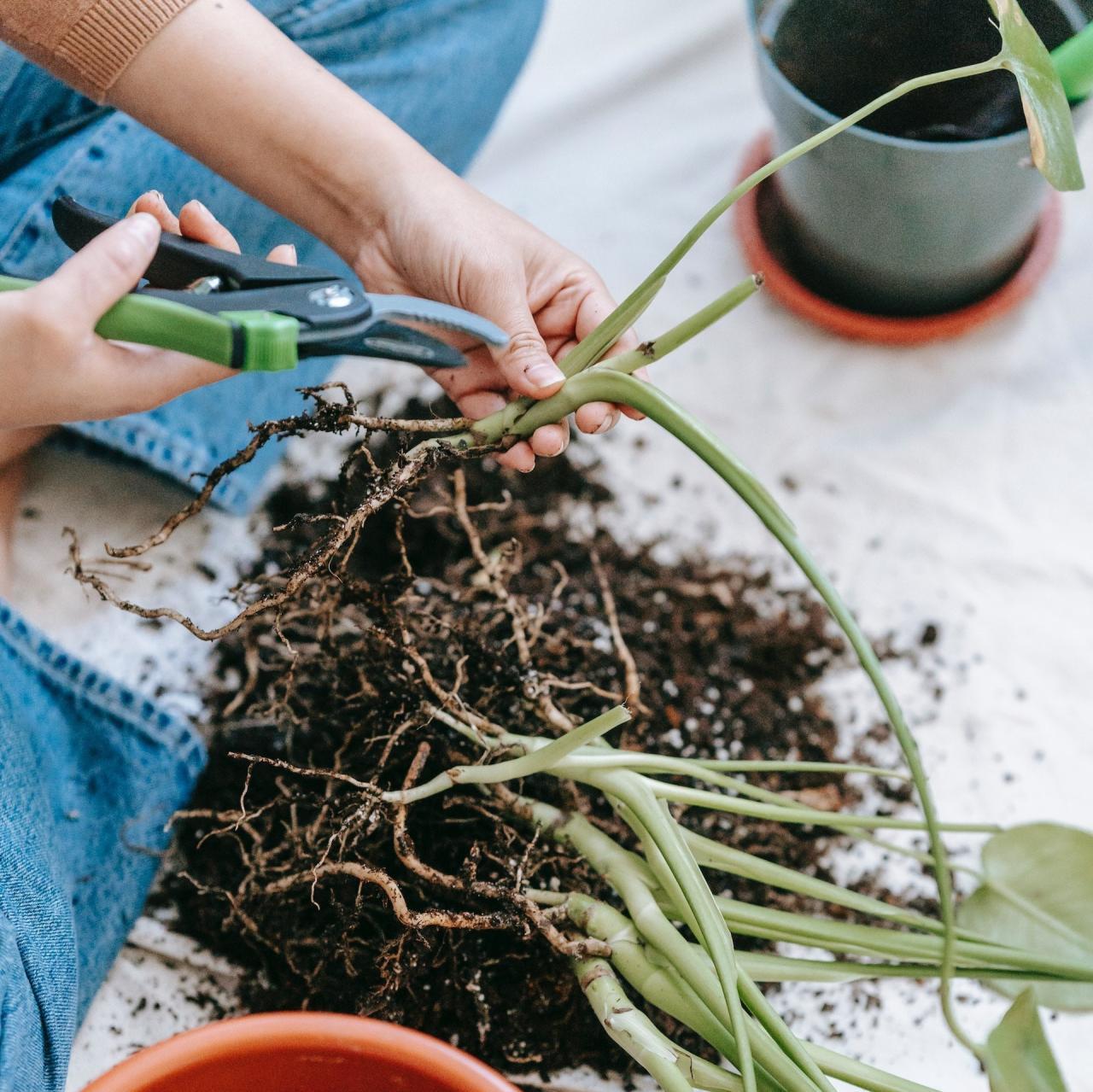
- Carefully remove the plant from its current pot. Gently loosen the soil around the roots, being careful not to damage them. If roots are circling the root ball, gently untangle them to improve air circulation and drainage.
- Prepare a new pot that is only slightly larger than the root ball. Use a well-draining potting mix. Avoid using garden soil, which can compact and retain too much water.
- Place a layer of fresh potting mix in the bottom of the new pot. Gently place the plant in the center, ensuring it’s at the same depth as in the previous pot.
- Fill the pot around the roots with the remaining potting mix, gently firming it down to eliminate air pockets. Avoid over-compacting the soil. Ensure the soil level is just below the rim of the pot.
- Water the plant thoroughly after repotting, allowing excess water to drain from the bottom of the pot. This ensures the soil is evenly moistened, promoting healthy root growth.
Root Rot Prevention: Troubleshooting and Treatment
Preventing root rot in potted plants is crucial for their health and longevity. Understanding the common causes and implementing proactive measures can significantly reduce the risk of this devastating fungal disease. By recognizing the signs of root rot early and taking appropriate action, you can often save your beloved plants.
Common Mistakes Contributing to Root Rot
Overwatering is a frequent culprit in root rot development. Plants, especially those in containers, require careful monitoring of watering schedules. The soil should be allowed to dry out slightly between waterings. Overwatering saturates the soil, depriving roots of oxygen and creating an ideal environment for fungal growth. Similarly, using inappropriate soil mixes can contribute to root rot.
Poor drainage in compacted or poorly aerated soil can lead to waterlogged conditions. Soil lacking sufficient drainage can lead to a buildup of water around the roots. This excess moisture is a key contributor to root rot. Proper soil selection with good drainage is vital.
Identifying Root Rot Early
Early detection of root rot is paramount for successful treatment. Delayed intervention can often result in the complete loss of the plant. Recognizing the early signs is key to effective management.
Methods for Diagnosing Root Rot
Visual inspection of the plant’s overall health is an initial step. Look for wilting, yellowing leaves, or unusual browning or discoloration. These symptoms might indicate root rot. However, visual cues alone might not be conclusive. Careful examination of the roots themselves is crucial.
Gently remove the plant from its pot and inspect the roots. Healthy roots are typically firm and white or light brown. Root rot, conversely, often displays a mushy, dark brown, or black discoloration.
What to Do if You Suspect Root Rot
If you suspect root rot, immediate action is essential. Isolate the affected plant from other plants to prevent the spread of the disease. Carefully prune away any visibly affected roots. Repot the plant in fresh, well-draining potting mix. Ensure the new pot has drainage holes to prevent waterlogging.
Adjust your watering schedule to allow the soil to dry out between waterings. Consider using a moisture meter to ensure you’re watering only when necessary. Properly addressing the issue will help save the plant and prevent recurrence.
Potential Root Rot Causes, Symptoms, and Corrective Actions
| Cause | Symptoms | Corrective Actions |
|---|---|---|
| Overwatering | Wilting, yellowing leaves, soggy soil, mushy roots | Reduce watering frequency, ensure proper drainage, use a moisture meter. |
| Improper Soil | Poor drainage, compacted soil, waterlogging | Repot the plant in a well-draining potting mix, amend existing soil with perlite or vermiculite. |
| Poor Drainage | Standing water in the pot, soggy soil | Use pots with drainage holes, improve soil drainage with amendments. |
| Fungal Pathogens | Brown or black mushy roots, wilting, leaf discoloration | Prune away affected roots, repot in fresh, sterile soil, consider fungicides (consult a plant expert). |
| Root Bound | Slow growth, wilting, difficulty absorbing water, roots circling the pot | Repot in a larger pot with fresh potting mix. |
Root Rot Prevention
Preventing root rot is crucial for maintaining the health and vitality of potted plants. Proper understanding of root systems, soil composition, pot selection, and watering techniques is essential to mitigate the risk of this common problem. By implementing preventative measures, gardeners can ensure their plants thrive in their containers.Healthy root systems are vital for robust plant growth. A healthy root system is characterized by a dense network of roots that are firm, white or light-brown in color, and free of any signs of decay or discoloration.
These roots effectively absorb water and nutrients from the soil. Conversely, root rot results in a significant reduction in plant vigor and ultimately, can lead to plant death.
Healthy Root Systems in Various Plant Types
Healthy root systems exhibit different characteristics depending on the plant type, but all share the common feature of vibrant growth and the absence of rot. For example, a healthy tomato plant’s root system will display a network of fibrous roots, typically white or light beige in color, that are firmly anchored in the soil. Similarly, a healthy fern will exhibit a dense mat of fine, hair-like roots that are equally healthy and vigorous.
Proper root growth allows plants to absorb nutrients and moisture efficiently. A healthy root system is crucial for the plant’s overall well-being and prevents root rot.
Root Rot-Affected Plant Roots
Root rot manifests as a deterioration of the root system. Affected roots often exhibit a dark brown or black discoloration. This discoloration progresses from the tips of the roots, often extending inwards, as the infection spreads. The roots may become mushy or soft to the touch, losing their firm texture. In advanced cases, the roots may completely decompose, leaving behind little more than a slimy residue.
These visual signs of damage and decay are crucial indicators of root rot and prompt action is necessary to prevent further deterioration.
Soil Composition and Drainage
Proper soil composition is essential for preventing root rot. A well-draining soil mix is key. A balanced soil mix should contain a blend of organic matter, such as peat moss or compost, and inorganic components like perlite or vermiculite to provide aeration and drainage. These materials ensure that water doesn’t stagnate around the roots. Excessive moisture is a primary cause of root rot.
An illustration of a well-draining soil mix would show visible spaces between soil particles allowing for water to easily pass through. Conversely, a poorly draining soil, such as one that is overly compacted or saturated with clay, hinders drainage and increases the risk of root rot.
Pot Types and Drainage
The choice of pot significantly impacts the drainage of the soil. Properly designed pots feature drainage holes to allow excess water to escape, preventing waterlogging. A pot with inadequate drainage holes will retain water around the roots, increasing the risk of root rot. An illustration showing different pot types would include a pot with ample drainage holes, contrasting it with a pot lacking these essential holes.
The drainage holes facilitate the escape of excess water, preventing waterlogging and maintaining a healthy environment for the plant roots.
Watering Methods
Effective watering techniques are crucial for maintaining healthy root systems. Watering deeply but less frequently promotes healthy root growth and discourages root rot. An illustration of various watering methods would include a demonstration of watering at the base of the plant, avoiding splashing water on the foliage. This method ensures that the water reaches the roots directly and avoids water stagnation.
Another illustration could show the appropriate amount of water needed for each plant type. Different watering techniques should be adapted to different plant needs. Understanding the specific watering requirements of a plant can help prevent overwatering and maintain a healthy root system.
Conclusive Thoughts
In conclusion, preventing root rot in potted plants is a multifaceted approach encompassing proper watering, soil selection, pot suitability, and attentive plant care. By understanding the nuances of each element, you can cultivate a thriving environment for your plants and enjoy their beauty for years to come. This guide provides a structured and practical approach to maintaining healthy roots, promoting plant growth, and ensuring the overall well-being of your potted collection.