Propagating ZZ plants from a single leaf is a rewarding experience, allowing you to multiply your beloved houseplants easily. This guide provides a comprehensive overview of the process, from selecting the right leaf to maintaining the propagation environment. Learning these techniques can be a fantastic way to expand your collection and share the joy of ZZ plant ownership with others.
This detailed guide walks you through each step, from preparing the leaf cutting to monitoring the new plant’s growth. It emphasizes the importance of creating the ideal environment for successful propagation, ensuring you understand the nuances of humidity, light, and temperature. You will discover the secrets to healthy root development and the avoidance of common propagation pitfalls.
Introduction to ZZ Plant Propagation
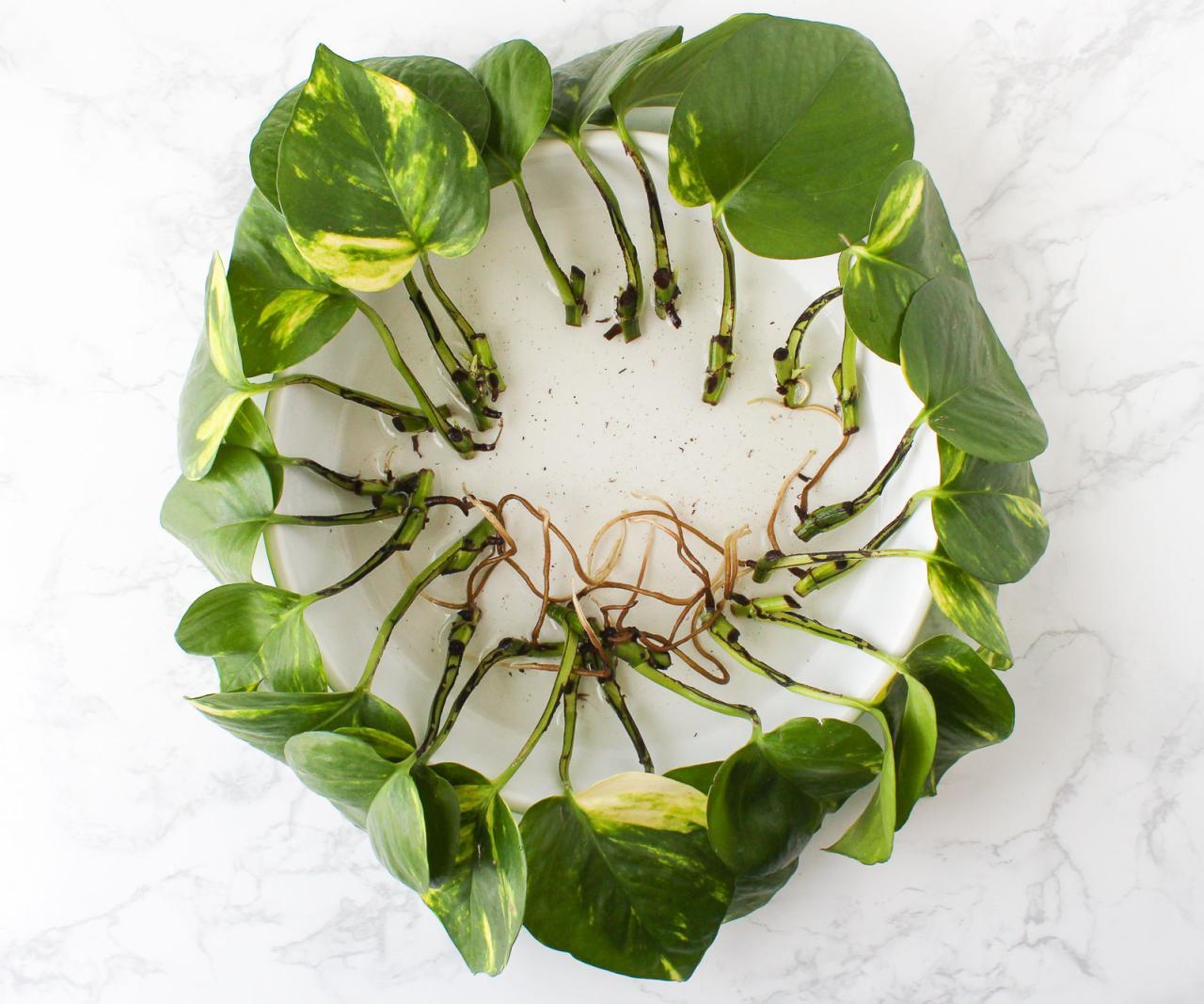
The ZZ plant (Zamioculcas zamiifolia) is renowned for its resilience and ease of propagation. Propagating a ZZ plant from a single leaf is a rewarding experience, allowing you to expand your collection or share this attractive houseplant with others. This method is particularly useful for propagating from cuttings that may have been damaged or discarded.Propagating ZZ plants from leaves is a viable and often simpler method compared to other propagation techniques, and it leverages the plant’s inherent ability to regenerate.
The method relies on the plant’s natural tendency to produce new roots and shoots from leaf segments. This method is advantageous due to its simplicity and the relatively low cost of materials. Furthermore, it allows for the creation of multiple plants from a single source.
Necessary Materials for Propagation
Successfully propagating a ZZ plant from a single leaf requires specific materials. A clean, sharp knife or blade is essential for carefully removing the leaf section without damaging the parent plant. A rooting hormone is beneficial, as it promotes root development. Small pots with appropriate drainage are necessary for the new plants. Moist potting mix, ideally a well-draining blend suited for succulents and air plants, is critical for healthy growth.
Finally, a humidity dome or clear plastic bag can create the optimal microclimate for successful rooting.
Leaf Selection for Successful Propagation
Careful leaf selection is crucial for maximizing propagation success. Select healthy, firm leaves that show no signs of damage, disease, or pests. Avoid leaves that are yellowed, brown, or exhibit any signs of decay. Ideally, choose leaves that are at least 3-4 inches in length, offering sufficient surface area for root development.
Ideal Conditions for Propagation
Maintaining the right conditions is essential for successful ZZ plant propagation. The table below Artikels the ideal conditions for the propagation process.
| Factor | Ideal Condition |
|---|---|
| Temperature | Between 70-80°F (21-27°C). Avoid drastic temperature fluctuations. |
| Humidity | High humidity (60-80%). A humidity dome or plastic bag can effectively increase humidity. |
| Light | Bright, indirect light. Direct sunlight can scorch the leaves. A spot near a window, but not directly exposed to the sun, is ideal. |
Maintaining a consistently moist environment, without waterlogging the rooting medium, is crucial. A constant supply of fresh air is also necessary to prevent fungal growth. Regular observation and adjustment of conditions will contribute significantly to the success of the propagation.
Preparing the Leaf Cutting
A crucial step in ZZ plant propagation is carefully removing a leaf cutting from the mother plant. This process, when done correctly, maximizes the chances of successful rooting and new plant development. Proper technique ensures a clean cut, minimizing stress to the plant and promoting healthy growth.
Leaf Removal Procedure
To harvest a leaf, gently grasp the leaf base with your fingers, avoiding excessive force that might damage the stem. Work around the leaf base, carefully applying pressure to release the leaf from its attachment to the mother plant. A sharp, clean cut is vital. If the leaf is stubborn, use a small, sharp knife or pruning shears, making a clean, precise cut just below the base of the leaf.
Ensuring a Clean and Healthy Cut
A clean cut is essential to prevent infection and promote healthy rooting. Use a sharp tool, such as a knife or pruning shears, to avoid tearing or crushing the leaf. This ensures that the cut is smooth and minimizes the exposed surface area vulnerable to pathogens. Clean the tool with rubbing alcohol or a disinfectant solution between cuts to maintain sterility and prevent the spread of disease.
Importance of Sterile Tools
Using sterile tools is paramount to preventing fungal or bacterial infections that can hinder the rooting process. Sterilization minimizes the risk of introducing harmful microorganisms to the cut surface of the leaf. This significantly increases the likelihood of successful propagation by creating an environment less conducive to the growth of pathogens.
Recommended Tools for Leaf Cutting
A selection of sharp, clean tools is necessary for efficient and safe leaf cutting. These tools minimize the risk of damaging the plant and provide precise cuts.
- Sharp Knife: A small, sharp, and sturdy knife allows for precise cuts, minimizing damage to the leaf and the mother plant.
- Pruning Shears: Pruning shears are suitable for larger ZZ plants or when several leaves need to be harvested. Ensure the blades are sharp to prevent tearing.
- Razor Blade: A sharp razor blade provides a clean, precise cut, particularly helpful for delicate leaves. Care should be taken to ensure the blade is sterile.
Comparison of Leaf Cutting Methods
Different methods for cutting the leaf can affect the healing process and rooting success. A consistent and clean cut is critical for all methods.
| Method | Description | Advantages | Disadvantages |
|---|---|---|---|
| Straight Cut | A single, clean cut is made straight across the leaf base. | Simple, quick, and often effective. | May expose a larger surface area, potentially increasing the risk of infection. |
| Diagonal Cut | A diagonal cut is made at the leaf base, angling slightly. | Potentially reduces the exposed surface area compared to a straight cut. | May require more precision than a straight cut. |
Creating the Propagation Environment
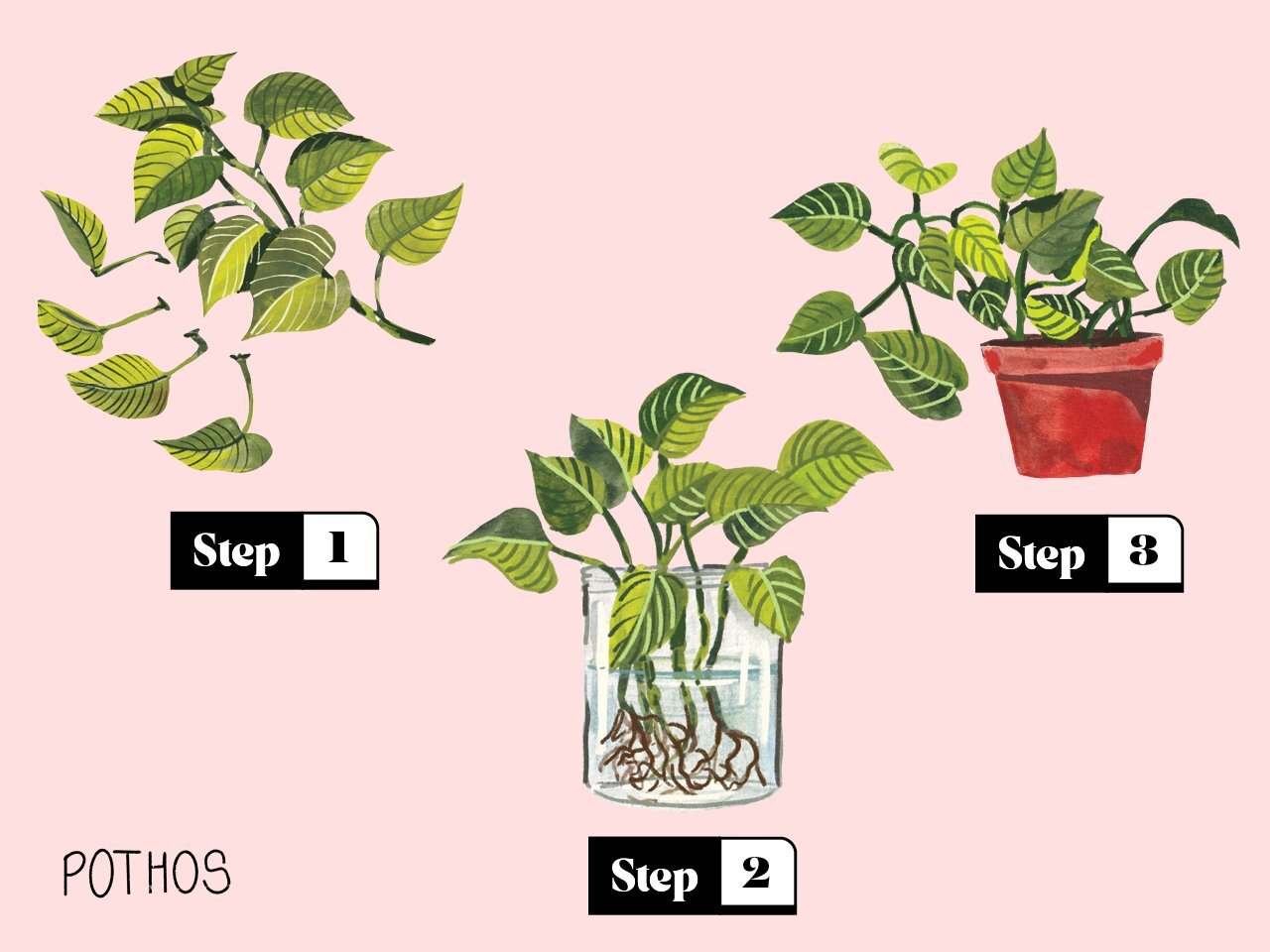
A crucial aspect of successfully propagating a ZZ plant from a leaf cutting is establishing a conducive environment that mimics the plant’s natural conditions. This environment plays a vital role in promoting healthy root development and ensuring the cutting’s survival. Creating the right environment involves careful consideration of humidity, drainage, and the appropriate propagation medium.Proper humidity, drainage, and the selection of the correct propagation medium are paramount for successful propagation.
These factors directly influence the cutting’s ability to develop roots and thrive. Understanding and implementing these elements will significantly increase the chances of success in propagating your ZZ plant.
Maintaining High Humidity
High humidity levels are essential for successful ZZ plant propagation. This is because ZZ plants are native to tropical and subtropical regions where humidity is naturally high. Mimicking these conditions encourages root development and reduces the risk of the cutting drying out.Various methods can be employed to achieve the desired humidity. Enclosing the cutting in a clear plastic bag or propagating it inside a humidity dome or propagation station effectively traps moisture.
These methods increase the moisture content in the air around the cutting, creating an optimal environment for root formation. Alternatively, placing the propagation container on a tray filled with water and pebbles creates a humid microclimate. This technique is known as the “water bath” method, and it helps maintain a consistently moist atmosphere.
Choosing Suitable Containers
Selecting appropriate containers is equally important. Clear plastic containers, such as small plastic bags or propagation domes, allow for better monitoring of the cutting’s progress and provide a consistent humid environment. Small glass jars or clear plastic cups can also be used for propagation. The key is selecting a container that is transparent, allowing you to check the cutting’s condition without disturbing it.
Ensuring Proper Drainage
Proper drainage is critical to prevent root rot. Root rot is a common issue in propagation, as excessive moisture can lead to fungal diseases and kill the cutting. To ensure proper drainage, ensure the container has drainage holes. This allows excess water to escape, preventing waterlogging and maintaining a healthy environment for the roots.
Selecting the Propagation Medium
The choice of propagation medium significantly impacts the cutting’s ability to develop roots. A suitable medium should retain moisture but not become waterlogged. The medium should also allow for adequate oxygen exchange for healthy root development. Perlite, vermiculite, and a mix of peat moss and perlite are excellent choices.
Examples of Suitable Propagation Mediums
Several propagation mediums are suitable for ZZ plant propagation. A combination of perlite and vermiculite is an excellent choice. This combination provides excellent drainage and aeration while retaining moisture. Similarly, a mixture of peat moss and perlite offers a balanced blend of water retention and aeration, conducive to root development. These materials create a suitable environment that encourages root growth without the risk of waterlogging.
Comparing Propagation Methods
| Propagation Method | Description | Pros | Cons |
|---|---|---|---|
| Water Propagation | The cutting is placed in water to encourage root development. | Faster initial root growth; easy observation. | Susceptibility to bacterial and fungal growth; potential for root rot; requires careful monitoring. |
| Soil Propagation | The cutting is planted in a propagation medium, such as a mix of perlite and peat moss. | More natural environment; less prone to bacterial and fungal growth (when done correctly); often leads to stronger root systems. | Slower initial root growth; more challenging to observe the process; needs careful monitoring to avoid waterlogging. |
Maintaining the Propagation Environment
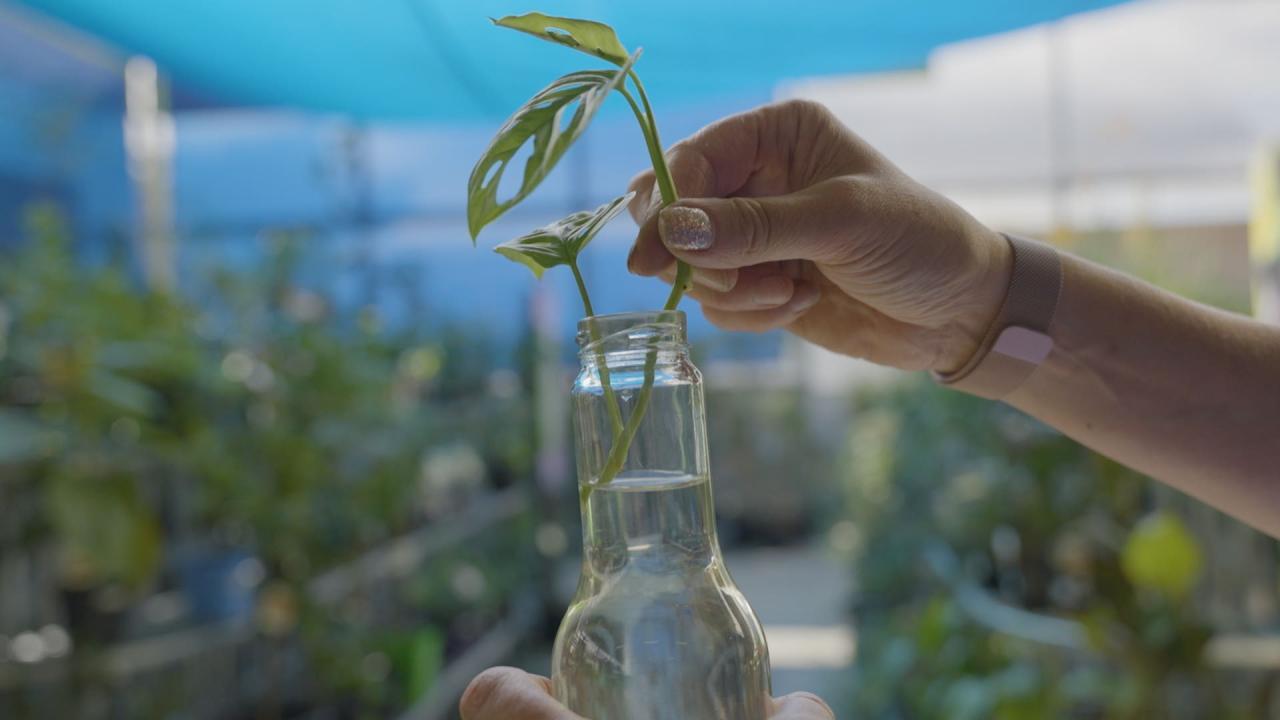
Maintaining the propagation environment is crucial for the success of your ZZ plant leaf cuttings. A consistent environment, optimized for moisture, temperature, and light, will encourage healthy root development. This section will guide you through the essential steps to create and maintain an ideal propagation environment.
Consistent Moisture Levels
Maintaining consistent moisture levels is paramount. Overwatering can lead to root rot, while underwatering will hinder root development. Monitoring the moisture level in the propagation medium is essential. A simple method involves checking the moisture level of the growing medium by gently inserting a finger about an inch into the medium. If the top inch feels dry, it’s time to water.
Regular monitoring is key to maintaining the optimal moisture balance.
Ideal Temperature Range
The ideal temperature range for ZZ plant propagation is between 65°F and 85°F (18°C to 29°C). Temperatures outside this range can slow down or even halt the propagation process. Avoid placing the propagation environment in areas with significant temperature fluctuations.
Step-by-Step Propagation Environment Maintenance
- Regular Monitoring: Check the moisture level of the propagation medium daily, ensuring it is neither overly wet nor bone-dry. Adjust watering frequency as needed.
- Temperature Control: Maintain a consistent temperature within the ideal range. Consider using a thermostat if your environment fluctuates greatly. For example, a propagation area near a sunny window in a cool room will likely need more frequent monitoring.
- Proper Ventilation: Ensure adequate ventilation to prevent the buildup of humidity, which can encourage mold growth. A well-ventilated propagation environment allows for proper air circulation.
- Disease Prevention: Regularly inspect the propagation environment for any signs of mold or other diseases. If you notice any issues, immediately isolate the affected cutting and treat the environment to prevent further spread.
Preventing Mold and Other Diseases
Preventing mold and other diseases in the propagation environment is critical. Ensure proper ventilation and monitor moisture levels closely. Regularly inspect the propagation medium and the cuttings for any signs of discoloration, mushiness, or unusual growth. If mold or disease is detected, immediately isolate the affected cutting and adjust the propagation environment. This might involve increasing air circulation or adjusting watering schedules.
A clean, well-ventilated propagation environment is crucial for preventing these issues.
Importance of Proper Lighting
Adequate lighting is essential for successful ZZ plant propagation. ZZ plants, while adaptable, thrive in bright, indirect light. Direct sunlight can scorch the leaves, while insufficient light can hinder root development. Providing the appropriate light will accelerate the propagation process.
Ideal Lighting Setups
- East-facing window: East-facing windows provide bright, indirect light ideal for propagation.
- South-facing window (filtered): South-facing windows offer ample light, but filtering the light with a sheer curtain or shade is recommended to prevent scorching.
- Grow lights: Grow lights provide a controlled and consistent light source, especially helpful in environments with limited natural light. Adjust the distance of the grow lights from the cuttings as needed.
Watering Schedules
| Propagation Method | Watering Schedule |
|---|---|
| Water Propagation | Water when the top inch of the medium feels dry. |
| Soil Propagation | Water when the top 2 inches of the medium feel dry. |
Monitoring and Caring for the New Plants
Successfully propagating a ZZ plant from a leaf cutting is a rewarding experience. This stage requires careful observation and consistent care to ensure the new plants thrive. The following sections detail the key aspects of monitoring and nurturing your new ZZ plant offspring.
Signs of Successful Root Development
Root development is a crucial indicator of the health and viability of your propagated plant cuttings. Healthy root systems will be evident by the emergence of small, white or light-colored roots. These roots typically begin to appear after a few weeks. The presence of roots signifies that the cutting has successfully initiated the process of establishing itself as a new plant.
Observe the roots periodically to ensure healthy development. A robust root system is essential for the plant to absorb water and nutrients, supporting its growth.
Indicators of Potential Problems and Solutions
Identifying potential problems early can prevent significant setbacks. Signs of rot, such as mushy or darkened stems, indicate overwatering. Reduce watering frequency and ensure proper drainage. If the cutting appears dry and wilting, it likely needs more moisture. Increase the humidity or watering schedule, ensuring adequate water reaches the base of the cutting.
Yellowing leaves might signify insufficient light. Provide the cutting with more bright, indirect light. Pest infestations, such as spider mites or mealybugs, can cause stunted growth or discoloration. If pests are present, treat the cutting with a suitable insecticide or neem oil solution.
Step-by-Step Guide for Transferring New Plants to Larger Containers
Once the new plants have developed a healthy root system, they are ready for transplantation into larger containers. This typically occurs when the roots fill the propagation container. Carefully remove the plant from its propagation container. Gently loosen any entangled roots. Select a new pot that is slightly larger than the previous one.
Fill the new pot with a well-draining potting mix suitable for ZZ plants. Gently place the plant in the center of the new pot, ensuring the roots are spread out evenly. Backfill the pot with fresh potting mix, ensuring the soil level is slightly below the rim. Water thoroughly and place the new plant in a location with appropriate light conditions.
Proper Soil Mix for Established Plants
A well-draining soil mix is crucial for the long-term health of ZZ plants. A blend of peat moss, perlite, and vermiculite is highly recommended. This mix provides excellent aeration and drainage, preventing root rot. The soil mix should retain some moisture but not become waterlogged. Avoid using heavy clay soils that may retain too much water.
Ideal Conditions for Transplanting
The ideal time for transplanting established ZZ plants is during the spring or early summer, when the plant is actively growing. The plant will have an easier time adjusting to the new environment, given the favorable conditions for growth. A warm environment with moderate humidity is ideal for transplantation.
Tips for Successful Plant Care
Maintaining a consistent watering schedule is essential, but avoid overwatering, as this can lead to root rot. ZZ plants are quite drought-tolerant; allowing the top inch or two of soil to dry out between waterings is often sufficient. Provide your ZZ plant with bright, indirect sunlight. Avoid direct sunlight, which can scorch the leaves. Regular fertilization is not strictly necessary, but applying a balanced liquid fertilizer during the growing season (spring and summer) can promote healthy growth.
Ideal Conditions for Growing Mature ZZ Plants
| Factor | Ideal Condition |
|---|---|
| Temperature | 65-80°F (18-26°C) |
| Light | Bright, indirect light |
| Watering | Allow top inch of soil to dry out between waterings |
| Humidity | Moderate to low humidity |
| Soil | Well-draining mix (peat moss, perlite, vermiculite) |
Troubleshooting and Common Mistakes
Propagating ZZ plants from a single leaf can be a rewarding experience, but like any propagation method, it comes with potential pitfalls. Understanding common mistakes and their solutions is crucial for successful propagation. This section details potential problems, their causes, and effective troubleshooting strategies to help you nurture your new ZZ plant babies.
Common Propagation Mistakes
Several factors can hinder the propagation process. Improper preparation of the leaf cutting, inadequate environment conditions, and neglecting proper care can all lead to challenges. Identifying these issues promptly is key to successful propagation.
- Insufficiently Prepared Leaf Cuttings: Improperly prepared leaf cuttings can lead to fungal infections or slow growth. Failure to remove the leaf from the stem or the improper use of sterilizing tools can introduce pathogens. A clean, sharp instrument, like a sterilized knife or razor blade, is essential to prevent damage and infection.
- Inappropriate Propagation Environment: An environment lacking adequate moisture or light can significantly impact the propagation success rate. Too much direct sunlight can scorch the cutting, while insufficient light can prevent proper development. Maintaining a consistent temperature and humidity range is critical.
- Neglecting Proper Care: Inadequate watering or overwatering can result in root rot or leaf rot. Watering too frequently can lead to the cutting becoming waterlogged, whereas insufficient watering can dry out the cutting, hindering its development. A balanced approach is essential.
Troubleshooting Leaf Rot and Other Issues
Leaf rot is a common problem in ZZ plant propagation. Identifying the cause is crucial for implementing the correct solution. Different issues can lead to the same symptoms.
- Waterlogged Environment: If the propagation environment is overly moist, the cutting may develop root rot, which often manifests as mushy roots and brown, decaying leaves. Overwatering is a common cause. Reduce the frequency of watering and ensure good drainage to allow excess moisture to escape. Air circulation is also vital to prevent stagnant moisture.
- Insufficient Drainage: Poor drainage can lead to waterlogging, which in turn promotes the growth of pathogens and the development of root rot. Using a well-draining propagation medium, such as perlite or vermiculite mixed with potting soil, can help prevent this problem. Ensure the propagation container has drainage holes to allow excess water to escape.
- Fungal Infections: Fungal infections can affect the leaves, leading to discoloration and decay. Cleanliness is crucial. Use sterilized tools and avoid overcrowding to prevent the spread of pathogens. Using a fungicide (after consulting with a gardening expert) may be necessary in severe cases.
Troubleshooting Guide
This table summarizes common problems and their corresponding solutions for successful ZZ plant propagation.
| Problem | Cause | Solution |
|---|---|---|
| Leaf Rot | Overwatering, poor drainage | Reduce watering frequency, ensure good drainage, use well-draining propagation medium. |
| Yellowing Leaves | Insufficient light, nutrient deficiency | Ensure adequate lighting, consider adding a balanced liquid fertilizer. |
| Slow Growth | Inadequate light, insufficient moisture, nutrient deficiency | Provide sufficient light, maintain proper moisture levels, consider a balanced liquid fertilizer. |
| Wilting Leaves | Underwatering, extreme temperature fluctuations | Increase watering frequency, maintain a consistent temperature and humidity range. |
Illustrative Examples
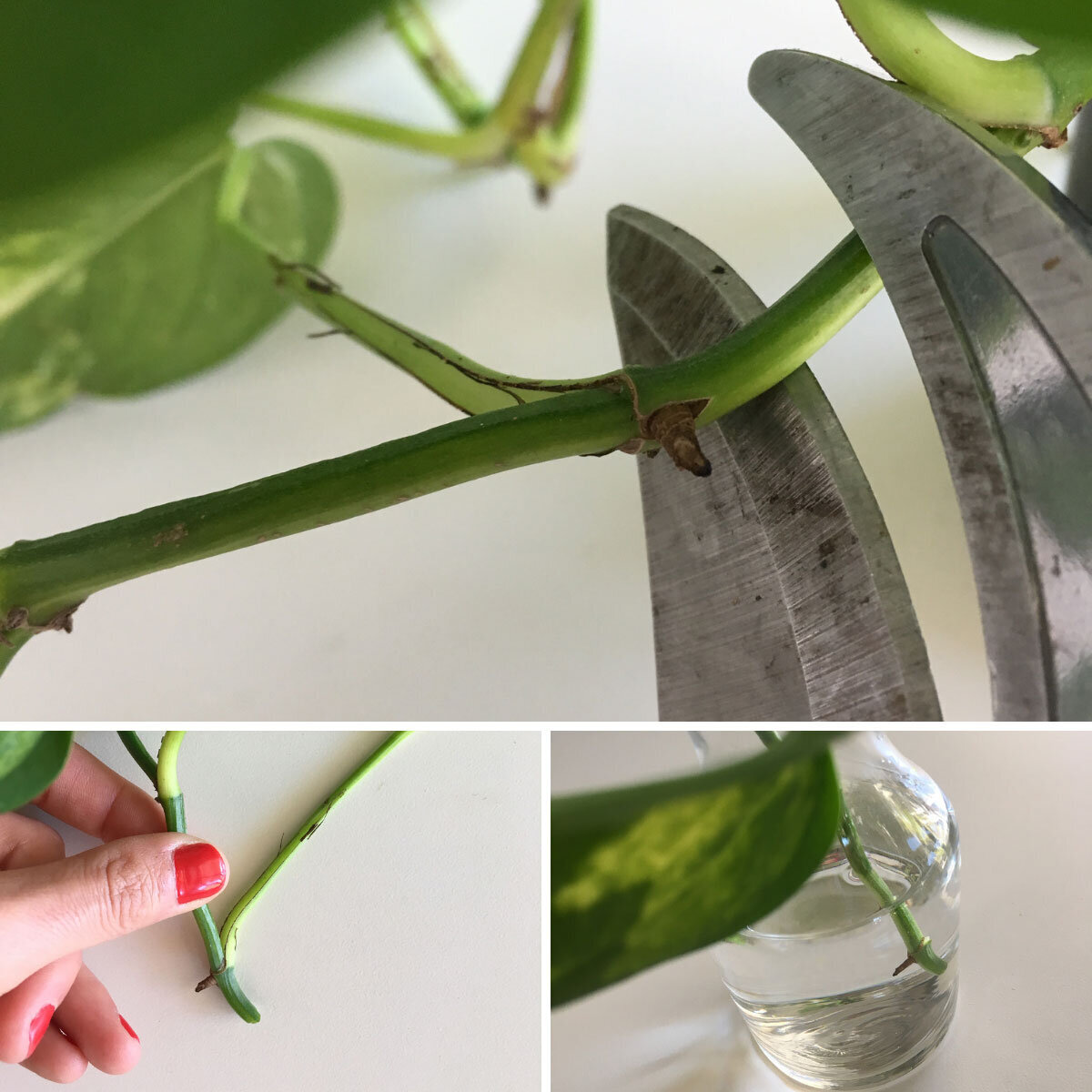
ZZ plant propagation is a rewarding process, offering a chance to multiply these resilient houseplants. Understanding successful examples provides valuable insight into the optimal conditions for propagation and the expected outcomes. This section presents detailed scenarios, visual aids, and comparisons to help you confidently propagate your own ZZ plant.
A Successful ZZ Plant Propagation
A successful ZZ plant propagation begins with a healthy, mature leaf cutting. This cutting, ideally a section from the lower part of the plant, should be firm and free of visible damage. Maintaining a consistently humid environment is crucial, along with adequate indirect light. The roots will typically emerge within several weeks. The plant’s vigor and overall health are indicative of the propagation environment’s success.
Ideal Environment for Propagation
A well-maintained propagation environment is critical for successful rooting. The ideal conditions mimic the ZZ plant’s natural habitat. Humidity and temperature are key factors.
| Parameter | Description | Diagram |
|---|---|---|
| Humidity | High humidity, ideally 70-80%, promotes root development. | A clear glass or plastic container filled with damp perlite or vermiculite, placed on a tray of water. |
| Temperature | Maintain a temperature range between 70°F and 80°F (21°C-27°C). | A warm room with minimal drafts and consistent temperature. |
| Light | Indirect, bright light is essential for healthy growth. Avoid direct sunlight. | A north-facing window or a location with filtered light. |
Example of a Successful ZZ Plant Leaf Cutting
A successful leaf cutting is firm, with no signs of disease or damage. It should be a healthy segment, free of any blemishes or yellowing. The base of the cutting is the area to focus on when selecting a segment. A good leaf cutting has a firm texture and no apparent softening or discoloration.
| Image Description |
|---|
| A close-up view of a healthy ZZ plant leaf cutting. The leaf is a deep, vibrant green, firm to the touch, and shows no signs of decay or disease. The cutting is about 3-4 inches in length, a good size for propagation. |
Maintaining the Propagation Environment
Maintaining the propagation environment is crucial for successful rooting. Regular monitoring and adjustments are necessary to ensure the optimal conditions.
| Action | Description | Diagram |
|---|---|---|
| Watering | Mist the propagation medium frequently to maintain humidity, ensuring not to overwater. | A spray bottle being used to mist the propagation medium within a clear container. |
| Humidity Checks | Regularly check the humidity levels using a hygrometer. | A hygrometer placed inside the propagation container. |
| Light Adjustments | Adjust the light source if needed to maintain indirect brightness. | A plant placed on a table near a north-facing window. |
Healthy ZZ Plant Growth
Healthy ZZ plant growth is characterized by firm leaves, vibrant green color, and robust stems. Growth rates vary depending on environmental conditions and the plant’s maturity.
| Image Description |
|---|
| A healthy ZZ plant displaying new growth. The leaves are a uniform, deep green color, firm and erect, indicating a well-nourished plant. The stems are robust and show no signs of wilting or yellowing. |
Visual Comparison of Propagation Methods
While this guide focuses on leaf propagation, other methods exist.
| Propagation Method | Description | Diagram |
|---|---|---|
| Leaf Cuttings | Propagating by cutting healthy leaves from the plant and rooting them in a humid environment. | A leaf cutting in a humid environment with proper moisture levels. |
| Division | Separating the plant’s root system and repotting the divisions. | A healthy ZZ plant divided into multiple sections, each with a root system. |
End of Discussion
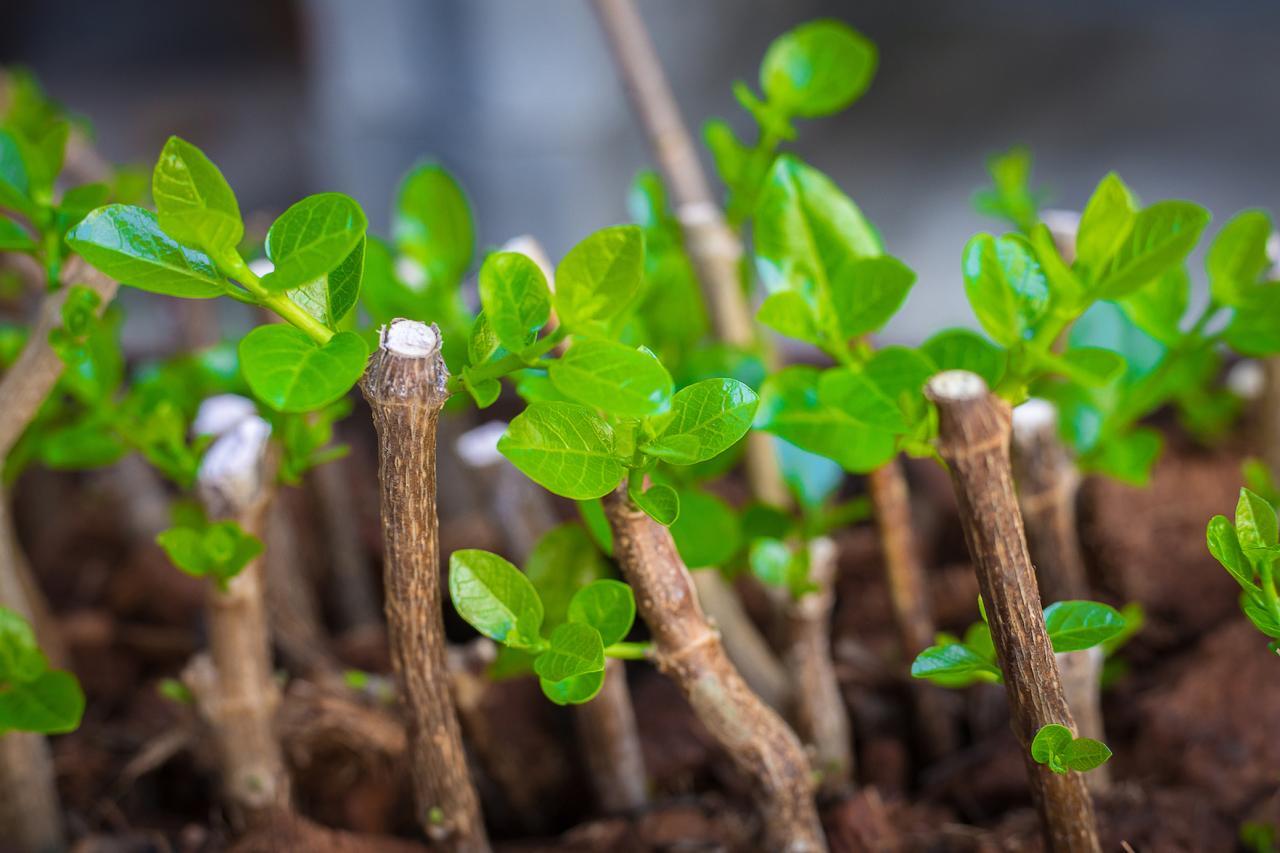
In conclusion, propagating a ZZ plant from a single leaf is achievable with careful attention to detail. By following the steps Artikeld in this guide, you can confidently create a thriving propagation environment and successfully nurture new ZZ plant life. Remember to maintain a consistent environment, monitor your plants’ progress, and address any issues promptly. This comprehensive guide equips you with the knowledge and techniques to propagate your ZZ plants successfully, ultimately expanding your collection and deepening your appreciation for these resilient houseplants.