Propagating pothos from cuttings is a rewarding experience, allowing you to multiply your beloved plant and create new, vibrant additions to your collection. This comprehensive guide will walk you through every step, from selecting the perfect cutting to nurturing your new pothos to healthy maturity.
This detailed guide covers all aspects of propagation, including the necessary materials, preparation techniques, various rooting methods, and crucial post-propagation care. You’ll discover the best methods for each type of pothos, learn how to avoid common pitfalls, and gain valuable insights into maintaining a thriving propagated plant.
Introduction to Pothos Propagation
Pothos propagation is the process of creating new pothos plants from existing ones. This is typically accomplished by taking a cutting from a mature plant and encouraging it to develop roots and new growth. This method is a simple and cost-effective way to expand your collection or share this popular houseplant with others.Propagating pothos offers several advantages. It’s a low-cost method of acquiring new plants, and it allows you to create plants with identical characteristics to the parent plant, ensuring that you get the desired traits and variegation.
This process also reduces reliance on purchasing new plants, which contributes to sustainability and cost savings.
Benefits of Propagating Pothos
Propagating pothos is a rewarding activity for plant enthusiasts. It allows for the creation of new plants from existing ones, which is a fulfilling experience. This method provides an avenue for plant enthusiasts to expand their collection without the need for purchasing new plants. It also allows for the sharing of desirable pothos varieties with friends and family.
Common Reasons for Propagating Pothos
People choose to propagate pothos for various reasons. Often, it’s to expand their collection of houseplants. The ability to produce new plants with the exact characteristics of the parent plant is a strong motivator. Sharing plants with others is another significant incentive. The cost-effectiveness of propagation is another driving force.
Types of Pothos Commonly Propagated
A variety of pothos are readily propagated. The most common types include the golden pothos (Epipremnum aureum), the neon pothos, and the jade pothos. These varieties are popular for their striking aesthetics and ease of propagation. They are widely available, which contributes to their popularity.
Pothos Propagation Methods
| Pothos Type | Propagation Method (brief description) |
|---|---|
| Golden Pothos (Epipremnum aureum) | Typically propagated from stem cuttings, where a section of stem is taken and placed in water or a rooting medium. |
| Neon Pothos | Similar to golden pothos, stem cuttings are used. A moist environment is crucial for successful rooting. |
| Jade Pothos | Stem cuttings are the primary method. These cuttings benefit from a well-draining rooting medium to prevent rot. |
Necessary Materials and Tools
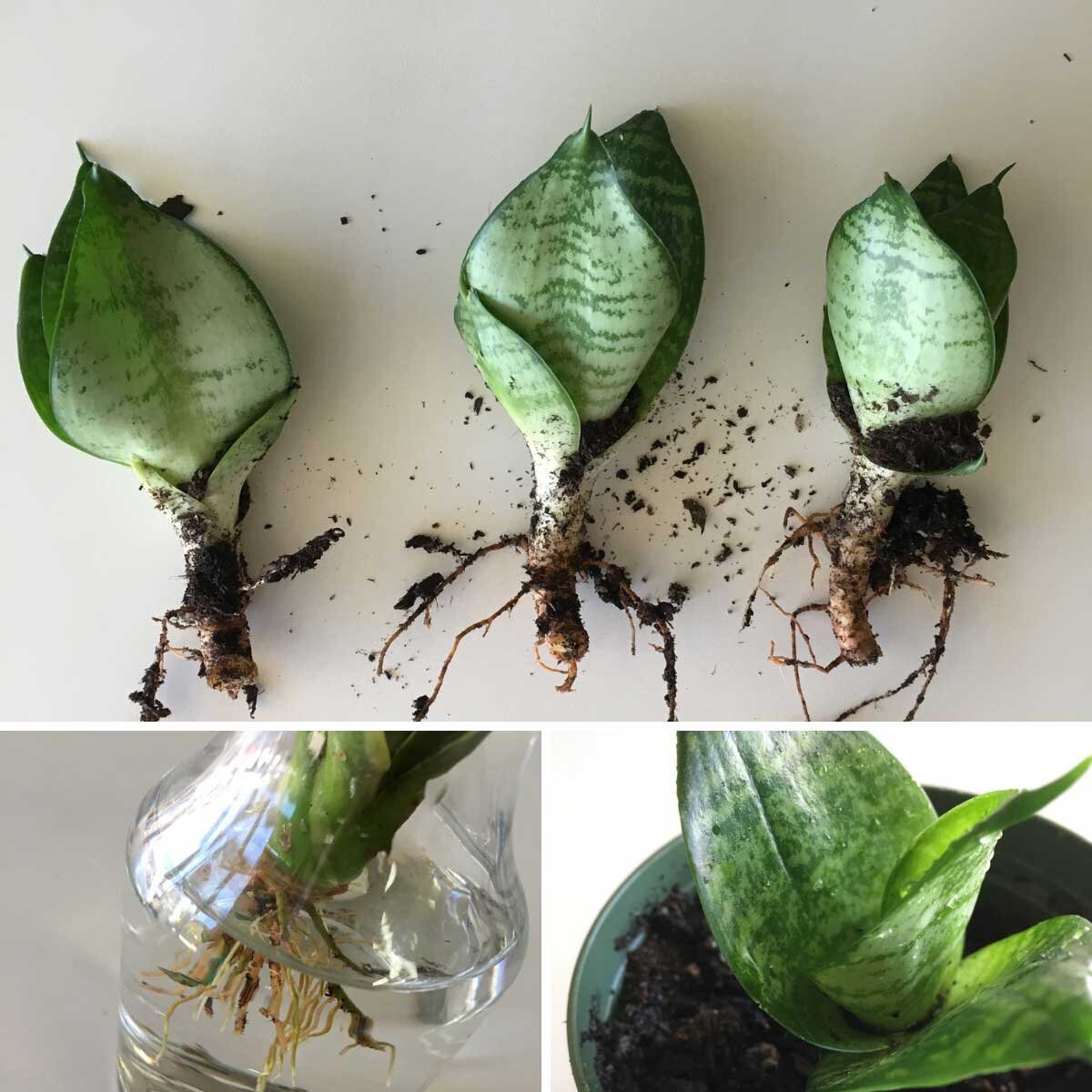
Successfully propagating pothos from cuttings relies heavily on the proper selection and use of materials and tools. A clean and sterile environment is crucial to prevent the introduction of diseases or pests, ensuring healthy new plant growth. Carefully prepared cuttings and tools minimize stress on the plant and maximize the chances of successful propagation.
Materials for Propagation
A variety of materials are necessary for propagating pothos cuttings. These materials facilitate the rooting process and provide a supportive environment for the new plantlets. The appropriate choice of materials ensures optimal conditions for the development of healthy roots.
- Rooting Hormone: A rooting hormone powder or gel is often beneficial for encouraging faster root development in the cutting. This hormone contains plant growth regulators that stimulate root initiation. Some propagation methods use a medium such as water or a rooting medium without rooting hormone; the choice depends on the propagation method.
- Propagation Medium: A suitable propagation medium is essential for providing the necessary moisture and aeration for root development. Common options include perlite, vermiculite, or a mixture of peat moss and perlite. The choice of medium influences water retention and drainage. Different media have different water retention capacities, impacting the frequency of watering.
- Containers: Small, clean containers are required to hold the cuttings and propagation medium. Clear plastic bags or propagation domes are frequently used to create a humid environment for rooting. Containers should be appropriately sized for the cuttings and medium to avoid overcrowding.
- Scissors or Sharp Knife: Sharp pruning tools are essential for cleanly cutting the stem of the pothos plant. This prevents damage to the plant and reduces the risk of infection. Using blunt tools can crush the stem, hindering the propagation process.
- Water (optional): In some propagation methods, water serves as the medium. Clean, distilled or filtered water is recommended to prevent contamination. The use of water as a propagation medium is a valid approach, particularly for certain plant varieties.
Tools for Propagation
Specific tools are needed for the propagation process. Each tool plays a vital role in ensuring the success of the propagation.
| Material/Tool | Description | Purpose |
|---|---|---|
| Sharp Pruning Shears/Scissors | A pair of sharp, clean pruning shears or scissors is essential for cutting the stem. | Precisely cutting the stem minimizes damage and prevents disease. |
| Rooting Hormone | Powder or gel that stimulates root development. | Encourages faster root formation in the cutting. |
| Propagation Medium | Materials like perlite, vermiculite, or peat moss mix. | Provides moisture and aeration for the rooting process. |
| Small Containers | Small pots or trays for holding the cuttings and medium. | Provides a structured environment for the cutting. |
| Plastic Bag/Propagation Dome (optional) | A clear plastic bag or dome for creating a humid environment. | Maintains high humidity levels, promoting root growth. |
Hygiene and Sanitation
Maintaining hygiene and sanitation is critical during the propagation process. This prevents the introduction of diseases and pests, ensuring healthy plant growth. Sterilizing tools and surfaces prevents the spread of harmful microorganisms.
- Sterilize Tools: Thoroughly clean and sterilize all tools with rubbing alcohol or a bleach solution before and after use. This minimizes the risk of transferring pathogens to the cutting. Proper sterilization is crucial for disease prevention.
- Sanitize Surfaces: Clean work surfaces with disinfectant wipes or a similar cleaning agent. This helps to maintain a sterile environment for the cuttings. A clean work area reduces the chances of introducing diseases.
- Use Fresh Materials: Ensure that the propagation medium and containers are clean and free of any contaminants. Using clean materials minimizes the risk of fungal or bacterial contamination.
Preparing the Pothos Cutting
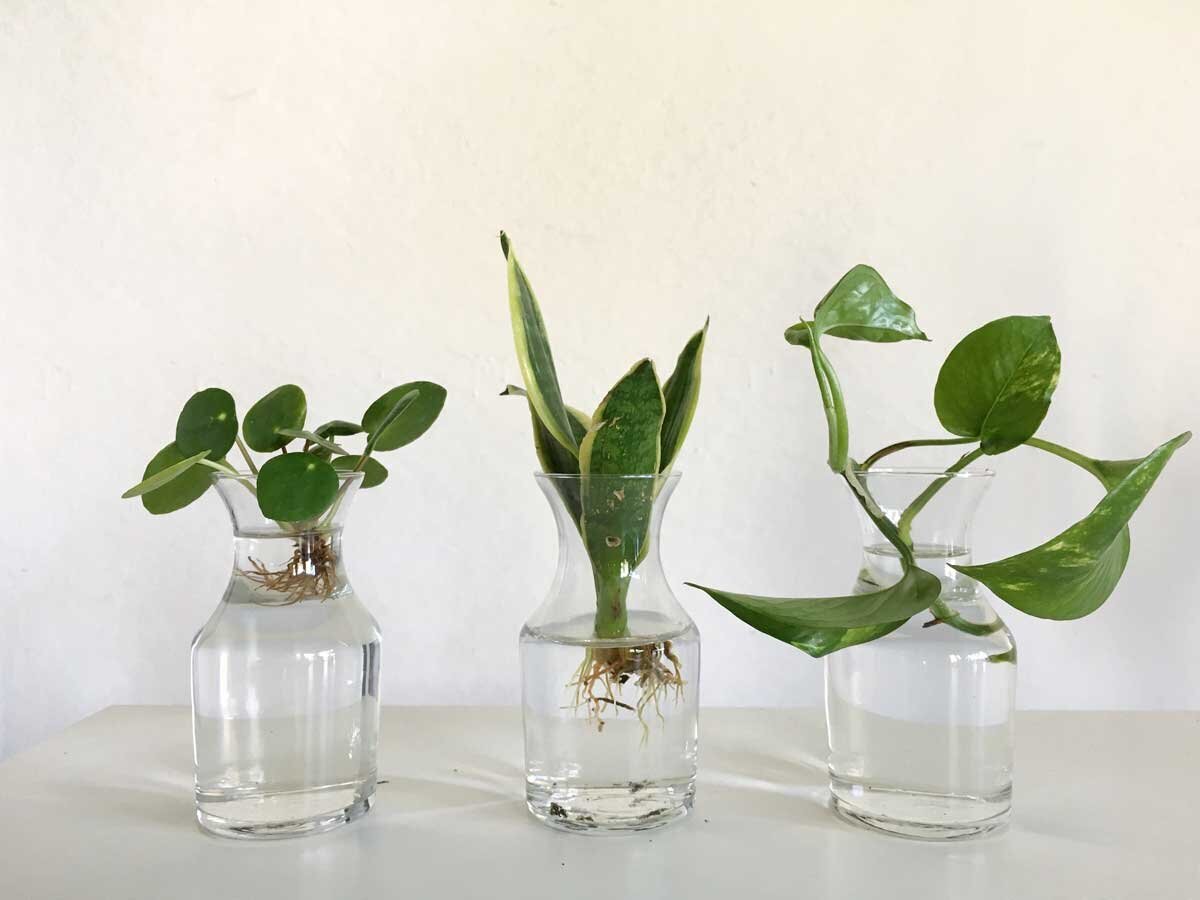
Selecting a healthy cutting is crucial for successful propagation. A well-chosen cutting provides the best chance for root development and a vibrant new plant. Understanding the ideal size, shape, and preparation techniques is essential to maximizing your chances of success.
Ideal Size and Shape of a Pothos Cutting
An ideal pothos cutting for propagation typically measures 4-6 inches in length. This length provides sufficient stem material for root development without being overly cumbersome. The cutting should contain at least 2-3 nodes, where leaves emerge from the stem. Nodes are crucial as they are the areas where roots are most likely to form. A cutting with fewer nodes might struggle to develop the necessary roots for successful propagation.
The shape of the cutting should be straight and free from significant damage or disease.
Taking a Healthy Cutting
Properly taking a cutting from the parent plant is critical for a successful propagation. Use sharp, clean pruning shears or a sharp knife to avoid damaging the plant. Sterilizing your tools is crucial to prevent the spread of disease or bacteria. This step ensures the cutting has the best chance to heal and develop roots without complications.
Preparing the Cutting: A Detailed Procedure
Proper preparation of the cutting is vital for propagation success. This involves removing excess leaves and creating a clean cut. Remove any leaves from the bottom 2-3 inches of the cutting. This ensures that the area where roots will develop is free of leaves, which can rot if submerged in water or growing medium.
Techniques for Making the Cut
Various techniques exist for making the cut. The “clean cut” method, using a sharp tool, is the most common and recommended approach. A clean cut minimizes damage to the stem, promoting faster healing and root development.
Step-by-Step Guide to Preparing a Pothos Cutting
- Gather your tools: Ensure you have sharp, clean pruning shears or a sharp knife. Sterilize the tools by wiping them with rubbing alcohol or a similar disinfectant before each cut.
- Select a healthy stem: Identify a healthy stem on the parent plant, preferably one with 2-3 nodes and a length of 4-6 inches. Avoid stems that are damaged, diseased, or overly thick.
- Remove lower leaves: Carefully remove any leaves from the bottom 2-3 inches of the cutting, leaving the nodes exposed.
- Make a clean cut: Use your sterilized pruning shears or knife to make a clean, straight cut just below a node. Ensure the cut is smooth and not jagged.
- Prepare the cutting: Immediately after the cut, you can use a rooting hormone (optional) to enhance root development. Apply a small amount to the cut end.
Rooting Methods
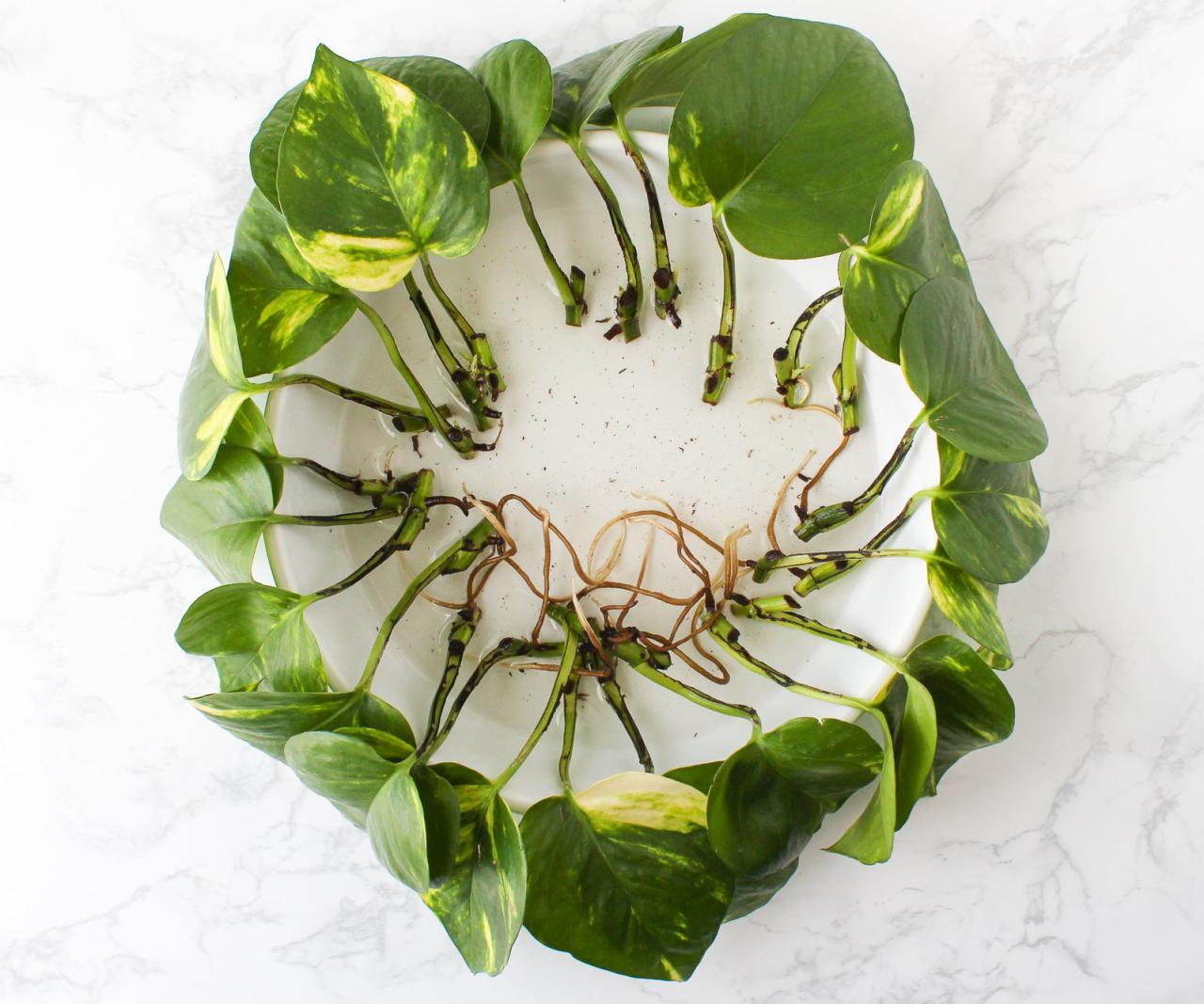
Pothos propagation relies heavily on the successful rooting of cuttings. Various methods offer different advantages and challenges. Understanding these methods, along with the necessary environmental conditions, significantly increases the chances of successful propagation. Careful consideration of each method’s pros and cons will guide you towards the most suitable approach for your specific circumstances.
Comparison of Rooting Methods
Different rooting methods offer varying degrees of success and convenience. A thorough understanding of each method’s strengths and weaknesses is essential for optimal results. Careful selection of the most appropriate method for your needs is crucial.
| Method | Procedure | Pros | Cons |
|---|---|---|---|
| Water Rooting | Place the cutting in a glass or jar of water, ensuring the nodes (the points where leaves emerge from the stem) are submerged. Change the water every few days to prevent bacterial growth. A rooting hormone can be added to the water for enhanced results. | Simple and visually appealing. Easy to monitor root development. Requires minimal equipment. | Water can harbor bacteria and fungus, potentially harming the cutting. Roots may not develop as strong as in other methods. Requires frequent water changes. Risk of contamination is higher than other methods. |
| Soil Rooting | Plant the cutting in a well-draining potting mix, ensuring the nodes are covered. Maintain consistent moisture levels, but avoid overwatering. A rooting hormone can be applied to the cut end of the stem. | Produces strong, healthy roots. Offers a more natural environment for the cutting. Easier to maintain long-term. | Requires more attention to moisture and humidity. May take longer to root compared to water rooting. Risk of root rot if not handled carefully. May need more space. |
| Hydroponic Rooting | Use a hydroponic system with a nutrient solution to root the cutting. Ensure the cutting is submerged in the nutrient solution, with the nodes below the surface. | Provides a controlled environment with precise nutrient delivery. Can potentially accelerate the rooting process. Easy to monitor root development. | Requires specialized equipment and a good understanding of hydroponics. Cost of equipment can be a factor. Nutrient imbalances can harm the cutting. Risk of contamination if not maintained carefully. |
Tips for Success with Each Method
Proper care during the rooting process is essential. Consistent maintenance and attention to environmental factors significantly influence the success rate.
- Water Rooting: Use distilled or filtered water to minimize the risk of contamination. Maintain the water level, ensuring the nodes are always submerged. Change the water every 2-3 days, and consider using rooting hormone to stimulate faster root development.
- Soil Rooting: Choose a well-draining potting mix, such as a mixture of peat moss, perlite, and vermiculite. Avoid overwatering, allowing the top inch of soil to dry out slightly between waterings. Regularly check for signs of root rot.
- Hydroponic Rooting: Use a hydroponic system with a nutrient solution formulated for propagation. Maintain the appropriate pH level and nutrient concentration for optimal growth. Monitor the nutrient solution for any signs of contamination or depletion.
Environmental Conditions for Each Method
Maintaining the ideal environment is crucial for successful rooting.
- Water Rooting: Keep the rooting container in a warm, humid location, such as a propagator or a clear plastic bag draped over the container. Indirect sunlight is preferable. Avoid direct sunlight to prevent algae growth.
- Soil Rooting: Maintain a consistent temperature and humidity level. Provide indirect light for the cutting, avoiding direct sunlight that can scorch the leaves. A temperature range of 65-75°F (18-24°C) is optimal.
- Hydroponic Rooting: The hydroponic system needs a stable temperature and humidity range, ideally in the same temperature range as soil rooting. Monitor the temperature and humidity to avoid overheating or excessive moisture. Use indirect light. The solution’s temperature also needs to be consistent.
Post-Propagation Care
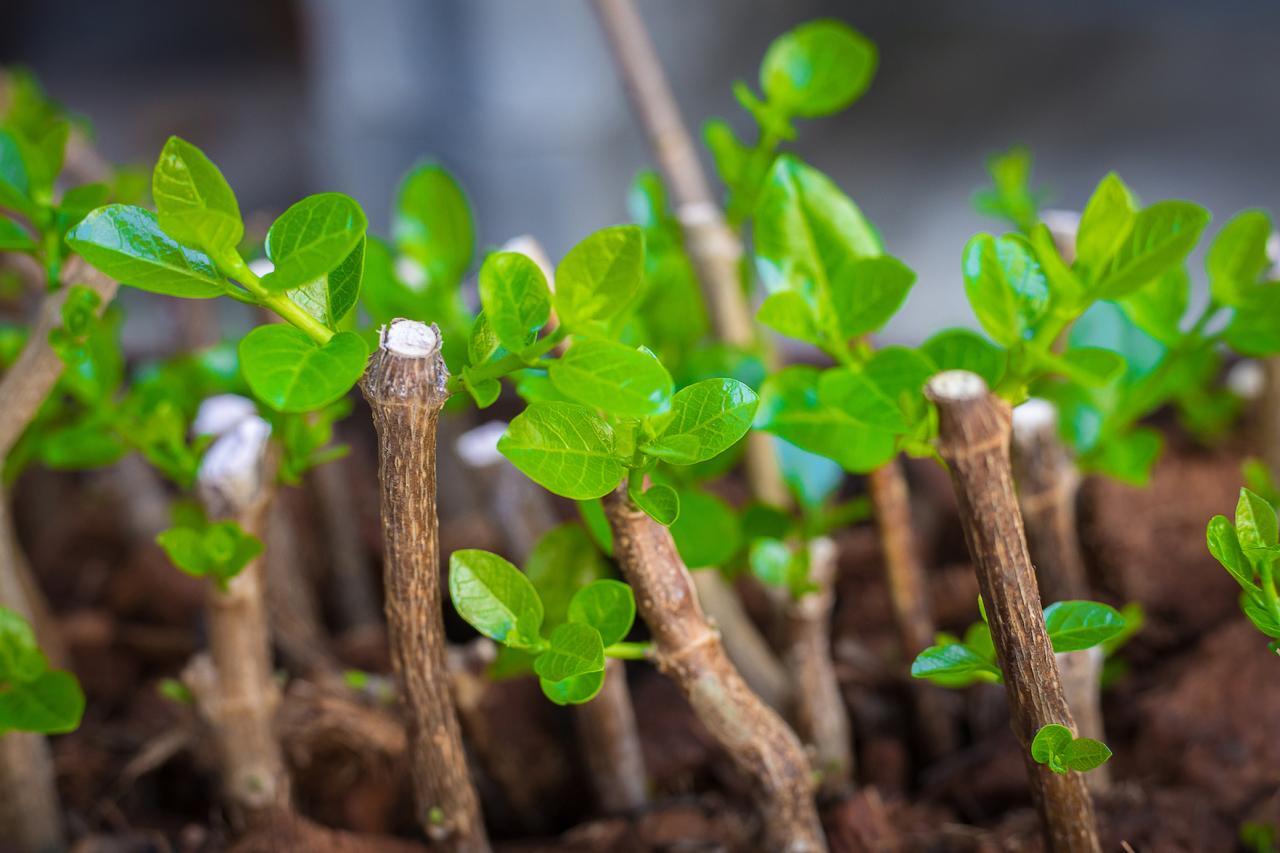
Congratulations on successfully rooting your pothos cuttings! Now comes the rewarding stage of nurturing your new plants into healthy, thriving specimens. Proper post-propagation care is crucial for establishing strong roots and encouraging vigorous growth. This section will guide you through the essential steps to ensure your cuttings thrive.Rooted pothos cuttings require a supportive environment to establish themselves. Optimal care includes precise watering, appropriate light exposure, and a well-suited soil mix.
By adhering to these guidelines, you’ll be well on your way to enjoying the beauty and vibrancy of your new pothos plants.
Optimal Environment for Rooted Cuttings
Providing the right environment is vital for the success of your newly rooted pothos cuttings. This includes factors like temperature, humidity, and the general atmosphere. Maintaining a consistent environment will promote root development and overall plant health. Aim for a temperature range of 65-80°F (18-27°C). A humid environment, while not essential, will often promote faster growth.
You can increase humidity around the plants by grouping them together, using a humidity tray, or placing them near a humidifier.
Watering Schedule and Frequency
Maintaining the appropriate moisture level is critical for the well-being of your rooted cuttings. Overwatering can lead to root rot, while underwatering can cause wilting and stress. Observe the soil moisture regularly. Water when the top inch or two of soil feels dry to the touch. Avoid allowing the soil to become completely saturated.
The frequency of watering will depend on factors like the size of the pot, the humidity of the environment, and the type of potting mix.
Light Requirements
Pothos are adaptable to various light conditions, but they generally thrive in bright, indirect light. Avoid placing your cuttings in direct sunlight, as this can scorch the leaves. A location near an east-facing window or a spot with bright, filtered light is ideal. Insufficient light can result in leggy growth and pale foliage, while excessive light can lead to leaf burn.
Soil Composition and its Role
The soil composition plays a critical role in the health and vitality of your pothos cuttings. A well-draining potting mix is essential to prevent waterlogging and root rot. A good mix will contain a blend of peat moss, perlite, and vermiculite. This blend provides adequate aeration, water retention, and drainage. Using a well-draining soil mix is essential for healthy root development.
Post-Propagation Care Summary
| Aspect | Care Steps |
|---|---|
| Environment | Maintain a temperature range of 65-80°F (18-27°C) and a moderate humidity level. |
| Watering | Water when the top inch or two of soil feels dry to the touch. Avoid overwatering. |
| Light | Provide bright, indirect light. Avoid direct sunlight. |
| Soil | Use a well-draining potting mix containing peat moss, perlite, and vermiculite. |
Troubleshooting Common Issues
Successfully propagating pothos cuttings often depends on attentive care and quick problem-solving. Identifying and addressing potential issues promptly can significantly improve your chances of success. This section will Artikel common problems encountered during propagation and provide practical solutions to help you overcome them.Troubleshooting propagation challenges requires a proactive approach. Recognizing the signs of issues early and understanding the underlying causes is key to effective problem-solving.
By understanding these common problems, you can maintain a healthy environment for your cuttings and significantly increase your propagation success rate.
Common Propagation Problems and Solutions
Troubleshooting propagation issues is essential for successful propagation. Recognizing the symptoms of problems and implementing appropriate solutions can significantly increase the likelihood of successful rooting. The following table Artikels common problems and their corresponding solutions:
| Problem | Solution |
|---|---|
| Slow or No Root Development | Check the moisture level of the rooting medium. Ensure it’s consistently moist, but not waterlogged. Inspect the cutting for any signs of damage or disease. Adjust the humidity levels in the propagation environment, and ensure the cuttings are receiving adequate light. Consider the possibility of an unsuitable rooting medium. |
| Wilting or Yellowing Leaves | Investigate the moisture levels of the cutting. Underwatering can cause wilting and yellowing, while overwatering can lead to root rot. Ensure appropriate drainage to prevent waterlogging. Adjust the environment’s humidity to support healthy growth. Inspect the cutting for pests and diseases. |
| Root Rot | Overwatering is a primary cause of root rot. Reduce watering frequency to allow the medium to dry out slightly between waterings. Ensure proper drainage to prevent water from accumulating around the roots. Inspect the cutting for any signs of fungal growth. Repot the cutting in fresh, well-draining medium. |
| Fungal Growth | Inspect the cutting for signs of mold or mildew. Overwatering and high humidity are common factors contributing to fungal growth. Adjust watering frequency to allow the medium to dry out between waterings. Improve the air circulation around the cutting. Use a fungicide if necessary, but only as a last resort. |
| Pests or Diseases | Inspect the cuttings for insects, mites, or other signs of pests. Treat infestations with appropriate insecticides or neem oil. Check for signs of diseases, like bacterial or viral infections. Isolating the infected cutting is crucial. Remove affected leaves or stems to prevent further spread. |
Signs of Overwatering and Underwater
Recognizing the signs of overwatering and underwatering is crucial for maintaining optimal conditions for pothos propagation. Proper monitoring of moisture levels prevents potential issues.
- Overwatering: Signs of overwatering include yellowing or drooping leaves, mushy stems, and the presence of fungal growth around the roots or medium. Overwatering deprives the roots of oxygen, leading to root rot and ultimately harming the cutting.
- Underwatering: Signs of underwatering include wilting, crispy leaves, and a dry rooting medium. Underwatering prevents the cutting from receiving sufficient moisture for growth and development.
Importance of Monitoring the Environment
Maintaining a stable and suitable environment is crucial for successful propagation. Pothos cuttings are sensitive to environmental fluctuations, and these can impact their ability to root.Monitoring factors like humidity, temperature, and light exposure is vital. Variations in these conditions can negatively affect the cutting’s health and rooting process. Consistent monitoring allows you to promptly adjust the environment to optimize conditions for successful propagation.
Maintaining the Propagated Plant
Maintaining a healthy propagated pothos plant involves a series of consistent practices that ensure its continued growth and vitality. Proper care extends beyond the initial rooting stage, encompassing aspects such as lighting, watering, and fertilization. A well-maintained plant is more resilient to common issues and develops into a thriving specimen.
Watering Practices
Watering is crucial for maintaining a healthy propagated pothos. Overwatering can lead to root rot, while underwatering causes wilting and stress. The frequency of watering depends on environmental factors such as temperature, humidity, and the pot size. Monitor the soil moisture regularly. Water thoroughly until water drains from the drainage holes, allowing excess water to escape.
Avoid letting the plant sit in standing water, as this can lead to root rot.
Lighting Requirements
Pothos thrive in bright, indirect light. Direct sunlight can scorch the leaves, while low light can stunt growth. Placing the propagated plant near an east-facing window or under a grow light offers an ideal compromise. Observe the plant’s response to light. If the leaves exhibit signs of yellowing or browning, adjusting the lighting position may be necessary.
Fertilizing Schedule
Regular fertilization supports healthy growth and leaf development. Use a balanced liquid fertilizer diluted to half strength, applied every 2-4 weeks during the growing season (spring and summer). Reduce or stop fertilization during the dormant season (fall and winter). Over-fertilization can lead to leaf burn and hinder the plant’s health. Always follow the manufacturer’s instructions for dilution and application.
Ideal Growing Conditions
Optimal growth conditions encompass factors like temperature, humidity, and pot size. Maintain a temperature range of 65-85°F (18-29°C). High humidity levels can be beneficial, but the plant can tolerate moderate humidity. Use a well-draining potting mix, and select a pot with drainage holes. Gradually increase the pot size as the plant grows.
Preventing Common Issues
Preventing issues like pests and diseases is key to successful plant propagation. Inspect the plant regularly for pests like spider mites or mealybugs. Treat any infestations promptly with insecticidal soap or neem oil. Maintain good air circulation around the plant to prevent fungal diseases. Ensure proper watering practices and lighting to avoid the common issues associated with these factors.
Regular Maintenance Schedule
Consistent maintenance contributes significantly to the health and longevity of the propagated pothos. A regular schedule ensures the plant receives the care it needs to flourish. The table below Artikels the recommended maintenance tasks and frequencies.
| Task | Frequency | Description |
|---|---|---|
| Watering | As needed (monitor soil moisture) | Water thoroughly until water drains from the drainage holes. |
| Inspect for pests | Weekly | Look for signs of pests like spider mites or mealybugs. |
| Fertilize | Every 2-4 weeks (spring/summer) | Apply diluted liquid fertilizer. |
| Adjust lighting | As needed | Move the plant to a location with adequate light. |
| Repot | As needed (when roots become crowded) | Repot into a slightly larger pot. |
Wrap-Up
In conclusion, successfully propagating pothos from cuttings is achievable with the right knowledge and care. By following the steps Artikeld in this guide, you’ll be well-equipped to embark on this rewarding journey. From selecting the perfect cutting to nurturing your new plant to health, this comprehensive guide provides all the necessary information for a successful propagation experience.