Houseplants bring life and vibrancy to any home, but sometimes their growth can become unruly. Proper pruning is a vital technique to maintain their shape, encourage healthy growth, and ensure a lush, full appearance. This comprehensive guide will walk you through the essential steps for pruning your houseplants effectively, from understanding the right time and tools to mastering various techniques for different plant types.
We will cover the entire process, from preparation to post-pruning care, to help you achieve the fuller, more attractive houseplants you desire.
Knowing when and how to prune your houseplants can dramatically impact their health and aesthetic appeal. Different plant types have specific needs and optimal pruning times, which will be explored in detail. This guide also addresses the importance of using sharp tools, taking safety precautions, and understanding post-pruning care to ensure a smooth transition for your plants. By following these steps, you’ll gain the confidence to maintain your houseplants and keep them thriving.
Introduction to Pruning Houseplants
Pruning houseplants is the act of carefully removing specific parts of the plant, such as stems, leaves, or flowers. This practice, when done correctly, can significantly improve the plant’s health, encourage bushier growth, and even extend its lifespan. The goal is not to harm the plant, but rather to stimulate its natural growth patterns and create a more aesthetically pleasing form.Proper pruning can lead to fuller, healthier plants by directing energy towards new growth.
By removing dead or diseased material, pruning also prevents the spread of potential issues. It’s a vital part of plant care that helps maintain the plant’s overall vigor and encourage the development of a dense, desirable form. Understanding the specific needs of different plant types is crucial for successful pruning.
Pruning Techniques for Various Houseplant Types
Different houseplants respond differently to various pruning techniques. Understanding the plant’s natural growth habit and preferences is key. For example, a trailing plant may benefit from pinching back to encourage bushier growth, whereas a flowering plant may require a more substantial pruning to maintain flowering cycles. Careful observation of the plant’s response is essential for achieving desired outcomes.
Importance of Understanding Plant Needs Before Pruning
Before undertaking any pruning, it’s critical to understand the specific needs of the plant. Different species have unique growth patterns and responses to pruning. A thorough understanding of the plant’s requirements, including its light, water, and nutrient needs, will ensure that the pruning process enhances its overall health. For instance, a succulent plant will need different pruning techniques than a flowering vine.
Comparison of Pruning Techniques
| Pruning Technique | Description | Suitable Plant Types | Impact on Growth |
|---|---|---|---|
| Light Pruning | Involves removing a small portion of the plant, typically leaves or stems. | Young plants, those that prefer a more compact form, or those recovering from stress. | Encourages new growth, promotes bushier appearance, and maintains plant health. |
| Heavy Pruning | Involves removing a significant portion of the plant, including stems and branches. | Established plants that have become overgrown or have lost their shape. | Stimulates vigorous new growth and restores the plant’s overall form. Can take longer to recover and needs careful monitoring. |
This table illustrates the core differences between light and heavy pruning, highlighting the suitability of each technique for different plant types and growth stages. Careful consideration of the plant’s current state and desired outcome is crucial.
Identifying the Right Time to Prune
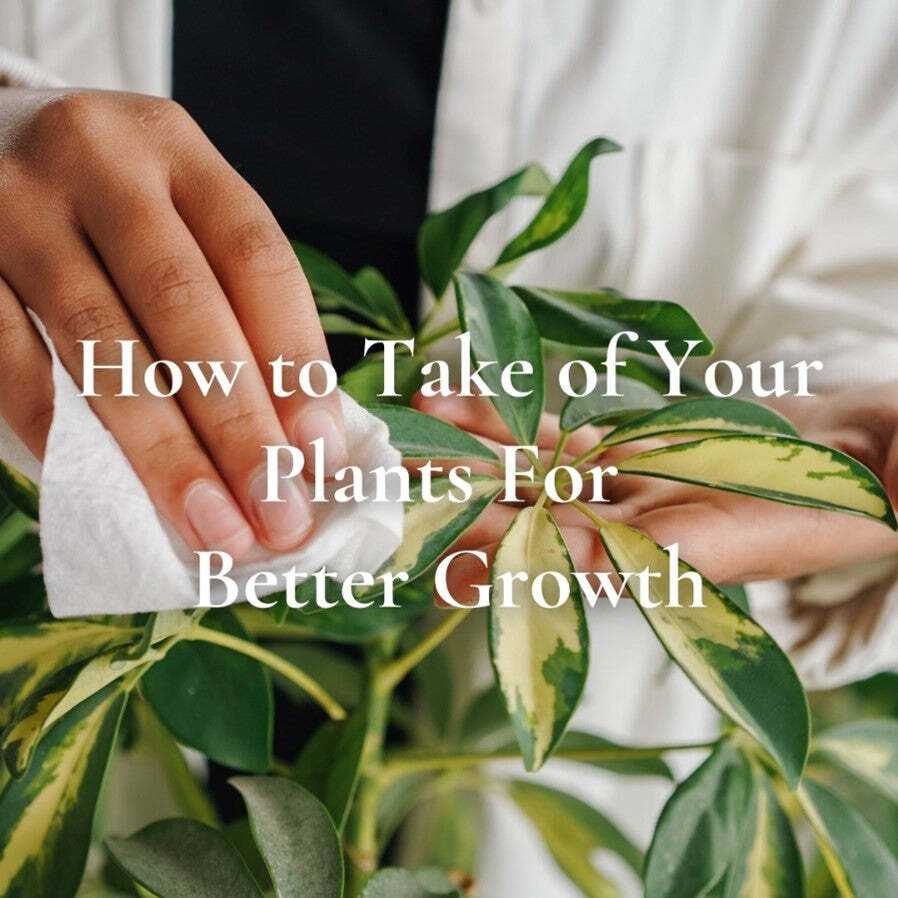
Pruning houseplants at the optimal time is crucial for encouraging healthy growth and preventing stress. Understanding the plant’s natural growth cycle and seasonal variations significantly impacts the success of your pruning efforts. This section details the ideal pruning times for various houseplant types, considering their specific needs and the impact of different seasons.The timing of pruning plays a significant role in a plant’s ability to recover and thrive.
Pruning during periods of active growth allows the plant to readily replenish lost foliage and stems, leading to faster and healthier regrowth. Conversely, pruning during dormancy or periods of stress can hinder recovery, potentially leading to slower or less robust regrowth.
Optimal Pruning Times for Different Plant Types
Understanding the ideal pruning time for different houseplant types is essential for successful plant maintenance. This knowledge allows you to nurture your plants by synchronizing your pruning activities with their natural growth cycles.
- Succulents: Succulents typically exhibit periods of active growth during spring and summer. Pruning during these months encourages new growth and maintains a healthy, full appearance. Avoid pruning during winter as this is their dormant period. The timing is critical to avoid stressing the plant, leading to potential issues such as leaf drop or slowed growth.
- Ferns: Ferns are often pruned in late spring or early summer. This period typically aligns with their active growth phase, enabling them to readily replenish lost fronds and maintain their lush appearance. Avoid pruning during winter, as this is a period of reduced activity for most ferns.
- Flowering Plants: Flowering plants require specific pruning times based on the type of flower. For those blooming in spring, pruning is typically done after flowering. This practice encourages the development of new buds for the following blooming season. For plants blooming during other seasons, pruning should align with their specific growth cycles. Thorough research on the particular plant species is essential for optimal timing.
Factors to Consider When Deciding Pruning Timing
Several factors influence the optimal pruning time for houseplants. These factors help ensure the plant’s health and recovery.
- Plant Type: Different plant types have varying growth cycles and tolerances to pruning. For example, succulents respond best to spring or summer pruning, whereas ferns generally thrive with late spring or early summer pruning. Understanding the specific needs of each plant type is crucial for successful pruning.
- Season: Seasons profoundly influence plant growth. Pruning during periods of active growth is generally preferred, as it allows the plant to quickly recover. However, pruning during dormancy may be necessary for certain plant types, but care must be taken to avoid stress.
- Environmental Conditions: Environmental factors such as temperature, humidity, and light exposure can affect a plant’s response to pruning. Pruning during periods of extreme heat or cold should be avoided. This will prevent the plant from being stressed further. Similarly, providing optimal light and humidity will promote recovery and growth.
Comparing Seasonal Impacts on Plant Growth
Pruning during different seasons has a notable impact on plant growth.
| Season | Impact on Plant Growth |
|---|---|
| Spring | Generally, the best time for most houseplants. Active growth period allowing for quick recovery and robust new growth. |
| Summer | Ideal for many plants, but extreme heat may stress some types. |
| Autumn | Some plants may enter a period of dormancy, and pruning might be less effective or cause damage. |
| Winter | Generally not the best time, as many plants are dormant. Pruning can cause stress and hinder recovery. |
Tools and Equipment for Pruning
Proper pruning tools are crucial for successful houseplant maintenance. Choosing the right tools and using them correctly minimizes plant damage, allowing for healthy regrowth and a more visually appealing plant. This section will Artikel the essential tools, emphasizing the importance of sharpness and safety precautions.
Essential Pruning Tools
Selecting the appropriate tools ensures precise cuts, preventing the spread of disease, and facilitating the plant’s natural healing process. A well-maintained set of tools is vital for effective pruning.
- Sharp Pruning Shears/Scissors: These are indispensable for precise cuts on smaller branches and stems. Sharp shears reduce tearing, promoting faster healing and minimizing the risk of introducing pathogens.
- Hand Pruners: Ideal for thicker branches and stems, hand pruners offer a greater cutting capacity than shears. They provide a clean cut, critical for preventing infection and encouraging proper regrowth.
- Loppers: These tools are designed for thicker branches that exceed the reach of hand pruners. Loppers enable the efficient pruning of larger stems and branches, contributing to the overall health and structure of the plant.
- Secateurs: A combination of pruning shears and hand pruners, secateurs are versatile tools for a range of pruning tasks. Their adaptability allows for precise cutting of various branch thicknesses.
- Pruning Saw: For thicker branches or larger cuts, a pruning saw is necessary. A pruning saw offers a clean cut, which is crucial for preventing the spread of disease and promoting plant health.
Importance of Sharp Tools
“Sharp pruning tools are essential for minimizing plant damage.”
Sharp tools are paramount for making clean cuts. A dull blade tears the plant tissue, leading to increased susceptibility to diseases and pests. This is because the torn edges offer a larger surface area for pathogens to enter, slowing down healing and potentially harming the plant. Clean cuts, on the other hand, seal rapidly, allowing the plant to heal more efficiently.
For example, a clean cut from sharp pruning shears will heal quickly and prevent the entry of harmful organisms, whereas a torn cut from dull shears can take weeks to heal and can introduce diseases or pests.
Safety Precautions
Proper safety measures are critical when handling pruning tools. Careless use can lead to injuries and hinder the success of the pruning process.
- Wear appropriate gloves: Protecting hands from sharp tools is a critical safety precaution.
- Use the correct tool for the job: Selecting the appropriate tool prevents injury and ensures optimal results.
- Maintain a firm grip: A firm grip prevents slips and accidental cuts.
- Store tools properly: Storing tools in a designated area prevents accidents and ensures easy access when needed.
- Inspect tools regularly: Regular checks for sharpness and any damage to the tools ensures they are functioning correctly and safely.
Types of Pruning Tools and Their Uses
The following table illustrates the various pruning tools and their respective applications:
| Tool Type | Description | Typical Use |
|---|---|---|
| Pruning Shears | Small, handheld shears for small branches | Cutting small stems, leaves, and flowers |
| Hand Pruners | Slightly larger than shears, for thicker stems | Pruning branches up to 1/2 inch in diameter |
| Loppers | For larger branches, up to 2 inches in diameter | Cutting larger branches, often in gardens |
| Secateurs | Combines features of shears and hand pruners | Versatile for a range of pruning tasks |
| Pruning Saw | For cutting thicker branches | Cutting branches exceeding 2 inches in diameter |
Care and Maintenance of Pruning Tools
Proper maintenance of pruning tools is crucial for their longevity and effectiveness. Maintaining the sharpness of the blades extends the life of the tools and ensures optimal performance.
- Regular cleaning: Removing plant debris after each use prevents the buildup of bacteria and diseases.
- Sharpening: Keeping tools sharp reduces tearing and promotes efficient cutting.
- Proper storage: Storing tools in a dry, safe place prevents rust and damage.
- Periodic lubrication: Applying lubrication to moving parts of tools ensures smooth operation.
Pruning Techniques for Different Plant Types
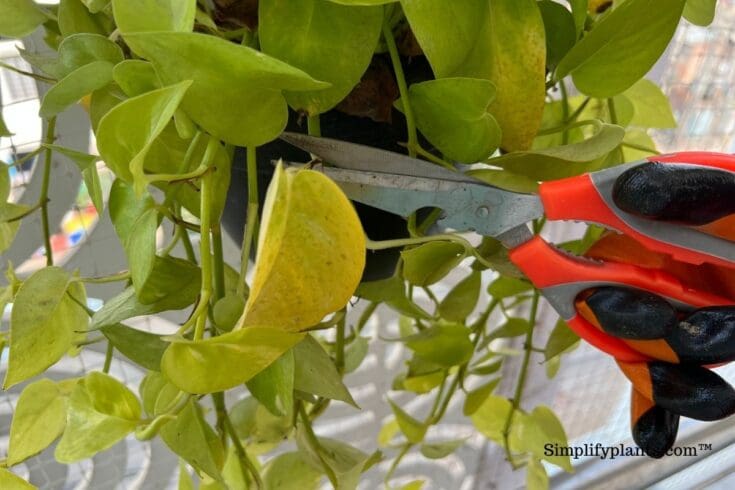
Proper pruning techniques are crucial for maintaining the health and aesthetic appeal of your houseplants. By understanding the specific needs of different plant types, you can effectively encourage fuller growth and prevent issues like overgrowth or disease. Different pruning approaches are required for succulents, ferns, flowering plants, and those with varying growth habits.Effective pruning, tailored to each plant’s unique characteristics, promotes healthy growth and a vibrant appearance.
The goal is to encourage a balanced, well-formed plant that flourishes within its container.
Pruning Succulents
Succulents, with their fleshy leaves and slow growth, require careful pruning. Removing dead or damaged leaves is paramount to preventing rot and maintaining overall health. Simply pinch or cut off the affected parts, ensuring the cut is clean and close to the healthy tissue. Avoid over-pruning, as succulents can take longer to recover from extensive cuts. Minimal pruning is often sufficient to maintain their compact form.
Pruning Ferns
Ferns exhibit delicate fronds that need gentle handling during pruning. Focus on removing dead or yellowing fronds, cutting them close to the stem. Be mindful not to damage the surrounding healthy fronds. Avoid drastic cuts that could harm the plant’s structure. Regular removal of dead fronds helps to maintain the fern’s attractive, lush appearance.
Pruning Flowering Plants
Flowering houseplants benefit from pruning to encourage new blooms and maintain a healthy shape. Dead or diseased stems and leaves should be removed promptly. Prune spent flowers to stimulate new growth and prevent the plant from expending energy on seed production. The specific pruning techniques depend on the type of flowering plant, so research the needs of your particular variety.
Consistent pruning encourages continuous flowering and a more compact plant structure.
Pruning Vining Plants
Vining plants, like pothos and philodendrons, need regular pruning to prevent them from becoming overgrown and unruly. Remove excess stems to maintain the plant’s desired shape and prevent it from becoming tangled or drooping. This will encourage bushier growth and prevent the plant from overwhelming its container. Regular pruning also helps to control the vine’s length and maintain the plant’s overall health.
Pruning Bushes
Bushes, including many flowering varieties and foliage plants, require pruning to maintain their compact shape and encourage new growth. Removing stems that are crossing, rubbing, or growing inward helps to maintain an even and balanced structure. By cutting back stems, you encourage the development of new, healthy shoots, which will create a denser, fuller plant. Proper pruning practices help maintain the desired shape and aesthetic of the plant.
Table of Pruning Techniques for Different Plant Types
| Plant Type | Pruning Technique | Visual Example |
|---|---|---|
| Succulents | Remove dead or damaged leaves, making clean cuts close to the healthy tissue. | (Imagine a succulent with a few brown leaves at the top. Show a clean cut where the brown leaf meets the healthy green part.) |
| Ferns | Trim dead or yellowing fronds close to the stem, being careful not to damage surrounding fronds. | (Imagine a fern with a few brown fronds at the bottom. Show a clean cut where the brown frond meets the healthy green part.) |
| Flowering Plants | Remove dead or diseased stems and leaves. Prune spent flowers to stimulate new growth. | (Imagine a flowering plant with a spent flower. Show a cut made just below the spent flower, allowing new growth to emerge.) |
| Vining Plants | Remove excess stems to maintain shape and prevent tangling. | (Imagine a vining plant with a long, trailing stem. Show a cut made on the stem to control its length.) |
| Bushes | Remove crossing, rubbing, or inward-growing stems. Cut back stems to encourage new growth. | (Imagine a bush with some stems growing too close together. Show the removal of these stems to create space and allow for new growth.) |
Specific Pruning Techniques for Fuller Growth
Encouraging fuller, more vibrant growth in houseplants is achievable through strategic pruning. Understanding the specific techniques tailored to various plant types allows for precise manipulation of growth patterns, resulting in a denser, healthier appearance. Proper pruning not only fosters bushier growth but also controls size and shape, preventing legginess and promoting a balanced aesthetic.Effective pruning is about more than just cutting back; it’s about understanding how a plant grows and responding to its specific needs.
This involves careful consideration of the plant’s structure, its growth habits, and the desired outcome of the pruning. The techniques discussed below are designed to guide you in achieving these goals.
Promoting Branching and New Growth
Proper pruning techniques stimulate the development of new shoots and branches, leading to fuller, denser foliage. Many plants, particularly those with a woody or semi-woody stem, benefit from regular pinching back of new growth. Pinching encourages the formation of lateral buds, resulting in multiple stems and a fuller appearance. This practice is often applied to young plants, while older plants may require more intensive pruning to rejuvenate their growth.
Controlling Size and Shape
Pruning can be used to manage the size and shape of houseplants, keeping them within desired boundaries and preventing them from becoming too large or overgrown. Specific pruning techniques, such as heading back, can be applied to limit the plant’s overall height or width. By strategically removing stems and branches, you can maintain a balanced and aesthetically pleasing form.
Encouraging Bushier Growth
Encouraging bushier growth involves techniques that promote the development of numerous stems and branches. For example, removing the central leader of a plant can stimulate the growth of lateral shoots, creating a more compact and rounded shape. Regular pruning of new growth can also help to maintain a bushy form by preventing the plant from growing too tall and leggy.
This is especially useful for plants that tend to elongate or become spindly.
Preventing Legginess
Legginess in houseplants is often caused by a lack of light or inadequate pruning. Pruning techniques can be employed to prevent and correct legginess. Techniques like pinching back or heading back can encourage the development of new branches, resulting in a more compact and bushy form. Ensuring adequate light conditions for the plant is also crucial to maintaining a healthy and non-leggy structure.
Rejuvenating Older Houseplants
Older houseplants can often benefit from a rejuvenating pruning, restoring their vigor and promoting new growth. This process involves a more extensive pruning strategy than routine maintenance. Removing older, unproductive stems and branches is key to this approach. This can include the removal of dead or damaged stems and even the cutting back of entire branches, if necessary.
Following the pruning, focus on providing the plant with optimal conditions, such as proper lighting, watering, and fertilization, to support the new growth.
Specific Pruning Techniques for Different Plant Types
| Plant Type | Technique | Explanation |
|---|---|---|
| Succulents | Pinching back | Stimulates new growth and prevents them from becoming too tall and leggy. |
| Vines | Pinching back | Encourages the formation of multiple stems and branches, creating a fuller, more cascading effect. |
| Hanging Plants | Heading back | Helps to keep the plant from becoming too long, promoting a bushier and denser appearance. |
Post-Pruning Care and Maintenance
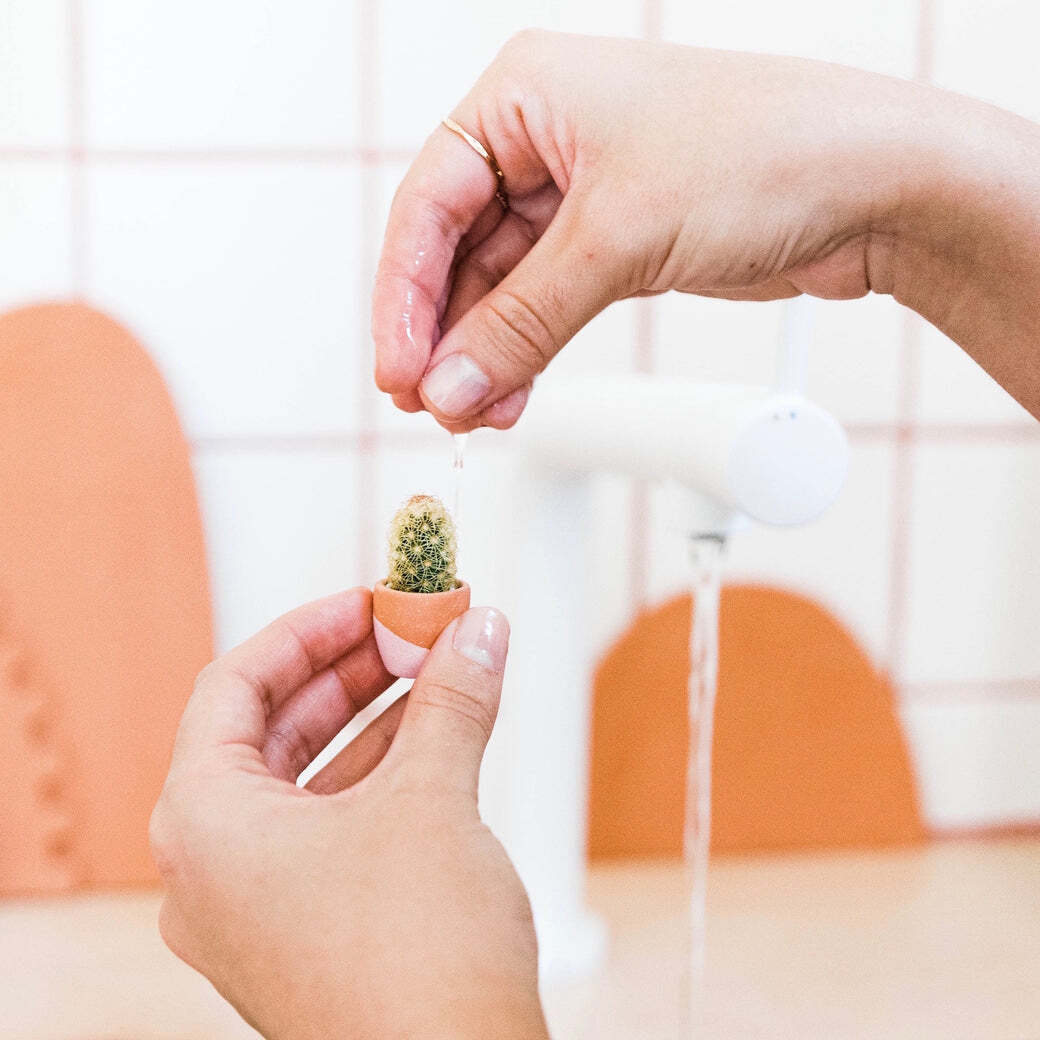
Proper post-pruning care is crucial for the successful recovery and continued health of your houseplants. This period directly follows the pruning process and requires careful attention to watering, fertilization, lighting, and support. Neglecting these aspects can lead to stress, disease, or even plant death. Understanding these crucial steps ensures your plants thrive after the pruning process.
Importance of Watering and Fertilizing
Following pruning, plants experience a temporary increase in their need for water. However, it’s vital to avoid overwatering, as this can lead to root rot. Observe the soil moisture regularly. Water thoroughly only when the top inch of soil feels dry. Reduce watering frequency compared to pre-pruning levels, as the pruned plant will not require as much water until new growth starts.
Fertilization should be adjusted as well. After pruning, plants are actively growing new stems and leaves, and a balanced liquid fertilizer applied at half-strength will aid this process.
Providing Adequate Light and Support
Proper lighting is essential for the recovery process. Pruning can affect a plant’s light requirements. Monitor your plant closely, adjusting its position as needed. Some plants might need more direct light to encourage growth after pruning. Providing support is also vital for recovering plants, especially those with long stems.
Use stakes, plant supports, or other structures to prevent stems from bending or breaking under their weight as new growth develops. This is especially important for vining or tall plants.
Signs of Stress or Disease
Recognizing the signs of stress or disease is vital for prompt intervention. Wilting, yellowing leaves, brown tips, and unusual growth patterns are all potential indicators of issues. Look for pests or fungal infections, particularly in areas where the plant was cut. Early detection and treatment are essential to preventing further damage. Plants under stress are more susceptible to pest and fungal infestations.
Steps to Prevent Post-Pruning Issues
To minimize post-pruning problems, follow these steps:
- Proper sanitation of pruning tools. Clean your pruning tools thoroughly with rubbing alcohol or a disinfectant solution to prevent the spread of diseases.
- Monitoring for pests and diseases. Inspect your plants regularly for any signs of pests or diseases. Addressing any issues promptly can prevent them from spreading to other plants.
- Adjusting watering schedule. Monitor the soil moisture regularly and adjust watering schedules as needed. Avoid overwatering, which can lead to root rot. Adjust watering based on the specific plant’s needs.
- Providing adequate support. Provide necessary support for stems and branches to prevent breakage or damage as new growth emerges.
Possible Problems and Solutions
| Problem | Possible Solutions |
|---|---|
| Wilting leaves | Ensure adequate watering and appropriate light levels. Check for pests or diseases. |
| Yellowing leaves | Adjust watering and fertilizing schedule, assess light exposure, and check for pests or diseases. |
| Brown leaf tips | Ensure appropriate humidity levels, monitor watering, and adjust fertilizing schedules. |
| Pest infestation | Identify the pest and apply appropriate treatment. Isolate the infected plant to prevent spread. |
| Root rot | Reduce watering frequency, improve drainage, and assess the soil’s quality. |
Troubleshooting Common Pruning Issues
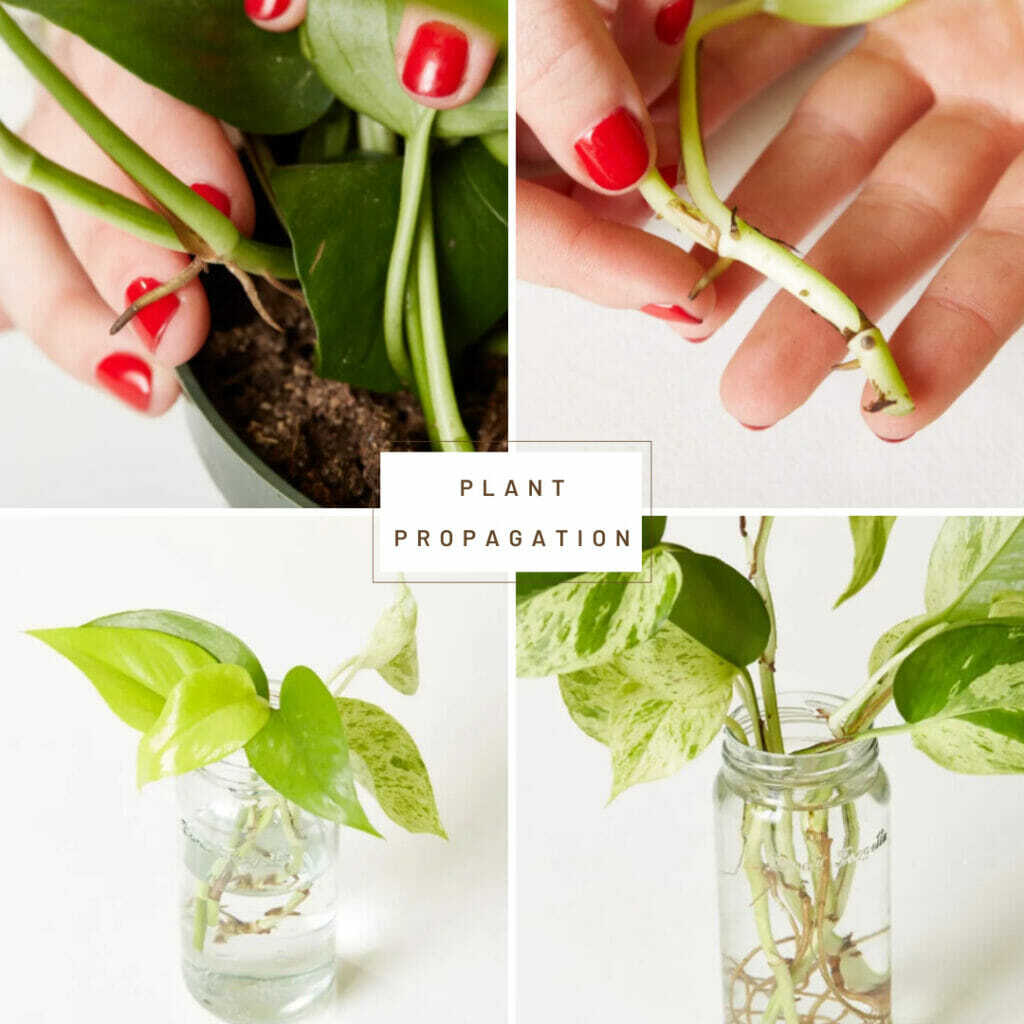
Proper pruning is crucial for maintaining healthy and thriving houseplants, but mistakes can occur. Understanding potential problems and their solutions is essential for successful plant care. This section will explore common pruning issues, their causes, and effective remedies, emphasizing the importance of accurate plant identification.Identifying and addressing pruning problems promptly can prevent further damage and promote robust growth.
Ignoring these issues can lead to diminished plant health, decreased aesthetic appeal, and even the loss of the plant. Careful attention to detail during and after pruning is key to achieving the best possible results.
Potential Problems from Improper Pruning Techniques
Incorrect pruning techniques can lead to various problems, including over-pruning, root damage, and disease transmission. Understanding the potential issues and their underlying causes is vital to taking corrective actions. Careful observation of the plant’s response to pruning is essential.
- Over-Pruning: Removing too much foliage or stem material can weaken the plant, making it more susceptible to stress and pests. Over-pruning can lead to stunted growth, reduced flowering, and increased susceptibility to disease. Excessive pruning removes vital energy reserves, hindering the plant’s ability to recover and thrive. A good rule of thumb is to only prune what is absolutely necessary.
- Root Damage: During pruning, improper handling or tools that damage the roots can significantly impact the plant’s health. Cutting into the root system can disrupt the plant’s ability to absorb water and nutrients, leading to wilting, yellowing leaves, and ultimately, plant death. Careful handling and precise cuts are crucial to avoid root damage.
- Disease Transmission: Using unclean pruning tools can introduce pathogens to the plant. This can cause infections that spread rapidly throughout the plant. Sterilizing tools is vital to prevent the spread of disease. Improper pruning techniques, like cutting too close to diseased areas, can increase the risk of spreading diseases to healthy parts of the plant.
Causes and Solutions for Common Issues
Understanding the root causes of pruning issues is critical for developing effective solutions.
- Over-pruning: Over-pruning is often caused by inexperience or a desire for immediate results. The solution involves pruning only what is necessary, following the plant’s growth pattern and considering the overall health of the plant. Prioritize removing dead, diseased, or damaged foliage to maintain plant health. Focus on specific areas to improve aesthetic appeal without compromising the plant’s vitality.
- Root Damage: Root damage can result from using blunt or improper pruning tools, over-enthusiastic pruning, or inadequate support for the plant during the process. To prevent root damage, use sharp, clean tools and support the plant while pruning. Ensure the plant is well-watered before and after pruning to help the roots recover. Always cut cleanly to prevent ragged edges that can invite infection.
- Disease Transmission: Disease transmission arises from using unsterilized pruning tools. The solution is to thoroughly sanitize all pruning tools before and after each use. Clean tools with a disinfectant solution to eliminate pathogens. Proper plant identification is crucial to distinguish between various diseases.
Importance of Plant Identification for Diagnosis
Accurate plant identification is paramount for effective diagnosis and treatment. Different plant species react differently to pruning.
- Accurate Identification: Determining the exact plant species is crucial for determining the appropriate pruning techniques and addressing potential issues. Consult reliable resources like plant identification guides or consult with local gardening experts to identify the specific plant type.
- Species-Specific Needs: Different plant species have different growth habits and responses to pruning. Understanding these unique needs is crucial for achieving the desired results.
Handling Different Plant Responses to Pruning
Plants react differently to pruning depending on their individual characteristics.
- Assessing the Plant’s Response: Monitoring the plant’s response to pruning is essential. Observe the plant for any signs of stress, such as wilting, yellowing leaves, or stunted growth. Observe the plant’s overall vigor and health to assess its response to the pruning.
- Adapting to Individual Needs: Adjust pruning techniques based on the plant’s response. If the plant shows signs of stress, reduce the amount of pruning and provide additional support. Monitor the plant’s recovery and adapt pruning strategies accordingly. Consult reliable resources for species-specific pruning information.
Preventing Future Pruning Problems
Proactive measures can minimize the risk of future pruning problems.
- Proper Tool Maintenance: Maintaining pruning tools in optimal condition is essential. Sharpen blades regularly and sanitize them thoroughly after each use. Keep tools clean to prevent disease transmission and ensure smooth cuts. Regular maintenance will extend the life of the tools.
- Careful Observation and Planning: Observe the plant’s growth pattern and health before pruning. Plan the pruning process carefully to minimize the impact on the plant’s health and overall structure. Plan your pruning strategy to achieve desired results without causing undue stress on the plant. Consider the plant’s size, growth habit, and the specific pruning goals.
- Consulting Experts When Needed: If unsure about a particular pruning technique, consult with a knowledgeable expert. They can provide guidance and ensure the pruning process is carried out safely and effectively. Experts can provide personalized advice based on the specific plant and its needs.
Examples of Different Pruning Styles
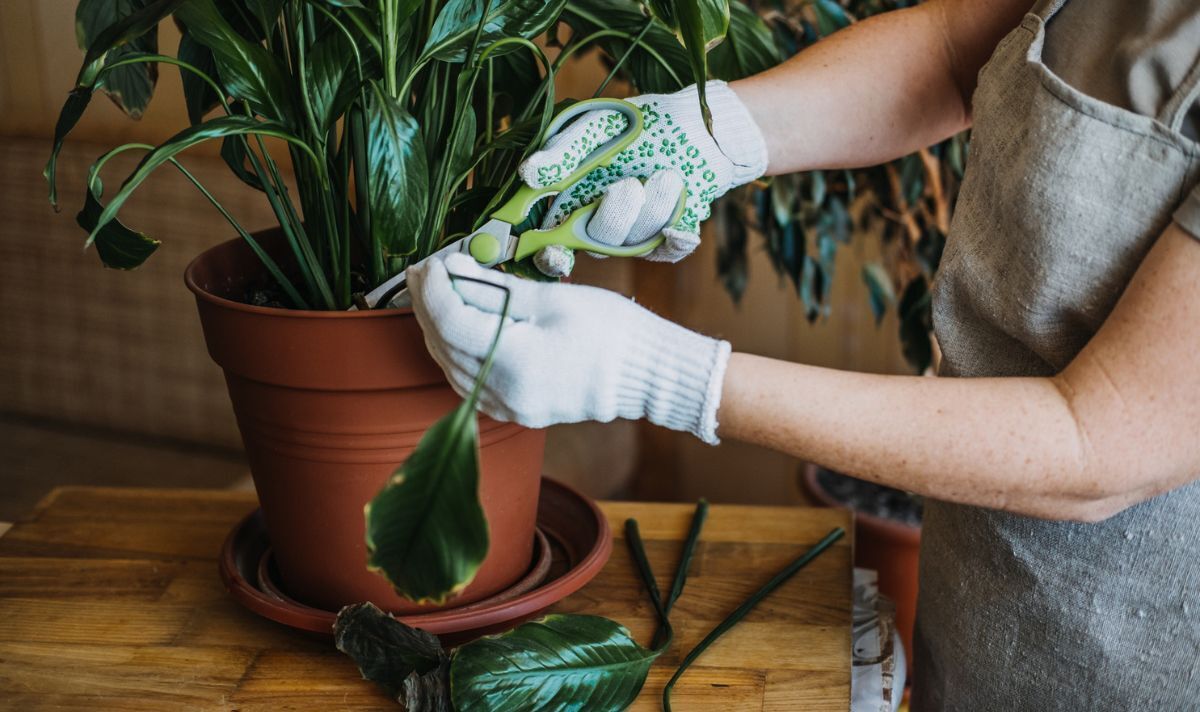
Pruning techniques extend beyond simply removing dead or damaged branches. Mastering various pruning styles allows you to shape your houseplants into aesthetically pleasing forms, encouraging bushier growth or a more defined structure. Understanding these styles enables you to cultivate a thriving and visually appealing indoor garden.Different pruning styles can significantly impact the overall shape and appearance of your houseplant.
By strategically removing certain branches and stems, you can guide the plant’s growth and create desired forms, ranging from compact and dense to airy and cascading.
Pruning for a Rounded Shape
Pruning for a rounded shape involves strategically removing stems and branches to encourage outward growth from the central stem. This approach prevents the plant from becoming too leggy or elongated, promoting a balanced and compact form. Begin by trimming back any overly long stems, maintaining an even distribution of growth points around the central stem. Regular pruning will maintain the rounded form, ensuring the plant retains its symmetrical structure over time.
Careful attention to removing branches that are competing for light or space within the plant’s canopy will further promote a well-balanced rounded shape.
Pruning for a Formal Tree Shape
Creating a formal tree shape requires a more precise approach, involving the careful removal of lower branches to form a distinct trunk and a well-defined canopy. Begin by identifying a central leader stem, and remove competing stems that grow from the trunk to avoid creating a multiple-stemmed structure. This shaping process, when consistently practiced, will maintain a clear trunk and balanced canopy, enhancing the plant’s vertical structure and aesthetic appeal.
Pruning should focus on maintaining a symmetrical shape with the canopy, as a lopsided or irregular shape can negatively impact the overall aesthetic.
Pruning for a Cascade Style
To achieve a cascading style, encourage growth downwards by strategically pruning branches that grow upwards. This technique focuses on directing growth outwards and downwards, allowing the plant to gracefully drape over the container. Removing branches that obstruct the cascading form and maintaining the downward growth habit is key to maintaining the cascading style. This requires careful attention to maintaining a natural, flowing cascade without creating a cluttered or dense appearance.
Regular pruning helps manage the length of the stems, ensuring they gracefully cascade over the pot’s edge.
Pruning for a Dense Shrub Shape
Cultivating a dense shrub shape involves pruning to promote the formation of multiple stems and branches. This style is characterized by a compact and bushy appearance. By strategically removing stems that compete with other stems or grow inwards towards the center, you can encourage outward growth. Regular pruning, removing any crossing or competing stems, helps to maintain a dense and full shrub shape, promoting new growth and a visually appealing form.
Frequent pruning sessions encourage the development of a well-balanced and densely populated shrub.
Comparison of Pruning Styles
| Pruning Style | Description | Effect on Plant Shape | Aesthetic Considerations |
|---|---|---|---|
| Rounded | Promotes outward growth from the central stem. | Compact, symmetrical form. | Balanced, visually appealing. |
| Formal Tree | Creates a clear trunk and defined canopy. | Vertical structure with a symmetrical crown. | Elegant, structured appearance. |
| Cascade | Encourages downward growth. | Draped, flowing form. | Graceful, cascading effect. |
| Dense Shrub | Promotes multiple stems and branches. | Compact, bushy appearance. | Full, vibrant, and dense foliage. |
Wrap-Up
In conclusion, pruning your houseplants is a rewarding process that allows you to shape their growth, maintain their health, and cultivate a beautiful indoor garden. By understanding the appropriate techniques, tools, and timing, you can achieve fuller, healthier plants that bring joy to your home. Remember, consistent care and attention to detail are key to success in this endeavor. This comprehensive guide has provided a solid foundation for achieving beautiful, thriving houseplants.