Fungal infections, encompassing a wide range of conditions from athlete’s foot to ringworm, can cause discomfort and aesthetic concerns. This guide provides a thorough exploration of these infections, from understanding their various types and symptoms to effective diagnostic methods, treatment options, and preventive measures. We’ll also examine home remedies and strategies for managing and preventing recurrences.
Recognizing the early signs of a fungal infection is crucial for prompt treatment and preventing further complications. By understanding the different types of fungal infections, their common symptoms, and risk factors, you can better equip yourself to identify and address these issues effectively.
Introduction to Fungal Infections
Fungal infections, also known as mycoses, are a diverse group of diseases caused by various types of fungi. These organisms can infect different parts of the body, ranging from the skin and nails to the lungs and internal organs. Understanding the different types of fungal infections, their locations, and symptoms is crucial for proper diagnosis and treatment.
Types of Fungal Infections
Fungi are classified into different groups, each with unique characteristics and infection patterns. The most common groups include dermatophytes, yeasts, and molds. Dermatophytes, for example, specifically target the keratin-rich tissues of the skin, hair, and nails. Yeasts, on the other hand, are single-celled fungi that often cause infections in moist areas of the body. Molds, a more complex form of fungus, typically cause infections in the lungs and other internal organs.
Common Locations of Fungal Infections
Fungal infections can manifest in various locations on the body, often depending on the type of fungus. Skin infections are frequently observed on areas with increased moisture, such as the feet (athlete’s foot), groin (jock itch), and under the nails. Oral thrush, a yeast infection, is a common oral manifestation. Lung infections, typically caused by molds, can present with symptoms like cough and shortness of breath.
Disseminated infections can affect multiple organ systems, posing a greater health risk.
Symptoms of Fungal Infections
The symptoms of fungal infections can vary significantly depending on the specific type of fungus and the location of the infection. Common symptoms include skin irritation, redness, itching, scaling, and the formation of lesions or rashes. Changes in nail appearance, such as thickening, discoloration, or crumbling, can also indicate a fungal infection. In some cases, systemic fungal infections can cause fever, fatigue, and other general symptoms.
Comparison of Fungal Infection Symptoms
| Type of Fungal Infection | Typical Symptoms |
|---|---|
| Dermatophytes (e.g., athlete’s foot, ringworm) | Scaly, itchy, red rash; cracking or peeling skin; discoloration or thickening of nails; hair loss in some cases. |
| Yeasts (e.g., candidiasis, oral thrush) | Redness, itching, burning sensation; white patches or plaques on the skin, mouth, or vagina; thick, white discharge in the vagina. |
| Molds (e.g., aspergillosis) | Cough, shortness of breath, chest pain; fever, fatigue; in some cases, bleeding in the lungs. Symptoms vary widely depending on the location of infection and individual’s immune status. |
Recognizing Symptoms
Early detection of fungal infections is crucial for effective treatment and preventing complications. Prompt recognition allows for timely intervention, minimizing the impact on overall health and well-being. Understanding the subtle differences between fungal infections and other skin conditions is essential for accurate diagnosis.
Importance of Early Recognition
Prompt recognition of fungal infections is vital for effective treatment. Early intervention often leads to a more favorable prognosis and a quicker recovery compared to delayed diagnosis. Untreated fungal infections can spread to other areas of the body or persist for extended periods, potentially causing discomfort and hindering daily activities. This early detection is particularly important for individuals with weakened immune systems or underlying health conditions, as they may be more susceptible to severe infections.
Differentiating Fungal Infections from Other Skin Conditions
Accurate diagnosis relies on distinguishing fungal infections from other skin conditions. Common skin conditions such as eczema, psoriasis, or allergic reactions can present with similar symptoms, such as redness, itching, and scaling. Key distinctions often lie in the specific characteristics of the rash, its distribution on the body, and the presence of other accompanying symptoms. A thorough evaluation by a healthcare professional is essential for accurate identification.
Common Signs of Fungal Infections
Several signs can suggest a fungal infection. These often include:
- Redness or inflammation in the affected area. This can range from subtle redness to more pronounced inflammation, depending on the severity of the infection and individual factors.
- Itching or burning sensations. These sensations are frequently reported by individuals with fungal infections and can vary in intensity.
- Scaling or cracking of the skin. This can appear as flaky or dry patches on the skin and is often associated with fungal infections affecting the skin folds.
- Changes in skin texture. Fungal infections can cause changes in the texture of the affected skin, ranging from dryness to thickening or a rough appearance.
- Presence of blisters or small bumps. Some fungal infections may manifest as blisters or small bumps, often accompanied by itching and discomfort.
- A distinctive appearance of the rash. The appearance of the rash may vary depending on the type of fungal infection, with some infections exhibiting a characteristic ring-like pattern.
These signs are not always exclusive to fungal infections and may also be present in other skin conditions. Therefore, professional medical advice is essential for proper diagnosis.
Seeking Professional Medical Advice
A healthcare professional can provide an accurate diagnosis and recommend appropriate treatment. Self-treating fungal infections can delay proper management and may lead to complications. A healthcare professional can evaluate the specific characteristics of the rash, its location, and any associated symptoms to determine the most appropriate course of action.
Flowchart for Identifying Possible Fungal Infections
This flowchart provides a visual guide to identifying possible fungal infections.
| Step | Action | Result |
|---|---|---|
| 1 | Observe the affected area for signs of redness, itching, scaling, or changes in skin texture. | Presence or absence of noticeable signs. |
| 2 | Note the location and distribution of the affected area on the body. | Specific location and pattern identified. |
| 3 | Assess for additional symptoms, such as fever, pain, or other systemic manifestations. | Presence or absence of systemic symptoms. |
| 4 | Consult a healthcare professional for a comprehensive examination and evaluation. | Professional diagnosis and treatment plan. |
Diagnostic Methods
Accurate diagnosis is paramount for effective treatment of fungal infections. Precise identification of the causative fungus allows for the selection of the most appropriate antifungal medication and ensures the best possible outcome. A variety of diagnostic methods are available, each with its own strengths and limitations. Careful consideration of these factors by healthcare professionals is crucial for optimal patient care.
Microscopic Examination
Microscopic examination of clinical specimens is a fundamental diagnostic step. This method involves examining tissue samples or body fluids under a microscope to identify fungal elements such as hyphae or yeast cells. The presence of these characteristic structures strongly suggests a fungal infection. Direct microscopic visualization can provide rapid preliminary results, facilitating timely intervention.
Skin Scrapings
Skin scrapings are a common method for diagnosing superficial fungal infections, such as dermatophytosis (ringworm). The procedure involves collecting a sample of skin debris from the affected area. This sample is then prepared for microscopic examination, allowing for the visualization of fungal elements. The accuracy of this method relies on the proper collection and preparation of the sample.
Cultures
Fungal cultures are a crucial diagnostic tool for isolating and identifying the specific fungal species causing an infection. A sample is placed in a specialized growth medium that promotes fungal growth. Over time, if the sample contains a fungus, visible growth will appear. The isolated fungus can then be further analyzed to determine its specific characteristics, such as its morphology and susceptibility to various antifungal drugs.
This process can be time-consuming, but it provides definitive identification.
Biopsies
Biopsies are utilized for deeper tissue infections or when the diagnosis remains unclear after other methods. A small tissue sample is surgically removed from the affected area. This tissue sample is then processed and examined under a microscope, allowing for a comprehensive evaluation of the infection’s characteristics. The procedure can yield critical information about the extent and type of fungal invasion, providing a crucial element for accurate diagnosis and appropriate treatment strategies.
Comparison of Diagnostic Methods
| Diagnostic Method | Accuracy | Limitations |
|---|---|---|
| Skin Scrapings | Good for superficial infections, rapid preliminary results | Limited for deep infections, may not identify specific species |
| Cultures | High accuracy in identifying specific fungal species, crucial for antifungal susceptibility testing | Time-consuming, may not show growth for all fungal species |
| Biopsies | Highly accurate for deep infections, detailed tissue assessment | Invasive procedure, potential for complications, requires specialized expertise |
| Microscopic Examination | Quick, useful initial screening for fungal elements | Limited in identifying specific species, may not provide full clinical picture |
Importance of Accurate Diagnosis
Accurate diagnosis is essential for selecting the appropriate antifungal treatment. Different fungal species have varying sensitivities to different antifungal medications. Misidentification can lead to ineffective treatment, prolonged illness, and potential complications. Proper identification of the causative fungus guides clinicians in selecting the most effective treatment regimen and optimizing patient outcomes.
Risk Factors and Prevention
Fungal infections, while often treatable, can be exacerbated by various factors. Understanding these risk factors and implementing preventive measures can significantly reduce the likelihood of developing these infections. This section Artikels crucial elements for minimizing the risk of fungal infections.Many factors influence the development of fungal infections. A compromised immune system, for example, often results in a heightened susceptibility to these organisms.
Environmental conditions also play a significant role, with damp environments fostering fungal growth. Specific medical conditions, such as diabetes or certain skin disorders, can also increase an individual’s risk.
Risk Factors for Fungal Infections
Several factors increase an individual’s susceptibility to fungal infections. A weakened immune system, whether due to an underlying condition or medication, significantly compromises the body’s defenses against fungal pathogens. Individuals with conditions like diabetes or HIV/AIDS are at increased risk, as their immune responses are often compromised. Certain medications, particularly those that suppress the immune system, also elevate the risk.
Environmental Factors
Damp and humid environments are ideal breeding grounds for fungi. Prolonged exposure to these conditions, such as in poorly ventilated bathrooms or basements, can increase the risk of fungal infections. Individuals who live or work in environments with high humidity or moisture levels are particularly susceptible. People engaging in activities that involve prolonged exposure to moist environments (e.g., athletes, gardeners) may also face elevated risk.
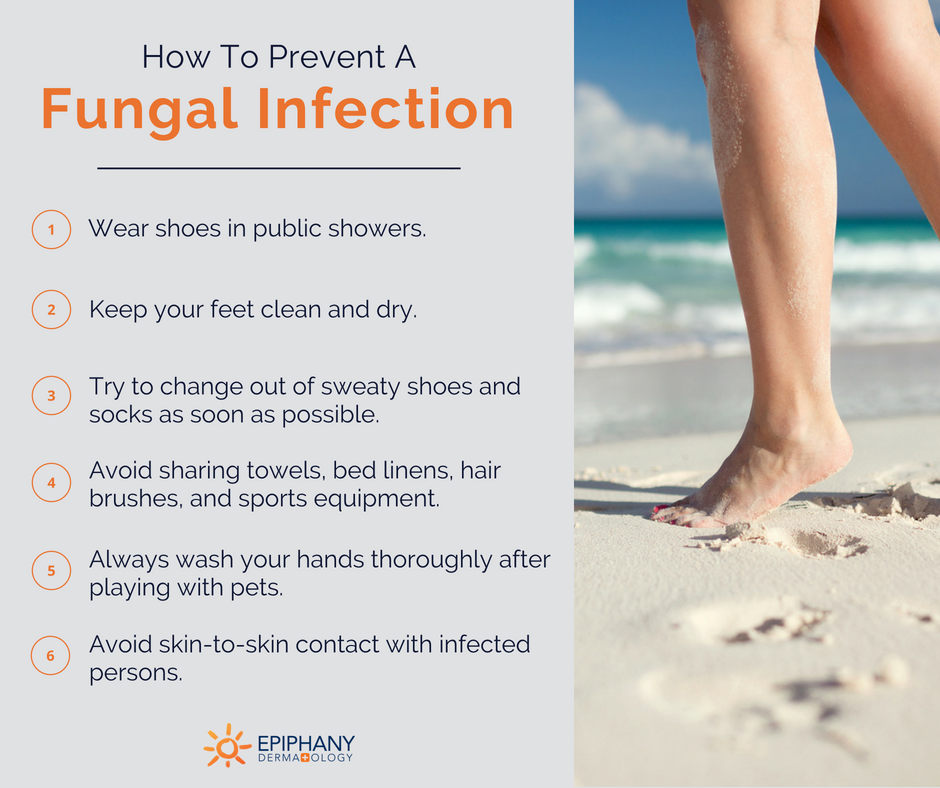
Preventive Measures for Fungal Infections
Effective prevention is crucial in managing fungal infections. Maintaining good hygiene practices and understanding the environmental factors that contribute to fungal growth are essential steps.
Preventive Habits
Following these practices can help prevent fungal infections:
- Maintaining good personal hygiene, including regular showering and drying, particularly in areas prone to moisture, such as the feet and groin.
- Avoiding sharing personal items like towels, clothing, and shoes, which can transmit fungal spores.
- Wearing appropriate footwear in public areas, such as locker rooms or swimming pools.
- Keeping skin folds dry and well-ventilated, particularly in areas like the groin and between the toes.
- Using antifungal powders or creams in areas prone to fungal infections, as recommended by a healthcare professional.
- Treating existing skin conditions promptly, as these can increase the risk of fungal infection.
- Ensuring proper ventilation in living and working spaces, particularly in bathrooms and basements.
Maintaining Good Hygiene to Prevent Fungal Infections
Maintaining good hygiene plays a pivotal role in preventing fungal infections. Regular showering, followed by thorough drying of affected areas, especially between toes and in skin folds, is crucial. Using separate towels for personal use can also help prevent the spread of fungal spores. Frequent washing of clothes and bedding, particularly those in contact with skin, can help remove fungal spores.
Treatment Options
Effective treatment for fungal infections depends heavily on the type of fungus, the location of the infection, and its severity. A healthcare professional will assess the specific situation and recommend the most appropriate course of action. Early diagnosis and treatment are crucial for preventing the infection from spreading and for achieving successful outcomes.
Antifungal Medications
Antifungal medications are the cornerstone of treatment for fungal infections. These medications work by targeting the fungal cells’ metabolic processes, disrupting their growth and reproduction. Different types of antifungal medications have varying mechanisms of action, targeting different stages of fungal development.
Topical Antifungal Treatments
Topical antifungal treatments are often the first line of defense for superficial fungal infections, such as athlete’s foot, ringworm, and yeast infections. These treatments are applied directly to the affected area and are generally well-tolerated. However, for deeper or more extensive infections, topical treatments may not be sufficient. They can be very effective for localized skin infections.
Oral Antifungal Medications
Oral antifungal medications are necessary for systemic fungal infections, or when topical treatments are ineffective. These medications are absorbed into the bloodstream and can reach fungal infections throughout the body. The choice of oral antifungal will depend on the specific type of fungus and the patient’s overall health. Oral treatments are essential for internal fungal infections, such as candidiasis or aspergillosis.
Mechanism of Action of Antifungal Medications
Antifungal medications disrupt the fungal cell membrane, inhibit the synthesis of ergosterol (a crucial component of fungal cell membranes), or interfere with the synthesis of fungal DNA or RNA. These actions hinder the fungus’s ability to replicate and survive. Examples include azoles, which inhibit the synthesis of ergosterol, and polyenes, which disrupt the fungal cell membrane.
Effectiveness and Side Effects of Treatments
The effectiveness of antifungal treatments varies depending on the specific medication and the type of fungal infection. Some antifungal medications are highly effective against certain types of fungi, while others may be less effective. Side effects can range from mild, such as skin irritation from topical creams, to more severe, such as liver damage from oral medications. Patient tolerance and potential side effects should always be considered when choosing a treatment plan.
Comparison of Antifungal Treatments
| Treatment Type | Effectiveness | Potential Side Effects | Common Examples |
|---|---|---|---|
| Topical Antifungal Creams | Generally effective for superficial infections. | Skin irritation, allergic reactions. | Clotrimazole, Miconazole |
| Oral Antifungal Medications | Effective for systemic infections and when topical treatments fail. | Gastrointestinal upset, liver damage, allergic reactions. | Fluconazole, Itraconazole |
Common Antifungal Medications
Various antifungal medications are available, each with specific uses and potential side effects. For instance, clotrimazole is commonly used for athlete’s foot, while fluconazole is used to treat systemic yeast infections. A healthcare provider can recommend the most appropriate antifungal based on the patient’s individual circumstances.
- Clotrimazole: A topical antifungal frequently used to treat superficial fungal skin infections, like athlete’s foot and ringworm. It works by disrupting the fungal cell membrane.
- Fluconazole: A common oral antifungal medication effective against various systemic fungal infections, including candidiasis. It inhibits the synthesis of ergosterol, a crucial component of fungal cell membranes.
- Itraconazole: An oral antifungal with a broad spectrum of activity, often used to treat dermatophyte infections and systemic fungal infections. It disrupts fungal cell membrane integrity.
Home Remedies and Natural Approaches

Many individuals explore home remedies as an initial approach to managing fungal infections. While some natural remedies may offer potential benefits, it is crucial to understand their limitations and potential risks. It is essential to consult with a healthcare professional before using any home remedy, especially if the infection is severe, persistent, or affecting a vital area.Understanding the potential benefits and risks, and knowing when to seek professional medical advice, is vital in using home remedies safely and effectively.
Home remedies should be viewed as complementary, not as a replacement for conventional medical treatments. Proper application techniques are also essential for maximizing potential benefits and minimizing potential harm.
Potential Benefits of Home Remedies
Natural remedies, such as tea tree oil and apple cider vinegar, may possess antifungal properties, potentially inhibiting the growth of certain fungi. These remedies may offer a localized soothing effect, alleviating some symptoms. Their potential to reduce inflammation and promote healing, depending on the specific fungal infection, is also possible. However, individual responses vary, and the effectiveness of home remedies can be highly variable.
Potential Risks of Home Remedies
Some natural remedies can cause skin irritation, allergic reactions, or other adverse effects. Improper application can lead to further complications, including deeper skin penetration or spread of the infection. The absence of rigorous testing and regulation associated with some home remedies makes it difficult to predict their efficacy and safety for all individuals. It’s crucial to be mindful of potential interactions with other medications or underlying health conditions.
When Home Remedies Are Suitable
Home remedies may be considered as a supplementary approach for mild, localized fungal infections, such as athlete’s foot or ringworm. They can be a helpful addition to a treatment plan recommended by a healthcare professional. However, it is crucial to use these remedies with caution and under the guidance of a healthcare provider. If the infection worsens, spreads, or causes significant discomfort, professional medical attention should be sought immediately.
Proper Application of Natural Remedies
When applying natural remedies, ensure thorough cleaning of the affected area. Follow product instructions carefully. Apply a small amount of the remedy to the affected area using a cotton swab or clean cloth. Avoid applying directly to open wounds or irritated skin. Monitor the area for any adverse reactions, such as redness, swelling, or itching.
If any reaction occurs, discontinue use and seek medical advice.
Comparison of Home Remedies and Conventional Treatments
| Characteristic | Home Remedies | Conventional Treatments |
|---|---|---|
| Cost | Generally lower | Potentially higher, depending on the treatment |
| Accessibility | Often readily available | Requires a healthcare provider and prescription (if applicable) |
| Regulation | Lacks rigorous testing and regulation | Undergoes extensive testing and regulatory oversight |
| Efficacy | Variable and often not well-documented | Demonstrated efficacy in clinical trials and research |
| Potential Risks | Possible skin irritation, allergic reactions, and interactions | Potential for side effects, but generally well-managed with proper medical guidance |
Managing and Preventing Recurrence
Effective management of fungal infections involves not only treating the current episode but also implementing strategies to prevent future occurrences. A comprehensive approach encompassing adherence to prescribed treatment, lifestyle modifications, and proactive long-term measures is crucial for successful management and reduced risk of relapse.A critical aspect of managing fungal infections is adhering to the prescribed treatment regimen completely and consistently.
This ensures that the infection is eradicated and prevents the development of drug resistance, which could complicate future treatments. Incomplete or inconsistent treatment can lead to the infection persisting, potentially spreading, and making future management more challenging.
Importance of Adherence to Treatment
Consistent adherence to the prescribed treatment plan is paramount for complete resolution and preventing recurrence. This includes taking medications as directed, for the full duration specified by the healthcare provider, even if symptoms improve or disappear prematurely. Failure to adhere to the treatment plan can result in the infection persisting, leading to potential complications and increasing the likelihood of recurrence.
Preventing Recurrence
Several preventive measures can significantly reduce the risk of fungal infections recurring. These measures often involve lifestyle adjustments and proactive strategies to maintain optimal health. Proper hygiene, maintaining a healthy immune system, and addressing any underlying medical conditions are crucial elements of a comprehensive preventative strategy.
Lifestyle Changes for Prevention
- Maintaining good hygiene practices, such as regularly washing affected areas and avoiding sharing personal items, can significantly reduce the risk of reinfection. This includes keeping skin folds dry and well-ventilated, especially in areas prone to moisture, such as between toes or under the breasts.
- A balanced diet rich in fruits, vegetables, and whole grains, coupled with regular exercise, supports a robust immune system, making the body less susceptible to fungal infections. Maintaining a healthy weight is also important for overall well-being and immune function. For example, individuals with obesity often have a higher risk of fungal infections due to increased moisture and warmth in folds of skin.
This can create a more conducive environment for fungal growth.
- Managing underlying medical conditions, such as diabetes or weakened immune systems, is vital in preventing fungal infections. Properly managing these conditions can significantly reduce the risk of recurrence. For example, individuals with uncontrolled diabetes are more susceptible to yeast infections due to the high sugar content in their bodily fluids.
- Avoiding prolonged exposure to moisture and maintaining good ventilation in areas prone to fungal growth, such as sweaty or damp environments, can help prevent reinfection. This includes regularly changing clothes and footwear, particularly in humid climates.
Managing Symptoms During Healing
Effective symptom management during the healing process is crucial for patient comfort and preventing secondary complications. This involves using topical treatments as prescribed, applying compresses, and maintaining good hygiene.
- Applying topical antifungal creams or ointments as directed can help alleviate symptoms and promote healing. Using medicated powders in susceptible areas like the feet or groin can also be beneficial. Furthermore, regular application of antifungal powders can aid in preventing moisture buildup, thereby reducing the risk of fungal growth.
- Using gentle compresses or soaking affected areas in warm water with antifungal solutions can soothe itching and discomfort. This can be particularly helpful for skin infections. Proper application of compresses and duration are important to prevent further irritation.
- Maintaining good hygiene, such as regularly cleaning and drying affected areas, is crucial for preventing further spread of the infection. Keeping affected areas clean and dry will help promote healing and prevent further irritation.
Long-Term Strategies for Preventing Reinfection
Long-term strategies focus on establishing sustainable habits that reduce the likelihood of reinfection. These strategies involve proactive measures, including consistent hygiene practices, dietary adjustments, and proactive monitoring.
- Regular monitoring of any underlying conditions that may increase susceptibility to fungal infections is essential. This ensures that the condition is effectively managed and the risk of reinfection is minimized.
- Proactively seeking medical attention for any signs or symptoms of a recurring infection can prevent the spread of the infection and ensure prompt treatment.
- Maintaining a healthy immune system through a balanced diet and regular exercise can significantly reduce the risk of fungal infections recurring.
Illustrations and Visual Aids
Visual aids are crucial for understanding and effectively communicating complex medical information. Illustrations and diagrams can clarify intricate processes, mechanisms, and the appearance of different conditions, enabling easier comprehension and better patient education. They serve as a supplementary tool to textual descriptions, reinforcing the knowledge gained through reading and facilitating a deeper understanding of the subject matter.
Healthy and Infected Skin Microbiome
Visual representations of a healthy skin microbiome and one with a fungal infection can effectively illustrate the differences. A healthy microbiome displays a diverse range of microorganisms, predominantly beneficial bacteria, living in a balanced equilibrium. The image would show various shapes and sizes of bacteria, perhaps in a slightly textured or clustered appearance. Contrastingly, a skin microbiome with a fungal infection would highlight an overgrowth of fungal elements, potentially with larger, more prominent fungal structures, such as hyphae, appearing alongside the reduced number of beneficial bacteria.
This visual representation helps to illustrate the disruption of the normal skin ecosystem and the overrepresentation of the pathogenic fungus.
Structure of Athlete’s Foot
Athlete’s foot, a common fungal infection, typically affects the skin between the toes. The affected skin shows characteristic signs, such as scaling, cracking, and inflammation. A diagram detailing the structure of athlete’s foot could showcase the fungal hyphae penetrating the skin’s surface layers. The illustration would clearly demonstrate the progression of the infection, revealing the intricate network of fungal filaments spreading beneath the skin’s surface.
Detailed Descriptions of Fungal Infections
A table outlining various fungal infections is provided below. This table includes common fungal infections, their locations on the body, and the typical symptoms they cause. This table aids in recognizing different fungal infections based on their specific characteristics.
| Fungal Infection | Location | Symptoms |
|---|---|---|
| Ringworm | Scalp, body, groin | Circular rash, itching, hair loss (in some cases) |
| Yeast Infections (Candida) | Vagina, mouth, skin folds | Itching, burning, redness, discharge (depending on location) |
| Tinea Versicolor | Chest, back, neck | Patches of discolored skin (light or dark) |
| Onychomycosis | Nails | Thickening, discoloration, crumbling, or separation of the nails |
Stages of a Fungal Infection
Visual representation of the stages of a fungal infection is extremely important for understanding the progression of the infection. A diagram depicting these stages would start with a healthy skin state. The next stage would show the initial signs of infection, such as subtle redness or scaling. Subsequent stages could illustrate increasing inflammation, and eventually, the spread of the infection to adjacent areas.
The final stage could represent the advanced state of the infection, including significant damage to the skin and potential complications.
Life Cycle of a Common Fungus (e.g., Athlete’s Foot)
Understanding the life cycle of a fungus is essential for effective prevention and treatment. A visual infographic would be beneficial in explaining this. The infographic would visually display the various stages of the fungus’s growth and reproduction, showing how it propagates and spreads from one area to another. 
Conclusive Thoughts
In conclusion, this comprehensive guide has provided a detailed overview of fungal infections, covering recognition, diagnosis, treatment, prevention, and management. By understanding the various types, symptoms, and risk factors associated with fungal infections, individuals can take proactive steps to maintain their well-being and prevent recurrence. We encourage you to consult with a healthcare professional for personalized advice and treatment.