Repotting a houseplant can be a rewarding experience, but it’s crucial to do it correctly to ensure your plant thrives. This guide provides a comprehensive approach to repotting, covering everything from preparing the plant and pot to post-repotting care and troubleshooting potential issues. By following these steps, you can successfully repot your houseplant without causing unnecessary stress.
The process involves several key steps, including selecting the right pot and soil, carefully removing the plant from its current container, and gently placing it in the new pot. Proper attention to detail in each stage is vital to minimizing stress on the plant and maximizing its chances for a healthy recovery.
Introduction to Repotting
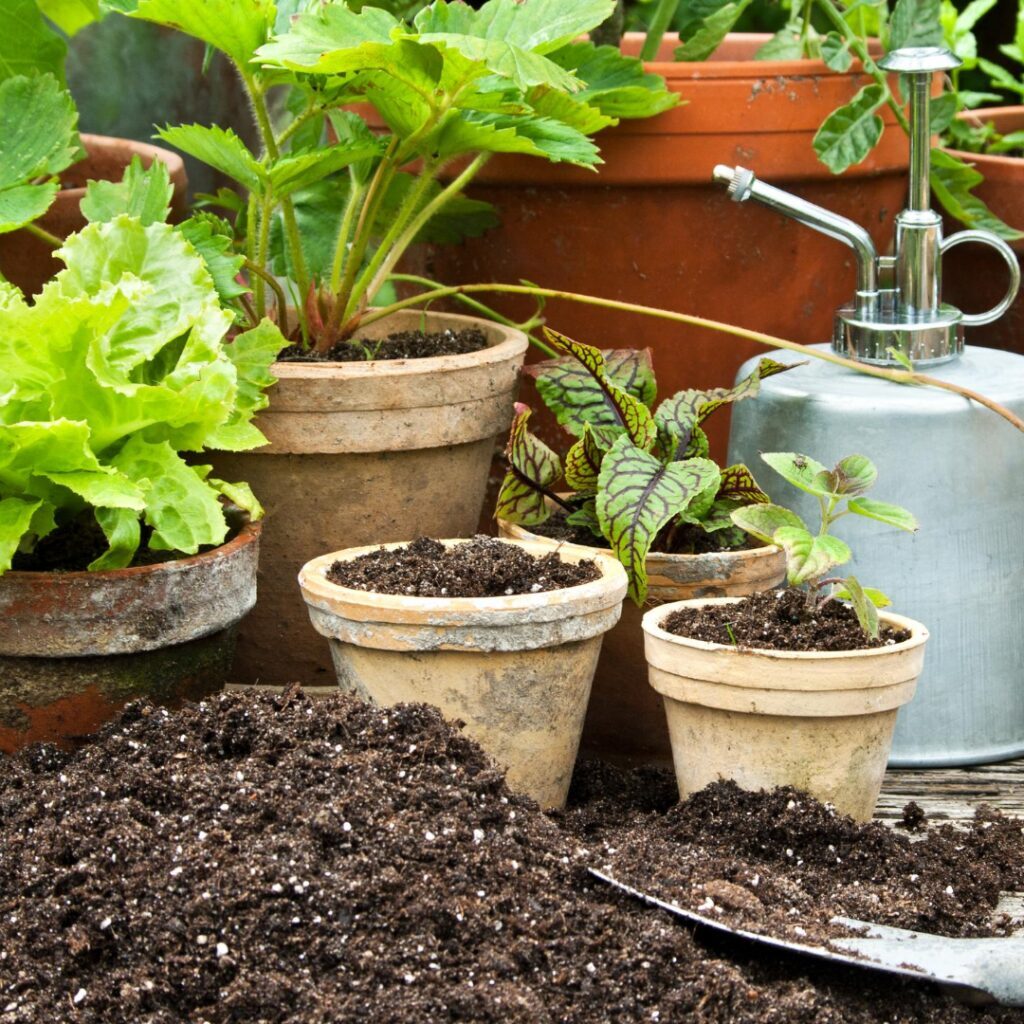
Repotting is a crucial aspect of houseplant care, ensuring healthy growth and longevity. It involves carefully removing a plant from its current container and placing it in a new, larger pot. This process is vital for providing the plant with the necessary space and fresh growing medium.Repotting is not always necessary; however, it’s essential for the plant’s well-being when its current container becomes too restrictive.
This can manifest in various ways, such as the roots filling the pot or the plant showing signs of distress. Understanding the signs and reasons for repotting is key to preventing potential damage and promoting healthy growth.
Reasons for Repotting
Houseplants might require repotting for several reasons. Overcrowding is a significant factor. As roots fill the pot, they become restricted, hindering nutrient and water absorption. This can lead to stunted growth, wilting, and even root rot. Another reason is the use of inappropriate potting mix.
The original potting mix may have become compacted or depleted of essential nutrients. Repotting allows for the introduction of fresh, nutrient-rich soil, supporting healthier root development.
Benefits of Repotting
Repotting offers several advantages for houseplant health. Providing more space for root development is crucial. A larger pot allows roots to expand, facilitating better nutrient and water uptake. This translates into healthier growth, improved foliage, and a more robust plant. Furthermore, repotting allows for a fresh soil mix, which is vital for providing essential nutrients and proper drainage.
This fresh mix supports the plant’s ongoing needs, reducing the risk of nutrient deficiencies.
Repotting Process Overview
The repotting process involves several key steps. First, ensure you have the necessary tools, such as a new pot, fresh potting mix, and a sharp knife or pruning shears. Carefully remove the plant from its current pot. Gently loosen the roots, removing any circling or matted roots. Fill the new pot with fresh potting mix, leaving some space at the top.
Place the plant in the center, ensuring it is at the proper depth. Then, fill the remaining space with potting mix, gently pressing it around the roots. Water thoroughly and place the plant in a suitable location. It’s crucial to consider the plant’s specific needs for light, moisture, and temperature during the repotting process and after.
Houseplant Repotting Frequency
The frequency of repotting depends on the specific plant type. Plants with rapid growth rates, such as pothos or ZZ plants, may require repotting more frequently than those with slower growth. A table outlining common houseplants and their approximate repotting frequency can provide helpful guidance.
| Plant Type | Repotting Frequency (Approximate) |
|---|---|
| Pothos | Annually or every other year |
| ZZ Plant | Every 2-3 years |
| Snake Plant | Every 2-3 years |
| Spider Plant | Every 1-2 years |
| Peace Lily | Every 2-3 years |
| Monstera | Every 1-2 years |
Preparing the Plant and Pot
Proper preparation is crucial for a successful repotting experience. A well-executed transition minimizes stress on your plant, ensuring its health and vitality in its new home. This section details the steps involved in carefully removing the plant, inspecting the roots, choosing the right pot and potting mix, and preparing the new environment.
Removing the Plant from the Current Pot
Careful removal of the plant from its current container prevents damage to delicate roots and stems. Gently tap the pot on a firm surface to loosen the soil. Use a trowel or your hands to loosen the soil around the base of the plant. If the pot is terracotta or ceramic, you might need to soak it in water for a few minutes to help loosen the soil further.
Gently but firmly rotate the pot to further loosen the root ball. Finally, use your hands to carefully invert the pot and remove the plant.
Inspecting the Root System
A thorough inspection of the root system helps determine the plant’s health and needs. Look for signs of overwatering, such as mushy or dark roots. Root bound plants will have roots tightly circling the root ball. Inspect for any pests or diseases that might be present. Healthy roots are firm and light brown or off-white in color.
Loosening the Root Ball
Gently loosen the root ball to encourage healthy root growth in the new pot. Avoid pulling or tearing the roots. Use your hands or a small tool to gently tease out any tight or circling roots. This process promotes aeration and encourages the development of new roots in the new potting medium.
Selecting the Appropriate Pot Size and Material
The appropriate pot size is essential for the plant’s health and growth. A pot that is too small will restrict root growth, while a pot that is too large may lead to overwatering and root rot. The pot should be slightly larger than the current pot, allowing for root expansion without being excessively large. Consider the plant’s size and growth habit when selecting a pot.
Pot material, such as ceramic, plastic, or terracotta, can affect drainage and water retention.
Preparing the New Pot
Prepare the new pot by rinsing it thoroughly and ensuring that drainage holes are present and clear. Place a layer of drainage material, such as small pebbles or broken pieces of terracotta, at the bottom of the pot to improve drainage and prevent waterlogging. This prevents water from pooling at the bottom of the pot.
Choosing the Right Potting Mix
Selecting the right potting mix is vital for providing adequate aeration, drainage, and nutrients for the plant. A good potting mix should have a balance of organic matter and inorganic components. The correct mix allows for appropriate drainage, while retaining sufficient moisture to support healthy root development.
Comparing Different Potting Mixes
| Potting Mix | Pros | Cons |
|---|---|---|
| Standard Commercial Mix | Readily available, affordable | Can be heavy, may not retain moisture well |
| Soilless Mix | Excellent drainage, aeration | May need more nutrients added |
| Potting Mix with Perlite | Excellent drainage and aeration, lightweight | Can dry out quickly, may need more frequent watering |
| Potting Mix with Peat Moss | Excellent water retention, promotes root growth | Can be expensive, not environmentally friendly |
This table provides a general comparison. The ideal mix will depend on the specific plant and its needs.
Repotting the Plant
Successfully repotting a houseplant hinges on careful handling of the root ball and proper placement in the new container. This ensures the plant’s comfort and promotes healthy growth. By following these steps, you can minimize stress and maximize the chances of a smooth transition for your beloved houseplant.
Gently Placing the Plant
Proper handling of the plant is critical to minimize stress during repotting. Gently remove the plant from its current container, being cautious not to damage the delicate roots. Support the root ball with both hands to avoid any breakage. Position the plant centrally in the new pot. This careful placement promotes a balanced structure for the plant’s growth.
Ensuring Proper Drainage
Adequate drainage is essential for preventing root rot. A layer of drainage material, such as small pebbles or broken pottery shards, should be placed at the bottom of the new pot. This layer creates a space for excess water to drain away, safeguarding the roots from prolonged moisture. This layer is crucial for maintaining optimal soil moisture and air circulation around the roots.
Adding Potting Mix
Carefully add the potting mix around the root ball, ensuring that the soil level is just below the rim of the pot. This allows for proper watering without overflowing. Avoid packing the soil down too tightly, as this can hinder root aeration. Instead, gently firm the soil around the roots to support the plant without restricting airflow.
Ensuring Correct Depth
The plant’s depth in the new pot should be at the same level as it was in its previous container. If the plant was previously planted too deeply, it might require some adjustment to ensure its proper position in the new pot. This will maintain the plant’s established growth habit and avoid issues with the plant becoming too top-heavy.
This careful attention to depth prevents unnecessary issues that may arise from improper placement.
Watering After Repotting
Proper watering after repotting is crucial for the plant’s recovery and establishment in its new environment. The following table Artikels the ideal watering schedule. Remember that these are guidelines and adjustments may be needed based on the specific plant and environmental conditions.
| Day | Watering Instructions |
|---|---|
| 1-3 | Avoid watering immediately after repotting. Allow the soil to dry slightly before watering again. |
| 4-7 | Water thoroughly but avoid overwatering. Allow excess water to drain completely. |
| 7+ | Return to the plant’s usual watering schedule. Monitor soil moisture to ensure consistent hydration. |
Post-Repotting Care
Successfully repotting your houseplant is a significant step towards its continued health and vibrancy. Proper post-repotting care ensures the plant quickly adjusts to its new environment and thrives. This section will detail the crucial steps for ensuring your recently repotted plant flourishes.
Watering After Repotting
Proper watering is paramount after repotting. The plant’s root system has been disturbed, and the new soil mix may absorb water differently than the old. Initially, water the plant less frequently than usual, allowing the top inch of soil to dry out slightly between waterings. Overwatering can lead to root rot, while underwatering can cause stress and wilting.
Observe your plant closely and adjust your watering schedule based on its needs.
Sunlight Requirements
Maintaining the appropriate amount of sunlight is essential for the plant’s recovery and growth. Sudden changes in light exposure can negatively impact the plant. If you’ve moved the plant to a different location, gradually acclimate it to the new light conditions. Avoid placing the plant in direct, harsh sunlight immediately after repotting, especially if it was previously in a shadier environment.
Overexposure can lead to leaf scorching.
Avoiding Overwatering and Underwaterings
Overwatering and underwatering are common pitfalls after repotting. The new soil mix’s drainage and water retention characteristics might differ from the previous one. A key indicator of adequate watering is the soil’s moisture level. Ensure the soil is moist but not waterlogged. Feel the soil’s consistency to determine the right moisture level for your plant.
Underwatering, on the other hand, can lead to wilting and stress. Monitor the plant’s condition and adjust your watering accordingly.
Humidity Levels
Maintaining appropriate humidity levels is vital, especially for plants accustomed to higher humidity. A plant accustomed to a humid environment might struggle in a drier one. Consider using a humidifier or placing the plant near a water feature to maintain optimal humidity. This is particularly important if the plant was previously in a humid environment.
Identifying and Addressing Common Problems
Post-repotting, certain issues might arise. Wilting leaves could indicate underwatering or an inappropriate amount of sunlight. Yellowing leaves might signal overwatering, nutrient deficiencies, or an inadequate light environment. Carefully examine the plant for signs of pests or diseases. Address any issues promptly for optimal recovery.
Fertilizing After Repotting
Fertilizing a repotted plant should be done cautiously. Avoid fertilizing immediately after repotting, as the plant’s root system is still adjusting. Wait until the plant shows signs of new growth. Use a balanced, diluted liquid fertilizer to avoid stressing the plant. Observe the plant for any signs of nutrient burn, which can manifest as leaf discoloration or browning.
Post-Repotting Issues and Solutions
| Problem | Solution |
|---|---|
| Wilting leaves | Ensure proper watering and check for adequate sunlight. |
| Yellowing leaves | Adjust watering schedule, check for pests, and ensure sufficient light. |
| Root rot | Reduce watering frequency and improve drainage. |
| Leaf drop | Assess watering frequency, light exposure, and potential pests. |
| Pest infestation | Inspect the plant thoroughly and use appropriate pest control measures. |
Avoiding Stress During Repotting
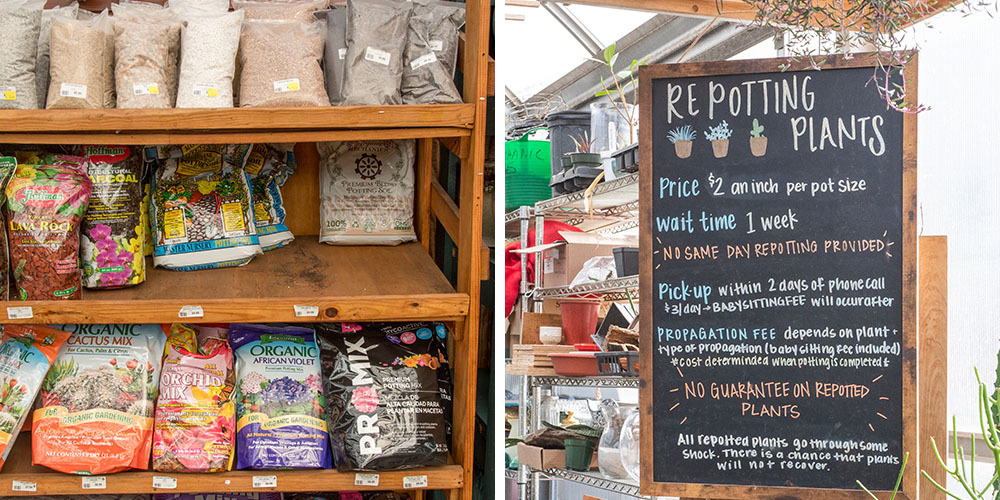
Repotting a houseplant can be a delicate process, and minimizing stress on the plant is crucial for its health and well-being. Proper handling and attention to environmental factors can significantly reduce the risk of shock and ensure a smooth transition for your plant. A stressed plant may exhibit stunted growth, leaf drop, or other detrimental effects.
Gentle Handling
Careful handling throughout the repotting process is essential to prevent root damage. Avoid pulling or jerking the plant from its container, as this can damage the delicate root system. Instead, gently ease the plant out of its current pot. Using your hands to support the plant’s stem while carefully removing the pot ensures that roots are not forcefully pulled.
Minimizing Stress on the Root System
A step-by-step approach minimizes stress on the root system. First, gently loosen the soil around the roots to remove the plant. Then, examine the roots for any signs of disease or damage. Remove any circling or matted roots. Gently trim any damaged roots with clean, sharp pruning shears.
Next, place the plant into the new pot, ensuring it is at the correct depth. Fill the pot with fresh potting mix, ensuring the soil level is consistent with the previous pot.
Identifying Signs of Stress
Observing your plant for signs of stress after repotting is important. Signs may include wilting, yellowing or browning leaves, reduced growth, or a general lack of vigor. If you notice any of these signs, provide a supportive environment for the plant to recover. Avoid overwatering or underwatering.
Temperature Changes
Temperature fluctuations can be stressful for houseplants. Sudden changes, especially during repotting, can shock the plant and hinder its recovery. Repotting during moderate temperatures (ideally between 65-75°F) minimizes stress. Ensure that the environment remains stable and that the plant is not exposed to extreme temperatures before, during, or after the repotting process. For example, do not repot a plant that has been exposed to direct sunlight and then bring it into an air-conditioned room.
Maintaining Consistent Humidity
Maintaining consistent humidity levels is essential for minimizing stress. High humidity helps maintain the plant’s moisture balance. For a few days after repotting, consider placing the plant in a humid environment, such as a terrarium or a humidity tray. Alternatively, you could place the plant near a humidifier, or group plants together to increase humidity levels around the plant.
If your home is dry, maintaining humidity is especially important for recovery.
Reducing Repotting Shock
To minimize the shock associated with repotting, provide a supportive environment for the plant. Keep the plant in a well-lit location but out of direct sunlight for the first few days. Avoid disturbing the plant further by refraining from moving it or repotting it again soon after. Water thoroughly, but avoid overwatering, allowing the soil to dry slightly between waterings.
Provide a supportive environment by avoiding temperature fluctuations and maintaining appropriate humidity levels.
Comparing Repotting Methods
| Repotting Method | Advantages | Disadvantages |
|---|---|---|
| Using a slightly larger pot | Allows for continued growth while minimizing shock | May not accommodate large root growth, potentially causing stress later |
| Using a significantly larger pot | Provides ample space for future growth | Increased risk of shock due to the large volume change, and potentially increased watering needs |
| Using a small pot | Minimizes shock, easier to manage | Limits plant growth, may require repotting sooner |
The table above provides a comparison of repotting methods based on pot size, highlighting the potential advantages and disadvantages associated with each. Choose the method that best suits your plant’s needs and growth expectations. Consider the plant’s current size and anticipated future size to select the most suitable pot size.
Different Houseplant Types
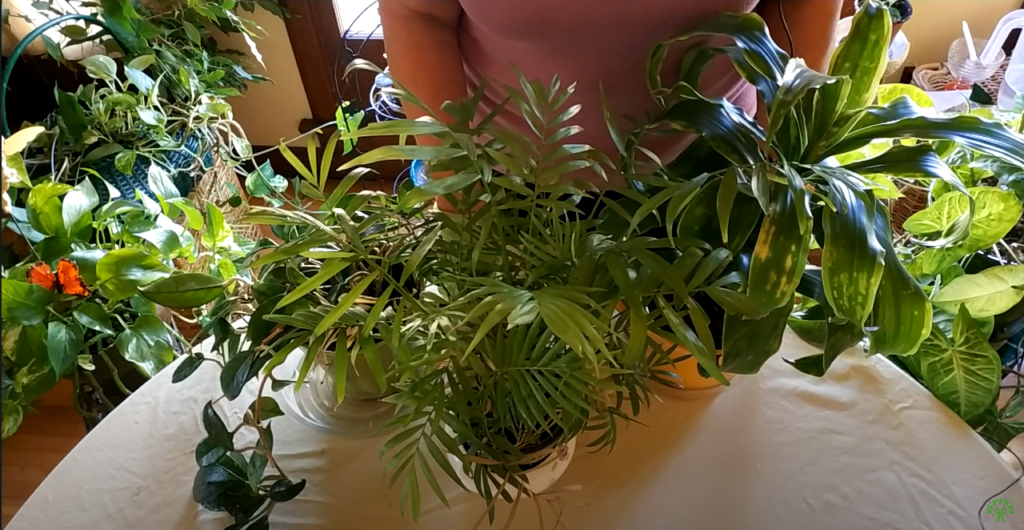
Repotting techniques vary significantly depending on the specific type of houseplant. Understanding the unique needs of each variety is crucial for successful repotting and ensuring the plant’s continued health and vitality. Different plants have varying root systems, water requirements, and soil preferences, all of which influence the optimal repotting process.
Repotting Succulents
Succulents, known for their water-storing capabilities, often require well-draining soil and a pot with drainage holes. Their root systems can become quite dense, so a slightly larger pot is often needed, but not excessively large, as succulents prefer to be slightly root-bound. Overwatering is a common concern, thus ensuring proper drainage is paramount during repotting. A suitable soil mix should contain a high proportion of coarse materials like perlite or pumice to promote drainage.
Repotting Orchids
Orchids, with their delicate nature, demand a specialized approach to repotting. Their roots are often aerial, and they prefer a potting mix that provides good aeration and moisture retention. Repotting should only be performed when necessary, usually when the roots become crowded or the potting medium has deteriorated. The appropriate potting mix for orchids typically includes bark chips, sphagnum moss, and perlite, carefully balanced to maintain optimal moisture levels.
Using the correct potting medium is critical to the plant’s health and success after repotting.
Repotting Ferns
Ferns thrive in moist, well-drained environments. They have a delicate root system, and repotting should be performed with utmost care to avoid damaging the delicate roots. The potting mix should retain moisture effectively but also allow for proper drainage. A suitable potting mix for ferns often contains peat moss, sphagnum moss, and perlite. Frequent watering and humidity are essential for ferns, and these factors must be considered when repotting to prevent stress.
Repotting General Considerations
Maintaining the plant’s health and preventing stress during the repotting process is critical for all houseplant types. This includes avoiding overwatering or underwatering, ensuring proper drainage, and using appropriate potting mix tailored to the plant’s needs.
Table of Common Houseplants and Their Repotting Needs
| Plant Type | Repotting Frequency | Potting Mix | Drainage | Root System |
|---|---|---|---|---|
| Succulents | As needed, when roots become crowded | Well-draining mix (e.g., cactus/succulent mix, perlite, pumice) | Essential, with drainage holes | Dense, can be prone to overwatering |
| Orchids | When roots become crowded or potting medium deteriorates | Specialized orchid mix (e.g., bark chips, sphagnum moss, perlite) | Good drainage is crucial, but not overly fast drainage | Aerial roots, require specific moisture levels |
| Ferns | As needed, when roots become crowded | Moist, well-draining mix (e.g., peat moss, sphagnum moss, perlite) | Good drainage, but moisture retention is important | Delicate, susceptible to damage during repotting |
Troubleshooting Repotting Issues
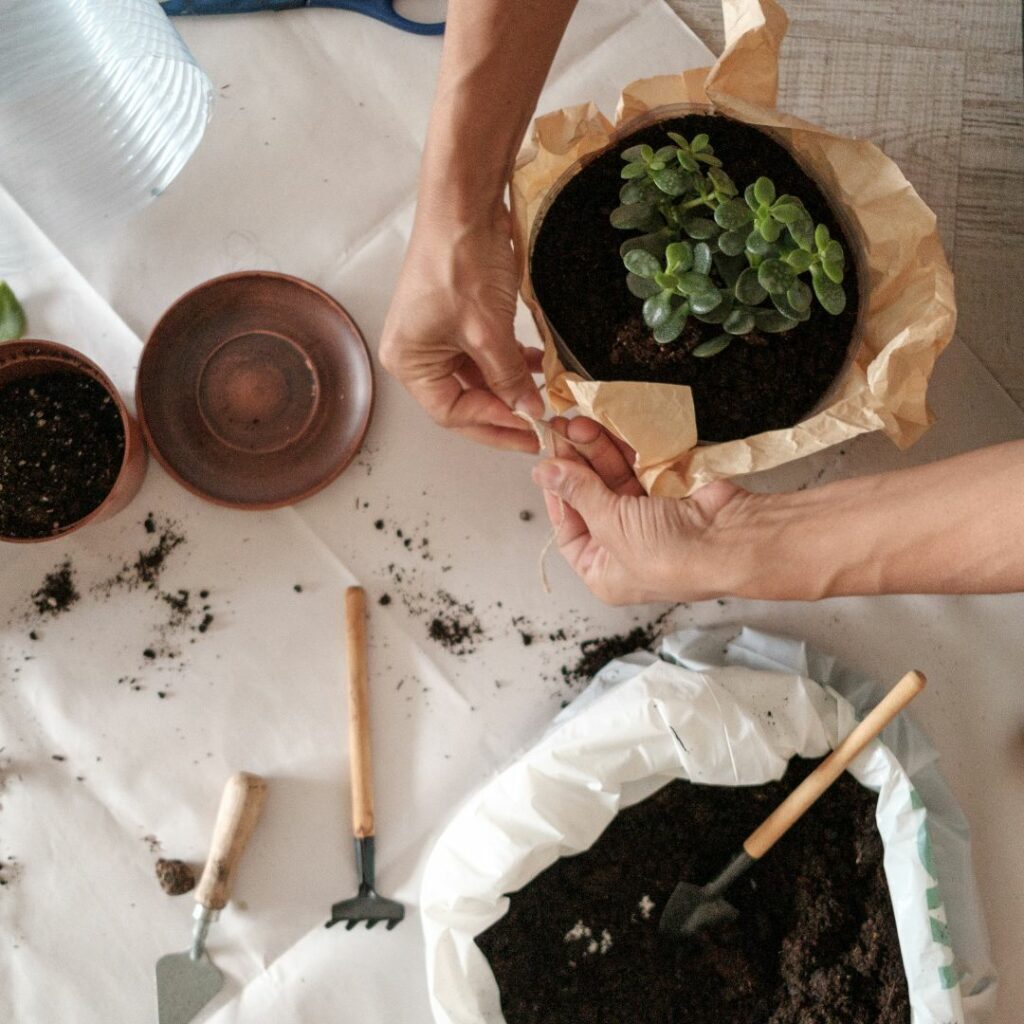
Repotting, while generally a straightforward process, can sometimes lead to unexpected problems. Understanding potential pitfalls and their solutions is crucial for ensuring the health and longevity of your houseplants. This section details common repotting issues and their remedies, helping you navigate any difficulties that may arise.Troubleshooting repotting problems is essential to prevent stress and ensure a successful transition for your houseplant.
Identifying the cause of a problem allows for a targeted solution, ultimately leading to a thriving plant. A clear understanding of potential issues and their remedies will equip you to maintain the health and vitality of your plants.
Root Rot Identification and Treatment
Root rot is a common issue following repotting, often caused by overwatering or poor drainage. Identifying root rot early is key to saving the plant. Symptoms include mushy or dark brown roots, yellowing leaves, and a general decline in plant health. If you suspect root rot, immediately remove the plant from its pot and inspect the roots.
Cut away any affected, mushy roots, ensuring a clean cut with a sharp, sanitized knife or shears. Repot the plant into fresh, well-draining soil and adjust watering habits to allow the soil to dry out completely between waterings.
Transplant Shock Recognition and Mitigation
Transplant shock is a temporary setback that can occur when a plant is moved from one environment to another. Symptoms include wilting, yellowing leaves, and a general lack of vigor. To mitigate transplant shock, place the repotted plant in a location with indirect light and maintain consistent moisture levels. Avoid disturbing the plant further for a few weeks, allowing it to adjust to its new environment.
Provide a humid environment, if needed, to help the plant recover. Avoid fertilizing the plant during this period.
Common Repotting Problems and Solutions
Understanding common repotting problems and their solutions is vital for successful plant care. This table summarizes potential issues and their corresponding solutions:
| Problem | Cause | Solution |
|---|---|---|
| Wilting leaves | Overwatering, underwatering, or transplant shock | Adjust watering schedule, ensure proper drainage, and provide a humid environment for a few days. |
| Yellowing leaves | Nutrient deficiency, overwatering, or root damage | Check soil for nutrients, adjust watering, and ensure the plant has adequate drainage. |
| Sudden decline in vigor | Overwatering, underwatering, transplant shock, or improper drainage | Adjust watering frequency, ensure adequate drainage, and monitor the plant for signs of recovery. |
| Root rot | Overwatering, poor drainage, or improper soil | Remove the plant, inspect and prune roots, repot in fresh, well-draining soil, and adjust watering practices. |
| Pest infestation | Introduction of pests during repotting | Inspect the plant and the soil for pests. Use appropriate pest control methods. |
Pest Control During Repotting
Before repotting, inspect your plant thoroughly for pests. Pests can be introduced during repotting if the new soil or tools were not properly sanitized. If pests are found, address them before repotting. Choose appropriate pest control methods for your plant, such as insecticidal soap or neem oil.
Closing Summary
This comprehensive guide has explored the intricacies of repotting houseplants, emphasizing the importance of minimizing stress on the plant throughout the process. From selecting the appropriate pot size and soil to post-repotting care, this guide provides a clear roadmap for success. By understanding the specific needs of different plant types and proactively addressing potential issues, you can ensure a smooth and healthy transition for your beloved houseplant.