A vibrant houseplant can bring joy and life to any home. However, sometimes these leafy companions falter, and their once-lush foliage starts to droop. This comprehensive guide provides a detailed roadmap for revitalizing your ailing houseplant, offering expert advice to revive its vitality. From identifying the underlying cause to implementing corrective actions, this guide will equip you with the knowledge and steps necessary to bring your plant back to its former glory.
This guide delves into the key aspects of houseplant care, including diagnosing the issue, understanding the plant’s specific needs, implementing corrective actions, and maintaining its health. We will explore various plant types and their specific requirements, providing a deeper understanding of how to nurture and revive even the most challenging houseplant.
Identifying the Problem
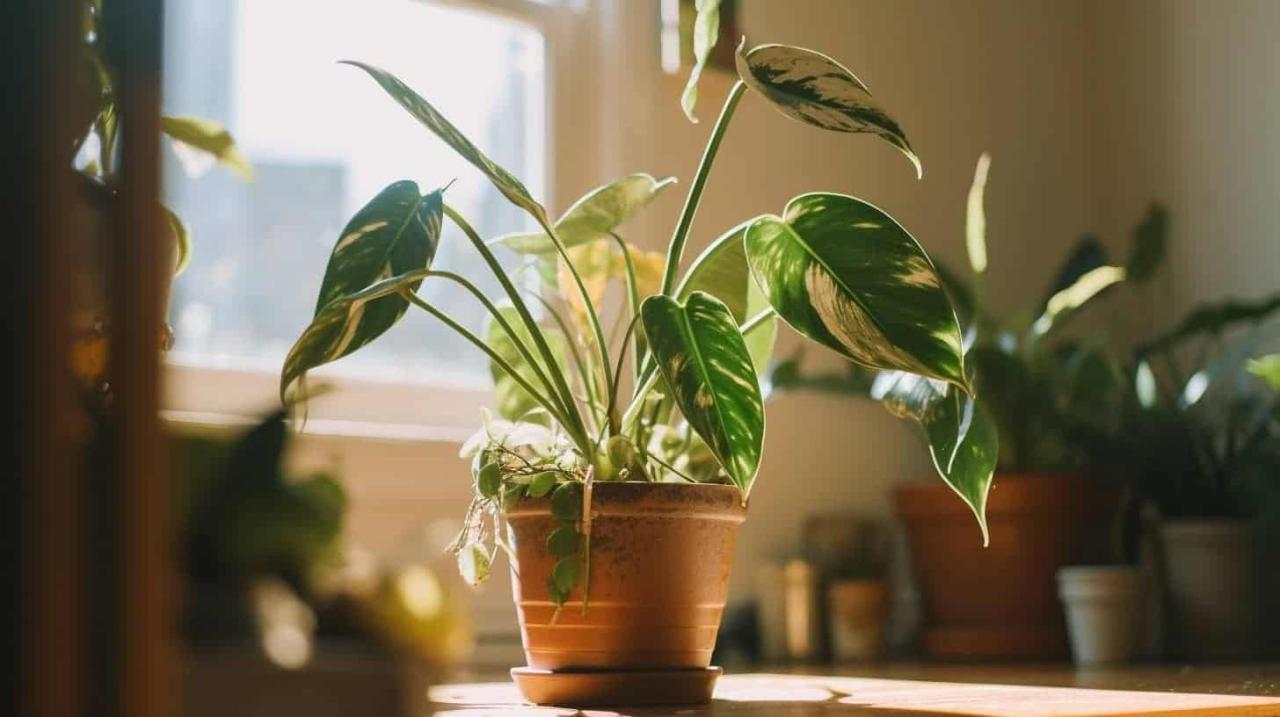
Recognizing the signs of a struggling houseplant is crucial for effective revitalization. Early detection allows for prompt action, maximizing the chances of saving the plant. Understanding the subtle shifts in its appearance and behavior can illuminate the underlying cause of its distress. This section details common symptoms, the progression of decline, and methods for diagnosing the specific problem.
Common Signs of Dying Houseplants
Identifying a dying houseplant often involves recognizing a series of visible changes. These changes can range from subtle wilting to more drastic symptoms, such as yellowing leaves or complete browning. Paying attention to these subtle shifts can help prevent a plant from succumbing to a more severe decline.
- Wilting leaves: Wilting, particularly in the lower leaves, is a common early sign of distress. This can result from several factors, including underwatering, overwatering, or even nutrient deficiencies.
- Yellowing or browning leaves: Yellowing leaves, often accompanied by browning leaf edges, usually indicates a problem with the plant’s environment. Overwatering, underwatering, insufficient light, or nutrient deficiencies can all contribute to this symptom.
- Drooping stems: A drooping stem can signify a lack of water, but also indicate other issues like root rot or pests.
- Sudden leaf drop: A sudden and significant loss of leaves, especially if it occurs rapidly, can be a critical sign of distress and needs immediate attention. This can result from shock, environmental stress, or severe pests.
- Presence of pests: Look for signs of insects, spider webs, or sticky residue on the leaves or stems. Pests can rapidly deplete a plant’s vitality.
- Root rot: If the soil is consistently soggy or waterlogged, the roots might be decaying. This can be seen as a slimy or mushy root system. This usually indicates overwatering.
Stages of Plant Decline
Houseplants don’t typically decline in a sudden, dramatic fashion. Instead, the process usually unfolds in stages, each presenting increasingly obvious symptoms. Understanding these stages helps determine the urgency of the situation.
- Early stage: Initial signs like wilting leaves, slight discoloration, and infrequent leaf drop. The plant may still be responding to the environmental factors.
- Moderate stage: More extensive leaf loss, noticeable drooping, and potentially a weaker overall appearance. The plant is exhibiting more pronounced symptoms, indicating that the issue is worsening.
- Severe stage: Extensive leaf drop, brown or black leaves, and potential stem rot. At this point, the plant is significantly compromised and may require immediate intervention to prevent complete loss.
Pinpointing the Cause of Distress
Identifying the specific cause of a houseplant’s distress is vital for effective treatment. Consider the plant’s environment, recent changes, and its overall health history. The following factors can contribute to a plant’s decline:
- Watering issues: Overwatering leads to root rot, while underwatering causes wilting and leaf drop.
- Light exposure: Insufficient light can cause the plant to become weak and pale. Too much direct sunlight can burn the leaves.
- Nutrient deficiencies: Lack of essential nutrients can lead to stunted growth, yellowing leaves, and general weakness.
- Pests and diseases: Infestations by insects or fungal diseases can severely damage the plant.
Diagnosing Issues
The following table provides a concise comparison of common houseplant problems and their associated symptoms, enabling quick identification of the cause.
| Issue | Symptoms |
|---|---|
| Overwatering | Soggy soil, yellowing/drooping leaves, root rot, fungal growth |
| Underwatering | Wilting leaves, dry soil, brown leaf tips, brittle stems |
| Insufficient Light | Pale or yellow leaves, slow growth, elongated stems |
| Pests | Insect presence, sticky residue, webs, stunted growth, leaf damage |
| Nutrient Deficiency | Slow growth, stunted appearance, pale or yellow leaves, interveinal chlorosis (yellowing between veins) |
Assessing the Plant’s Needs
Understanding a houseplant’s specific needs is crucial for its survival and thriving. Each species has unique requirements for light, water, and soil, and neglecting these specifics can lead to a decline in health. Knowing these needs allows for tailored care, preventing common issues and promoting vibrant growth.Proper care goes beyond simply watering. It involves a deep understanding of the plant’s environment and its requirements.
This includes knowing how much light it needs, the appropriate watering schedule, and the optimal soil composition.
Light Requirements
Plants, like humans, need light to survive and thrive. The intensity and duration of light exposure are crucial determinants of their growth and overall health. Different plant species have evolved to thrive in various light conditions, from intense direct sunlight to low-light environments. Determining the appropriate light exposure for a given plant is vital to maintaining its well-being.A plant’s light needs are often categorized into three broad classifications: direct sunlight, indirect sunlight, and low light.
Observing the plant’s current growth and appearance, along with understanding its species, will provide guidance in determining its optimal light conditions.
| Plant Type | Optimal Light Condition | Description |
|---|---|---|
| Succulents (e.g., cacti, aloe vera) | Direct Sunlight | These plants thrive in full sun and require ample exposure to direct sunlight to produce vibrant colors and strong growth. |
| Many flowering plants (e.g., orchids, begonias) | Indirect Sunlight | These plants prefer bright, indirect light, avoiding harsh direct sunlight, which can scorch their leaves. |
| Ferns, pothos, peace lilies | Low Light | These plants tolerate lower light conditions and can thrive in areas with less direct sunlight. |
Soil Selection and Drainage
The right soil composition plays a vital role in a plant’s health and growth. It should effectively retain moisture while ensuring proper drainage to prevent waterlogging, which can lead to root rot. The soil’s structure, aeration, and water retention capacity directly influence the plant’s ability to absorb nutrients and grow.Selecting the appropriate soil type is as crucial as providing the correct amount of water.
The right soil mixture promotes healthy root development, which is essential for nutrient uptake. Adequate drainage is also paramount; a soil that retains too much water can suffocate the roots, causing the plant to wilt and eventually die. A well-draining soil ensures proper aeration around the roots, supporting healthy growth. When in doubt, consult a gardening resource or a local nursery for guidance.
Implementing Corrective Actions
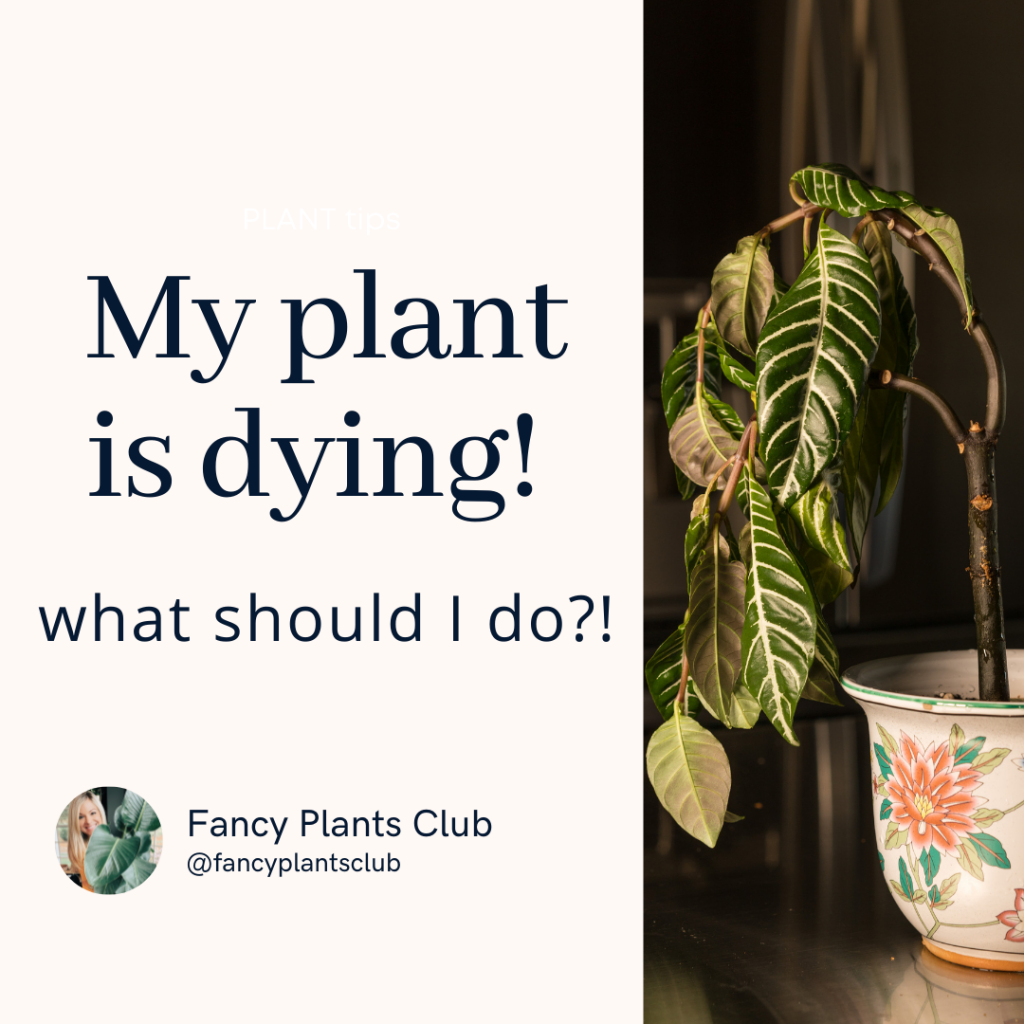
Restoring a struggling houseplant often requires a multifaceted approach. Understanding the specific issue—whether it’s inadequate watering, pest infestation, or root rot—is crucial for effective intervention. By carefully addressing the root cause, you can revive your plant and cultivate a thriving indoor ecosystem.
Reviving an Underwatered Plant
Underwatering is a common issue for houseplants, often stemming from infrequent or insufficient watering. Recognizing the symptoms of underwatering, such as wilting leaves and dry soil, is the first step in providing corrective action. The goal is to replenish the moisture content of the soil to a healthy level.A detailed procedure for reviving an underwatered plant involves several key steps.
First, thoroughly soak the pot in a sink or basin of water until water begins to drain from the drainage holes. This ensures that the soil is saturated and allows for optimal absorption. Allow the excess water to drain completely. Maintain a consistent watering schedule to prevent future underwatering episodes.
Rehydrating a Wilting Plant
Wilting is a common symptom of dehydration, often resulting from inadequate watering or a sudden change in environmental conditions. Different methods are available for rehydrating a wilting plant, depending on the severity of the wilting and the plant’s specific needs.One method is to place the pot in a tray of water (the “bottom watering” technique). Submerge the pot’s base, ensuring that the water does not touch the plant’s stem or leaves.
This allows for slow and steady absorption of water directly into the soil. Another method involves gently misting the leaves with water, which can provide immediate relief to wilting leaves. This method, however, is not sufficient for addressing the underlying cause of dehydration in the soil, and should be combined with other rehydration techniques.
Repotting a Plant with Fresh Soil
Repotting a plant with fresh soil is a beneficial practice for several reasons. It allows for the introduction of fresh, nutrient-rich soil that promotes healthy growth and prevents the buildup of salts and minerals in the old soil. A plant’s roots may become compacted in the old soil, hindering their ability to absorb nutrients effectively.The repotting process involves carefully removing the plant from its current pot.
Gently loosen the roots, and remove any dead or decaying roots. Fill the new pot with fresh, well-draining potting mix. Gently place the plant in the center of the new pot and fill the remaining space with fresh soil. Ensure the soil level is consistent with the previous pot. Proper repotting practices can revitalize the plant and encourage continued growth.
Pruning a Plant to Encourage Healthy Growth
Pruning is a vital technique for promoting healthy plant growth. It involves the removal of dead, damaged, or diseased plant parts. By removing these undesirable components, you can redirect the plant’s energy towards healthy growth and flowering.The process of pruning involves using sharp, clean pruning shears to cut away unwanted plant parts. Make clean cuts at the node, where leaves or branches emerge from the stem.
Proper pruning techniques promote the growth of new, healthy shoots and leaves, thereby enhancing the plant’s overall aesthetic appeal and vitality.
Troubleshooting Watering Issues
Consistent watering is crucial for maintaining healthy plant growth. Incorrect watering practices can lead to a variety of issues, such as overwatering, underwatering, or uneven watering. Understanding the specific watering needs of each plant type is essential for maintaining healthy growth.
| Watering Issue | Symptoms | Corrective Actions |
|---|---|---|
| Underwatering | Wilting leaves, dry soil, light brown leaves | Thoroughly water the plant until water drains from the drainage holes. Allow the soil to dry slightly between waterings. |
| Overwatering | Yellowing leaves, root rot, mushy stems | Reduce watering frequency. Ensure proper drainage to prevent waterlogging. |
| Uneven Watering | Wilting leaves on one side of the plant, while other parts remain healthy | Ensure the pot has proper drainage. Water the plant thoroughly until water drains out of the pot. Check the soil moisture regularly and adjust watering accordingly. |
Controlling Pests Affecting the Plant
Pests can pose a significant threat to the health and vitality of houseplants. Recognizing the presence of pests and implementing effective control methods is essential to prevent further damage. Early detection and intervention are key to preserving the plant’s well-being.Common methods for controlling pests include inspecting the plant regularly for signs of infestation. Isolate the affected plant to prevent the spread of pests.
Use insecticidal soap or neem oil to target the pests. Proper sanitation practices, such as cleaning the plant’s surroundings and tools, can help minimize the risk of future infestations.
Diagnosing and Addressing Root Rot Issues
Root rot is a serious issue that can lead to the demise of a plant. The primary cause of root rot is overwatering, which creates a waterlogged environment that deprives the roots of oxygen. Proper identification of root rot is crucial for effective treatment.To diagnose root rot, carefully examine the roots of the plant. Look for signs of discoloration, mushiness, or decay.
If root rot is suspected, immediately remove the plant from its pot and gently rinse the roots to remove excess soil. Trim away any affected roots. Repot the plant in fresh, well-draining soil and maintain a proper watering schedule.
Maintaining Plant Health
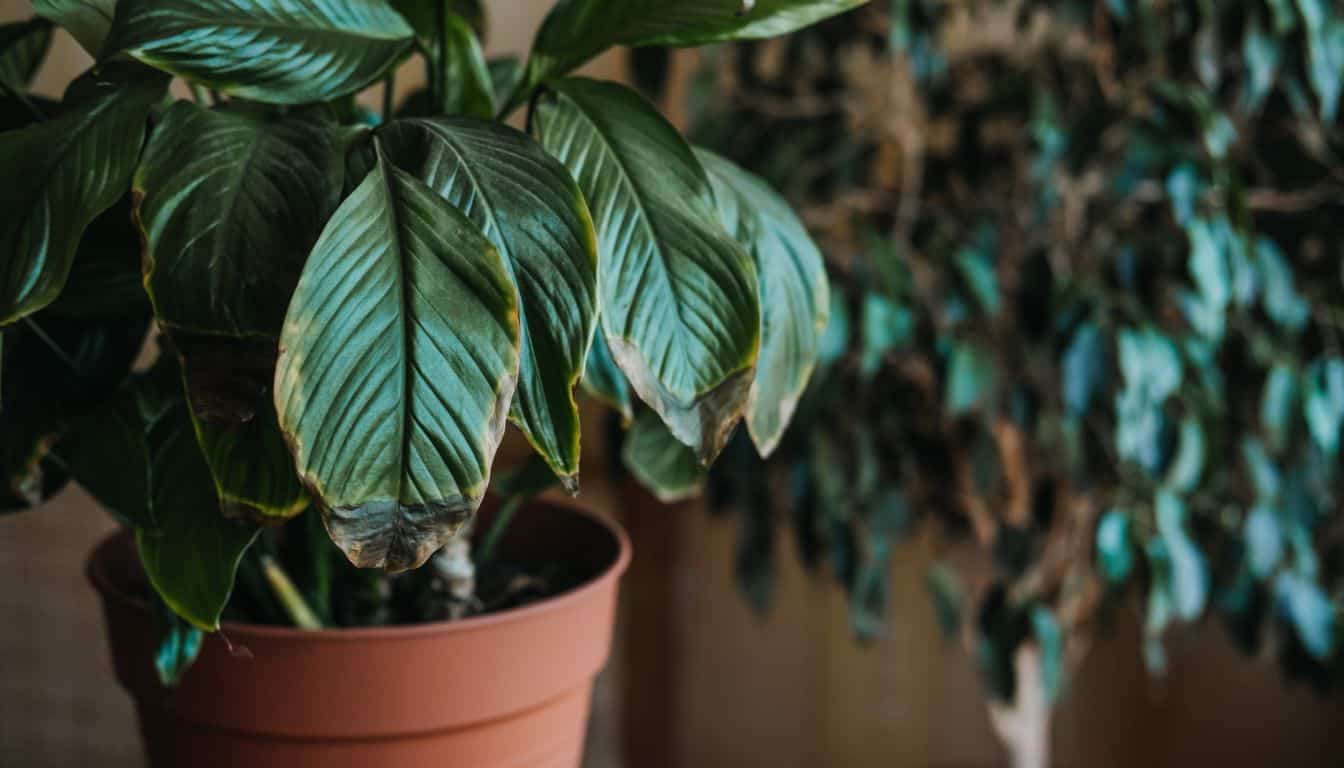
Proper maintenance is crucial for ensuring a houseplant’s long-term health and vibrancy. Consistent care, including tailored watering, appropriate fertilization, and suitable environmental conditions, will encourage thriving growth and prevent future issues. This section provides a comprehensive guide to these vital aspects of plant care.
Establishing a Consistent Watering Schedule
Watering frequency is a key factor in plant health. Different species have varying water requirements, influenced by factors such as pot size, soil type, and environmental humidity. Overwatering can lead to root rot, while underwatering can cause wilting and leaf drop. Understanding the specific needs of your plant is essential.
- Observe the soil moisture level: Stick your finger about an inch into the soil. If the top inch or two feels dry, it’s time to water. Different plants will react differently to dryness. For example, succulents and cacti are far more tolerant of dry soil than ferns or orchids.
- Consider the pot’s drainage: Ensure your pot has adequate drainage holes to prevent waterlogging. A pot without proper drainage can lead to water accumulating around the roots, promoting root rot.
- Tailor your schedule: Monitor the plant’s response to watering. Adjust your schedule based on observed changes in soil moisture, wilting, and overall plant appearance. Some plants may need watering every few days, while others might only require watering once a week or even less often.
Selecting the Correct Fertilizer
Choosing the right fertilizer is important for providing the essential nutrients for healthy growth. Different plants have different nutritional requirements. Using an incorrect fertilizer can harm the plant. It’s crucial to select a fertilizer appropriate for the specific plant type and its growth stage.
- Identify plant needs: Research the specific nutritional needs of your plant. Some plants, such as orchids, require specialized fertilizers formulated for their unique needs. Other plants, like African violets, need specific nutrients in certain ratios.
- Follow product instructions: Always adhere to the manufacturer’s instructions on the fertilizer packaging. Over-fertilizing can damage the plant’s roots and cause leaf burn.
- Consider plant growth stage: Young plants typically need less fertilizer than mature plants. During active growth periods, such as spring and summer, the frequency of fertilization may need to be increased.
Providing Proper Humidity Levels
Maintaining the appropriate humidity level is vital for many houseplants. Low humidity can lead to dry leaves, while excessively high humidity can promote fungal diseases. Determining the ideal humidity level for your plant is crucial.
- Identify plant tolerances: Different plants have different humidity preferences. Tropical plants, such as ferns and orchids, thrive in higher humidity environments, while desert plants, like cacti, tolerate lower humidity levels.
- Utilize humidity trays: Placing the pot on a tray filled with water and pebbles can help increase humidity around the plant’s roots. This technique is particularly useful for plants that require higher humidity.
- Group plants together: Grouping plants together can increase the overall humidity in the immediate environment.
Monitoring Plant Health and Growth
Regular observation of the plant’s condition is essential for detecting problems early. Changes in appearance or growth patterns can indicate underlying issues. Prompt identification and intervention are key to maintaining the plant’s health.
- Regular inspections: Inspect the plant for signs of pests, diseases, or nutrient deficiencies. Early detection can prevent the problem from spreading and causing significant damage.
- Track growth patterns: Monitor the plant’s growth rate and overall development. If the growth rate slows down or stops, it might indicate a problem with care.
- Document observations: Keep a journal or record of your plant’s care routine, observations, and any changes. This can be invaluable for identifying patterns and addressing potential issues.
Preventing Future Issues
Identifying potential problems early can prevent them from escalating into serious issues. Recognizing the early warning signs can significantly impact the plant’s overall health and longevity.
- Proactive problem solving: Be attentive to any signs of stress or illness. This includes changes in leaf color, texture, or growth rate.
- Regular pest checks: Inspect the plant regularly for signs of pests, such as insects or mites. Early detection and treatment are essential to preventing infestations.
- Environmental awareness: Pay attention to changes in your home’s environment, such as fluctuating temperatures or humidity levels. These factors can significantly impact plant health.
Providing Optimal Light Conditions
Different plants require different light conditions to thrive. The type and intensity of light affect the plant’s growth and overall health. Understanding the light requirements of your plant is essential for optimal care.
- Light intensity assessment: Determine the amount of sunlight your plant receives throughout the day. Direct sunlight, bright indirect light, or low light all have different effects.
- Plant type consideration: Different plants have different light requirements. Some plants thrive in full sun, while others prefer shade. Research your plant’s specific light needs.
- Light source comparison: Consider the benefits and drawbacks of different light sources, such as natural sunlight and artificial grow lights. Different light sources produce different spectra, impacting plant growth.
Troubleshooting and Prevention
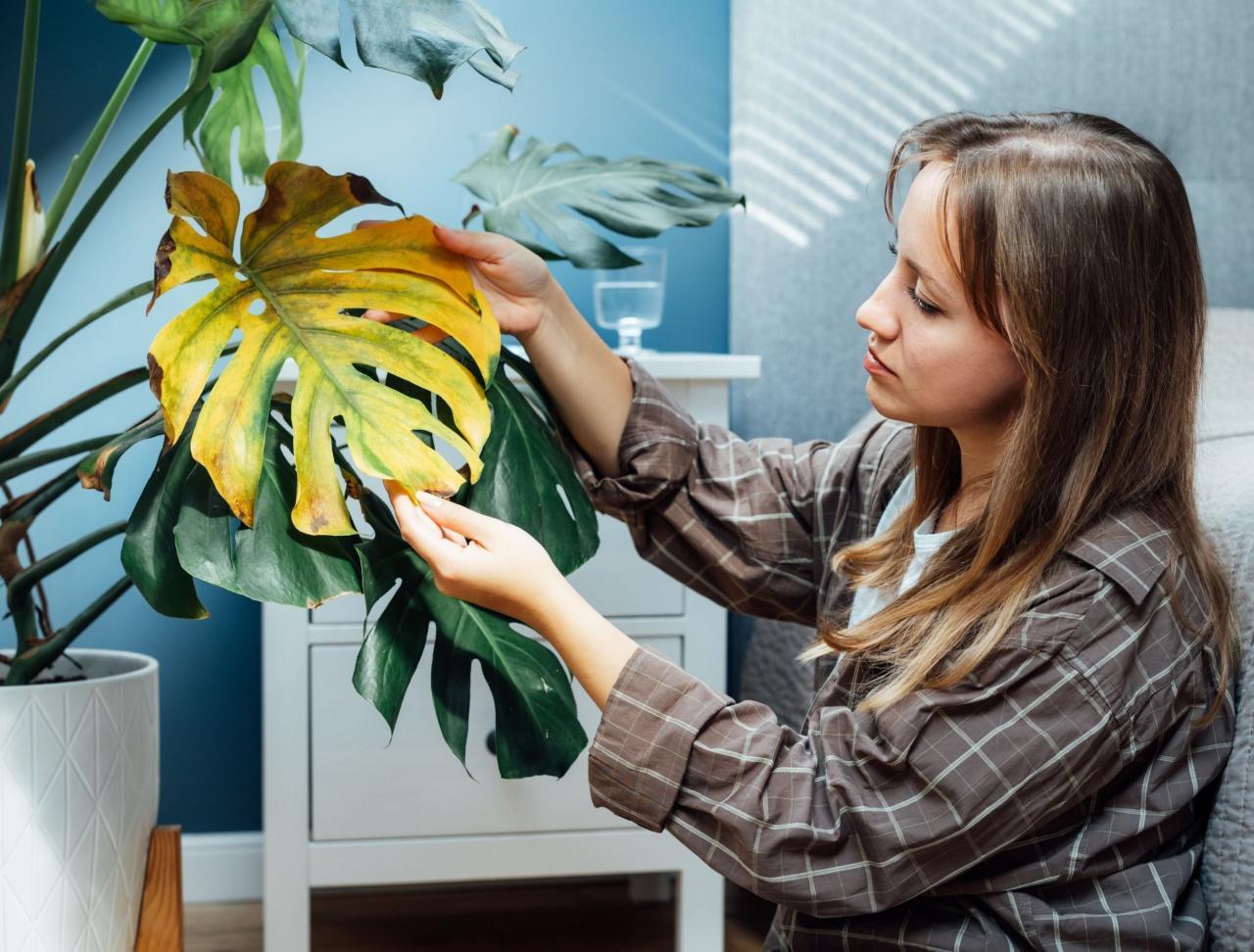
Maintaining a thriving houseplant requires vigilance and proactive measures to address potential issues. Early detection and swift action are crucial in preventing minor problems from escalating into major setbacks. This section delves into common problems, preventative strategies, and a systematic approach to plant diagnosis.
Recognizing Common Issues
Houseplants, like any living organism, can encounter various problems. These can manifest in visible symptoms, such as discoloration, wilting, or unusual growth patterns. Prompt identification is key to successful treatment. Understanding the typical signs of pest infestations, diseases, and environmental stress allows for timely intervention. Observing the plant’s overall health, including leaf shape, color, and texture, can provide valuable clues.
Addressing Pests and Diseases
Identifying pests and diseases early is crucial for effective treatment. A thorough inspection of the plant and its surroundings is essential. Common pests include aphids, mealybugs, spider mites, and scale insects. These pests often leave visible signs, such as sticky residue, webbing, or small, discolored insects. Fungal diseases, like root rot or powdery mildew, can also affect plants, causing leaf spots, discoloration, or rotting.
Proper identification is critical to choosing the appropriate treatment.
Monitoring for Early Distress Signals
Regular monitoring is essential for early detection of potential problems. Observe the plant’s leaves, stems, and roots for any signs of distress, such as yellowing, wilting, or unusual growth patterns. Changes in leaf color or texture, wilting, or a noticeable decrease in growth can signal underlying issues. A keen eye for these subtle changes can often prevent more significant problems.
Consistent observation and record-keeping are beneficial for pinpointing patterns.
Preventative Measures
Proactive measures significantly reduce the likelihood of plant problems. Regularly inspect plants for pests or diseases, and maintain appropriate environmental conditions. Proper watering techniques, including monitoring soil moisture, are vital in preventing issues like overwatering or underwatering. Providing the correct amount of light, humidity, and temperature are also important for healthy plant development.
Common Mistakes to Avoid
Several common mistakes can lead to plant decline. One frequent error is overwatering, which can cause root rot. Conversely, underwatering can lead to wilting and dehydration. Inadequate light exposure can result in stunted growth or discoloration. Inconsistent watering schedules or improper fertilization can also negatively impact plant health.
Understanding these pitfalls and avoiding them can contribute to the long-term health of your plants.
Plant Diagnosis and Treatment Steps
A systematic approach to diagnosing and treating plant issues is essential. First, meticulously observe the plant for any visible symptoms. Second, identify the potential causes based on your observations. Third, research the specific issue and its treatment. Fourth, implement the appropriate corrective actions.
Finally, monitor the plant for signs of improvement. Consistent monitoring is key for evaluating the efficacy of your treatment plan.
Preventing Overwatering and Underwaterings
Overwatering and underwatering are among the most common causes of plant death. Understanding the specific needs of your plant type is crucial. Use a moisture meter to check the soil’s moisture level before watering. Ensure proper drainage to prevent waterlogging. Adjust watering schedules based on the plant’s needs and environmental conditions.
For underwatering, increase the frequency of watering until the soil is consistently moist. This ensures the plant receives the right amount of water without excess or deficiency.
Plant-Specific Care
Understanding the unique needs of different houseplants is crucial for successful revival and long-term health. Each plant species has evolved specific adaptations to thrive in various environments, and replicating those conditions in your home is key to nurturing a vibrant and healthy collection. Ignoring these nuances can lead to frustrating setbacks in the revival process.Different plant types demand varying levels of light, water, and humidity.
This section delves into the specific care requirements for popular houseplants, including succulents, snake plants, and others, providing practical guidance for reviving and maintaining them.
Succulent Care: Mastering Watering Techniques
Succulents, renowned for their drought tolerance, require a unique approach to watering. Their fleshy leaves store water, allowing them to survive extended periods without hydration. Overwatering is a significant threat to succulents, potentially leading to root rot and ultimately killing the plant.
- Watering Frequency: Water succulents thoroughly only when the soil is completely dry. A good rule of thumb is to allow the top inch or two of soil to dry out before watering again. Avoid misting, as this can lead to fungal issues. During winter dormancy, reduce watering significantly, or even suspend it entirely depending on the specific species.
- Potting Mix: Use a well-draining potting mix specifically formulated for succulents. This mix typically includes perlite, pumice, or other materials that enhance drainage. Poor drainage can result in waterlogged roots, leading to rot.
- Light Requirements: Succulents thrive in bright, indirect light. Place them near a south-facing window, but provide shade during the hottest part of the day to prevent scorching. Insufficient light can lead to leggy growth and pale coloration.
- Signs of Overwatering: Look for mushy leaves, yellowing or browning, and the presence of mold or mildew. These are clear indicators that the plant is receiving too much water. If you suspect overwatering, immediately reduce watering frequency.
Snake Plant Care: Embracing Resilience
Snake plants are renowned for their resilience and ability to tolerate a range of conditions. This adaptability makes them a popular choice for beginners. However, understanding their specific needs ensures their continued health and vibrant appearance.
- Light Requirements: Snake plants can tolerate lower light conditions than many other houseplants, but they will thrive in bright, indirect light. A location near an east-facing window or a bright room with some shade will provide ideal conditions. However, they can also tolerate low-light conditions.
- Watering Frequency: Water snake plants sparingly, allowing the top inch of soil to dry out between waterings. Overwatering is a significant risk, and can lead to root rot. During the winter, reduce watering even further. Allow the soil to dry completely.
- Soil Composition: Snake plants prefer well-draining soil. A potting mix specifically formulated for snake plants or a blend of potting soil and perlite will be ideal. Ensure good drainage to prevent waterlogging.
- Signs of Problems: Drooping or yellowing leaves can indicate underwatering, overwatering, or other issues. Inspect the soil moisture, check for pests, and ensure adequate light to address the specific problem.
Comparing Popular Houseplant Care
A comparative analysis of popular houseplants reveals distinct needs. The table below highlights differences in watering, light, and other essential care requirements for some common varieties.
| Plant Type | Watering Frequency | Light Requirements | Other Needs |
|---|---|---|---|
| Spider Plant | Water when the top inch of soil is dry | Bright, indirect light | Regular misting, good air circulation |
| ZZ Plant | Water infrequently, allowing soil to dry completely | Low to medium light | Tolerates low humidity |
| Peace Lily | Water when the top inch of soil is almost dry | Bright, indirect light | High humidity |
This table provides a quick reference for the care requirements of various houseplants. Consult plant-specific resources for further detailed information.
Visual Aids and Examples

Visual aids are crucial for effectively communicating plant care information. They allow for a more concrete understanding of the various aspects of plant health and troubleshooting. Clear examples and visuals can help individuals quickly identify potential problems and implement the appropriate solutions. This section provides examples to illustrate different soil types, pest identification, ideal humidity levels, and the specific needs of a spider plant.
Soil Suitability for Different Plants
Understanding the soil requirements of different plants is vital for their success. Different plants have varying needs for drainage, aeration, and nutrient retention. The following table provides a general guide to soil types and their suitability for various plant species. Remember that specific needs may vary depending on the plant’s variety and overall health.
| Soil Type | Description | Suitable Plants | Explanation |
|---|---|---|---|
| Potting Mix | A blend of peat moss, perlite, vermiculite, and sometimes other organic materials. | Most houseplants | Provides good drainage and aeration, while retaining some moisture. |
| Sandy Soil | High in sand, with little organic matter. | Succulents, cacti | Excellent drainage, crucial for plants that prefer dry conditions. |
| Clay Soil | High in clay particles, often heavy and dense. | Some orchids, certain ferns | Can retain water well, but needs good drainage to prevent root rot. |
| Loamy Soil | A mixture of sand, silt, and clay, often with organic matter. | Most flowering plants, vegetables | Good balance of drainage, aeration, and nutrient retention. |
Taking Clear Pictures of a Dying Plant
Clear photographic documentation is essential when seeking help for a struggling houseplant. A potential helper needs to visualize the plant’s condition to offer effective advice. Take pictures from multiple angles, focusing on the following:
- Overall plant condition: Capture the entire plant, highlighting its size, overall shape, and any obvious signs of stress.
- Leaves: Close-up shots of leaves showing any discoloration, wilting, or unusual patterns. Document the extent of the problem.
- Stems and roots: If possible, include images of the stems and roots, checking for signs of rot, pests, or other damage. Consider gently removing the plant from the pot to inspect the roots.
- Pot and soil: Take a picture of the pot and soil to check for any signs of overwatering, underwatering, or other issues.
Pest Identification
Recognizing pests early is key to preventing further damage. Different pests have unique appearances, enabling timely intervention.
- Mealybugs: These small, white, cottony pests often cluster on stems and leaves. They can be seen with the naked eye, and can be mistaken for cotton. They can leave a sticky residue.
- Spider mites: Tiny, spider-like creatures that spin webs on leaves, especially on the undersides. Leaves may appear stippled or have a fine web covering them. Often appear yellow or pale.
- Aphids: These tiny, soft-bodied insects are typically green, yellow, or black and can be found on the stems and leaves. They cluster together.
Ideal Humidity Levels for Various Plants
Humidity levels directly influence a plant’s health. The ideal humidity for different plants varies significantly. The following table illustrates some common houseplant types and their ideal humidity ranges.
| Plant Type | Ideal Humidity Level (percent) | Explanation |
|---|---|---|
| Tropical Plants (e.g., ferns, orchids) | 60-80% | These plants thrive in consistently moist environments. |
| Most Common Houseplants (e.g., pothos, snake plants) | 40-60% | These plants can tolerate slightly lower humidity. |
| Desert Plants (e.g., succulents, cacti) | 20-40% | These plants are adapted to arid conditions and prefer low humidity. |
Spider Plant Ideal Conditions
Spider plants, known for their air-purifying qualities and ease of care, thrive in specific conditions. These plants prefer bright, indirect light, and well-draining soil.
- Light: Spider plants require bright, indirect light, but they can also tolerate lower light levels. Avoid direct sunlight, which can scorch the leaves. An east-facing window often provides the ideal light conditions.
- Water: Water your spider plant thoroughly when the top inch of soil feels dry. Avoid overwatering, which can lead to root rot. Allow excess water to drain completely from the pot.
- Temperature: Spider plants prefer temperatures between 65°F and 80°F (18°C and 27°C). Avoid placing them in drafty areas or near heating vents.
- Soil: Use a well-draining potting mix that is suitable for houseplants.
Outcome Summary
In conclusion, reviving a dying houseplant requires a multifaceted approach, combining meticulous observation, understanding the plant’s unique needs, and implementing targeted solutions. By following the steps Artikeld in this guide, you can effectively address the underlying causes, provide the necessary care, and ultimately cultivate a thriving, healthy houseplant. Remember, consistency and attention to detail are crucial for success in this endeavor.