Leggy plants, with their elongated stems and sparse leaves, can be a common disappointment for plant enthusiasts. This comprehensive guide provides a detailed roadmap to revive these often-struggling plants and transform them into lush, bushy specimens. We’ll explore the root causes of leggy growth, offering practical solutions to address issues like insufficient light, improper watering, and inadequate soil.
From repotting techniques to pruning strategies, you’ll gain a wealth of knowledge to revitalize your leggy plants.
This guide meticulously covers various aspects, including identifying the specific problem, addressing light and positioning, optimizing watering techniques, repotting and soil selection, strategic pruning, proper fertilization, and the crucial role of environmental factors. Each section is designed to provide clear, actionable steps, empowering you to take charge of your plant’s recovery and promote healthy, bushy growth.
Identifying the Problem

Leggy plants, often a source of frustration for plant enthusiasts, exhibit a characteristic that sets them apart from their healthy counterparts. This elongation of stems and sparse leaf distribution is a clear signal that something is amiss in the plant’s environment. Understanding the causes behind this issue is crucial for effective treatment and restoring the plant to its former glory.
A thorough examination of the symptoms and potential contributing factors will guide you in developing a tailored solution for your particular plant.
Leggy Plant Characteristics
Leggy plants typically display elongated stems that appear weak and spindly. Leaves are often smaller, spaced further apart than usual, and may appear pale or yellowish in color. The overall appearance of the plant can range from a noticeably drawn-out form to a more noticeably underdeveloped or thin-leafed appearance compared to its healthy counterparts. Different plant types exhibit this characteristic in various ways, depending on their natural growth patterns.
Examples of Leggy Plants
Various popular houseplants can exhibit leggy growth. Pothos, known for their trailing vines, can become excessively leggy if not provided with adequate light. Snake plants, typically robust and upright, can also develop leggy stems under insufficient light conditions. Spider plants, with their cascading tendrils, often display leggy growth when deprived of adequate sunlight.
Common Causes of Leggy Growth
Several environmental factors can contribute to leggy growth in plants. Insufficient light is a frequent culprit. Plants need sufficient light to produce chlorophyll, the pigment responsible for photosynthesis, which directly impacts the overall health of the plant. Overcrowding can also impede a plant’s growth and result in leggy stems. Plants require adequate space for their roots to develop and for leaves to flourish.
Improper watering, such as overwatering or underwatering, can lead to stressed plants, which in turn, may manifest as leggy growth.
Importance of Identifying the Specific Cause
Accurate identification of the cause behind leggy growth is vital for successful treatment. Different causes necessitate different solutions. For instance, insufficient light requires a change in location, while overcrowding necessitates repotting. Identifying the specific issue allows for a more targeted and effective approach to restoring the plant’s health. This targeted approach often leads to a more rapid and complete recovery.
Table of Plant Types, Symptoms, and Potential Causes
| Plant Type | Symptoms | Potential Causes |
|---|---|---|
| Pothos | Elongated stems, sparse leaves, pale yellowing of leaves | Insufficient light, insufficient watering, overcrowding, poor drainage |
| Snake Plant | Elongated stems, reduced leaf density, pale green leaves | Insufficient light, insufficient watering, overcrowding, inadequate soil drainage |
| Spider Plant | Long, thin stems, leaves spaced far apart, weak, droopy stems | Insufficient light, insufficient watering, overcrowding, improper fertilization |
Light and Position
Proper light and positioning are crucial for revitalizing a leggy plant. Insufficient or inappropriate light is a primary cause of elongated stems, and addressing this aspect is vital for promoting healthy growth and bushier foliage. Understanding the ideal light requirements for different plant types and how to adjust their positioning will significantly contribute to their recovery.Light exposure directly influences stem elongation.
Plants, seeking out available light, stretch their stems in an attempt to reach the light source. This results in the spindly, leggy appearance that we want to correct. The more intense and consistent the light, the less likely the plant is to exhibit this stretching behavior.
Ideal Light Requirements for Different Plant Types
Leggy plants, regardless of species, need sufficient light to flourish. However, the intensity and duration of light exposure vary depending on the plant’s natural habitat. Some plants thrive in bright, indirect light, while others require more direct sunlight. Understanding the plant’s origin and natural environment is a crucial first step in determining the ideal light conditions for its recovery.
For instance, a succulent originating from a sunny desert will require more direct sunlight than a tropical plant accustomed to filtered light.
Relationship Between Light Exposure and Stem Elongation
A direct correlation exists between insufficient light and stem elongation. When a plant receives inadequate light, its stems lengthen to reach available light sources. This elongation can be observed in various plant types, from succulents to ferns. A lack of sufficient light signals to the plant that it needs to maximize its surface area to capture more light, which manifests as increased stem length.
Conversely, adequate light exposure promotes compact growth and the development of a fuller, bushier appearance.
Comparison of Light Sources
Natural sunlight is often the best option for plant growth, providing a spectrum of light that mimics natural conditions. However, natural light can vary greatly depending on the time of day, the season, and the geographic location. Grow lights offer a controlled alternative, allowing for precise adjustments in light intensity and duration. LED grow lights, in particular, are becoming increasingly popular due to their energy efficiency and ability to provide targeted light spectrums.
Adjusting Plant Positioning for Optimal Light Access
Adjusting the plant’s position is a simple yet effective way to improve light access. Placing the plant closer to a light source, whether natural or artificial, encourages more compact growth. Regularly rotating the plant will ensure even light distribution across all sides, preventing one side from becoming excessively elongated. This practice is vital for maintaining a balanced and healthy plant structure.
Table Comparing Light Conditions and Their Effects
| Light Condition | Effect on Leggy Plants |
|---|---|
| Low Light | Stem elongation, weak growth, pale foliage |
| Bright, Indirect Light | Promotes bushier growth, more vibrant foliage |
| Direct Sunlight (Moderate) | Encourages compact growth, vibrant colors (suitable for plants adapted to sunlight) |
| Strong Direct Sunlight (Extreme) | Potential for leaf burn; crucial to adjust plant positioning or introduce shade |
| Grow Lights | Controlled light intensity and duration; promotes balanced growth |
Watering Techniques
Proper watering is crucial for maintaining a healthy and bushy leggy plant. Ignoring the nuances of watering can exacerbate leggy growth, as the plant prioritizes reaching for light rather than developing robust stems and foliage. This section will detail effective watering methods to encourage bushier growth.
Importance of Avoiding Overwatering and Underwaterings
Overwatering and underwatering are two common pitfalls that lead to leggy growth. Overwatering deprives the roots of oxygen, hindering their ability to absorb nutrients effectively. This stress response often manifests as leggy growth, as the plant prioritizes reaching for light as a source of energy. Underwatering, conversely, can lead to the plant becoming stressed, inhibiting the growth of new stems and leaves.
Both conditions disrupt the delicate balance required for healthy growth.
Connection Between Soil Moisture and Stem Elongation
The moisture content of the soil plays a pivotal role in stem elongation. When the soil is consistently too wet, the roots become deprived of oxygen, a crucial component for healthy root development. This oxygen deprivation stresses the plant, causing it to prioritize upward growth to reach sunlight. Conversely, consistently dry soil can also lead to stem elongation, as the plant struggles to obtain sufficient water for robust growth.
Maintaining the correct soil moisture level is essential for promoting a healthy balance between root and stem development.
Different Watering Tools and Techniques
Various watering tools and techniques can optimize soil moisture and prevent leggy growth. Using a watering can with a gentle stream ensures even distribution of water without disrupting the soil structure. A watering wand allows for focused watering around the base of the plant, reducing the chance of overwatering the foliage. For larger plants or containers, a soaker hose or drip irrigation system can provide slow, consistent moisture to the roots, preventing waterlogging and encouraging deep root growth.
Experimenting with different tools to find what works best for your specific plant and container setup is often beneficial.
Watering Schedules for Different Plant Types and Conditions
Watering schedules depend significantly on factors like the type of plant, pot size, climate, and light conditions. A general guideline is to water when the top inch or two of soil feels dry to the touch. However, this is a general guideline. Some plants, like succulents, require significantly less frequent watering than leafy green plants. The following table provides a general overview of watering schedules based on plant types and conditions.
| Plant Type | Watering Frequency (General Guideline) | Considerations |
|---|---|---|
| Succulents | Once every 1-2 weeks | Tolerate periods of drought. Water thoroughly only when the soil is completely dry. |
| Tropical Plants | Once every 2-3 days | Require consistently moist soil. Adjust based on the environment. |
| Plants in Small Pots | More frequent watering | Soil dries out faster in smaller pots. Monitor soil moisture closely. |
| Plants in Large Pots | Less frequent watering | Soil retains moisture longer in larger pots. Monitor soil moisture carefully. |
| Plants in Hot/Dry Climates | More frequent watering | Evaporation is more rapid. Water more often than in cooler climates. |
Maintaining optimal soil moisture is key to preventing leggy growth.
Repotting and Soil

Repotting is a crucial step in reviving a leggy plant, as it allows for fresh soil and a potentially more suitable pot. A proper repotting process, combined with the correct soil mix, can significantly improve the plant’s health and encourage bushier growth. Choosing the right pot and soil is paramount to supporting root development and overall plant vigor.Repotting a leggy plant involves carefully removing it from its current container, assessing the root system, and placing it in a new pot with fresh, appropriate soil.
This process provides the plant with a renewed environment for growth, enabling it to recover from its leggy state.
Repotting Procedure
Proper repotting technique is essential for successful revival. Begin by gently removing the plant from its current pot. Gently loosen the soil around the roots, being careful not to damage them. Examine the roots; if they are circling the pot, or if the root ball is severely compacted, this indicates a need for repotting. Choose a new pot with adequate drainage holes.
Fill the new pot with the appropriate soil mix, leaving some space at the top. Carefully place the plant in the center of the pot, ensuring the soil level is approximately the same as in the previous pot. Gently fill the remaining space with the soil mix, firming it gently to eliminate air pockets.
Choosing the Right Pot Size
The size of the pot plays a vital role in the plant’s growth. A pot that is too large may lead to waterlogging, while a pot that is too small will restrict root development. The ideal pot size should allow for comfortable root growth without being excessively large. A general rule of thumb is to choose a pot that is only slightly larger than the root ball.
This allows the plant to adjust gradually to the new environment. For example, a plant with a root ball of 6 inches might benefit from a 7-8 inch pot.
Soil Selection
Appropriate soil composition is essential for healthy root development. Soil that is too dense can hinder drainage, leading to waterlogging. Soil that is too airy can dry out too quickly. The ideal soil mix should provide good drainage, aeration, and nutrient retention.
Examples of Soil Mixes
- Standard potting mix: A standard potting mix is a good all-around choice for many plants. It typically contains peat moss, perlite, and vermiculite. This mixture provides good drainage and aeration, and can retain moisture well. For leggy plants, this mix is suitable, but may need adjustments based on the plant species.
- Cactus and succulent mix: This mix is excellent for plants that prefer well-drained soil. It often includes perlite, sand, and sometimes peat moss. This mix provides exceptional drainage, which is crucial for preventing root rot, making it beneficial for plants prone to waterlogging.
- Potting mix with added compost: Adding compost to a standard potting mix can enhance nutrient retention and improve soil structure. This mix offers a balanced approach, combining good drainage with improved nutrient availability.
Importance of Drainage
Adequate drainage is crucial to prevent waterlogging and root rot. Waterlogged soil deprives roots of oxygen, leading to root decay and plant decline. Ensure the pot has adequate drainage holes to allow excess water to escape.
Proper drainage is essential for preventing waterlogging and root rot.
Repotting Frequency
The frequency of repotting depends on the plant’s size and growth rate. Generally, young plants will need repotting more frequently than mature plants. Repotting should be done when the roots become crowded or the plant outgrows its current container. As a general guideline, repotting every 1-2 years is often sufficient. If the plant is growing rapidly, or if the roots are visibly filling the pot, repotting should be done sooner.
Soil Type Comparison
| Soil Type | Suitability for Leggy Plants | Suitability for Other Plant Species |
|---|---|---|
| Standard potting mix | Good, but may need adjustments based on specific plant | Versatile; suitable for a wide range of plants |
| Cactus and succulent mix | Excellent for preventing waterlogging | Ideal for plants that prefer well-drained soil, like cacti and succulents |
| Potting mix with added compost | Beneficial for nutrient retention | Suitable for plants that benefit from enriched soil |
Pruning and Training Techniques
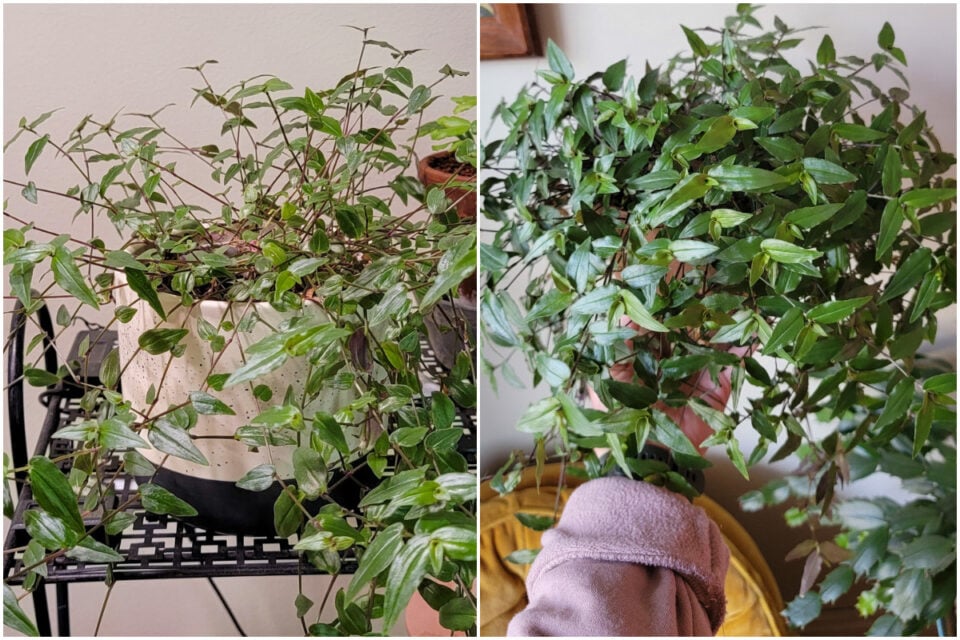
Proper pruning and training are essential for encouraging bushier growth and maintaining the overall health of your leggy plant. These techniques remove leggy stems, stimulating new growth from existing points and creating a fuller, more visually appealing plant. Effective pruning also promotes airflow, reducing the risk of fungal diseases.Effective pruning is about more than just cutting; it’s about understanding your plant’s growth patterns and using techniques to direct its development.
Careful consideration of pruning tools, methods, and the timing of pruning can significantly impact the plant’s response and encourage the desired bushier form.
Pruning Methods for Promoting Bushier Growth
Pruning methods are crucial for shaping a plant and directing its energy toward creating a fuller, more robust form. Different methods target specific growth patterns, encouraging branching and preventing leggy growth. Selecting the appropriate technique depends on the plant’s variety, its current growth stage, and the desired outcome.
Importance of Pruning to Remove Leggy Stems and Encourage New Growth
Leggy stems often result from a plant’s struggle to find sufficient light or nutrients. Pruning these stems stimulates new growth from lower nodes, encouraging a more compact and bushy form. This process redirects the plant’s energy to develop a fuller structure, creating a more visually appealing and healthy plant.
Use of Plant Supports and Training Techniques
Plant supports, such as stakes or trellises, are essential for guiding the plant’s growth and preventing it from becoming overly leggy. Proper support helps to maintain the plant’s form, making it more stable and resilient. Training techniques, such as tying stems to supports, gently guide the plant’s growth in the desired direction. This is especially important for larger plants or those with long stems that need assistance.
Importance of Proper Pruning Tools and Techniques
Sharp pruning tools are essential for clean cuts, minimizing damage to the plant. Blunt tools can crush or tear the stem, potentially introducing infection points and hindering healing. Using the appropriate tools and techniques for each type of cut (pinching, snipping, cutting) is crucial for promoting healthy growth.
Examples of Different Pruning Techniques
Various pruning techniques can be employed to shape and stimulate growth.
- Pinching: This technique involves gently pinching off the growing tips of new shoots. It’s ideal for encouraging branching and controlling overall plant size. Pinching is suitable for younger plants or those needing a more delicate touch to promote bushier growth.
- Snipping: This method involves using sharp, small-bladed scissors or pruning shears to remove specific stems or branches. Snipping is useful for trimming back excess growth and for shaping the plant’s form. It is especially effective for plants with thinner stems.
- Cutting: Using sharp pruning shears or a pruning saw, this method removes larger branches or stems. It’s important to make clean cuts at a node or bud to promote healing and new growth. This technique is typically employed for mature plants with substantial branches.
Step-by-Step Guide to Pruning a Leggy Plant
This guide Artikels the process of pruning a leggy plant to encourage bushier growth.
- Assessment: Carefully inspect the plant, identifying areas with leggy growth, dead or diseased stems, and the desired overall shape. Look for weak or spindly stems.
- Gather Supplies: Gather sharp pruning shears, a small hand saw (if needed), gloves, and a bucket for collecting clippings. Proper sanitization of tools is critical to prevent disease spread.
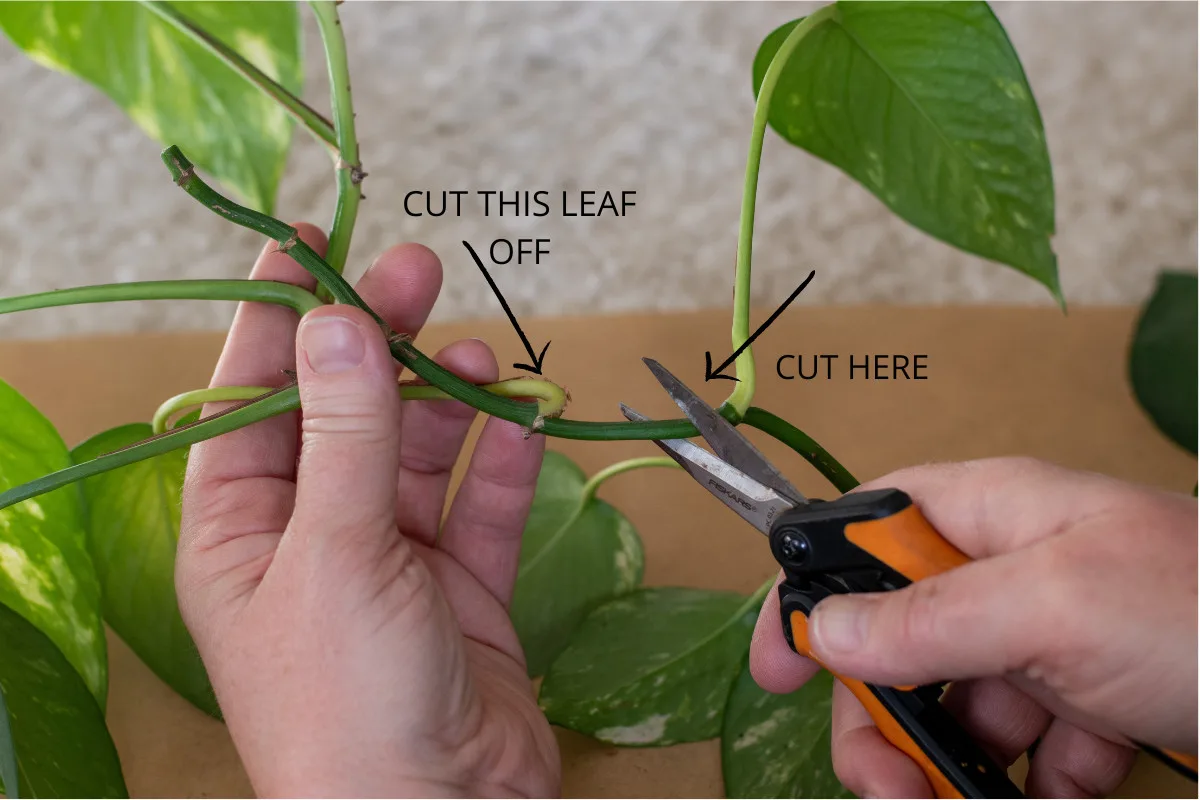
- Pruning Procedure: Make clean cuts just above a node (the point where leaves emerge from the stem). This stimulates new growth from the node. Focus on removing leggy stems, ensuring that the remaining stems are strong and healthy.
- Post-Pruning Care: Ensure proper watering and fertilization. Maintain a well-lit position for the plant to encourage further growth and development.
Fertilizing and Nutrients
Proper fertilization is crucial for promoting robust growth and preventing leggy growth in leggy plants. A well-balanced nutrient supply encourages the plant to develop a healthy root system and allocate resources to producing sturdy stems and foliage, thereby preventing the elongated, spindly appearance characteristic of leggy plants. This section will explore the critical role of fertilization, appropriate fertilizer selection, application techniques, and recognizing nutrient deficiencies.
Choosing the Right Fertilizer
Leggy plants often suffer from nutrient deficiencies, particularly nitrogen. Selecting a fertilizer specifically formulated for flowering plants or leafy greens can significantly impact growth. A balanced fertilizer with a higher nitrogen content is generally recommended for leggy plants, to encourage foliage development. However, overly high nitrogen can also lead to lush foliage at the expense of strong stems.
A balanced NPK ratio (Nitrogen-Phosphorus-Potassium) is vital. A balanced ratio like 10-10-10 is often a good starting point.
Fertilizer Application Techniques
Applying fertilizer correctly is as important as selecting the right type. Over-fertilization can severely damage the plant, causing leaf burn or stunting growth. Following the manufacturer’s instructions is paramount. Diluting the fertilizer solution to half strength is often recommended for leggy plants to prevent over-application. Water thoroughly after fertilizing to ensure even distribution of nutrients.
Identifying Nutrient Deficiencies
Nutrient deficiencies can manifest in various ways, contributing to leggy growth. For example, nitrogen deficiency results in yellowing leaves, particularly on older leaves. Phosphorus deficiency might manifest as purplish or dark green coloring in the leaves, while potassium deficiency might cause browning at the leaf edges. A visual inspection of the plant’s foliage can provide valuable clues about potential deficiencies.
Different Fertilizer Types and Their Effects
Various fertilizer types are available, each with different effects on plant growth. Liquid fertilizers are easily diluted and offer rapid nutrient uptake. Granular fertilizers are slower-release, providing a more consistent nutrient supply over time. Organic fertilizers, derived from natural sources, are environmentally friendly but may not be as readily available as other types. Different types of fertilizers might have different NPK ratios, and the specific ratio should be considered when selecting the right fertilizer for the leggy plant.
Table Comparing Fertilizer Types
| Fertilizer Type | Application Method | Pros | Cons |
|---|---|---|---|
| Liquid | Dilute in water and apply directly to the soil | Fast nutrient uptake, easy to control dosage | May require more frequent applications, potential for runoff |
| Granular | Scatter granules around the base of the plant | Sustained release of nutrients, less frequent application | May require careful application to avoid clumping, more complex to dilute |
| Organic | Apply as a compost or similar organic material | Environmentally friendly, promotes healthy soil | Slower nutrient release, may not provide the same quick results as synthetic fertilizers |
Environmental Factors
Leggy plants often exhibit elongated stems and sparse foliage, a response to environmental conditions that are not optimal for their growth. Understanding and addressing these environmental factors is crucial for promoting healthy growth and a bushy appearance. These conditions can include temperature, humidity, and even light exposure, all of which play a significant role in the plant’s development.Environmental factors, such as temperature and humidity, directly influence the physiological processes within the plant.
Optimal conditions support robust growth, leading to a denser, bushier plant. Conversely, unfavorable conditions can hinder growth, resulting in legginess and a less desirable appearance.
Temperature Fluctuations
Temperature fluctuations can significantly impact the growth rate of a leggy plant. Plants, like humans, thrive in a specific temperature range. Sudden changes or prolonged exposure to extreme temperatures can disrupt their metabolism and growth patterns, potentially leading to stunted growth or leggy stems. For instance, a plant accustomed to a warm environment may exhibit signs of stress if exposed to a drastic drop in temperature, affecting its ability to produce new leaves and maintain its overall shape.
Understanding the plant’s preferred temperature range is vital to providing a consistent and favorable environment.
Humidity Levels
Maintaining adequate humidity levels is critical for preventing leggy growth. Leggy plants, particularly those originating from tropical or humid environments, may struggle in drier conditions. Low humidity can cause the plant’s leaves to dry out, making them more susceptible to stress and reducing their ability to retain moisture. This can lead to slower growth and elongated stems.
Providing a humid environment can improve the plant’s ability to absorb and retain water, promoting a healthier and more compact growth habit.
Controlling Environmental Factors
Creating a favorable environment involves controlling key factors like temperature and humidity. Using techniques such as grouping plants together, placing the plant near a humidifier, or using a pebble tray can increase humidity. Monitoring and maintaining a consistent temperature, avoiding drastic fluctuations, is also crucial. Consider placing the plant away from drafts or areas with fluctuating temperatures, such as near air conditioning vents or windows.
By addressing these environmental concerns, you can create an environment conducive to healthy growth and a more bushy plant.
Negative Environmental Factors
Certain environmental factors can negatively impact the health and growth of leggy plants. These factors can include:
- Drafts: Constant exposure to drafts can cause the plant to lose water more quickly, resulting in stressed growth and potentially causing damage to leaves and stems. This can be particularly noticeable in plants accustomed to stable, warm environments.
- Extreme Temperatures: Exposure to extremely high or low temperatures can significantly disrupt a plant’s physiological processes. This can manifest as stunted growth, leaf drop, and overall plant weakness, contributing to leggy growth.
- Inadequate Light: While not strictly an environmental factor, inadequate light can influence the plant’s growth and lead to elongated stems. Lack of light often causes the plant to stretch towards available light sources, resulting in a leggy appearance.
- Poor Air Circulation: Poor air circulation can lead to moisture buildup around the plant, increasing the risk of fungal diseases and pests. These issues can impact the plant’s overall health and contribute to leggy growth.
Prevention Strategies
Preventing leggy growth in your plants is often more effective than trying to revive a plant that already exhibits the condition. Proactive care from the outset significantly reduces the likelihood of leggy growth, making your plants healthier and more aesthetically pleasing. A well-cared-for plant is less prone to the issues associated with leggy growth.A proactive approach to plant care focuses on providing the optimal environment and conditions for healthy growth.
Understanding the factors contributing to leggy growth, and implementing preventive measures, is crucial for long-term plant health and a visually appealing plant.
Early Identification of Potential Issues
Leggy growth is often a result of inadequate light conditions. Identifying early signs can help you implement corrective measures before the plant becomes significantly elongated. A plant that’s stretching excessively in search of light often exhibits a disproportionately long stem compared to its leaves. This elongation can be a subtle change, so consistent monitoring is important.
Preventative Measures to Avoid Leggy Growth
Proper plant care from the beginning is paramount in preventing leggy growth. A strong foundation in plant care practices can minimize the risk of encountering this problem.
- Sufficient Lighting: Providing appropriate light intensity and duration is critical. A plant that does not receive enough light will often stretch towards available light sources, leading to leggy growth. Ensure your plant receives the recommended light hours and intensity for its specific species.
- Optimal Watering Schedule: Overwatering can also contribute to leggy growth. A consistent watering schedule, tailored to the plant’s needs and the environmental conditions, is crucial. This involves understanding the specific moisture requirements of the plant and adjusting the watering frequency accordingly.
- Proper Potting Practices: Using a suitable potting mix that promotes drainage and aeration is vital. A well-draining soil mix allows the roots to breathe and prevents waterlogging, which can contribute to leggy growth. Ensure the pot size is appropriate for the plant’s root system to avoid overcrowding.
- Consistent Fertilization: Providing adequate nutrients through regular fertilization helps the plant develop a robust root system and foliage. Nutrient deficiencies can also lead to leggy growth as the plant struggles to obtain necessary sustenance. Using a balanced fertilizer, tailored to the plant’s needs, can support healthy growth.
- Consistent Monitoring: Regular observation of the plant is essential. Checking for signs of stress or imbalance in the plant’s environment, such as pests, diseases, or environmental changes, can help you identify potential problems early. Early detection of issues allows for prompt intervention and prevents significant growth issues.
Importance of Proper Plant Care from the Start
Starting with the right conditions and consistent care is key to preventing leggy growth. This involves factors like the right potting mix, appropriate light exposure, and a consistent watering schedule. Early intervention, when dealing with early warning signs, is essential to prevent significant issues.
Table of Preventative Actions and Effectiveness
| Preventative Action | Effectiveness (High/Medium/Low) | Explanation |
|---|---|---|
| Sufficient Light | High | Provides energy for healthy growth, avoiding stretching for light. |
| Proper Watering | Medium | Avoids waterlogging, promoting root development instead of excessive stem growth. |
| Appropriate Potting Mix | Medium | Supports proper drainage and aeration, crucial for root health. |
| Regular Fertilization | High | Provides necessary nutrients for robust growth and prevents nutrient deficiencies. |
| Consistent Monitoring | High | Allows for early detection of problems, enabling timely intervention. |
End of Discussion
In conclusion, reviving a leggy plant and fostering its bushy growth requires a multifaceted approach. By understanding the underlying causes of leggy growth, implementing appropriate light and watering strategies, and employing effective repotting, pruning, and fertilization techniques, you can effectively revitalize your plant. Remember, consistent care and attention to environmental factors are key to achieving optimal results. This comprehensive guide equips you with the knowledge to nurture a thriving, bushy plant that will bring joy to your space for years to come.