Relocating your cherished houseplants can be a daunting task, but with proper planning and execution, it can be a smooth transition. This comprehensive guide provides a detailed step-by-step approach to ensure your plants arrive at their new home healthy and happy. From assessing their health to understanding their unique needs, we’ll cover every aspect of a safe and successful move, ensuring minimal stress for your botanical companions.
This guide meticulously details the critical steps for moving houseplants, from meticulous pre-move preparation to unpacking and settling-in. We’ll explore the specific needs of various plant types, offering tailored strategies to minimize stress and maximize their chances of thriving in their new environment.
Planning the Move
Moving your beloved houseplants requires careful consideration and planning. A thoughtful approach ensures the well-being of your plants during the transition and minimizes stress for them. A well-organized plan also helps maintain the plants’ health and growth after the move.Successful plant relocation involves assessing the plants’ current health, considering their specific needs, and creating a detailed inventory and transport plan.
This proactive approach will reduce potential damage and ensure your plants flourish in their new environment.
Assessing Plant Health
Thorough assessment of plant health is crucial before any move. Inspect each plant for signs of stress, such as wilting, yellowing leaves, or pest infestations. Check for rootbound conditions, which can limit the plant’s ability to absorb water and nutrients. This early assessment ensures you can address any issues before the move. Properly address any identified issues through repotting, pruning, or pest control to optimize plant health before the relocation process.
Considering Plant Needs
Different plants have varying requirements for light, water, and soil type. Understanding these needs will help you create the optimal conditions for the plants during the move. For instance, plants requiring bright, indirect light may need extra protection from direct sunlight during transport. Similarly, those accustomed to moist soil may require specific humidity levels or watering schedules during transit.
Consider the specific needs of each plant to ensure their well-being during the relocation process.
Inventorying and Organizing Houseplants
A comprehensive inventory is essential for a smooth transition. List each plant, noting its species, size, and any special care instructions. Group plants with similar needs together for easier management during transport. This organized approach minimizes confusion and allows for better monitoring during the move.
- Create a spreadsheet or a dedicated notebook to record the details of each plant, including its species, size, and any specific care instructions.
- Group plants with similar needs, such as those requiring bright indirect light or specific watering frequencies.
- Assign a unique identifier to each plant to ensure proper tracking and placement during the relocation process.
Plant Labeling and Identification
Clear labeling is vital for maintaining order and avoiding confusion during the move. Use tags or labels to identify each plant clearly, noting its name and any specific care instructions. Consider using waterproof tags to prevent damage or smudging during transport. This organized approach ensures that you can easily locate and care for your plants in their new home.
- Use waterproof labels or tags to clearly identify each plant, including its species and any specific care instructions.
- Attach labels directly to the plant pots or use small, adhesive labels.
- For larger plants, consider using markers or tags that can be easily attached to the pot or plant itself.
Comparing Transport Container Types
The choice of container for transport depends on the plant’s size and fragility. Different container types offer various advantages and disadvantages.
| Container Type | Pros | Cons |
|---|---|---|
| Pots | Familiar environment for the plant; good for smaller plants | Potential for damage during transit; limited protection for larger plants |
| Boxes | Provides more protection for larger plants; easy to stack | May require more packing material; not ideal for delicate plants |
| Reusable Bags | Lightweight and easy to handle; suitable for various plant sizes | Less protection compared to pots or boxes; may require additional padding |
Packing and Transport
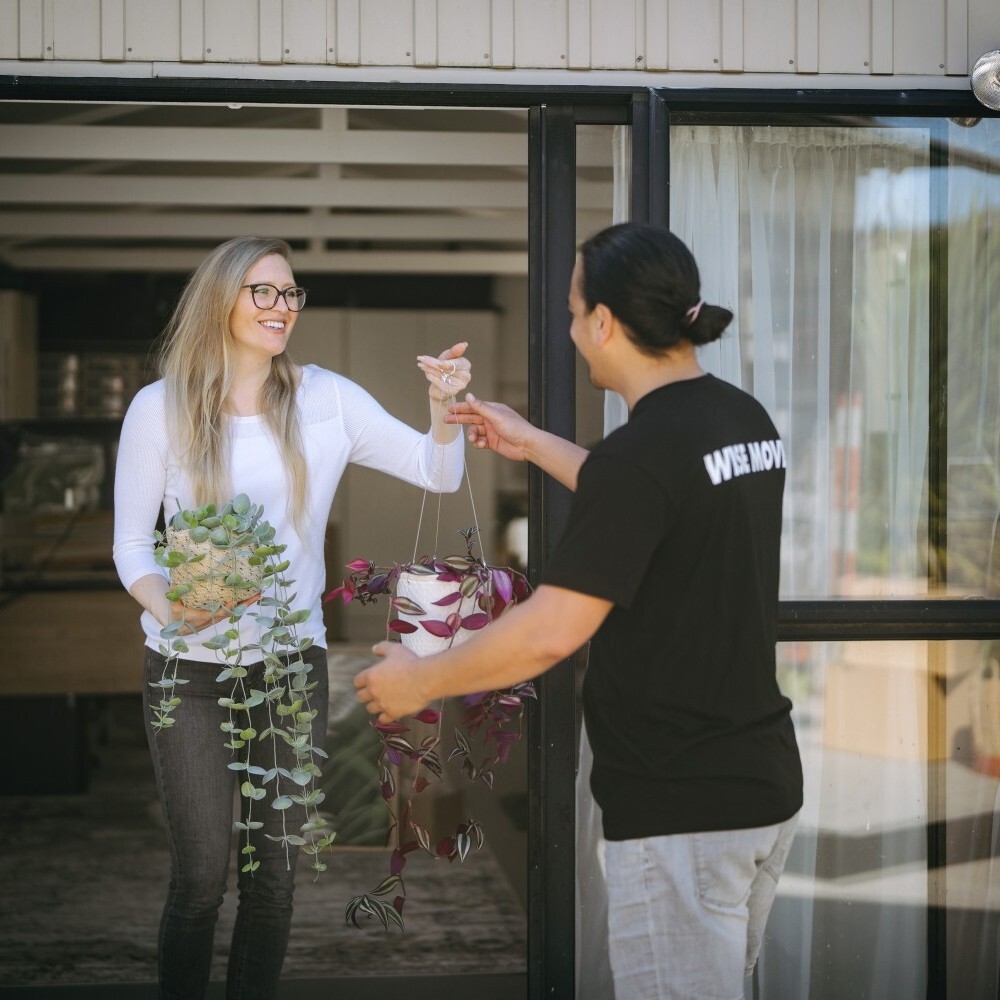
Proper packing and transport are crucial for ensuring the safety and well-being of your houseplants during a move. Carefully considering the packing materials and methods for different plant types will significantly reduce the risk of damage. The right approach will help maintain the plant’s health and ensure a smooth transition to its new home.Careful planning and the use of appropriate protective materials are vital for minimizing stress on your plants during the move.
This involves considering the fragility of different plant structures and choosing the most suitable packing method for each. Understanding the specific needs of each plant type will help prevent damage and ensure a successful relocation.
Packing Materials and Techniques
Careful selection and use of packing materials are essential for plant safety during transport. Bubble wrap, packing peanuts, and newspaper are common and effective choices. These materials offer varying levels of cushioning and protection against impacts.
- Bubble wrap provides excellent cushioning for delicate stems and leaves, preventing them from getting damaged during transit. Its air pockets effectively absorb shock.
- Packing peanuts are ideal for filling gaps and creating a protective layer around the plant, offering comprehensive protection against bumps and jostling during the move.
- Newspaper can be used as a supplementary layer for added protection, helping to prevent moisture buildup and further protecting the plant from external factors.
Securing Plants During Transit
Properly securing plants during transit is critical for preventing them from shifting or moving around inside the container. This reduces the risk of damage to the roots and stems. The method used should depend on the plant’s size and the type of container.
- For potted plants, use additional layers of packing materials like bubble wrap or packing peanuts around the pot. Ensure the plant is firmly positioned inside the container and that there is enough cushioning to prevent movement during transit.
- For larger plants, consider using sturdy boxes or containers with reinforced edges to prevent damage. Secure the plants with additional straps or tape to prevent them from shifting during the journey.
Considerations for Fragile Plants
Plants with fragile or delicate structures, such as ferns, orchids, and some flowering plants, require extra care during packing and transport. Their delicate nature makes them more susceptible to damage.
- Ferns, with their delicate fronds, are particularly vulnerable to damage. Ensure the packing materials are carefully placed to protect these fronds and prevent them from bending or breaking.
- Orchids, with their intricate structures, need extra care. Use a combination of packing peanuts and bubble wrap to protect the delicate roots and stems. Secure the plant carefully within the container to prevent movement during transit.
- Certain flowering plants, especially those with delicate petals, require extra attention. Use plenty of cushioning around the stems and flowers to prevent them from being crushed or damaged during transport.
Packing Method Comparison
The ideal packing method will depend on the plant type. A table below contrasts different packing methods for various types of plants.
| Plant Type | Packing Method | Explanation |
|---|---|---|
| Succulents | Potted succulents can be packed with a layer of newspaper or tissue paper around the pot, followed by bubble wrap or packing peanuts to prevent movement. | Succulents are relatively robust but can still suffer damage. |
| Ferns | Use a combination of bubble wrap and packing peanuts, carefully securing the plant within the pot. | Ferns are highly sensitive to damage and require extra care to protect their delicate fronds. |
| Flowering Plants | Carefully place the plant in a container. Use plenty of cushioning material around the stems and flowers to prevent damage. | Flowering plants can be fragile, depending on the type of flower. |
Unpacking and Settling In

Successfully relocating your houseplants involves more than just moving them from one location to another. The unpacking phase is critical for their well-being and long-term health. Proper handling and gradual reintroduction to the new environment are essential to minimize stress and ensure a smooth transition. Careful attention to details during this stage will significantly contribute to your plants’ successful acclimation.
Safe Unpacking Procedures
The initial unpacking should prioritize gentle handling. Carefully remove plants from their containers, being mindful of delicate roots and stems. Avoid rough handling, as this can damage the roots, leading to stress and inhibiting growth. Check the containers for any signs of damage or leakage that might affect the plants’ health. Ensure proper ventilation to prevent any potential mold or fungal issues.
Ideal Post-Unpacking Conditions
The ideal conditions for placing plants after unpacking will vary based on the specific plant species. However, a few general guidelines apply. Avoid placing plants directly in strong sunlight or drafts, as this can lead to shock and leaf damage. Ideally, find a location with indirect light, allowing the plants to adjust gradually to their new surroundings.
Maintaining a consistent temperature and humidity level is equally important for their well-being.
Gradual Acclimation
Plants need time to adjust to their new environment. Introduce them gradually to the new light and watering schedules. For example, a plant accustomed to bright, direct sunlight may need several days to adjust to a location with only indirect light. Overwatering or underwatering can be detrimental. Observe your plants closely, and adjust your care routines accordingly.
Monitoring Plant Response
Closely monitor your plants’ response to the new environment after moving. Observe for signs of stress, such as wilting, yellowing leaves, or stunted growth. If you notice any of these symptoms, you should take immediate action to address the issue. For example, if a plant shows signs of wilting, adjust the watering schedule to ensure adequate hydration.
If you notice pests or diseases, consult with a gardening professional or expert for advice.
Adjusting Watering and Light Schedules
Watering and light requirements can vary greatly between plant species. After the move, it is crucial to adjust watering and light schedules for each plant. Some plants thrive in bright, indirect light, while others prefer low-light conditions. Similarly, watering needs depend on factors such as soil type, pot size, and humidity levels. Therefore, it is crucial to observe your plants closely and adjust the care regimen accordingly.
Inspecting Plant Roots for Damage
Regularly check the roots of your plants after the move for any signs of damage. If you find any damaged or rotted roots, trim the affected areas using clean, sharp shears. Proper root inspection can prevent further complications. Healthy roots are essential for a plant to absorb nutrients and water efficiently. Gently examine the root system for signs of damage.
If you find any, trim them back with clean shears, ensuring the cut is precise.
Handling Specific Plant Types

Moving houseplants requires careful consideration of their individual needs. Different plant types react differently to the stress of relocation, demanding tailored packing and handling techniques. Understanding these nuances will significantly enhance the survival rate of your plants during the move.Succulents and cacti, known for their resilience, often require slightly different treatment than other types. Their thick, fleshy leaves and stems store water, making them less susceptible to wilting during transport.
However, their delicate root systems are vulnerable to damage, so careful handling and appropriate packing are crucial.
Specialized Packing Techniques
Understanding the unique needs of different plant types is crucial for successful relocation. The choice of packing materials and the specific techniques used will vary greatly based on the plant type. Proper packing minimizes stress and maximizes the chances of a smooth transition.
- Succulents and Cacti: These drought-tolerant plants are often best wrapped individually in layers of crumpled newspaper or bubble wrap. Adding a layer of oasis or sphagnum moss will provide additional support and moisture retention. Avoid overwatering during transit. The key is to prevent the plant from shifting within the container. Secure the wrapping with twine or packing tape.
- Vines: Vines, with their long, delicate stems, need careful support to prevent breakage. Gently wrap the vines with paper or cloth, ensuring they’re not twisted or compressed. Using a cardboard box lined with soft material will offer a protective environment. The container should be appropriately sized to avoid excess movement during transport.
- Flowering Plants: For flowering plants, protect the delicate blooms and stems by wrapping them individually in tissue paper or soft cloth. Carefully arrange them in the container, ensuring no blooms are touching or rubbing against each other. Place the container on its side to maintain the flower’s upright position during transit.
Moving Plants with Extensive Root Systems
Large plants with substantial root systems require extra attention. Root balls can be easily damaged, potentially leading to stress and difficulty establishing the plant in its new location.
- Root Protection: Protect the root ball with a layer of damp sphagnum moss or a moistened burlap wrap. This helps to retain moisture and prevent the roots from drying out. Enclosing the root ball in a container or box that prevents excessive movement during transport is critical.
- Transport: Transport plants with extensive root systems in containers large enough to comfortably accommodate the root ball. Avoid overcrowding. Use appropriate support material to prevent the container from shifting.
Moving Plants with Unusual or Fragile Needs
Some plants have unique requirements for successful relocation. For example, orchids, with their delicate aerial roots, need to be handled with extra care.
- Orchid Care: Orchids require careful handling to prevent damage to their aerial roots. Gently wrap the orchid in tissue paper or soft cloth, then place it in a container with sufficient ventilation. Ensure the container is not overly tight.
Sensitivity to Moving
The following table provides a comparison of different plant types and their sensitivity to moving, including recommended handling techniques.
| Plant Type | Sensitivity | Handling Techniques |
|---|---|---|
| Succulents/Cacti | Moderate | Wrap individually in newspaper or bubble wrap, secure with twine. |
| Vines | High | Wrap gently with paper or cloth; use cardboard boxes lined with soft material. |
| Flowering Plants | High | Wrap blooms and stems in tissue paper or soft cloth. Arrange carefully in container. |
| Large Plants with Extensive Root Systems | High | Protect root ball with damp sphagnum moss or burlap; use large containers. |
| Orchids | High | Gently wrap in tissue paper; provide ventilation in container. |
Environmental Considerations

Successfully relocating houseplants hinges significantly on understanding and addressing their environmental needs during the move. Maintaining consistent conditions, minimizing stress, and recognizing the impact of light and temperature changes are critical for plant survival and a smooth transition. Proper planning in this area directly translates to a higher chance of your plants thriving in their new home.Maintaining consistent environmental conditions during transport and settling is paramount for plant health.
Factors like temperature, humidity, and light exposure directly influence a plant’s physiological processes, impacting its ability to recover from the stress of relocation. Careful attention to these factors can significantly increase the likelihood of a successful move for your plants.
Maintaining Optimal Temperatures and Humidity
Maintaining stable temperatures is crucial during the move. Sudden temperature fluctuations can shock plants, leading to stress and potential damage. Ideally, keep plants in a climate-controlled environment, such as a cooler portion of a vehicle or a well-insulated box, during transport. For instance, if moving in hot weather, use insulated containers and packing materials to buffer against extreme temperatures.
Similarly, maintaining humidity levels close to those the plant is accustomed to can also mitigate stress. Using humidity domes or dampened paper towels around the roots can help. Remember that plants that thrive in high humidity environments will be more sensitive to sudden changes in humidity.
Light Exposure During Transport
Light exposure plays a vital role in plant health. A change in light intensity or duration can disrupt a plant’s natural rhythm, leading to stress. Avoid direct sunlight or excessively bright environments during transport. If possible, try to maintain the plant’s accustomed light conditions by placing it in a shaded area or using appropriate coverings to prevent stress.
Plants with higher light requirements should be transported in containers or boxes with openings to allow for ventilation and light filtering. For example, tropical plants that are used to bright, indirect sunlight will be more vulnerable to stress if moved into dim environments.
Common Mistakes to Avoid During Relocation
Improper handling and preparation can severely impact plant health. Avoiding these common mistakes will increase the chances of a successful transition:
- Overwatering or underwatering the plant before, during, or after the move. Properly hydrating the plants before the move is essential. This ensures they have the water reserves needed to endure the transition. Similarly, be mindful of watering after the move to avoid root rot.
- Insufficient packing material. Inadequate protection can cause damage to the plant’s roots and foliage. Use sturdy containers and plenty of cushioning material to prevent damage during transport.
- Leaving the plants in direct sunlight or extreme heat during transport. Direct sunlight and extreme temperatures can severely damage plants. Protecting plants from these factors during transit is crucial for their well-being.
- Failing to consider the plant’s specific needs before and during the move. Different plant types have different tolerances to changes in environment. Understanding these needs will allow for a more informed approach to plant relocation.
Impact of Stress and Mitigation Strategies
Stress, whether physical or environmental, can severely impact plant health. Stress manifests in various ways, from wilting and yellowing leaves to stunted growth. Stress during the relocation process can weaken the plant’s defenses, making it more susceptible to pests and diseases.To mitigate stress, take these measures:
- Prior to moving, gradually acclimate plants to changes in temperature and light. This gradual adjustment will help the plant adjust to its new environment and reduce the impact of shock.
- During the move, provide plants with a supportive environment. Proper packaging and transport are key in reducing physical stress. This could include utilizing well-padded containers and maintaining a stable temperature and humidity level.
- Minimize the duration of transport. The shorter the duration of transport, the less time the plants are subjected to stress.
- Provide a suitable environment for the plants after the move. After transport, maintain appropriate temperatures, light, and humidity. Gradually reintroducing the plants to their new environment is essential to prevent further stress.
Troubleshooting and Solutions
Moving houseplants can be stressful for them, leading to various issues. Understanding potential problems and their solutions is crucial for successful relocation and plant recovery. Early detection and appropriate action can minimize stress and maximize the chances of a smooth transition for your botanical companions.Post-move plant care requires proactive observation and swift action. Recognizing the signs of distress, whether related to environmental changes or handling during transport, allows for prompt intervention and prevents further harm.
A structured approach to troubleshooting ensures your plants have the best possible chance of thriving in their new home.
Common Plant Problems After Moving
Identifying the specific issues affecting your plants is the first step towards recovery. Factors like temperature fluctuations, changes in light exposure, and even the stress of the move itself can contribute to various problems. Careful observation of your plants is key to pinpointing the cause of the issue.
- Wilting: A common symptom, wilting often indicates a lack of water, but can also result from overwatering, temperature shock, or root damage during the move. Addressing the root cause is essential for restoration.
- Pest Infestations: Pests can hitch a ride during transport or thrive in the new environment. Early detection and appropriate treatment are crucial to preventing widespread infestations. Regular inspection and proactive pest control measures are recommended.
- Disease: Infectious diseases can be introduced during the move, or exacerbated by stress and unfavorable environmental conditions. Careful observation and immediate action are necessary to prevent the spread of the disease to other plants.
- Leaf Drop: Excessive leaf drop can signal a range of issues from overwatering or underwatering to temperature fluctuations or even nutrient deficiencies. Pinpointing the cause through observation and adjustment of care practices is crucial.
- Yellowing Leaves: This is another common indicator of distress. Factors such as nutrient deficiencies, improper watering, or environmental stress can all contribute to this symptom. Addressing the underlying cause is essential for recovery.
Restoring Plant Health After Relocation
Implementing appropriate solutions will help your plants recover from the stresses of the move. This involves addressing specific issues and creating an environment that supports their recovery.
- Watering: Adjust watering schedules to match the new environment’s conditions. Monitor the soil moisture regularly to ensure proper hydration without overwatering. Observe how quickly the soil dries out and adjust watering frequency accordingly.
- Light: Replenish the light exposure your plants need to thrive. If the new location has different light conditions, gradually adjust the plants to the new level to avoid shock.
- Temperature: Maintain a stable temperature range that aligns with your plants’ specific needs. Avoid drastic temperature changes, which can lead to stress and harm.
- Nutrients: If the plants show signs of nutrient deficiencies, introduce appropriate fertilizers. Follow the instructions provided by the manufacturer to prevent over-fertilization.
- Pest Control: If pests are found, implement appropriate control measures, such as insecticidal soap, neem oil, or other natural methods. Preventative measures are crucial to avoid future infestations.
Preventing Plant Damage During Transport and Settling In
Effective measures can mitigate the risk of damage during transport and settling in. Proper handling and gradual acclimation will greatly improve the chances of a successful move.
- Protective Packaging: Use suitable materials to protect plants from physical shock and damage during transport. Consider using bubble wrap, packing peanuts, or similar materials to cushion plants.
- Gradual Acclimation: Avoid sudden shifts in temperature, light, or humidity. Gradually acclimate your plants to the new environment to minimize stress.
- Proper Placement: Position plants in locations that align with their specific light and temperature requirements.
- Monitoring: Observe your plants closely for signs of stress or distress. This proactive approach enables swift responses to any problems.
Troubleshooting Table
| Plant Problem | Possible Causes | Solutions |
|---|---|---|
| Wilting | Underwatering, overwatering, root damage, temperature shock | Adjust watering schedule, ensure proper drainage, repot if needed, gradually acclimate to new temperature |
| Pest Infestation | Exposure to pests during transport, new environment conducive to pests | Isolate affected plants, use appropriate pest control measures, monitor for recurrence |
| Leaf Drop | Overwatering, underwatering, temperature fluctuations, nutrient deficiencies | Adjust watering, ensure proper drainage, provide adequate light, use appropriate fertilizer |
| Yellowing Leaves | Nutrient deficiencies, improper watering, environmental stress | Use appropriate fertilizer, adjust watering schedule, monitor light and temperature |
| Disease | Infectious disease transmission during transport, poor environmental conditions | Isolate affected plants, seek professional advice, improve environmental conditions |
Preventive Measures
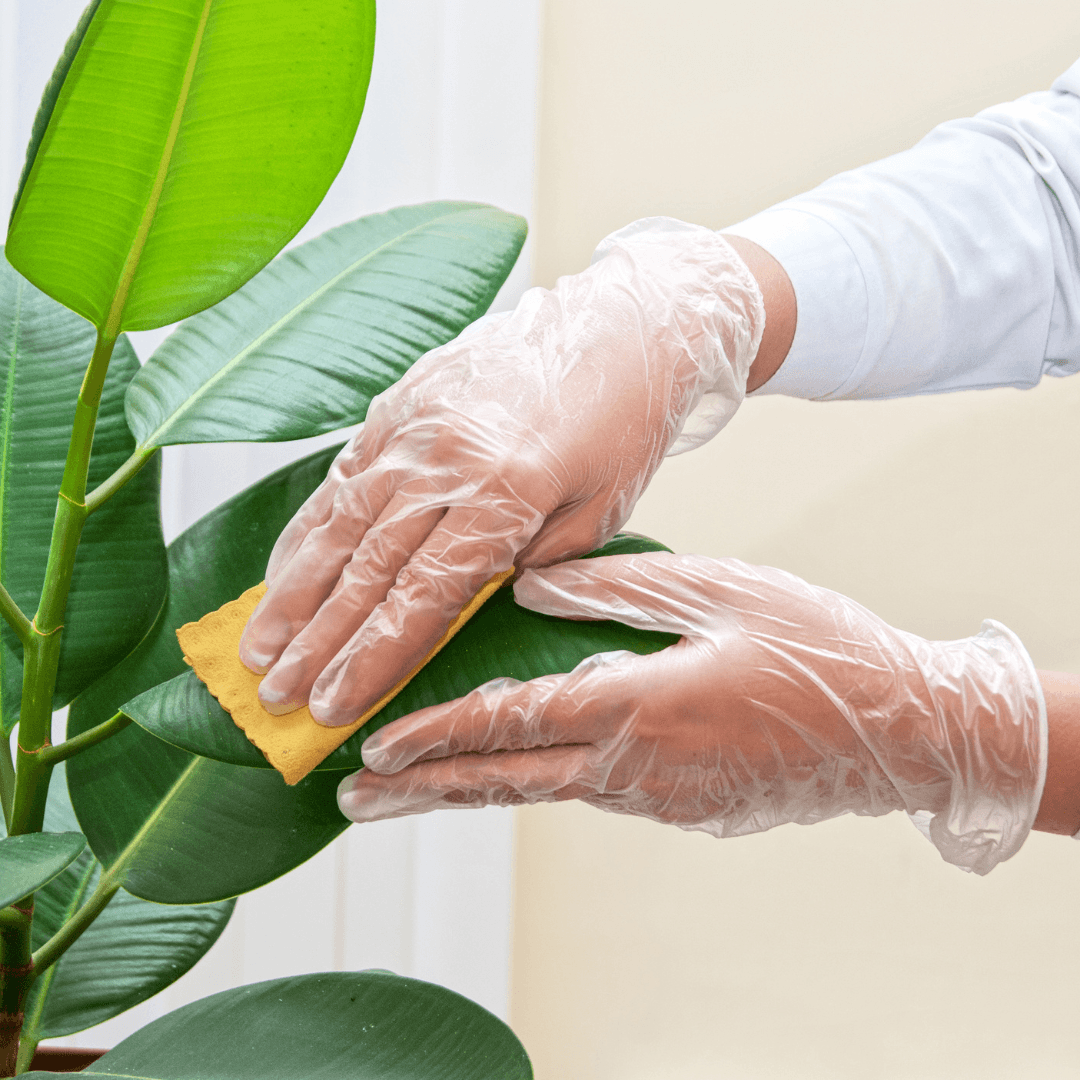
Moving houseplants can be stressful for them, but careful preparation can significantly reduce the risk of damage and ensure a smooth transition. Understanding the potential challenges and taking proactive steps is crucial for preserving your plants’ health. By implementing preventive measures, you can minimize the chances of encountering problems during the move and ensure a successful relocation.Careful planning and meticulous execution are paramount in mitigating potential plant stress during a house move.
This involves anticipating potential issues and taking steps to avoid them, ensuring the plants arrive at their new home in optimal condition.
Pre-Move Plant Preparation
Thorough preparation before the move reduces stress for plants and increases the likelihood of a successful relocation. Ensuring the plants are in the best possible condition prior to the move significantly minimizes the risk of damage or disease during transit and settling in. This involves careful attention to their individual needs.
- Watering Schedule Adjustment: Adjust watering schedules a few weeks before the move. This allows the plants to gradually adapt to a reduced water intake, which can help them withstand the stress of the move. For example, reduce watering frequency by a day or two each week leading up to the move. This prevents the soil from being overly saturated, reducing the risk of root rot.
- Potting Mix Assessment: Check the health of the potting mix. Repotting or replacing the potting mix a few weeks before the move can improve drainage and aeration, allowing the plants to better absorb nutrients and recover more quickly after the move.
- Inspect for Pests and Diseases: Conduct a thorough inspection for pests and diseases. Early detection and treatment are crucial for preventing further spread during the move. If any pests or diseases are found, treat them immediately and isolate the affected plants from healthy ones to prevent the spread.
- Pruning and Shaping: Trim any damaged or dead leaves or stems to improve the plant’s appearance and overall health. Pruning also reduces the risk of damage during transport. A well-maintained plant is better equipped to handle the stress of moving.
Plant Protection During Transport
Proper packaging and transport are critical to preventing damage during the move. The chosen method should safeguard the plants from shock and ensure their safe arrival.
- Secure Packaging: Carefully wrap each plant in a protective covering, such as bubble wrap or packing paper, to cushion them during transport. Use sturdy containers to protect plants from jostling during the move. Use materials that prevent damage to the plant from impacts or vibrations.
- Temperature Control: If moving plants during hot or cold weather, take steps to maintain a suitable temperature. Keep the plants in a cool, shaded area during transit to avoid extreme temperature fluctuations. If moving during exceptionally hot weather, provide extra shade and ventilation.
- Avoid Overcrowding: Ensure adequate space between plants during transport to prevent them from damaging each other. Avoid overcrowding the moving containers, as this can increase the risk of damage. Adequate spacing minimizes contact between plants, reducing the risk of damage.
Post-Move Settling-In
Proper post-move care is vital to help plants recover from the stress of relocation. This period is critical for their continued health and well-being.
- Observe and Adjust: Carefully monitor the plants’ condition after the move. Observe any signs of stress, such as wilting, discoloration, or new pest infestations. Adjust watering and care based on the plant’s observed condition. The first few weeks after the move are crucial to observe the plants’ response to their new environment.
- Provide Gradual Acclimatization: Allow the plants to gradually acclimatize to their new environment. Avoid placing them directly under harsh sunlight or sudden temperature changes after the move. This gradual adjustment minimizes the stress on the plants. For example, move the plants from a shaded area to a more sunny location gradually.
- Consistent Care: Maintain a consistent watering and feeding schedule to help the plants recover and adapt to their new surroundings. Consistent care is crucial for maintaining their health and recovery after the move.
Last Point
Successfully relocating houseplants requires a blend of meticulous planning, careful packing, and thoughtful post-move care. By following the comprehensive strategies Artikeld in this guide, you can confidently move your plants, minimizing stress and maximizing their chances of flourishing in their new home. Remember, a little extra care goes a long way in ensuring a happy and healthy transition for your beloved houseplants.