Neem oil, a natural pest control solution derived from the neem tree, offers a safe and effective alternative to harsh chemical pesticides. This guide delves into the safe and responsible use of neem oil, from understanding its properties and potential risks to mastering application techniques. Learn how to effectively combat pests while minimizing environmental impact and potential harm to beneficial insects.
This comprehensive guide provides a step-by-step approach to utilizing neem oil for various pest control needs. From preparing effective solutions to applying them correctly, this guide ensures you can control pests safely and effectively while minimizing any potential risks. The detailed information covers a wide range of pests and plants, and offers solutions to common problems that may arise during application.
Introduction to Neem Oil

Neem oil, derived from the seeds of the Azadirachta indica tree, is a natural pesticide and pest repellent. It’s a versatile substance with a long history of use in traditional medicine and agriculture. This natural product offers a viable alternative to synthetic pesticides, and its effectiveness against a range of pests has made it a popular choice for organic gardeners and farmers.The efficacy of neem oil stems from its active compounds, which disrupt various stages of a pest’s life cycle.
These natural components act as a deterrent, causing harm to the pest, or even directly killing them. This natural approach to pest control is becoming increasingly important as concerns about environmental impact and human health grow.
Active Compounds in Neem Oil
Neem oil’s pest-controlling properties are attributed to a complex mixture of active compounds. These include azadirachtin, nimbin, and salannin, which collectively impact various aspects of pest behavior and development. Azadirachtin is particularly potent, interfering with the insect’s growth and reproduction. The precise mechanisms by which these compounds affect pests are still being researched, but their combined effect is significant.
Forms of Neem Oil
Neem oil is available in various forms to suit different applications. The most common forms include:
- Liquid neem oil: This is a concentrated form, typically diluted with water before application. It’s widely used for foliar sprays and is often the preferred method for treating plants directly.
- Neem oil powder: This granular form is often mixed into soil or used as a soil drench. It’s particularly useful for treating soil-dwelling pests and for preventing future infestations.
- Neem oil granules: These are a convenient way to incorporate neem oil into irrigation systems or directly into soil. They provide a sustained release of the active compounds.
Historical Use of Neem Oil
Neem oil has a long history of use in traditional medicine and agriculture, particularly in South Asian countries. It’s been used for centuries to control pests and protect crops, demonstrating a long-standing understanding of its effectiveness. Farmers and communities in these regions have relied on neem for its natural pest control benefits for generations.
Pests Controlled by Neem Oil
Neem oil is effective against a wide range of pests, targeting various stages of their life cycle. Its effectiveness varies depending on the specific pest and the application method. Here are some examples of pests that neem oil can help control:
- Aphids: These sap-sucking insects can significantly damage plants. Neem oil can help control aphid populations by disrupting their feeding habits and hindering their reproduction.
- Whiteflies: Similar to aphids, whiteflies can also cause significant damage to plants. Neem oil’s contact and systemic action can help control these pests.
- Caterpillars: These chewing insects can defoliate plants quickly. Neem oil can deter their feeding and potentially lead to reduced populations.
- Spider mites: These microscopic pests can cause stippling or discoloration on leaves. Neem oil can effectively deter these mites from feeding.
- Scale insects: These pests attach to plant stems and leaves and suck the plant’s sap. Neem oil’s ability to disrupt their feeding and growth can help manage these infestations.
Safety Precautions for Neem Oil Use
Neem oil, a natural pest control agent, offers a promising alternative to synthetic pesticides. However, like any substance, it’s crucial to understand and adhere to safety precautions to minimize potential risks to human health and the environment. Proper handling, storage, and application techniques are vital for safe and effective use.
Potential Health Risks of Neem Oil Exposure
Neem oil, while generally considered safe, can pose health risks if not handled properly. Exposure to neem oil can cause skin irritation, allergic reactions, and eye problems in susceptible individuals. Ingestion of neem oil can lead to digestive upset. Prolonged or repeated exposure may lead to more severe health issues. Always prioritize protective measures when working with neem oil.
Consult with a healthcare professional if you experience any adverse effects following neem oil exposure.
Protective Equipment (PPE) for Neem Oil Handling
Appropriate protective equipment is essential when handling neem oil to minimize exposure. This includes wearing long sleeves, long pants, gloves (preferably nitrile or latex), and safety glasses or goggles. A respirator may be necessary in cases of high concentrations or when applying neem oil in enclosed spaces. Using these protective measures significantly reduces the risk of skin contact, eye irritation, and inhalation of neem oil vapors.
Safe Storage and Disposal of Neem Oil Products
Proper storage and disposal of neem oil products are crucial to prevent potential hazards. Store neem oil in tightly sealed, labeled containers in a cool, dry place away from direct sunlight. Keep containers out of reach of children and pets. Always follow the manufacturer’s instructions for proper storage and disposal. Neem oil should be disposed of according to local regulations.
This may involve proper waste disposal channels. Ensure to avoid contaminating water sources or soil with neem oil waste.
Potential Environmental Impacts of Neem Oil Use
Neem oil’s impact on the environment is generally considered low risk. However, overuse or improper application can have unintended consequences. Ensure that neem oil is used in accordance with the recommended dosage. Careful consideration should be given to the specific environment where the neem oil is applied. Avoid applying neem oil to water bodies or areas with sensitive ecosystems.
Always follow the manufacturer’s instructions for application rates and avoid contaminating the environment with excess neem oil.
Comparison of Neem Oil Application Methods
| Application Method | Safety Considerations | Environmental Impact |
|---|---|---|
| Spraying | Use appropriate PPE, such as gloves, eye protection, and a respirator. Apply in well-ventilated areas. Avoid spraying near water sources or sensitive ecosystems. | Potential for drift and contamination of non-target areas. Ensure proper application techniques to minimize drift. |
| Foliar Application | Use low pressure sprayers to minimize drift. Monitor the target area closely to observe effectiveness and to assess the reaction of the targeted organism. | Limited environmental impact if applied appropriately. Monitor the impact on non-target species and the overall ecosystem. |
| Soil Application | Apply neem oil to the soil according to manufacturer’s instructions. Ensure the soil is not excessively dry or wet. | Limited potential for environmental contamination, but ensure the soil is not saturated or waterlogged. Monitor for unintended effects on soil organisms. |
This table provides a general overview of the safety considerations and environmental impact associated with different neem oil application methods. Always consult the product label for specific instructions and safety precautions.
Preparing Neem Oil Solutions
Proper dilution of neem oil is crucial for effective pest control without harming beneficial insects or your plants. Accurately prepared solutions ensure optimal pest-killing efficacy while minimizing the risk of phytotoxicity. This section will detail the steps for creating effective neem oil solutions for various applications.Mixing neem oil with water is a straightforward process, but careful attention to ratios and application methods is essential.
Following the guidelines below will help you achieve the best results.
Dilution Ratios for Different Applications
A precise dilution ratio is essential for maximizing the effectiveness of neem oil while minimizing potential harm to plants. The concentration should be tailored to the specific application and the type of plant being treated.
- Foliar Spray: For treating pests directly on plant leaves, a general dilution ratio is 1-2 tablespoons of neem oil per gallon of water. This concentration typically provides good pest control without causing significant leaf burn. However, always start with a lower concentration (1 tablespoon per gallon) and observe the plant’s reaction for a few days before increasing the strength.
If using a stronger concentration, ensure proper ventilation and avoid application during peak sun hours to prevent potential leaf damage.
- Soil Drench: For soil-dwelling pests, a lower concentration is usually sufficient. Dilute 1 tablespoon of neem oil to 2-4 gallons of water. This method targets pests present in the soil and around the plant’s roots. The lower concentration is crucial to avoid damaging the beneficial soil organisms and root systems.
- Seed Treatment: To prevent pest infestations in seeds before planting, mix 1 tablespoon of neem oil with 1 gallon of water. Soak seeds in this solution for 30 minutes before planting to deter pests from attacking the developing seedling.
Ideal Ratios for Different Plant Types
Different plants react differently to neem oil. Understanding these differences is key to effective pest control. It’s recommended to start with a lower concentration and observe the plant’s response before increasing the strength.
- Sensitive Plants: For delicate plants like orchids or seedlings, use a lower concentration of neem oil, such as 1 tablespoon per 4 gallons of water. Monitor the plant closely for any signs of stress or damage.
- Hardy Plants: For more resilient plants like tomatoes or roses, a higher concentration may be used, but always start with a lower ratio (1 tablespoon per gallon) and gradually increase as needed, observing the plant’s response.
Mixing Neem Oil Solutions Safely
Safe mixing is critical to avoid damaging your plants. Proper preparation prevents issues.
- Clean Containers and Equipment: Use clean containers and equipment for mixing neem oil solutions. Contaminated equipment can introduce unwanted substances or pests. Thoroughly wash all containers and sprayers before and after use. This step is paramount to preventing the spread of pests or disease.
- Avoid Contact with Skin: Wear protective gloves and eyewear when handling neem oil solutions. Neem oil can irritate the skin and eyes. Follow the instructions on the neem oil product label carefully to minimize any potential risks.
- Mixing Procedure: Always add the neem oil to the water, never the other way around. This prevents the oil from separating. Stir the mixture thoroughly until the oil is fully dissolved. Allow the solution to stand for a few minutes to ensure complete mixing. This ensures even distribution of the neem oil throughout the solution.
Neem Oil Dilution Ratios Table
This table provides a guideline for different pest control situations and corresponding dilution ratios. Remember to start with the lower concentration and observe the plant’s response.
| Pest Control Situation | Neem Oil Dilution Ratio |
|---|---|
| Foliar Spray for general pests on various plants | 1-2 tablespoons per gallon of water |
| Soil Drench for soil-dwelling pests | 1 tablespoon per 2-4 gallons of water |
| Seed Treatment to prevent pest infestation | 1 tablespoon per gallon of water |
| Treating delicate plants (e.g., seedlings, orchids) | 1 tablespoon per 4 gallons of water |
Applying Neem Oil for Pest Control
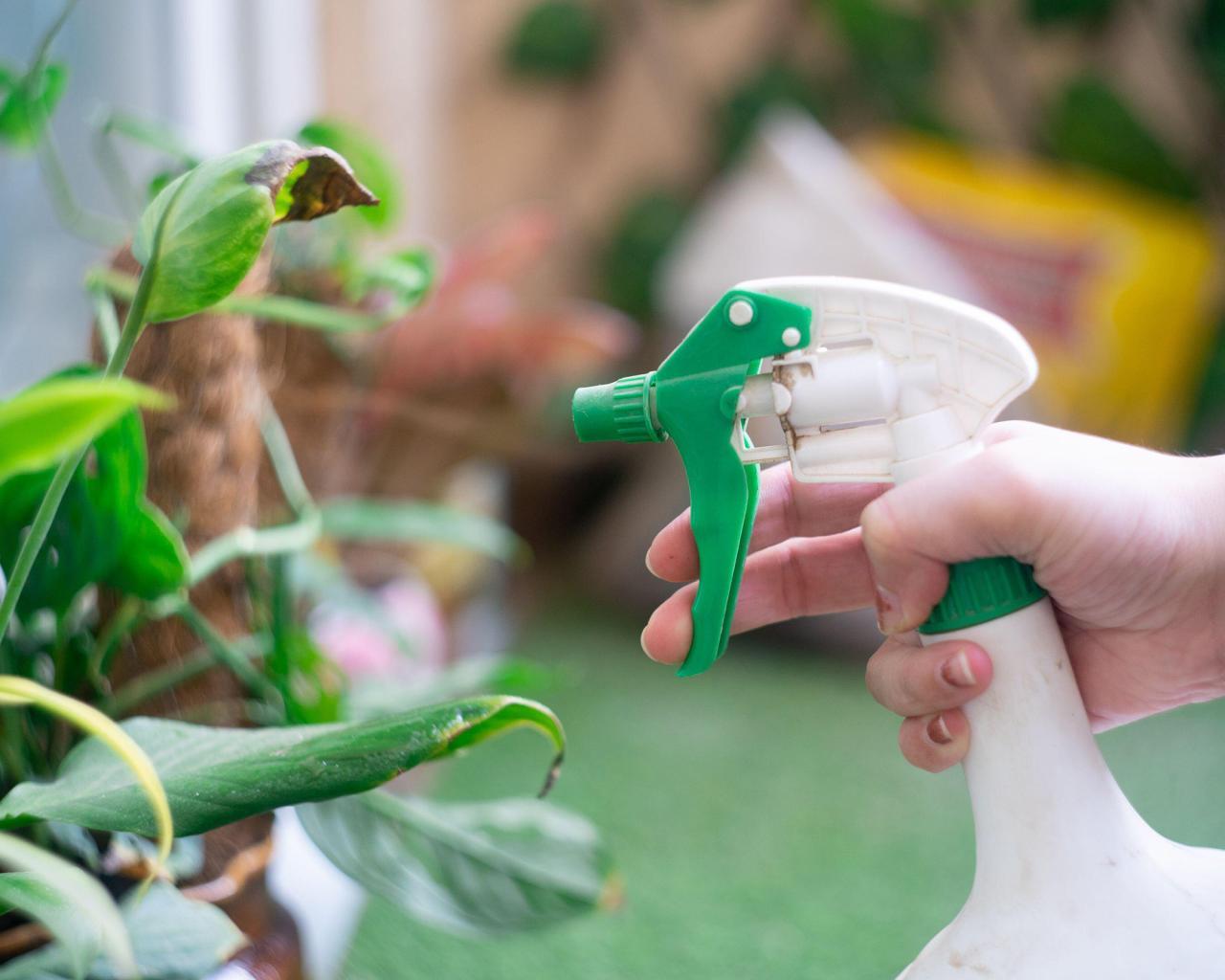
Effective pest control often relies on proper application methods for neem oil. This section details various application techniques, optimal conditions, and considerations for achieving successful results. Understanding these aspects ensures the product’s effectiveness and minimizes potential risks.
Methods of Application
Different pest control strategies require varied application methods. These techniques, ranging from spraying to drenching and dusting, optimize neem oil’s effectiveness.
- Spraying: This is a common method, ideal for broad-spectrum pest control on foliage. A fine spray ensures thorough coverage of leaves and stems, effectively targeting insects and preventing further infestations. For example, a garden sprayer equipped with a nozzle that produces a fine mist is a suitable tool for spraying neem oil on shrubs and trees.
- Drenching: This method is suitable for soil-dwelling pests. By applying neem oil directly to the soil around the plant’s base, the solution seeps into the soil and reaches the roots, potentially controlling pests feeding on roots or within the soil. This method is particularly effective for controlling pests that feed on the roots of plants, such as grubs and soil-borne insects.
- Dusting: A more localized approach, dusting is useful for targeting specific areas or plants with a high concentration of pests. Neem oil dust can be applied directly to affected areas, offering a targeted pest control method. This approach is often used for controlling pests on smaller plants or in localized areas where spraying is impractical or less effective.
Optimal Application Time and Weather Conditions
Choosing the right time and weather conditions is crucial for maximizing neem oil’s effectiveness and minimizing environmental impact.
- Time of Day: Applying neem oil during the cooler parts of the day, such as early morning or late evening, is generally recommended. This reduces the risk of the oil burning plant leaves due to high temperatures and intense sunlight. The reduced evaporation rate during cooler hours allows the solution to remain effective for a longer period.
- Weather Conditions: Apply neem oil on calm days to prevent the solution from drifting and ensure that it stays concentrated on the targeted plants. Avoid applying neem oil when rain is expected, as it will dilute the solution and reduce its effectiveness. Ideally, apply on a day with no strong winds.
Ensuring Thorough Coverage
Uniform coverage is critical for effective pest control. Addressing potential areas of uneven application and focusing on specific plant parts ensures that all target areas receive a sufficient dose of neem oil.
- Targeted Areas: Identify and focus on areas where pests are concentrated. Inspect leaves, stems, and soil for signs of pests. If pests are clustered on specific parts of the plant, ensure these areas receive thorough coverage during application. Applying neem oil to the underside of leaves, where pests may hide, can significantly improve effectiveness.
- Plant Type Considerations: The size and shape of the plant will influence the application method. For example, smaller plants may be better suited for dusting, while larger trees or shrubs will benefit from spraying. Consider the size and structure of the plant when determining the appropriate application method and coverage area.
Potential Application Issues and Solutions
Addressing potential issues proactively will enhance the efficacy of the application process.
- Uneven Coverage: Adjust the spray nozzle or application method to ensure even coverage across all targeted areas. Use a handheld sprayer for smaller plants or a pump sprayer for larger areas. Ensure that the sprayer is properly calibrated to deliver an even spray.
- Drift: Use a nozzle designed for minimizing drift and apply neem oil during calm weather conditions. Wind speeds should be low to prevent the solution from dispersing and impacting nearby plants or non-target areas. Adjusting the application time to cooler parts of the day can also help minimize drift.
Step-by-Step Procedure for Specific Plant Types
The following steps provide a generalized guide for applying neem oil. Adjust as necessary for specific plant types and pest issues.
| Plant Type | Application Method | Specific Instructions |
|---|---|---|
| Trees | Spraying | Focus on leaves, branches, and trunk, paying attention to areas with visible pest activity. Use a long-reach sprayer for better coverage. |
| Shrubs | Spraying or Drenching | Spray foliage thoroughly, ensuring both upper and lower leaf surfaces are coated. Drenching can be used for shrubs with soil-dwelling pests. |
| Vegetables | Spraying or Dusting | Focus on leaves and stems, paying particular attention to areas where pests congregate. Consider dusting for smaller vegetable plants. |
Neem Oil’s Effectiveness and Considerations
Neem oil, a natural pesticide derived from the neem tree, offers an environmentally friendly alternative to chemical pesticides. Its effectiveness against a variety of pests stems from its unique compounds, but it’s not a universal solution. Understanding its strengths and limitations is crucial for successful pest control.
Comparison to Other Pest Control Methods
Neem oil’s effectiveness varies depending on the pest and the specific application method. While it’s generally effective against soft-bodied insects like aphids and whiteflies, its impact on chewing insects like caterpillars might be less pronounced. Compared to broad-spectrum chemical pesticides, neem oil often demonstrates a more targeted approach, minimizing harm to beneficial insects and the environment. Biological control methods, like introducing natural predators, can also be highly effective but might require a longer time frame for noticeable results.
Persistence of Neem Oil’s Effect
Neem oil’s insecticidal properties are not immediately long-lasting. Its impact on pests is typically short-lived, requiring repeated applications to maintain effectiveness. This persistence depends on factors like environmental conditions (temperature, humidity) and the type of pest being targeted. For instance, a spray on a hot, dry day might dissipate more quickly than one on a humid day.
Situations Where Neem Oil May Not Be Effective
Neem oil’s efficacy can be compromised in specific situations. Resistant pests, those that have developed tolerance to the active compounds in neem oil, will not be effectively controlled. Furthermore, some plant types might be sensitive to neem oil, leading to potential damage if not used carefully. Proper dilution and application technique are critical to avoiding phytotoxicity (plant damage).
For example, certain delicate flowers or seedlings may be more susceptible to damage from neem oil than robust, mature plants.
Potential for Pest Resistance
While neem oil is generally considered a relatively safe and sustainable pest control method, the possibility of pest resistance over time exists. Repeated use of neem oil on the same pest population can potentially lead to adaptation. This adaptation could reduce the effectiveness of future neem oil applications. This is a common phenomenon in pest management, with both natural and synthetic pesticides facing this potential.
Regular rotation with other control methods can help mitigate this risk.
Neem Oil vs. Chemical Pesticides: A Comparison
| Characteristic | Neem Oil | Chemical Pesticides |
|---|---|---|
| Environmental Impact | Generally considered environmentally friendly, posing minimal risk to beneficial insects and wildlife. | Potentially harmful to beneficial insects, wildlife, and the environment. Can lead to soil and water contamination. |
| Target Specificity | Relatively targeted approach, affecting primarily the target pest. | Broad-spectrum action, potentially harming non-target organisms. |
| Persistence | Short-lived effects, requiring repeated applications. | Often longer-lasting effects, requiring fewer applications. |
| Pest Resistance | Possibility of pest resistance over time with repeated use. | Greater potential for rapid pest resistance due to strong selection pressures. |
| Cost | Potentially lower initial cost compared to chemical pesticides, but repeated applications can increase costs over time. | Often higher initial cost, but can have lower long-term costs depending on application frequency. |
| Safety | Generally considered safe for human health and the environment when used appropriately. | Can pose health risks to applicators and consumers if not used carefully. May lead to environmental contamination. |
Neem Oil for Specific Pests and Plants
Neem oil’s effectiveness against various pests makes it a valuable tool in integrated pest management strategies. Understanding how to apply neem oil effectively for different pests and plant types is crucial for optimal results. Careful consideration of plant growth stages and pest behaviors will enhance the success of neem oil applications.
Targeting Specific Pests
Neem oil’s insecticidal properties target a wide range of insects. Aphids, spider mites, and whiteflies are commonly controlled using neem oil. The active compounds in neem oil disrupt the pests’ feeding and reproductive cycles, leading to population decline. For effective control, consistent application is essential, especially during peak pest activity periods.
Application Methods for Different Plant Types
The application method varies based on the type of plant. For vegetables, a fine mist spray is recommended, ensuring thorough coverage of leaves and stems. Fruits benefit from similar application techniques, but extra attention should be given to areas where fruits develop to minimize direct contact. Ornamental plants, including flowers and shrubs, respond well to a gentle spray, ensuring the entire foliage is treated.
Addressing Pests in Different Plant Growth Stages
The effectiveness of neem oil can vary depending on the plant’s growth stage. For young seedlings, a diluted neem oil solution is recommended to avoid harming the delicate growth. Mature plants, in contrast, can generally tolerate a slightly stronger solution. During periods of active pest infestations, consistent applications are vital.
Specific Strategies for Troublesome Pests
Certain pests pose particular challenges for specific plants. For instance, aphids on leafy greens can be effectively controlled with frequent neem oil applications. Spider mites on certain ornamentals might require a combination of neem oil and other control measures. Consulting local agricultural extension offices or gardening experts can provide specific recommendations for challenging pest situations.
Neem Oil Effectiveness Summary
| Plant Type | Pest | Neem Oil Effectiveness |
|---|---|---|
| Vegetables (e.g., tomatoes, peppers) | Aphids | High |
| Vegetables (e.g., lettuce, spinach) | Spider mites | Moderate to High |
| Fruits (e.g., apples, berries) | Aphids | High |
| Ornamentals (e.g., roses, azaleas) | Spider mites | Moderate to High |
| Ornamentals (e.g., hibiscus, jasmine) | Whiteflies | High |
Note: Effectiveness can vary based on pest populations, environmental conditions, and application methods. Regular monitoring and adjusting application strategies are crucial for optimal control.
Neem Oil and Beneficial Insects
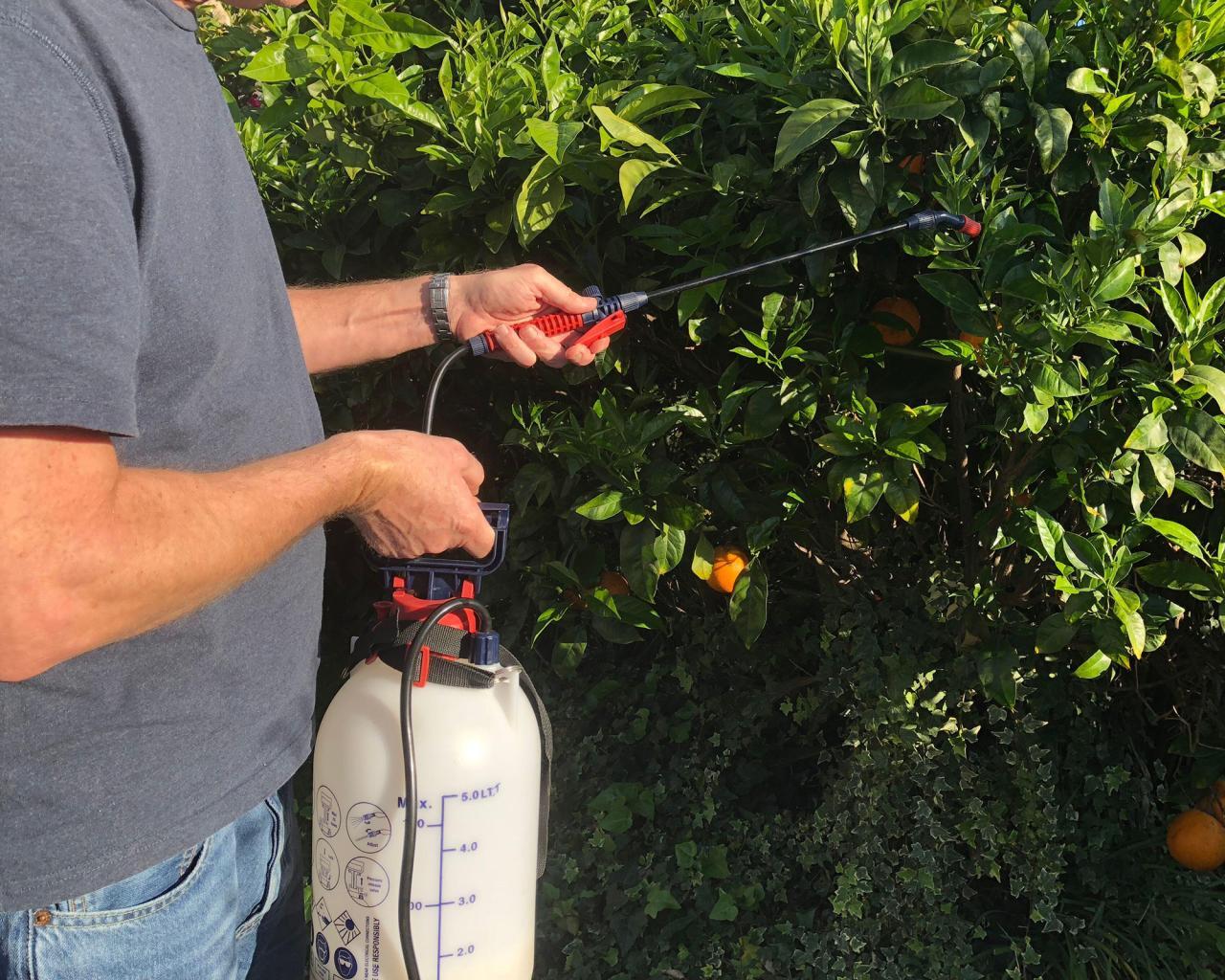
Neem oil, while effective against many pests, can also impact beneficial insects. Understanding this potential impact is crucial for responsible use and maximizing the overall health of your garden or agricultural system. A careful approach to application and timing can minimize harm to these important creatures.Careful consideration of the potential effects on beneficial insects is essential when using neem oil.
The presence of these beneficial insects often indicates a healthy ecosystem, and their presence can impact the overall success of your pest control efforts.
Potential Impact on Beneficial Insects
Neem oil can affect beneficial insects, including pollinators like bees, butterflies, and hoverflies, and predatory insects that control pest populations. These insects can be harmed by direct contact with neem oil, particularly at high concentrations or when applied during periods of high activity. The degree of impact depends on factors such as the concentration of the neem oil solution, the duration of exposure, and the specific insect species.
Minimizing Harm to Beneficial Insects During Application
Minimizing harm to beneficial insects during application requires careful consideration. A key aspect is reducing the concentration of neem oil in the solution. Applying the solution during cooler parts of the day, when insect activity is lower, also minimizes the risk of exposure. Using a spray nozzle that produces a fine mist, rather than a strong spray, can help prevent the oil from contacting beneficial insects.
Importance of Timing Applications to Avoid Harming Beneficial Insects
Timing neem oil applications is critical to minimize harm to beneficial insects. Observe the activity of beneficial insects in your garden. Avoid applying neem oil during peak activity times, such as midday when many pollinators are active. Apply neem oil in the early morning or late evening when insect activity is lower.
Different Methods of Application for Minimizing Harm to Beneficial Insects
Various application methods can help reduce the impact on beneficial insects. A targeted application method, focusing on the pests rather than spraying broadly, minimizes the exposure of beneficial insects. Using a barrier spray, which is a localized treatment, rather than a systemic spray that coats the entire plant, can be helpful. Using a nozzle that produces a fine mist, rather than a strong spray, also reduces the risk of direct contact.
Example of a Schedule for Neem Oil Applications Considering Beneficial Insects
A schedule that considers beneficial insects might include the following:
- Early Morning/Late Evening Applications: Applying neem oil during early morning or late evening hours when insect activity is lower minimizes exposure to beneficial insects.
- Reduced Concentration: Using a lower concentration of neem oil solution reduces the risk of harming beneficial insects.
- Targeted Application: Focus application on specific areas where pests are concentrated, avoiding unnecessary broad spraying.
- Regular Monitoring: Regularly observe beneficial insect populations before, during, and after neem oil applications. If significant declines are observed, reduce or adjust the application schedule.
This example schedule is a general guideline. Adjust the schedule based on the specific needs of your garden, the types of pests present, and the observed behavior of beneficial insects. It’s always best to consult with local agricultural experts or pest control professionals for tailored advice.
Troubleshooting Neem Oil Applications
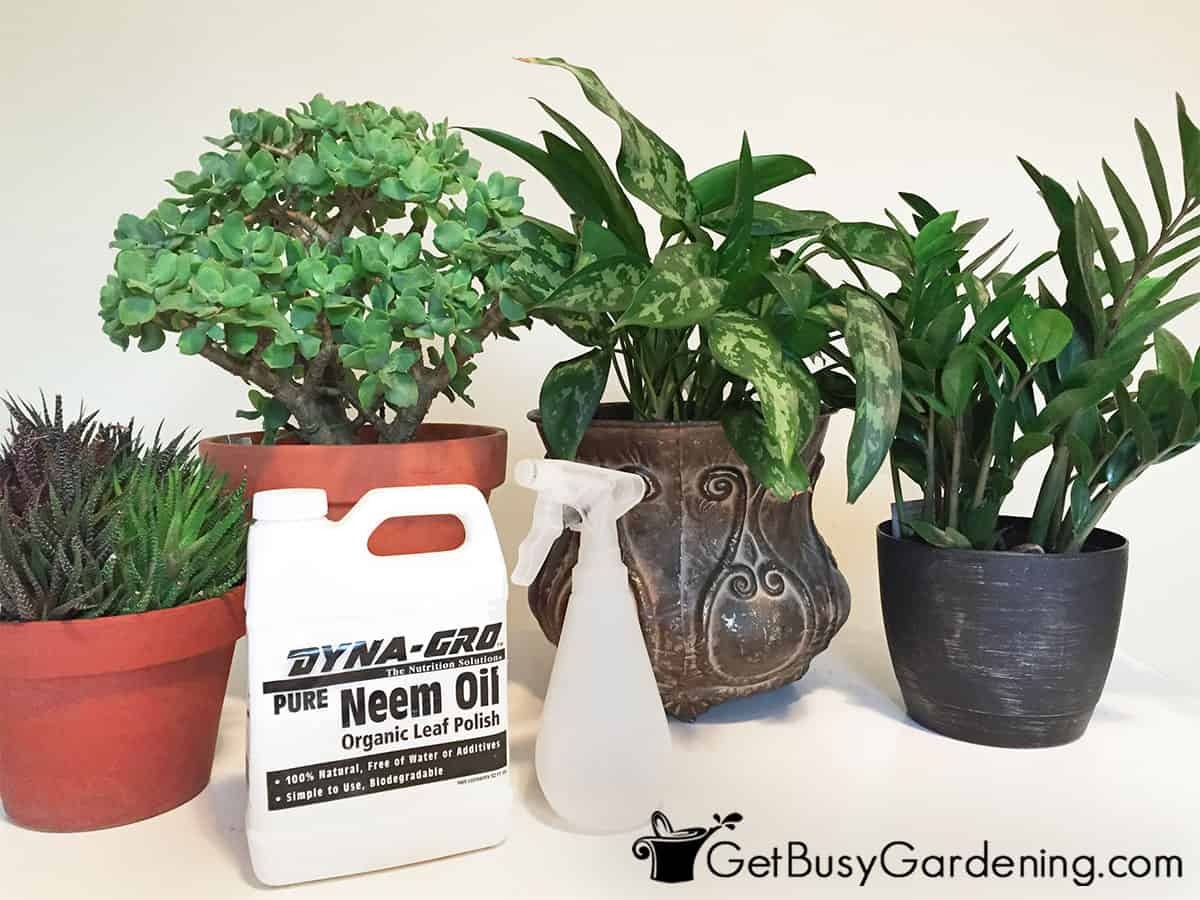
Neem oil is a valuable tool for pest control, but like any pesticide, its application requires careful attention to detail. Understanding potential problems and their solutions is crucial for effective and safe use. This section details common issues and provides practical troubleshooting steps.
Common Problems and Solutions
A thorough understanding of potential problems is vital for effective pest control. Inconsistencies in application or environmental factors can sometimes lead to unexpected outcomes.
Proper application techniques and environmental conditions significantly impact neem oil’s effectiveness.
- Plant Damage: Neem oil, while generally safe, can cause damage if applied incorrectly or in excessive concentrations. Symptoms include leaf discoloration, wilting, or burning. Troubleshooting involves reducing the concentration of the neem oil solution, ensuring proper mixing, and avoiding direct contact with sensitive plant parts. Test the solution on a small, inconspicuous area of the plant first before applying it to the entire plant.
- Pest Resurgence: In some cases, pests may exhibit resistance or resurgence after neem oil application. This can be due to factors like improper application timing, inadequate dosage, or pest adaptation. Reassess the application strategy. Consider increasing the concentration of the neem oil solution, or try alternating with another pest control method. Proper identification of the pest and understanding its life cycle can help tailor the treatment strategy.
- Ineffective Pest Control: If pests persist despite neem oil application, review the application method. Factors like insufficient coverage, improper timing (e.g., applying during periods of high humidity), or the presence of protective coverings on the pests can hinder the effectiveness of neem oil. Ensure complete coverage of the target area, and consider applying in the early morning or evening to avoid the harsh midday sun.
Adjust the concentration or frequency of applications if needed.
- Unintended Effects on Beneficial Insects: Neem oil can harm beneficial insects like pollinators if not used carefully. Ensure the solution is diluted properly and applied only to the target pests. Apply the neem oil solution during periods of low activity for beneficial insects. Use a spray nozzle that produces a fine mist to minimize drift and impact on non-target insects.
Observe the area for any signs of harm to beneficial insects and adjust the application if needed.
Handling Accidental Spills and Misuse
Accidents happen. Knowing how to handle spills and misuse is essential for personal safety and environmental protection.
- Accidental Spills: Neem oil spills should be cleaned up immediately. Dilute the spill with water and absorb with paper towels or other absorbent materials. For larger spills, contact local environmental authorities for guidance on appropriate cleanup procedures. Proper disposal of contaminated materials is critical.
- Misuse of Neem Oil Products: If neem oil is misused, causing unintended consequences, assess the situation and take corrective actions. If possible, rinse the affected plants with water. Consult with a local agricultural expert or pest control specialist for specific advice on dealing with the misuse. Record the circumstances of the misuse for future reference and to avoid similar occurrences.
Importance of Consulting Resources
Identifying the precise cause of a problem and choosing the most effective solution requires careful consideration. Consulting appropriate resources is essential for specific situations.
- Specific Plant Needs: Different plant species react differently to neem oil. Always consult resources such as plant guides, agricultural extension services, or local experts for tailored recommendations. Thorough research before application is crucial to ensure plant safety and pest control effectiveness.
- Local Conditions: Environmental factors like temperature, humidity, and rainfall can affect neem oil’s effectiveness. Consult local agricultural specialists or experts to understand the best application practices for your region. Tailoring application strategies to specific conditions will maximize outcomes.
Troubleshooting Guide
This guide provides a concise overview of common neem oil application problems and their solutions.
Accurate identification of the issue is the first step to effective problem resolution.
| Problem | Solution |
|---|---|
| Plant damage (leaf discoloration, wilting) | Reduce neem oil concentration, ensure proper mixing, and test on a small area before full application. |
| Pest resurgence | Reassess application strategy, increase concentration, or alternate with other pest control methods. |
| Ineffective pest control | Ensure complete coverage, consider application timing, and adjust concentration or frequency. |
| Unintended effects on beneficial insects | Ensure proper dilution, apply during low insect activity, and use a fine mist nozzle. |
Further Resources for Neem Oil
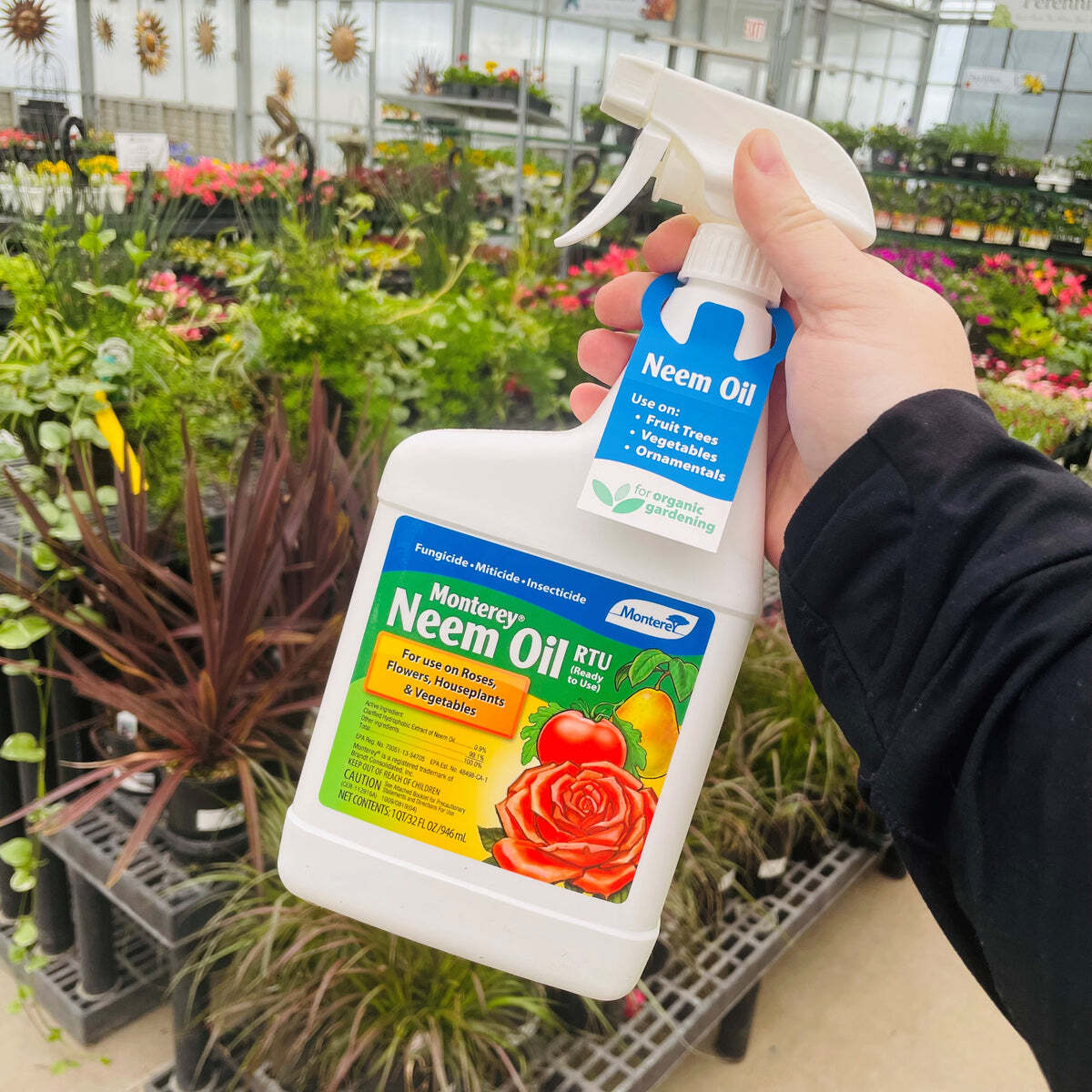
Expanding your knowledge about neem oil’s pest control applications can significantly enhance your effectiveness and safety. This section provides avenues for accessing expert advice, scientific research, and practical guidance from reputable sources.
Reputable Websites and Organizations
Numerous websites and organizations offer valuable information on neem oil. These resources can provide detailed information on safe application techniques, specific pest control strategies, and potential interactions with beneficial insects. Consulting these platforms can broaden your understanding and empower you to make informed decisions.
- The National Pesticide Information Center (NPIC): This resource provides comprehensive information on pesticide safety, including details on neem oil usage, potential hazards, and application guidelines. They also offer assistance to address any concerns or questions you may have regarding pesticide use.
- The United States Department of Agriculture (USDA): The USDA offers extensive agricultural resources, including information on various pest control methods, including the use of neem oil. Their website often features research findings and practical advice from agricultural experts.
- The Organic Materials Review Institute (OMRI): This organization certifies organic products, including neem oil formulations. Consulting their website can ensure you are using a product compliant with organic farming practices.
- Purdue University Extension: This agricultural extension service provides valuable information tailored to specific regional needs and conditions. Their site frequently updates on research and best practices regarding pest control.
Contacting Experts and Specialists
Connecting with experts can provide tailored advice on neem oil applications. Reaching out to local agricultural extension offices or university agricultural specialists can yield valuable insights specific to your region and the types of pests you are facing.
- Agricultural Extension Offices: These offices are excellent resources for practical advice on agricultural practices, including pest control using neem oil. They often have local experts who can answer questions about specific pests, plant types, and optimal application methods.
- University Agricultural Specialists: University agricultural specialists often conduct research on various agricultural practices, including the use of neem oil. Contacting them can provide access to the latest research findings and practical application guidance.
Finding Scientific Research
Accessing scientific research can validate information and deepen your understanding of neem oil’s effectiveness. Numerous databases and search engines can facilitate your research.
- Online Research Databases: Academic databases such as PubMed, JSTOR, and ScienceDirect offer access to peer-reviewed scientific literature on neem oil and its applications. These databases allow you to filter search results based on specific parameters, such as geographic location or crop type.
- Search Engines: Utilizing search engines like Google Scholar can provide access to relevant research articles and publications. Combining specific s with search terms like “neem oil,” “pest control,” and “plant species” will yield more focused results.
Importance of Local Agricultural Extension Services
Local agricultural extension services are indispensable for pest control solutions tailored to specific regional conditions. They provide valuable practical advice on how to use neem oil effectively in your area.
- Region-Specific Knowledge: Local extension offices have detailed knowledge of local pest populations, crop varieties, and environmental conditions. This localized expertise ensures practical application of neem oil recommendations.
- Practical Guidance: Extension services often offer workshops, demonstrations, and consultations to provide hands-on experience with pest control methods, including neem oil applications.
Proper Citation of Resources
Properly citing your sources is crucial for academic integrity and allows others to follow up on your research. Adhering to established citation styles, such as MLA or APA, ensures accurate and complete attribution of information.
- Citation Styles: Follow the guidelines of your specific academic or professional setting. The guidelines define the format for citing websites, research articles, books, and other sources.
- Accuracy and Completeness: Accurate citation includes all relevant information, such as author names, publication dates, and URLs for online sources.
Summary
In conclusion, this guide provides a thorough understanding of neem oil’s potential as a natural pest control method. By following the safety precautions, preparation methods, and application techniques Artikeld, you can effectively manage pests while minimizing harm to the environment and beneficial insects. Remember to always prioritize safety and consult additional resources when necessary for specific situations.