Houseplants, vibrant additions to any home, often face challenges in maintaining their lush, healthy growth. This guide delves into the multifaceted reasons behind slow growth in houseplants, equipping you with the knowledge and tools to nurture your indoor greenery. From environmental factors to nutritional needs and pest control, we’ll explore a comprehensive approach to revitalizing your plants.
Understanding the intricacies of light, water, nutrients, and even temperature can dramatically impact a plant’s well-being. This comprehensive guide provides a detailed roadmap, ensuring you’re well-equipped to diagnose and address any growth issues.
Identifying the Problem
Understanding the reasons behind your houseplant’s slow growth is crucial for effective troubleshooting. Identifying the root cause allows for targeted interventions, ensuring the plant receives the specific care it needs to thrive. A thorough assessment considers environmental factors, nutritional needs, and potential pest issues.
Environmental Factors Affecting Growth
Environmental conditions play a significant role in a houseplant’s health and growth rate. Consistent monitoring and adjustments to these factors can greatly improve the plant’s well-being. Light, water, temperature, and humidity all contribute to a plant’s overall health and development.
- Light: Insufficient or excessive light can hinder growth. Plants require specific light levels for optimal photosynthesis. Overly bright light can scorch leaves, while insufficient light can lead to pale or elongated stems. Different plant species have varying light requirements, and proper identification of the plant’s needs is essential.
- Water: Overwatering or underwatering can severely impact a plant’s health. Overwatering leads to root rot, while underwatering causes wilting and stunted growth. The frequency and amount of watering depend on the plant species, pot size, and environmental conditions.
- Temperature: Extremes in temperature can stress plants and slow their growth. Plants thrive within specific temperature ranges. Sudden temperature fluctuations or exposure to drafts can cause damage and slow growth.
- Humidity: Low humidity levels can cause leaves to dry out and become brittle. Plants originating from humid environments require higher humidity levels to thrive. Using a humidifier or placing the plant near a water source can help maintain appropriate humidity.
Nutritional Deficiencies
Nutritional deficiencies can manifest as slow growth or stunted development. Plants require specific nutrients for healthy growth. Understanding the signs of these deficiencies is essential for providing the necessary supplements.
- Nutrient Deficiencies: Lack of essential nutrients like nitrogen, phosphorus, or potassium can hinder growth. Identifying the specific nutrient deficiency is often challenging and requires careful observation of the plant’s appearance and symptoms.
- Signs of Deficiencies: Symptoms like pale or yellowing leaves, stunted growth, and reduced flowering or fruiting can indicate nutritional imbalances. The specific nutrient deficiency will determine the appropriate remedial action.
Pest Infestations
Pest infestations can hinder growth and cause other issues. Recognizing the signs of pest infestations is critical for prompt treatment.
- Pest Infestations: Insects, mites, and other pests can feed on plant tissues, hindering growth and causing various symptoms. Common pests include aphids, spider mites, and mealybugs.
- Signs of Infestation: Symptoms include leaf distortion, discoloration, sticky residue, or the presence of visible insects. Pest infestations require prompt identification and treatment to prevent further damage.
Differentiating Environmental Issues from Other Problems
Careful observation of the plant’s overall appearance is essential in determining the root cause of slow growth.
- Environmental Issues: Environmental problems usually affect the entire plant or a significant portion. For example, if a plant is exposed to insufficient light, the entire plant will likely show signs of slow growth, pale leaves, and stretched stems.
- Nutritional Deficiencies: Nutritional deficiencies often manifest as specific symptoms on certain leaves or parts of the plant. For instance, nitrogen deficiency might initially show on older leaves.
- Pest Infestations: Pest infestations usually present as specific damage or the presence of pests. For example, spider mites might create webbing on leaves.
Observing Plant Appearance
Paying attention to the plant’s overall appearance, including leaf color, texture, and growth patterns, can provide valuable clues. The symptoms exhibited can help pinpoint the cause of slow growth.
- Leaf Color: Pale, yellow, or brown leaves may indicate insufficient light, nutrient deficiencies, or pest infestations. The distribution of the discoloration can help narrow down the cause.
- Leaf Texture: Brittle or dry leaves might point to underwatering or low humidity. Soft, mushy leaves could suggest overwatering or root rot.
- Growth Patterns: Stunted growth, slow stem elongation, or abnormal leaf spacing could be indicative of environmental problems, nutritional deficiencies, or pest infestations.
Symptom-Cause Table
| Symptom | Potential Cause |
|---|---|
| Pale leaves | Insufficient light or nutrients |
| Drooping leaves | Overwatering or underwatering |
| Yellowing leaves | Nutrient deficiency or pest infestation |
| Brittle leaves | Underwatering, low humidity, or pest infestation |
| Stunted growth | Insufficient light, nutrient deficiencies, or pest infestations |
Assessing Light Conditions
Proper light exposure is crucial for the health and growth of indoor plants. Insufficient or inappropriate light can lead to stunted growth, discoloration, and ultimately, plant death. Understanding the light requirements of different plant species and adapting your home environment to meet those needs is key to thriving houseplants.Light conditions within a home can vary significantly, from the bright, sunny windows of a south-facing room to the dimly lit corners of a north-facing room.
Different types of indoor lighting, both natural and artificial, provide varying intensities and qualities of light, impacting plant growth. This section details various light sources and their suitability for different plant species, helping you evaluate your existing light conditions and adjust them for optimal growth.
Light Source Suitability
Different indoor plants have varying light needs. Understanding these needs is essential for maintaining their health and promoting vigorous growth. Some plants thrive in bright, indirect sunlight, while others prefer low-light conditions. Matching the light source to the plant’s requirements is vital.
Light Source Comparison
This table provides a comparison of different light sources, their intensity levels, and suitable plant examples. This tool can be used to assess the light conditions in your home and select appropriate plants for those areas.
| Light Source | Intensity | Suitable Plants |
|---|---|---|
| Fluorescent | Low | Pothos, ZZ Plant, Snake Plant, Cast Iron Plant |
| LED Grow Light | Adjustable | Many varieties, including seedlings, orchids, succulents, and leafy greens. The intensity can be adjusted to meet the specific needs of the plant. |
| Natural Sunlight | Variable (depending on window placement and time of day) | Many varieties, but intensity and duration must be considered based on the specific plant’s needs. A south-facing window receives more intense light than a north-facing window. |
Adjusting Light Exposure
Adjusting light exposure can significantly impact plant growth. If a plant isn’t receiving enough light, you might need to move it closer to a window or use a grow light. Conversely, if a plant is receiving too much light, moving it to a shadier location or using sheer curtains can help. Experimentation is often necessary to find the optimal light conditions for each plant.
Photoperiodism
Photoperiodism is the response of plants to the changing lengths of day and night. This natural phenomenon influences flowering, growth, and other plant processes. Different plants have specific photoperiod requirements. For example, some plants need long days to flower, while others require short days. Understanding photoperiodism can help you select plants that will thrive in your specific location and manage their growth cycle effectively.
Managing Watering Practices
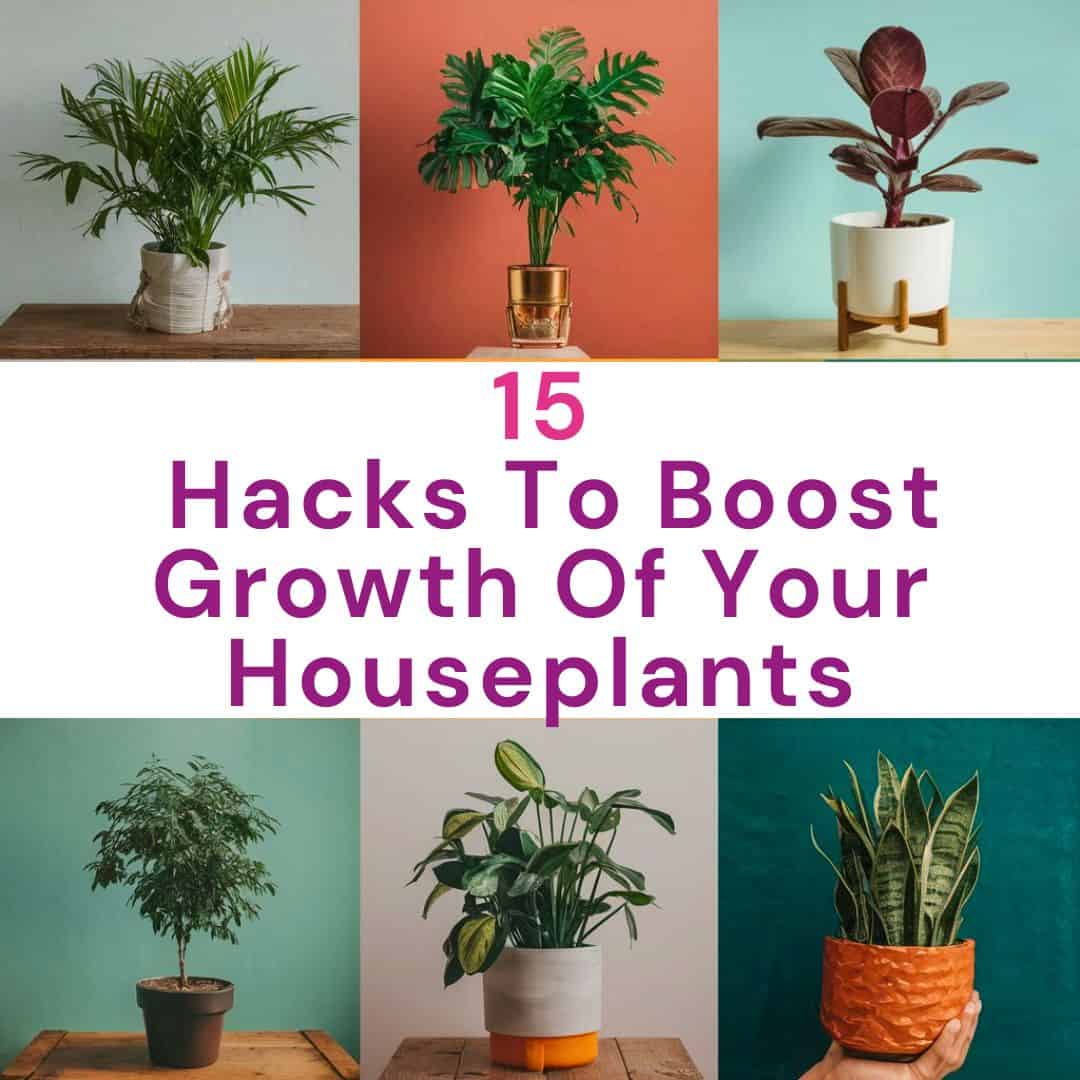
Proper watering is crucial for maintaining healthy houseplants. Irregular or inadequate watering can lead to a variety of problems, including wilting, root rot, and stunted growth. Understanding how and when to water your plants is key to fostering their thriving environment.Watering frequency and technique are essential for promoting healthy growth and preventing common issues. Plants with different needs will require different approaches, and recognizing these needs is vital for success.
The following sections will explore the importance of appropriate watering practices and provide practical methods for achieving optimal results.
Determining Watering Needs
Knowing when to water is just as important as knowing how to water. Various methods can help determine the ideal watering time, and the best approach depends on the plant and the environment. A combination of techniques can often provide the most accurate assessment.
- Soil Moisture Checks: A crucial technique involves feeling the soil’s moisture level. Insert a finger about an inch into the soil. If the top inch feels dry, it’s time to water. Different soil types and pot sizes will affect how quickly soil dries out. Be mindful of this difference when making assessments.
- Moisture Meter Use: A moisture meter provides a more precise measurement of soil moisture. These tools measure the amount of water present in the soil, indicating when it’s time to water. The readings are usually displayed on a scale that helps determine the optimal time to water.
Watering Methods and Their Effectiveness
Choosing the right watering method can significantly impact a plant’s health. Different plants respond differently to various techniques. Consider the plant’s specific needs when selecting the most appropriate approach.
| Method | Advantages | Disadvantages |
|---|---|---|
| Bottom Watering | Reduces the risk of leaf diseases by minimizing water contact on leaves. | Requires specific pots with drainage holes and may not be suitable for all plant types. |
| Top Watering | Simple to implement and readily adaptable to various pot types. | Can increase the risk of leaf diseases if water is not adequately drained or if plants are frequently exposed to wet foliage. |
Bottom watering involves placing the pot in a tray of water until the soil absorbs the necessary moisture. Top watering, on the other hand, involves pouring water directly onto the soil until it drains out the bottom of the pot. Careful monitoring is necessary for both methods to prevent overwatering or underwatering.
Ensuring Proper Nutrients
Proper nutrition is crucial for the health and growth of houseplants, just as it is for humans and animals. A balanced diet of nutrients allows plants to thrive, producing vibrant foliage and robust growth. Inadequate or excessive fertilization can lead to stunted growth, yellowing leaves, and even plant death. This section will detail the importance of appropriate fertilization, the different types of fertilizers, and how to calculate the correct amount for your plants.Appropriate fertilization is essential for providing houseplants with the necessary nutrients to flourish.
These nutrients, primarily nitrogen, phosphorus, and potassium, are vital for various plant functions, including leaf growth, flowering, and overall health. Over-fertilization can lead to nutrient burn, causing leaf damage or death, while under-fertilization results in stunted growth and pale foliage. Careful consideration of fertilizer type, application method, and dosage is critical for healthy plant development.
Types of Fertilizers
Fertilizers come in various forms, each with distinct characteristics and applications. Understanding these differences is key to selecting the right fertilizer for your specific plants.
- Liquid fertilizers are readily soluble in water, making them easy to apply and ensuring even nutrient distribution. They are often preferred for frequent application, especially for actively growing plants.
- Granular fertilizers are solid pellets or granules that release nutrients slowly over time. These are suitable for infrequent applications, offering sustained nutrient delivery.
- Slow-release fertilizers are designed to release nutrients gradually, providing a consistent supply for extended periods. This minimizes the risk of over-fertilization and simplifies the fertilization schedule.
- Organic fertilizers derive from natural sources such as compost, manure, or seaweed. They offer a slower release of nutrients and are generally considered safer for plants and the environment.
Fertilizer Composition and Application
Understanding the NPK ratio (nitrogen, phosphorus, and potassium) is fundamental to selecting the right fertilizer. This ratio indicates the relative proportion of each nutrient in the fertilizer. For instance, a 10-10-10 fertilizer contains equal parts of each nutrient. A 20-10-20 fertilizer has a higher proportion of nitrogen and potassium compared to phosphorus.
| Fertilizer Type | Composition (NPK Ratio) | Ideal Application Method |
|---|---|---|
| Balanced Liquid Fertilizer | 10-10-10 | Dilute according to package instructions and water the plants thoroughly. |
| Bloom Booster | 15-30-15 | Apply diluted solution during the flowering period, following package instructions. |
| Slow-Release Granular Fertilizer | 12-4-8 | Apply granules around the base of the plant, ensuring proper coverage. |
| Organic Fertilizer (Compost) | Variable, but generally low NPK | Apply a layer of compost around the base of the plant, incorporating it into the soil. |
Calculating Fertilizer Needs
The correct amount of fertilizer depends on the plant’s size, the type of fertilizer used, and the plant’s specific nutrient requirements. Always follow the manufacturer’s instructions carefully for precise dosage. For example, a small, young plant may require only a fraction of the fertilizer needed by a large, mature specimen.
Understanding Plant Nutrient Needs
Specific nutrients play different roles in plant growth. Nitrogen promotes leaf growth, phosphorus supports root development and flowering, and potassium enhances overall plant health and disease resistance. Recognizing these functions allows you to choose a fertilizer that best meets your plant’s needs.
Understanding the specific needs of each plant type is crucial. Some plants, like orchids, require a specialized fertilizer with a lower nitrogen content.
Addressing Pests and Diseases

Maintaining healthy houseplants often involves vigilance against pests and diseases. Identifying these issues early is crucial for effective treatment and preventing further damage to your prized plants. Proper identification and prompt action can save your plants from significant harm and even loss.A variety of pests and diseases can affect houseplants, from common mealybugs to fungal infections. Understanding the signs of these problems is essential for successful management.
Early detection is vital for preventing widespread damage and preserving the health of your indoor greenery.
Common Houseplant Pests
Understanding the common pests affecting houseplants is essential for timely intervention. Recognition of pest symptoms allows for targeted treatment. Different pests exhibit various signs, enabling accurate identification and appropriate management strategies.
- Mealybugs: These small, white, cottony pests often cluster on stems and leaves. They feed on plant sap, causing stunted growth and leaf discoloration. Mealybugs can also excrete honeydew, which can lead to sooty mold growth.
- Spider mites: These tiny arachnids create fine webbing on leaves, particularly on the undersides. Leaves may also display yellowing or stippling. Their feeding causes damage to plant tissue and reduces photosynthetic capacity.
- Aphids: These small, soft-bodied insects can be various colors (green, yellow, black, etc.). They cluster on stems and leaves, sucking plant sap. Aphids often cause distorted growth and honeydew production, which can lead to sooty mold.
- Scale insects: These insects have a hard, shell-like covering. They appear as small bumps or patches on stems and leaves, feeding on plant sap. Severe infestations can cause significant damage and hinder plant health.
- Whiteflies: These tiny white insects are often found on the undersides of leaves. They feed on plant sap and excrete honeydew, which can result in sooty mold.
Pest and Disease Control Methods
Effective pest and disease control relies on a combination of preventative measures and targeted treatments. A comprehensive approach is essential for long-term success. Natural methods, when successful, are generally preferred for their reduced environmental impact.
- Natural Methods: Many natural methods can control pests. These methods often involve physical removal, such as gently wiping off mealybugs or using sticky traps for insects. Neem oil, a natural insecticide derived from the neem tree, is effective against a wide range of pests. Insecticidal soap, another natural option, is effective against soft-bodied insects.
- Chemical Treatments: Chemical treatments, such as insecticidal sprays, should be used as a last resort. Follow the product instructions carefully, ensuring proper application and protective measures. These treatments can be effective, but they can also have an environmental impact. Consider the impact on beneficial insects when using chemical treatments.
Preventing Future Infestations
Preventing future infestations is essential for maintaining healthy houseplants. Proactive measures significantly reduce the likelihood of pest problems.
- Quarantine New Plants: Isolate newly acquired plants for a period to monitor for pests before introducing them to your collection.
- Proper Watering Practices: Overwatering can create an environment conducive to fungal diseases and pests.
- Good Air Circulation: Ensure adequate air circulation to prevent the buildup of humidity that can encourage pest and fungal growth.
- Regular Inspections: Regularly inspect plants for signs of pests or diseases.
Comparison of Pest Control Methods
| Method | Effectiveness | Safety |
|---|---|---|
| Neem Oil | High | Generally safe |
| Insecticidal Soap | Moderate | Generally safe |
| Diatomaceous Earth | Low | Generally safe |
Maintaining Optimal Temperature and Humidity
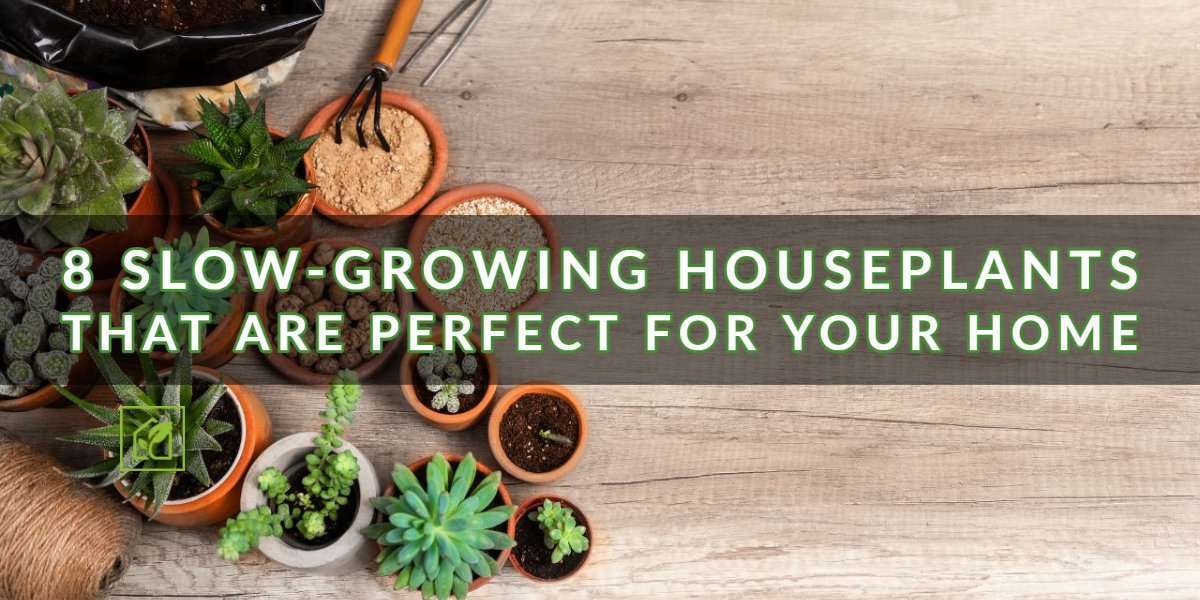
Maintaining the appropriate temperature and humidity levels is crucial for the health and well-being of your houseplants. These factors directly influence their growth rate, resilience to pests and diseases, and overall aesthetic appeal. Understanding the specific needs of different plant types and implementing strategies to control these environmental variables will contribute to a thriving indoor garden.Understanding the ideal temperature range for various houseplants is essential for successful cultivation.
Different species have evolved in diverse climates, leading to varying preferences. Providing an environment that mimics these natural conditions is key to fostering healthy growth and minimizing stress on your plants. Likewise, humidity levels are vital, particularly for tropical and subtropical species accustomed to higher moisture content in the air.
Temperature Considerations
Temperature fluctuations can significantly impact plant growth. Sudden or extreme changes can cause stress, hindering development and making plants more susceptible to pests and diseases. The optimal temperature range for a plant directly influences its metabolism, affecting photosynthesis, nutrient uptake, and overall growth. A consistent temperature minimizes stress, allowing plants to allocate more energy towards growth and development.
Optimal Temperature Ranges for Different Plant Species
Different plant species have varying temperature preferences. For instance, tropical plants, originating from warm and humid regions, thrive in a relatively consistent range between 65-85°F (18-29°C). Conversely, some succulents and cacti, adapted to arid climates, can tolerate higher temperatures, even exceeding 90°F (32°C) during the day. Maintaining accurate temperature records and observing your plants’ reactions to different temperature levels is crucial for tailoring care to their specific needs.
This will aid in creating an optimal environment for each plant type.
Importance of Humidity for Tropical and Subtropical Plants
Tropical and subtropical houseplants, accustomed to high humidity, often struggle in dry indoor environments. These plants require higher humidity levels to thrive. Low humidity can lead to leaf drop, wilting, and even death. Maintaining the proper moisture content in the air helps prevent these issues and promotes healthy plant growth.
Measuring and Adjusting Humidity Levels
Various methods exist for measuring and adjusting humidity levels. A hygrometer, a simple instrument, provides a direct reading of the relative humidity in a given space. Adjustments can be made by using humidity trays, grouping plants together, or employing a humidifier. By using these methods, you can create an environment more conducive to the needs of your tropical and subtropical plants.
Effect of Temperature Fluctuations on Plant Growth
Temperature fluctuations can have a substantial impact on plant growth. Sudden temperature drops or increases can trigger stress responses in plants, affecting their growth and overall health. This can result in reduced growth rates, wilting, and even leaf drop. Consistent temperature maintenance minimizes stress, allowing the plant to allocate more resources to growth and development.
Example of Temperature Fluctuation Effects
For example, a sudden drop in temperature can cause damage to delicate plants, potentially resulting in frostbite or other cold-related issues. Conversely, rapid temperature increases can cause leaf scorching, reducing the plant’s ability to perform photosynthesis effectively. Maintaining stable temperature levels is crucial for preventing these issues and ensuring optimal plant health.
Potting and Repotting Practices
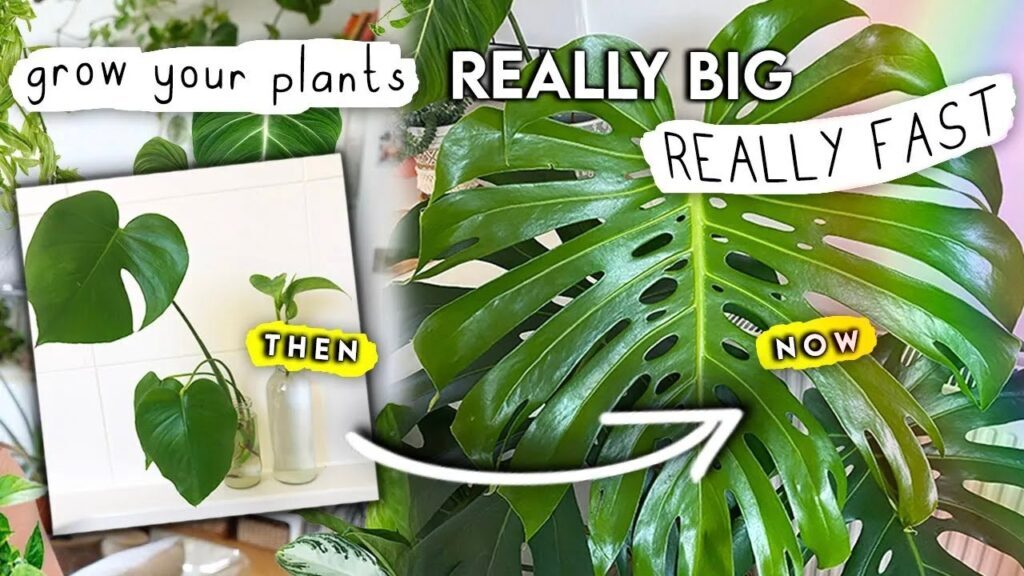
Proper potting and repotting are crucial for the health and growth of houseplants. These practices ensure the roots have adequate space to develop, preventing rootbound conditions and providing the right environment for nutrient uptake. The right potting mix and pot size are critical to successful plant growth. Ignoring these steps can lead to stunted growth, nutrient deficiencies, and even plant death.
Choosing the Right Potting Mix
A well-draining potting mix is essential for healthy root development. Different plant species have varying needs, so selecting a suitable potting mix is crucial. A good potting mix should provide adequate aeration and water retention. For example, succulents and cacti need a fast-draining mix rich in perlite or coarse sand, whereas tropical plants benefit from a mix that retains moisture longer.
A good rule of thumb is to use a mix specifically formulated for the plant type you are potting. Avoid using garden soil, as it can compact and retain too much moisture, potentially leading to root rot.
Selecting the Right Pot Size
The size of the pot is a critical consideration. A pot that is too small restricts root growth, while a pot that is excessively large can lead to waterlogging. The pot should be just large enough to accommodate the root ball without being significantly oversized. Consider the size of the plant’s root ball, and add only a few inches of additional space to the pot.
Potting Techniques for Different Plant Types
The potting techniques for various plant types differ based on their specific needs. Succulents and cacti require a well-draining potting mix and a pot with ample drainage holes. For tropical plants, a mix that retains moisture is necessary. Carefully remove the plant from the previous container, gently loosen the roots, and place it in the new pot.
Ensure the plant sits at the correct depth, with the top of the root ball level with the rim of the pot.
Signs a Plant Needs Repotting
Several signs indicate that a plant needs repotting. A plant that is rootbound is one that has outgrown its current pot. This can be identified by examining the roots, which may be circling the root ball or growing out of the drainage holes. Another sign is if the plant is exhibiting stunted growth or is struggling to maintain its health.
Also, if the plant is consistently dropping leaves or exhibiting signs of waterlogging, it might be time for a repot.
The Repotting Process
Repotting a plant safely involves several steps. First, gently remove the plant from its current container, being careful not to damage the roots. Next, examine the roots and remove any dead or decaying roots. Then, select a new pot with adequate drainage holes and fill it with a suitable potting mix. Gently place the plant into the new pot, ensuring the root ball is at the correct depth.
Finally, water thoroughly and allow any excess water to drain out of the pot.
Importance of Proper Drainage
Proper drainage is paramount for preventing root rot. The pot should have several drainage holes to allow excess water to escape. Without adequate drainage, water can accumulate around the roots, creating a damp environment that can lead to fungal diseases. Using a pot with a drainage saucer can help collect excess water and prevent water from pooling on the surface of the table or floor.
A pot with good drainage is critical for maintaining a healthy plant.
Ending Remarks
In conclusion, nurturing thriving houseplants requires a multifaceted approach. By meticulously addressing factors like light, watering, nutrients, pests, and environmental conditions, you can effectively diagnose and resolve issues that hinder your plants’ growth. This guide empowers you to cultivate a lush and healthy indoor garden, ensuring your houseplants flourish for years to come.