Transforming a blank wall into a living masterpiece is achievable with the right vining plant and meticulous training. This comprehensive guide provides a detailed roadmap for selecting, preparing, and nurturing your chosen climbing plant to create a vibrant vertical garden. From choosing the perfect plant to mastering pruning techniques, we’ll cover every crucial step, ensuring a successful and rewarding experience.
The guide will walk you through plant selection, considering growth habits, light requirements, and climate tolerance. It also delves into wall preparation and the design of effective support systems, including trellises and fences. We will cover crucial training methods and pruning techniques to maintain plant health and shape, while addressing potential challenges such as stress, pests, and diseases.
Plant Selection and Preparation
Choosing the right vining plant for your wall-climbing project is crucial for a thriving and aesthetically pleasing display. Careful consideration of factors like growth rate, light requirements, and soil needs will contribute significantly to the plant’s success and longevity. This section will guide you through selecting the ideal plant and preparing the site for successful installation.
Vining Plant Types
A variety of vining plants are suitable for wall climbing, each with unique growth characteristics. Understanding these differences will help you select the best plant for your specific needs.
- Fast-growing varieties, such as some varieties of honeysuckle and climbing roses, are ideal for quickly establishing a vertical display. Their rapid growth rate often necessitates more frequent pruning to maintain the desired shape and prevent the plant from becoming overly dense.
- Moderate-growth plants, including clematis and certain types of ivy, provide a balanced approach. They offer a good compromise between rapid growth and the need for intensive maintenance.
- Slow-growing varieties, such as wisteria and some types of climbing hydrangeas, may require more patience but often reward you with exquisite beauty and a unique character over time. Their slower growth allows for more precise shaping and training.
Factors to Consider When Choosing a Plant
Several key factors influence the suitability of a vining plant for your wall-climbing project. A careful assessment of these factors is essential to ensure the plant’s health and longevity.
- Light Requirements: Different plants thrive in various light conditions. Some prefer full sun, while others prefer partial shade. Matching the plant’s light needs to the available sunlight on your wall is essential for healthy growth.
- Soil Needs: The soil’s composition significantly impacts the plant’s ability to absorb nutrients and water. Plants require specific soil pH levels and drainage characteristics for optimal development. Amendments might be needed to achieve the ideal conditions for the chosen plant.
- Climate Tolerance: Consider your local climate when selecting a plant. The plant’s hardiness zone should align with your region’s average temperatures to ensure it can withstand seasonal variations without suffering damage or stress.
Pre-Planting Preparation
Thorough preparation of the planting site is crucial for establishing a healthy and thriving wall-climbing plant. This includes soil preparation and addressing potential plant health concerns.
- Soil Amendment Recommendations: Adding organic matter, such as compost or well-rotted manure, to the soil improves its drainage and nutrient content. This will support the plant’s root development and overall health. The specific type and amount of amendment should be chosen based on the particular needs of the selected plant species.
- Potential Plant Health Issues: Before planting, inspect the plant for any signs of disease, pests, or damage. Addressing these issues proactively will contribute to the plant’s health and prevent potential problems later on. Consulting with a local gardening expert or nursery professional can offer valuable insights into plant health concerns specific to your region.
Plant Comparison Table
The following table provides a comparative overview of different vining plants, highlighting their growth rate, sunlight needs, and typical mature size.
| Plant Type | Growth Rate | Sunlight Needs | Typical Mature Size |
|---|---|---|---|
| Honeysuckle | Fast | Full Sun | 10-15 ft (3-4.5 m) |
| Clematis | Moderate | Full Sun to Partial Shade | 6-12 ft (1.8-3.6 m) |
| Wisteria | Slow | Full Sun | 20-30 ft (6-9 m) |
| Ivy | Moderate | Partial Shade to Full Sun | 10-20 ft (3-6 m) |
Wall Preparation and Support Systems
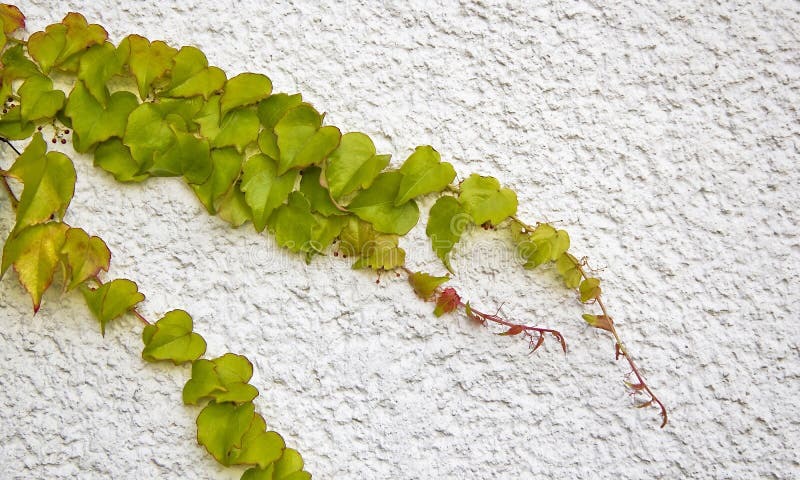
Preparing a wall for a vining plant involves careful consideration of the wall’s surface and the chosen support system. A suitable support system not only allows the plant to climb but also enhances its aesthetic appeal and overall growth. Proper preparation ensures the plant’s health and longevity.Thorough wall preparation is crucial for the success of a vining plant’s growth and stability.
The condition of the wall directly impacts the plant’s ability to anchor and develop its root system, thereby affecting its overall health and aesthetic appeal. A well-prepared wall provides a strong foundation for the support system and the plant’s climbing structure.
Wall Cleaning and Surface Treatment
Proper cleaning and surface treatment of the wall are essential for providing a suitable environment for the plant’s attachment and growth. This involves removing loose debris, dirt, and any existing substances that might hinder the plant’s anchorage.Thorough cleaning ensures the support system adheres effectively to the wall. This process improves the support system’s longevity and effectiveness in holding the plant.
Removing loose particles and debris enhances the adhesion of the support system, thus reducing the likelihood of detachment and ensuring the plant’s stability. Using appropriate cleaning agents and methods is critical to avoid damaging the wall’s surface.
Identifying Suitable Areas for Support Systems
Careful consideration of the wall’s structure and the plant’s specific needs is vital for selecting appropriate areas for support systems. Factors such as wall texture, structural integrity, and the plant’s climbing style should be carefully assessed to ensure a harmonious integration of the support system with the plant and the wall.Assessing the wall’s condition is crucial for determining the appropriate support system.
This assessment includes evaluating the wall’s structural integrity and identifying areas where the support system can be firmly anchored. Analyzing the wall’s texture and the plant’s climbing method ensures a suitable design that aligns with the plant’s needs. This will optimize the support system’s effectiveness and minimize the risk of damage to the wall.
Support System Options
Various support systems can be employed to aid vining plants in their ascent. These systems range from simple to elaborate, each with its unique characteristics and suitability for different plant types and wall conditions.Different support systems offer unique benefits for vining plants. Selecting the right system depends on the plant’s specific climbing needs, the wall’s characteristics, and the desired aesthetic outcome.
A properly chosen support system can enhance the plant’s visual appeal and overall growth.
Support System Materials
The choice of material for constructing support systems significantly impacts the system’s durability, cost, and aesthetic appeal. Different materials possess unique properties that influence their suitability for specific applications.The longevity and aesthetic appeal of a support system are influenced by the chosen material. Different materials offer varying degrees of resistance to weathering, pests, and structural stress. The selection of materials should consider factors such as cost, environmental impact, and the desired aesthetic outcome.
Support System Comparison Table
| Support System | Cost (Estimated) | Suitability for Wall Types | Pros | Cons |
|---|---|---|---|---|
| Wooden Trellis | Moderate | Various, including brick, stucco, and wood | Aesthetically pleasing, relatively easy to construct | Susceptible to rot and decay, may require periodic maintenance |
| Metal Trellis | High | Various, including brick, stucco, and wood | Durable, resistant to decay, long lifespan | Can be more expensive, may require professional installation |
| Wire Mesh Fence | Low | Various, including brick, stucco, and wood | Affordable, easily customizable | May not be as aesthetically pleasing, less durable than other options |
| Stone Wall Support | High | Suitable for stone walls or walls with stone features | Integrates seamlessly with the aesthetic of a stone wall | Can be challenging and costly to install |
Training Methods and Techniques
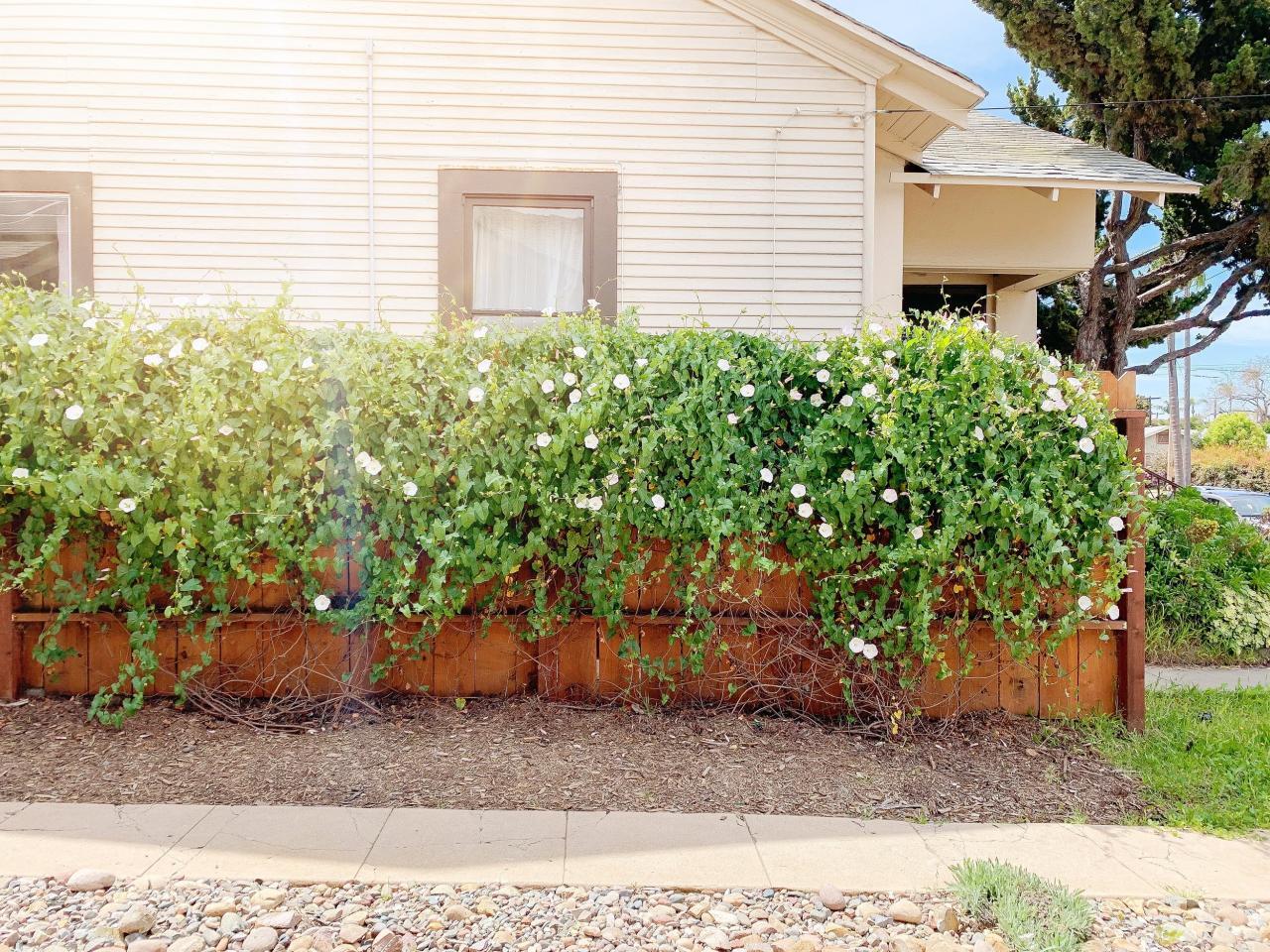
Proper training is crucial for guiding vining plants to effectively climb walls, maximizing their aesthetic appeal and structural support. Different methods are suitable for various plant types and desired climbing patterns. Careful consideration of these methods, coupled with consistent maintenance, ensures healthy growth and a beautiful, thriving vertical garden.A well-trained vining plant will display a strong and attractive form, reaching the desired height and exhibiting a visually appealing climbing pattern along the wall.
This often involves a series of steps and considerations, ensuring the plant’s growth aligns with the chosen design and the plant’s inherent nature. Consistent care and appropriate training will result in a healthy, flourishing display.
Tying and Staking Methods
Proper tying and staking are fundamental to directing a plant’s growth. These methods involve physically guiding the plant’s tendrils or stems to the desired path. For example, using soft twine or plant ties allows for easy adjustment as the plant grows. Using heavy-duty twine or plant ties is recommended for more vigorous climbers.
- Tying: Employ soft, flexible twine or plant ties to gently guide stems and tendrils along the desired climbing path. Regularly inspect and adjust ties to prevent strangulation or damage to the plant as it grows. Use a soft touch and avoid applying excessive pressure that may constrict the stem or cause injury. This method is ideal for delicate vines and plants that require a gentle guiding hand.
- Staking: Staking involves using sturdy stakes to support the plant as it climbs. Choose stakes that are strong enough to withstand the weight of the plant and its growing size. Stake the plant at regular intervals along the wall, and use ties to connect the plant to the stake, directing growth in the desired direction. This method is suitable for plants with strong stems and those that require more substantial support.
Using Specialized Climbing Aids
Specialized climbing aids can enhance the efficiency and aesthetic appeal of training vining plants. These aids provide more sophisticated control over the plant’s climbing trajectory.
- Climbing Trellises and Supports: These structures are designed to provide a framework for the plant to climb. Various styles and designs are available, ranging from simple wire trellises to more elaborate lattice structures. The choice depends on the plant type and the desired aesthetic. Proper selection and installation are crucial for providing consistent support.
- Climbing Nets and Guides: These systems offer a more flexible and adjustable method for guiding the plant’s growth. Climbing nets can be used to cover a large area and allow the plant to climb across the entire surface. Climbing guides offer a more targeted method for directing the plant’s growth along specific paths.
Consistent Training and Maintenance
Consistent training and regular maintenance throughout the growing season are paramount for achieving the desired climbing pattern. Early intervention in directing the plant’s growth ensures a more controlled and aesthetically pleasing result. Regular monitoring and maintenance are necessary to address any issues, ensuring a healthy and robust plant.
- Regular Inspection: Inspect the plant regularly to identify any signs of stress, damage, or deviations from the intended climbing path. Promptly address any issues to maintain plant health and ensure optimal growth. This practice ensures the plant stays healthy and the climbing process remains effective.
- Pruning: Regular pruning helps to shape the plant and remove dead or damaged growth. This allows for a more focused climbing pattern. This technique promotes healthy growth and a defined structure. Pruning encourages the plant to focus its energy on climbing and development.
Step-by-Step Training Guide
- Plant Selection and Preparation: Choose a vining plant suitable for your wall and growing conditions. Prepare the plant for training by removing any damaged or diseased parts. This step is vital for success.
- Wall Preparation and Support System: Prepare the wall for climbing plants. Install support systems such as trellises or guides, ensuring they are securely anchored and aligned with the desired climbing pattern. This preparation is fundamental to the success of the training process.
- Initial Guiding: Gently guide the plant’s tendrils or stems along the support system using soft ties or stakes. Adjust ties as needed as the plant grows. This step ensures the plant starts its climbing journey in the right direction.
- Consistent Maintenance: Regularly inspect the plant and support system for any issues. Prune any unwanted growth and adjust the support as needed. This maintenance step is essential for healthy and consistent growth.
- Ongoing Monitoring: Continue to monitor the plant’s growth and adjust the support system as necessary to maintain the desired climbing pattern. Ongoing care ensures the plant stays on track.
Pruning and Maintenance
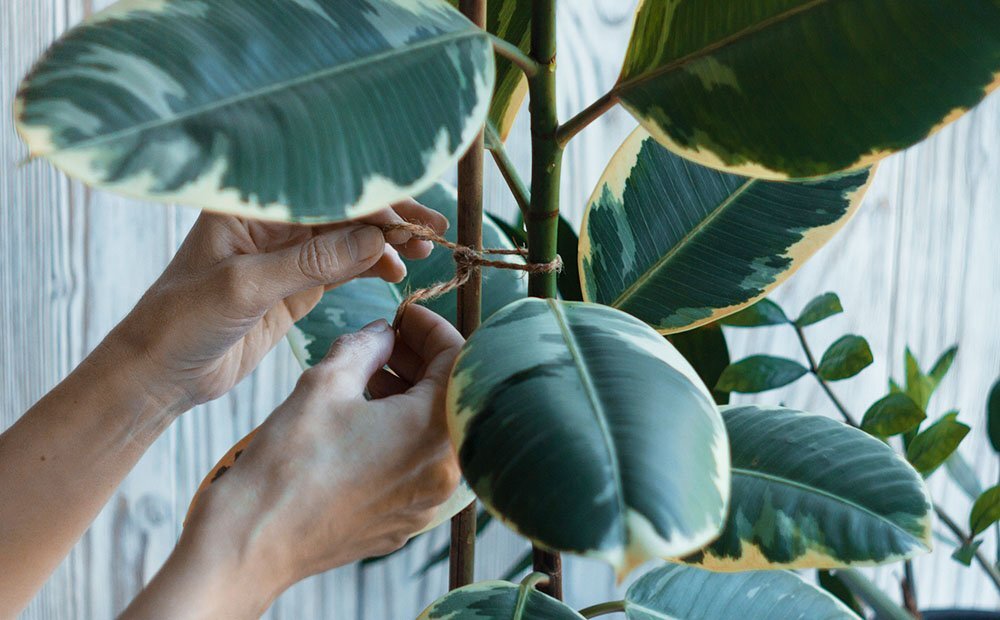
Proper pruning is crucial for maintaining the shape and growth of your vining plant against the wall. Consistent pruning ensures healthy growth, prevents overcrowding, and maintains the desired aesthetic. Ignoring these aspects can lead to weak growth, decreased vigor, and an unattractive appearance. The techniques Artikeld here are designed to optimize your plant’s performance and ensure a flourishing display.
Pruning Techniques for Shape and Growth
Regular pruning is vital for guiding the plant’s growth and maintaining its aesthetic appeal. This involves carefully removing unwanted stems, branches, and leaves to encourage new growth and prevent the plant from becoming overgrown. Effective pruning also improves air circulation, reducing the risk of fungal diseases and promoting healthier foliage.
Importance of Regular Pruning
Regular pruning promotes healthy growth by preventing overcrowding. Overcrowding can lead to insufficient sunlight reaching the leaves, impacting photosynthesis and reducing the plant’s overall vigor. It also improves the plant’s structural integrity, preventing the formation of weak, spindly growth that could easily break or damage the wall support system. Furthermore, regular pruning can increase the plant’s flowering or fruiting production, as the plant channels its energy into new growth and less into maintaining unnecessary foliage.
Potential Issues from Insufficient Pruning and Solutions
Insufficient pruning can lead to various problems. Overcrowding can hinder the plant’s ability to access sunlight, nutrients, and water, resulting in weak growth, reduced flowering, and susceptibility to diseases. Uncontrolled growth can also place excessive stress on the support system, potentially causing damage to the wall or the plant itself. Addressing these issues promptly through appropriate pruning techniques ensures the plant’s health and longevity.
Pruning Methods and Timing
The optimal timing for pruning varies depending on the specific plant species and the desired outcome. The following table provides a general guideline for pruning different plant types. Note that specific needs should be confirmed through research about the plant species you have.
| Pruning Method | Description | Appropriate Timing |
|---|---|---|
| Thinning | Removing entire branches or stems to improve light penetration and air circulation. | Spring or early summer, depending on plant type and growth cycle. |
| Heading Back | Shortening individual branches or stems to encourage new growth and maintain shape. | Spring, summer, or early fall. Adjust based on the plant’s growth habits. |
| Renovating | A more extensive pruning method used to rejuvenate older plants. | Late winter or early spring, before new growth begins. |
| Deadwood Removal | Removing dead, damaged, or diseased branches. | Anytime throughout the year, as needed. |
Addressing Common Challenges
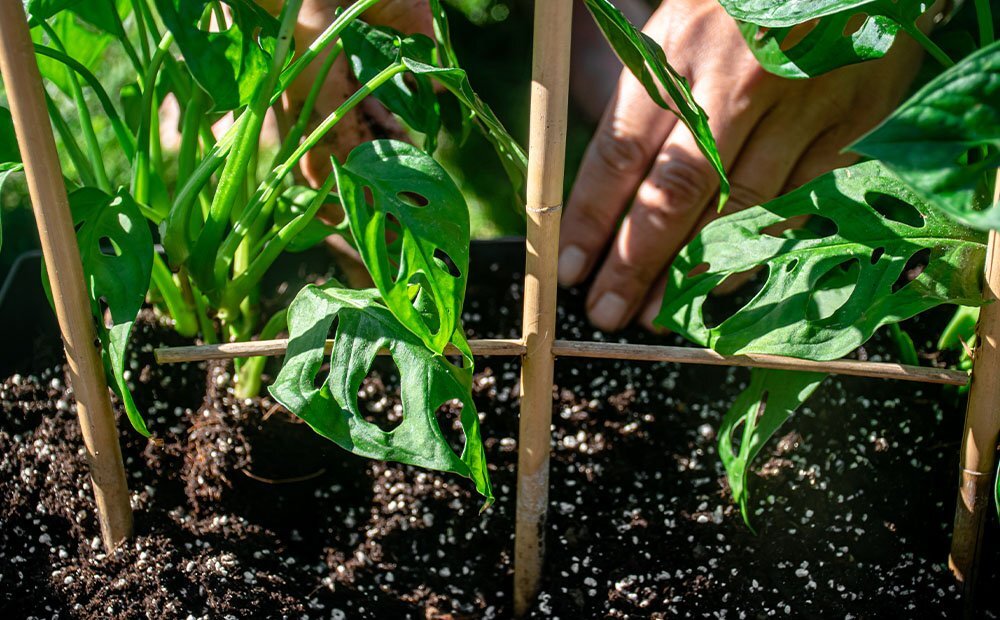
Cultivating a thriving vining plant requires vigilance and proactive problem-solving. Understanding potential issues and their solutions is crucial for ensuring healthy growth and a successful training process. This section details common challenges, their causes, and effective remedies, enabling you to nurture your plant through the training journey.Successfully training a vining plant involves anticipating and addressing potential obstacles. By understanding the reasons behind common problems, proactive measures can be implemented to prevent or resolve them swiftly.
This approach fosters healthy growth and allows the plant to flourish in its new climbing environment.
Plant Stress
Vining plants, like other living organisms, can experience stress due to various factors. Understanding the signs of stress and the underlying causes is key to effective mitigation. Sudden changes in environment, inadequate watering, or insufficient sunlight can all contribute to stress. Identifying these causes allows for tailored adjustments to the plant’s care routine. Overwatering or underwatering can also significantly stress a vining plant, causing leaf discoloration, wilting, or stunted growth.
Proper watering practices, tailored to the plant’s needs and the surrounding environment, are vital. Furthermore, insufficient or excessive fertilization can also lead to stress symptoms, such as yellowing leaves or nutrient deficiencies.
Pest Infestations
Common pests affecting vining plants include aphids, spider mites, and mealybugs. These pests can sap vital nutrients and hinder growth. Early detection and targeted treatment are essential for preventing widespread infestations. Inspect plants regularly for signs of pest activity, such as webbing, sticky residue, or tiny insects. Introduce appropriate pest control measures, such as insecticidal soaps or neem oil, following the product instructions.
These measures help control the pest population and safeguard the plant’s health.
Diseases
Fungal diseases, such as powdery mildew or blight, can also affect vining plants. These diseases are often triggered by excessive moisture and humidity. Maintaining proper air circulation and avoiding overwatering are crucial preventive measures. Prompt identification and treatment are essential for preventing the spread of fungal diseases. Consult with gardening resources or local nurseries for disease-specific treatments and prevention strategies.
Environmental Factors
Environmental conditions play a critical role in the health and growth of vining plants. Adjusting to these factors is vital for successful training. Extreme temperatures, whether high or low, can cause significant stress and damage. Providing adequate shade or insulation can mitigate the impact of temperature fluctuations. Exposure to harsh winds can also harm plants, so consider windbreaks or protected locations for training.
Similarly, varying light conditions can impact the plant’s growth and appearance. Adjusting the location or providing supplemental light, if necessary, can help the plant thrive.
Summary Table
| Problem | Cause | Solution |
|---|---|---|
| Plant Stress | Sudden environmental changes, inadequate watering, insufficient sunlight, overwatering/underwatering, improper fertilization | Adjust environment gradually, ensure proper watering schedule, provide adequate sunlight, monitor soil moisture, use appropriate fertilizer |
| Pest Infestations | Aphids, spider mites, mealybugs, and other insects | Regular inspection, insecticidal soaps or neem oil, proper application |
| Diseases | Fungal diseases (powdery mildew, blight) | Ensure proper air circulation, avoid overwatering, promptly address infection with appropriate fungicides |
| Environmental Issues | Extreme temperatures, harsh winds, varying light conditions | Provide shade or insulation, use windbreaks, adjust location or provide supplemental light |
Plant Growth and Monitoring
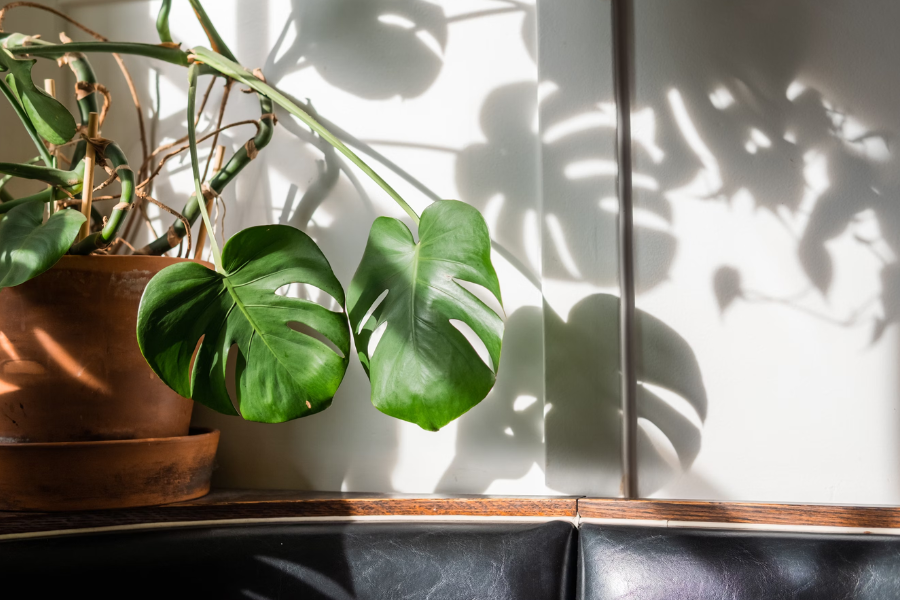
Proper monitoring of vining plant growth is crucial for successful training. Understanding the expected growth patterns allows for proactive adjustments to support systems and training methods, ensuring optimal plant development and maximizing aesthetic appeal. This section details expected growth patterns, monitoring methods, and the necessity of adapting training techniques as the plant matures.Monitoring growth and identifying potential issues early is key to maintaining a healthy and thriving vining plant.
Regular observation allows for timely interventions and adjustments, preventing setbacks and ensuring the plant’s successful ascent.
Expected Growth Patterns
Different vining plants exhibit varying growth rates and patterns. Some, like morning glories, may experience rapid initial growth followed by a slower, more steady pace. Others, such as wisteria, may have a more gradual but extended period of growth. Understanding these inherent differences is critical for tailoring support systems and training techniques. For example, a plant with rapid growth requires more frequent adjustments to its support system to prevent it from becoming tangled or damaged.
Similarly, slower-growing varieties might benefit from a more gradual and strategic training approach.
Monitoring Progress and Identifying Issues
Regular monitoring is essential to identify any growth anomalies or potential issues early. Visual inspections, along with measurements, can provide a comprehensive picture of the plant’s progress. A keen eye can detect signs of stress, such as yellowing leaves or stunted growth, and provide early intervention to address the underlying cause. For instance, insufficient watering or improper sunlight exposure can both lead to noticeable changes in leaf color and overall growth.
These visual indicators, when combined with regular measurements, provide invaluable insight into the plant’s health and well-being.
Adjusting Training Techniques as the Plant Matures
As vining plants mature, their growth patterns and needs change. Adapting training techniques is essential to ensure continued success. Initially, plants might need support systems that provide structure and guidance. However, as the plant matures, the training may require more intricate adjustments to accommodate the growing size and strength of the vine. For example, a young, delicate vine might benefit from simple stakes, while a mature vine might require more substantial support systems such as trellises or wires.
Plant Growth and Development Tracking Table
This table provides a structured approach to documenting plant growth and development. Regular entries allow for the identification of trends and patterns in growth, enabling informed adjustments to the training plan.
| Date | Measurement (height/width) | Observations (e.g., new growth, signs of stress) | Training Adjustments |
|---|---|---|---|
| 2024-05-10 | 12 inches | New leaves emerging, healthy green color | Added a simple trellis |
| 2024-05-17 | 18 inches | Growth rate increasing, no signs of stress | No adjustments |
| 2024-05-24 | 24 inches | Vine beginning to spread, some leaves slightly yellow | Adjusted trellis support to accommodate spread, watered more frequently |
End of Discussion
Successfully training a vining plant to climb a wall requires careful planning and consistent effort. This guide provides a robust framework for choosing the right plant, preparing the wall, implementing effective training methods, and maintaining the plant’s health. By following the detailed steps and addressing potential issues, you can cultivate a thriving vertical garden that enhances your space and brings the beauty of nature indoors or outdoors.
Remember to adapt techniques to your specific plant and environment for optimal results.