Welcome to a comprehensive guide on nurturing your houseplants. This in-depth exploration delves into the essential needs of various plant types, ensuring your indoor greenery thrives. From light and water to soil, temperature, and pest control, we’ll equip you with the knowledge to cultivate healthy, happy houseplants.
This guide will cover everything from identifying the fundamental needs of common houseplants like succulents, ferns, and orchids to understanding their specific light, water, and soil requirements. We’ll also explore essential techniques for maintaining optimal temperature and humidity, and address common pest and disease issues. Finally, we’ll provide insights into potting and repotting, as well as the different stages of plant growth.
Identifying Basic Needs
Understanding the fundamental needs of your houseplants is crucial for their health and longevity. These needs are interconnected, meaning that one factor significantly influences another. For instance, the amount of light a plant receives directly impacts its water requirements. By grasping these interdependencies, you can provide a more tailored and effective care routine for your indoor greenery.
Fundamental Needs of Houseplants
Proper care for houseplants hinges on a few key elements. These essential needs, when met, create an environment conducive to robust growth and vibrant health. A balanced approach to these needs is vital for the well-being of your plants.
- Light: Adequate light is essential for photosynthesis, the process by which plants produce energy. Insufficient light can lead to etiolation, a stretching of the plant’s stems and pale leaves. The intensity and duration of light exposure vary greatly depending on the plant species. Some plants thrive in bright, indirect light, while others prefer low-light conditions.
- Water: Watering frequency and amount depend on factors such as soil type, pot size, and the plant’s specific needs. Overwatering can lead to root rot, while underwatering can cause wilting and stress. Regular monitoring of the soil moisture is critical for maintaining the right balance.
- Temperature: Plants, like humans, have optimal temperature ranges. Extreme temperatures, whether too hot or too cold, can negatively affect their growth and overall health. Research the ideal temperature range for your specific plant species.
- Humidity: Maintaining the appropriate humidity level is crucial for certain plants, especially those originating from humid environments. Low humidity can lead to leaf dryness and damage. Use techniques such as grouping plants together, using humidifiers, or placing trays of water near the plants to increase humidity.
- Soil: The quality of the potting mix directly impacts drainage, aeration, and nutrient availability. Well-draining soil is essential to prevent waterlogging and root rot. The right soil mix should be appropriate for the specific plant species, providing the correct balance of nutrients and drainage.
Interconnectedness of Needs
The needs of houseplants are not isolated entities; they interact dynamically. For example, the amount of light a plant receives directly impacts its water requirements. A plant in bright light will transpire more, requiring more frequent watering. Conversely, a plant in low light will transpire less and need less frequent watering.
Comparison of Houseplant Needs
The following table provides a comparative overview of the basic needs for different common houseplant types. This information will allow you to tailor your care routine to the specific needs of each plant.
| Plant Type | Light Requirements | Watering Needs | Temperature Range | Humidity Preferences |
|---|---|---|---|---|
| Succulents | Bright, direct light | Allow soil to dry completely between waterings | Warm temperatures (60-80°F) | Tolerate low humidity |
| Ferns | Bright, indirect light | Keep soil consistently moist | Moderate temperatures (65-75°F) | High humidity |
| Orchids | Bright, indirect light | Allow the potting mix to dry slightly between waterings | Moderate temperatures (60-75°F) | High humidity |
Understanding Light Requirements
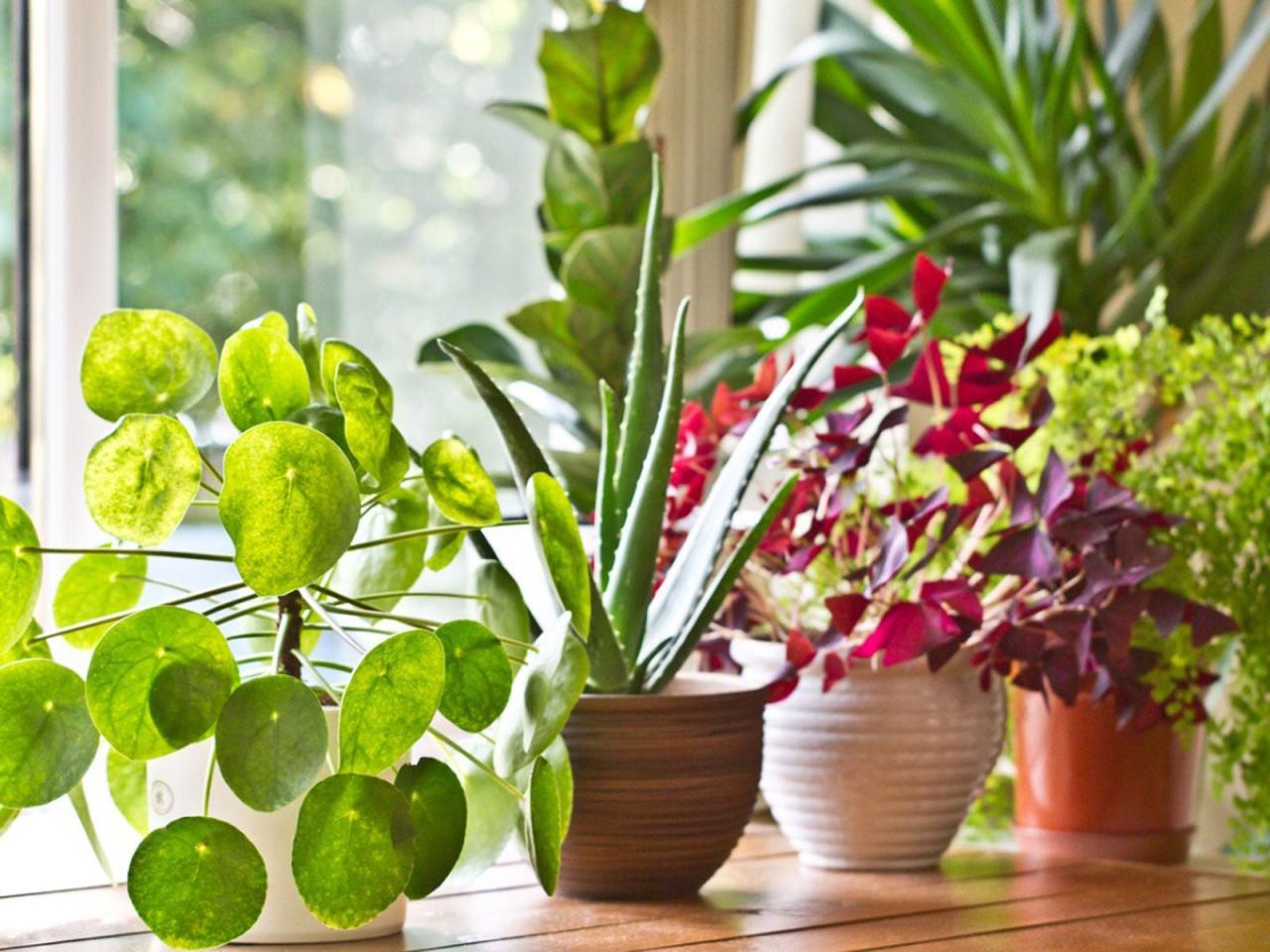
Proper light is crucial for healthy houseplant growth. Just as sunlight nourishes plants outdoors, indoor light sources dictate the rate of photosynthesis and overall well-being. Understanding the nuances of different light conditions is vital for maintaining thriving indoor jungles. This section will explore various light types, suitable plants, and methods for assessing optimal light levels.Light requirements for plants are often categorized as direct, indirect, or low light.
These classifications reflect the intensity and duration of light exposure, directly impacting the plant’s physiological processes. Understanding these distinctions allows for the selection of appropriate plants for specific locations within your home.
Types of Light and Their Effects
Different light conditions have varying effects on plant growth and health. Direct light, for instance, provides the highest intensity, crucial for many plants to thrive. Indirect light, a less intense form, is gentler on delicate foliage. Low light conditions, while suitable for certain species, require plants adapted to absorb minimal light. These differing light intensities dictate the rate of photosynthesis, influencing leaf size, growth rate, and overall plant vigor.
Suitable Houseplants for Different Light Conditions
Selecting plants that match their light requirements is key to success. The following lists offer examples of houseplants that thrive in various light conditions:
- Bright, Indirect Light: Snake plants, ZZ plants, and pothos are well-suited for areas with indirect light, such as near a window with a sheer curtain. These plants are adaptable and can tolerate some direct light, but extended direct exposure may lead to leaf burn.
- Direct Sunlight: Many succulents, such as cacti and aloe vera, flourish under direct sunlight. The intense light stimulates their growth and development, maintaining their unique characteristics. Be mindful of the intensity and duration of direct light, as prolonged exposure can still cause damage.
- Low Light: Peace lilies, cast iron plants, and Chinese evergreen are ideal for areas with low light conditions. These plants are adapted to survive in dimmer environments, and they do not require the same intense light as sun-loving species.
Determining the Correct Light Level for a Plant
Accurately assessing the light level for a plant is crucial for its well-being. Observing the plant’s current environment is the first step. Note the proximity to windows, the presence of window coverings, and the overall light exposure. Consider the time of day; some plants might need more light during specific hours. Monitoring the plant’s response is also important.
If the plant shows signs of stress, such as yellowing leaves or stunted growth, the light level may need adjustment.
Plant Light Preference Table
This table summarizes various houseplants and their preferred light conditions.
| Plant Name | Light Preference |
|---|---|
| Snake Plant | Bright, Indirect Light |
| ZZ Plant | Bright, Indirect Light |
| Pothos | Bright, Indirect Light |
| Cactus | Direct Sunlight |
| Aloe Vera | Direct Sunlight |
| Peace Lily | Low Light |
| Cast Iron Plant | Low Light |
| Chinese Evergreen | Low Light |
Water Management Techniques
Proper watering is crucial for the health and vitality of your houseplants. Consistent and appropriate watering methods, coupled with an understanding of soil moisture, are key to preventing common issues like overwatering and underwatering. Knowing the specific needs of different plant types allows for tailored watering strategies, promoting optimal growth and preventing stress.
Watering Methods
Different watering techniques cater to various plant types and preferences. Understanding these methods will help you provide the best possible care for your houseplants.
- Top Watering involves pouring water directly onto the soil surface. This method is common and straightforward, but it can lead to water runoff if not carefully controlled. It’s suitable for plants with well-drained soil.
- Bottom Watering is a technique where water is added to a tray or saucer beneath the pot. The plant absorbs water through the drainage holes, which can be beneficial for plants that may not tolerate having water on their foliage. This method can be more effective in preventing overwatering as the plant takes up only the water it needs.
- Soaking is a technique where the plant is fully immersed in water for a period of time, allowing the soil to become thoroughly saturated. This method is suitable for plants that prefer consistently moist soil. The soil should be able to drain well after the soaking.
Determining Watering Needs
Regularly assessing the moisture level of the soil is essential to prevent both overwatering and underwatering.
- Soil Moisture Check: A simple and effective method is to insert a finger about an inch into the soil. If the soil feels dry to the touch, the plant likely needs water. If it feels moist, the plant may not need watering yet. Alternatively, use a moisture meter, which provides a more precise measurement of soil moisture.
Soil Types for Houseplants
The type of soil significantly impacts how water is retained and drained. Different plants thrive in varying soil compositions.
- Well-Draining Soil: This type of soil allows water to pass through quickly, preventing waterlogging. This is important for preventing root rot and is suitable for many common houseplants. A mix of potting soil, perlite, and vermiculite can create a well-draining medium.
- Potting Mixes: Pre-mixed potting soils are available commercially and are formulated to suit various plant needs. Carefully select a potting mix that is appropriate for the specific plant species, considering its watering requirements. Look for a blend that provides adequate drainage and moisture retention.
- Specific Plant Needs: Some plants, like succulents and cacti, require well-draining soil to prevent root rot. Others, like ferns and orchids, may need a more consistently moist environment, so their potting mix should provide a balance of drainage and moisture retention.
Avoiding Overwatering and Underwaterings
These are two common mistakes that can lead to plant decline.
- Overwatering: Overwatering can lead to root rot and other fungal diseases, harming the plant. Signs of overwatering include yellowing leaves, drooping stems, and mushy soil. Reduce the frequency of watering and ensure good drainage.
- Underwatering: Underwatered plants may show signs like wilting, crispy leaves, and browning at the edges. Increase the frequency of watering and ensure the soil is moist but not waterlogged.
Watering Methods Comparison
| Plant Type | Watering Method | Soil Type | Frequency |
|---|---|---|---|
| Succulents | Bottom watering, infrequent soaking | Well-draining, sandy soil mix | Once every 1-2 weeks |
| Ferns | Top watering, but avoid wetting foliage | Moist but well-drained soil mix | Once every 3-5 days |
| Orchids | Bottom watering, soaking | Well-draining, bark-based mix | Once every 7-10 days |
| Snake Plants | Top watering, infrequent soaking | Well-draining, sandy soil mix | Once every 2-3 weeks |
Soil and Nutrient Considerations
Proper soil composition is crucial for the health and vitality of houseplants. It directly impacts root development, nutrient uptake, and overall plant growth. A well-structured soil environment allows for optimal water retention, aeration, and drainage, mimicking natural conditions as closely as possible. This, in turn, supports the plant’s ability to absorb essential nutrients and thrive in a contained environment.Understanding the specific needs of different plant species is key to selecting the right soil mix.
The ideal soil composition will vary depending on the plant’s origin and preferred growing conditions. Factors such as drainage, aeration, and nutrient content are essential considerations when choosing a soil mix. Similarly, appropriate fertilization practices are vital for sustaining healthy growth and preventing nutrient deficiencies.
Soil Composition for Different Plants
Different plant species have varying needs for soil composition. Understanding these needs is crucial for providing optimal growth conditions. For example, tropical plants often require a soil mix with excellent drainage to prevent root rot, whereas succulents and cacti thrive in well-draining, sandy soil. The proper soil composition supports the specific needs of each plant.
Types of Soil and Their Benefits
Various types of soil offer different benefits to houseplants. A good potting mix generally contains a blend of components.
- Loamy soil provides excellent drainage and aeration, promoting healthy root development. It retains sufficient moisture for the plant, preventing waterlogging while allowing oxygen to reach the roots. This balance is vital for overall plant health.
- Sandy soil excels at drainage, preventing waterlogging and root rot, making it suitable for plants that prefer well-draining conditions. It’s ideal for cacti, succulents, and other drought-tolerant species.
- Clay soil, while retaining moisture effectively, often lacks adequate drainage and aeration, potentially leading to root issues. It’s crucial to amend clay soil with other components to improve its drainage and aeration.
- Peat moss contributes to water retention and aeration. Its ability to hold water is important for plants needing consistent moisture.
- Perlite enhances drainage and aeration, crucial for preventing waterlogging and promoting root health. Its porous nature creates spaces for air circulation around the roots.
- Vermiculite holds water effectively, providing a consistent moisture supply to the roots while also promoting drainage and aeration. Its ability to retain moisture while improving aeration is beneficial for many plant types.
Significance of Regular Fertilization
Regular fertilization is essential for supplying plants with the nutrients they need for optimal growth and development. Plants draw on these nutrients from the soil to support their life cycle.
Appropriate Fertilizer Types
Various fertilizer types are available, each with its own strengths and weaknesses. Choosing the right fertilizer depends on the specific needs of the plant and the characteristics of the soil.
- Organic fertilizers are derived from natural sources, enriching the soil with essential nutrients over time. They promote healthy microbial activity and long-term soil health. Examples include compost, manure, and bone meal.
- Synthetic fertilizers provide a quick release of nutrients, supporting rapid growth. However, their use requires careful monitoring to avoid over-fertilizing, which can harm the plant.
- Liquid fertilizers are easily diluted and absorbed by plants, offering a convenient way to provide essential nutrients. They are commonly used for frequent feeding, particularly during periods of rapid growth.
- Granular fertilizers are slow-release, providing a sustained supply of nutrients over a longer period. They are suitable for plants that need consistent nutrient input.
Aeration and Drainage in Soil
Adequate aeration and drainage are essential for healthy root development. Compacted soil restricts oxygen flow to the roots, hindering their ability to absorb water and nutrients. Aeration and drainage ensure that roots have access to oxygen, essential for respiration and overall health.
Comparison of Fertilizer Types
Different fertilizer types offer varying benefits. The choice of fertilizer depends on the specific needs of the plant.
| Fertilizer Type | Benefits | Drawbacks |
|---|---|---|
| Organic | Enhances soil health, slow release, promotes microbial activity | Slower nutrient release, potentially less concentrated |
| Synthetic | Quick nutrient release, concentrated nutrients | Can harm soil organisms, requires careful monitoring to avoid over-fertilization |
| Liquid | Easy to apply, ideal for frequent feeding | Requires more frequent applications |
| Granular | Sustained nutrient release over time | May require more initial effort to apply |
Soil Types, Plant Preferences, and Fertilizer Recommendations
The following table provides a general guide to soil types, plant preferences, and fertilizer recommendations. It’s essential to remember that these are general guidelines, and individual plant needs may vary.
| Soil Type | Plant Preferences | Fertilizer Recommendation |
|---|---|---|
| Loamy | Most plants | Balanced, slow-release organic or synthetic |
| Sandy | Succulents, cacti | Low-nitrogen, slow-release organic or synthetic |
| Clay | Plants needing well-drained soil | Organic amendments to improve drainage, balanced slow-release |
Temperature and Humidity Control
Maintaining the ideal temperature and humidity levels is crucial for the well-being of your houseplants. Just like humans, plants have specific environmental preferences that impact their growth, health, and overall appearance. Understanding these needs allows you to create a thriving indoor environment for your leafy companions.
Ideal Temperature Ranges for Various Houseplants
Different plants thrive in varying temperature ranges. Providing the correct temperature is essential for optimal growth and prevents stress. Knowing the optimal range for each plant ensures their continued health and beauty.
- Many common houseplants, such as pothos and spider plants, flourish in temperatures between 65°F and 80°F (18°C to 27°C). This range offers a comfortable environment for these adaptable species.
- Tropical plants, including orchids and ferns, often require warmer temperatures, ideally between 70°F and 85°F (21°C to 29°C). Maintaining this range ensures their tropical origins are replicated and they remain healthy.
- Some succulents and cacti, on the other hand, can tolerate slightly higher temperatures, with optimal ranges typically falling between 70°F and 90°F (21°C to 32°C). These desert-adapted plants appreciate warmer conditions.
Temperature’s Impact on Plant Growth and Health
Temperature directly affects the metabolic processes within a plant. Optimal temperatures facilitate photosynthesis, nutrient uptake, and overall growth. Extremes in temperature can cause stress, leading to stunted growth, wilting, and even death. Temperature fluctuations can also trigger pest infestations or diseases.
Importance of Humidity Levels for Different Plants
Humidity, or the amount of moisture in the air, plays a significant role in plant health. Many houseplants, especially those originating from humid environments, require higher humidity levels than others. Maintaining the appropriate humidity levels can prevent issues like leaf drop, browning, and pest infestations.
Methods to Maintain Appropriate Temperature and Humidity in a Home Environment
Maintaining a consistent temperature and humidity level in a home environment requires careful attention. Using a combination of strategies is often most effective.
- Temperature Control: Utilize a thermostat to maintain a stable temperature in the plant’s area. Avoid placing plants near drafts or heating/cooling vents. Consider using grow lights or heating pads in colder climates, particularly for plants requiring warmer conditions.
- Humidity Control: Group plants together to create a microclimate with higher humidity. Use a humidifier to increase moisture levels, especially in drier climates. Regular misting can also help raise humidity levels, but be cautious not to over-water the plants. Place plants on trays filled with water and pebbles to increase humidity around the plant’s roots without directly watering the plant.
Avoid placing plants in direct sunlight, which can lead to excessive drying.
Temperature and Humidity Needs of Different Plant Types
| Plant Type | Ideal Temperature (°C) | Ideal Humidity (%) | Notes |
|---|---|---|---|
| African Violet | 18-24 | 50-60 | Avoid drafts and extreme temperature fluctuations. |
| Snake Plant | 15-28 | 40-60 | Tolerates a wide range of temperatures and humidity. |
| Orchid | 18-26 | 60-80 | Requires high humidity and consistent temperatures. |
| Monstera | 21-29 | 60-80 | Prefers high humidity and warm temperatures. |
| Succulent | 21-32 | 30-50 | Tolerates warmer temperatures and lower humidity. |
Plant Pests and Diseases
Maintaining the health of houseplants often involves vigilance against various pests and diseases. These issues can quickly compromise the well-being of your plants, leading to unsightly damage and even plant death if not addressed promptly. Understanding the common culprits and their telltale signs is crucial for proactive care and healthy growth.
Common Pests Affecting Houseplants
Many common household pests can target houseplants, including aphids, mealybugs, spider mites, and scale insects. Identifying these pests early is critical to preventing significant infestations. Aphids, often appearing as small, soft insects, cluster on leaves and stems, sucking sap. Mealybugs are recognizable by their cottony or powdery white coverings, usually on stems and undersides of leaves. Spider mites are microscopic pests that create fine webs on leaves and cause stippling or discoloration.
Scale insects are immobile pests that have a hard shell and also feed on plant sap. These pests can weaken the plant, stunt its growth, and compromise its overall health.
Common Diseases Affecting Houseplants
Fungal diseases, such as root rot and powdery mildew, are frequent issues for houseplants. Root rot often stems from overwatering, leading to saturated soil and a lack of oxygen for the roots. Powdery mildew manifests as a white, powdery coating on leaves and stems, primarily occurring in humid environments. Other fungal diseases like leaf spots can also be prevalent.
Identifying these diseases in their early stages is essential to prevent their spread to other plants and limit damage. Proper watering techniques, adequate air circulation, and potentially fungicides are key to preventing these fungal issues.
Preventative Measures Against Pests and Diseases
Maintaining good hygiene and providing a healthy environment are crucial for preventing pests and diseases. Regular inspection of plants, especially the undersides of leaves and the soil, can help detect problems early. Proper watering practices, including allowing the soil to dry between waterings, reduce the risk of root rot. Ensuring adequate air circulation, avoiding overcrowding plants, and maintaining proper humidity levels minimize the risk of fungal diseases.
Regular cleaning of plant containers and tools can also prevent the spread of pests.
Recognizing Early Signs of Problems
Early detection of pest or disease issues is vital for effective treatment. Changes in leaf color, the presence of unusual spots, or the appearance of insects are early warning signs. Wilting leaves, yellowing or browning foliage, and stunted growth can also indicate underlying problems. Recognizing these early signs allows for prompt intervention, potentially preventing further damage.
Treating Plant Pests and Diseases
Treatment methods for pests and diseases depend on the specific problem. For mild infestations, insecticidal soaps or neem oil can be effective. For more severe infestations, systemic insecticides may be necessary. Proper identification of the pest or disease is crucial for selecting the right treatment. Always follow product instructions carefully and ensure compatibility with the specific plant type.
Addressing root rot often requires repotting the plant with fresh, well-draining soil. Fungal diseases can sometimes be controlled with fungicides.
Treatment Comparison Table
| Pest/Disease | Treatment | Description | Considerations |
|---|---|---|---|
| Aphids | Insecticidal soap | A mild, often effective treatment for small infestations. | Can be harmful to beneficial insects. |
| Root rot | Repotting | Repotting with fresh, well-draining soil can be a crucial first step. | Requires careful removal of the plant from the pot and handling of the roots. |
| Powdery mildew | Fungicide | A targeted approach using fungicides can help control the spread of the fungus. | Follow product instructions carefully to ensure proper use and avoid harming the plant. |
| Spider mites | Neem oil | A natural treatment that can be effective against spider mites. | May require repeated applications to control a severe infestation. |
Potting and Repotting Practices
Proper potting and repotting are crucial for the health and growth of houseplants. Choosing the right pot size and type, and understanding when and how to repot, ensures your plants have the space and resources they need to thrive. This section will guide you through these important steps.Choosing the correct pot size is paramount to plant health. An inappropriate pot can lead to issues like root bound plants struggling for nutrients or overwatering issues in pots that are too large.
Importance of Appropriate Pot Sizes
Pot size directly impacts a plant’s root development and overall health. A pot that’s too small restricts root growth, hindering nutrient absorption and potentially leading to rootbound conditions. Conversely, a pot that’s too large may lead to overwatering, as the soil retains moisture longer. The ideal pot size allows for adequate root growth without excessive soil moisture.
Different Types of Pots and Their Benefits
Various pot materials offer different advantages for houseplants. Terracotta pots, for instance, are porous, allowing for better drainage and preventing waterlogging. Plastic pots, on the other hand, are often more affordable and readily available, but their non-porous nature can require more attention to watering frequency. Ceramic pots are durable and come in various styles, offering aesthetic appeal.
Choosing the right material depends on the specific needs of the plant and the environmental conditions.
Proper Procedure for Repotting Plants
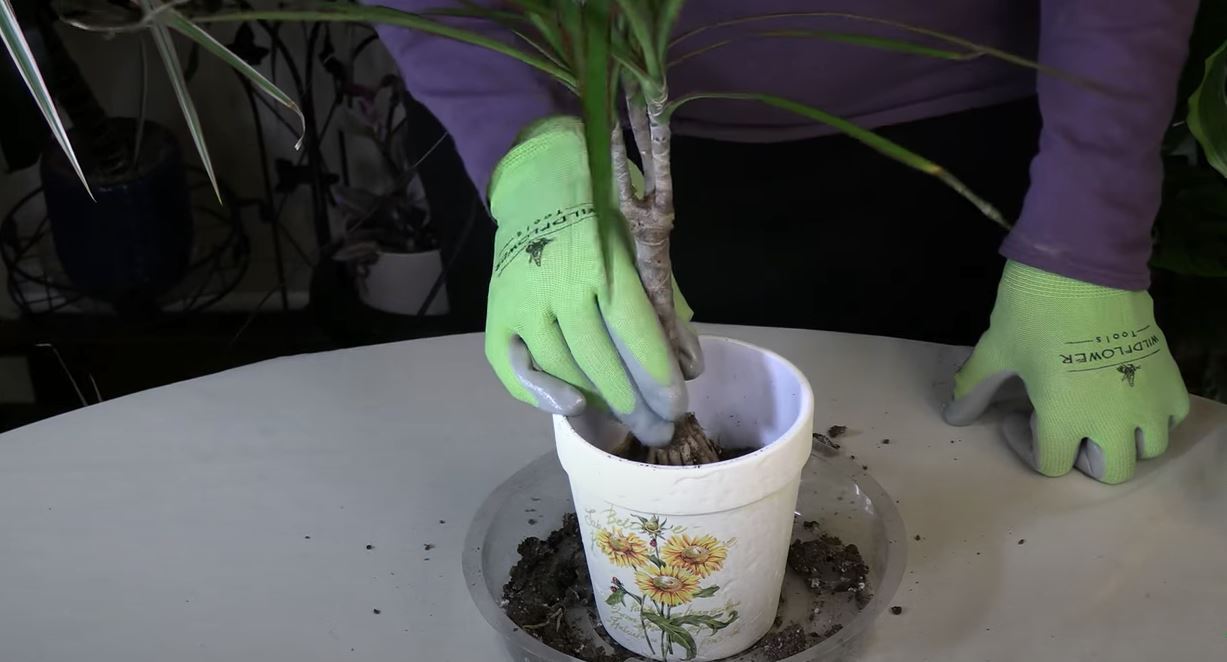
Repotting is a crucial maintenance task for many houseplants. A carefully executed repotting procedure minimizes stress on the plant and ensures a smooth transition. Firstly, ensure you have fresh potting mix. Next, gently remove the plant from its current pot. Carefully loosen the roots, removing any circling or entangled roots.
Place the plant in the new pot, ensuring it’s positioned at the same depth as before. Fill the pot with fresh potting mix, gently firming the soil around the roots. Water thoroughly and place the plant in its designated location.
Signs That Indicate a Plant Needs Repotting
Several signs indicate that a plant needs repotting. If the roots are visible at the soil surface, or if the plant’s growth has slowed significantly, it may be time for a repot. Another telltale sign is if the plant is exhibiting yellowing leaves or if the soil constantly remains waterlogged. These signs point to a need for more space and fresh nutrients.
Pot Sizes, Plant Types, and Repotting Frequencies
| Pot Size | Plant Type | Repotting Frequency |
|---|---|---|
| Small (4-6 inches) | Small succulents, herbs, seedlings | Annually or every other year |
| Medium (6-8 inches) | Most flowering plants, small shrubs | Every 1-2 years |
| Large (8-10 inches or larger) | Larger shrubs, trees, established plants | Every 2-3 years or less frequently |
Note: Repotting frequency may vary depending on the specific plant variety and growth rate. Regular observation of the plant’s health and soil conditions is essential for determining the best time for repotting.
Understanding Plant Growth Stages
Plants, like humans, progress through distinct growth stages. Understanding these stages allows us to tailor our care to best support each phase, leading to healthier, more robust plants. Each stage presents unique needs, from the tiny seedling to the mature flowering plant.Plants typically transition through three primary stages: seedling, vegetative, and flowering. Each stage has unique characteristics and requirements, influencing the way we water, fertilize, and provide light.
Seedling Stage
The seedling stage is crucial for establishing a strong root system and initial growth. Seedlings are extremely vulnerable and require specific care to ensure survival and healthy development. Providing consistent moisture, optimal temperature, and adequate light is paramount.
- Water Management: Maintain consistently moist soil, avoiding both dryness and waterlogging. Water deeply but less frequently to encourage root development. A gentle watering technique is important, avoiding disturbing the delicate root system.
- Light Requirements: Seedlings often require bright, indirect light. Avoid direct sunlight, which can scorch the tender leaves. Gradually increase light exposure as the plant grows stronger.
- Nutrient Considerations: Use a diluted liquid fertilizer specifically formulated for seedlings. Excessive nutrients can harm young plants. Avoid over-fertilizing during this stage.
Vegetative Stage
The vegetative stage focuses on leaf and stem growth. During this phase, the plant is actively building its structure and preparing for potential flowering. Adequate nutrition, light, and water are essential for vigorous growth.
- Light Requirements: Plants in the vegetative stage need ample bright, indirect light for optimal growth. Ensure consistent light exposure, adjusting as needed based on the plant’s specific requirements.
- Water Management: Regular watering is essential, ensuring the soil remains consistently moist but not waterlogged. Observe the soil moisture level before watering to avoid overwatering.
- Nutrient Considerations: Use a balanced fertilizer appropriate for the plant’s needs. Fertilize regularly during active growth, following the manufacturer’s instructions.
Flowering Stage
The flowering stage is characterized by the production of flowers and, eventually, fruits or seeds. Plants require specific conditions to encourage blooming and fruit development. Light, water, and nutrients all play critical roles in supporting this stage.
- Light Requirements: Flowering plants often need more hours of direct sunlight compared to the vegetative stage. Adjust light exposure to meet the specific needs of the plant.
- Water Management: Ensure consistent moisture, but be cautious about overwatering. Adjust watering frequency based on the plant’s specific needs and environmental conditions.
- Nutrient Considerations: Use a specialized fertilizer formulated for flowering plants. These fertilizers often contain higher levels of phosphorus and potassium, which are crucial for flower and fruit development.
Epilogue
In conclusion, understanding the basic needs of your houseplants is crucial for their well-being and your enjoyment. By carefully considering light, water, soil, temperature, humidity, pests, diseases, potting, and growth stages, you can cultivate a thriving indoor garden. This guide provides a solid foundation for success, enabling you to create a beautiful and healthy environment for your houseplants.