Moss poles offer a unique and visually appealing way to support climbing plants, adding a touch of natural elegance to your garden. This comprehensive guide provides detailed information on selecting, installing, and caring for moss poles, ensuring thriving growth for your beloved climbing plants. From understanding the different types of moss poles to troubleshooting common issues, we’ll cover everything you need to know to achieve a beautiful and flourishing vertical garden.
This guide will take you step-by-step through the process, from choosing the right moss pole for your plant’s needs to maintaining both the pole and plant for optimal health. We’ll delve into various aspects, including the different materials, installation techniques, and the ideal plant species to pair with your moss poles.
Introduction to Moss Poles
Moss poles are a popular and effective support system for climbing plants. They provide a natural and aesthetically pleasing way to guide the growth of vines and other climbing species, promoting their vertical development and enhancing their visual appeal. These poles, often crafted from natural materials, create a harmonious integration of plant and structure within a garden or landscape.Moss poles effectively mimic the natural climbing environments of many plants, allowing them to thrive and reach their full potential.
They offer a sustainable alternative to traditional climbing supports, encouraging a more eco-conscious approach to gardening.
Types of Moss Poles
Moss poles are available in various forms, catering to diverse gardening needs and preferences. Natural moss poles, derived from sustainable sources, are a popular choice due to their natural aesthetic appeal and biodegradability. Synthetic moss poles, crafted from durable materials, offer an alternative for situations requiring greater longevity or resilience to weather conditions. The choice between natural and synthetic depends on the specific application and desired outcome.
Materials Used in Construction
Natural moss poles are typically made from materials such as bamboo, willow, or other suitable wood. These materials are often treated to prevent decay and ensure a longer lifespan. Synthetic poles are constructed from a variety of materials, including durable plastic or fiberglass, depending on the specific design and intended application.
Suitable Climbing Plants
Numerous climbing plants benefit from the use of moss poles. Examples include clematis, jasmine, ivy, and various types of roses. The support structure provided by the poles allows these plants to climb and flourish, reaching their full height and spreading their foliage effectively. The poles also aid in shaping the plant’s growth and structure, often producing a more organized and visually appealing display.
Comparison of Moss Pole Types
| Characteristic | Natural Moss Poles | Synthetic Moss Poles |
|---|---|---|
| Material | Bamboo, Willow, other woods | Plastic, Fiberglass |
| Cost | Generally lower | Generally higher |
| Durability | Moderate, susceptible to decay if not treated | High, resistant to weathering and decay |
| Environmental Impact | Sustainable if sourced responsibly | Potentially higher impact depending on material and disposal |
| Aesthetic Appeal | Natural and visually appealing | Modern and contemporary |
The table above provides a concise comparison of natural and synthetic moss poles, highlighting key factors for consideration. Factors such as cost, durability, and environmental impact should be evaluated based on individual gardening needs and preferences. It’s important to choose the type of moss pole that best suits the specific plant species and the desired aesthetic outcome for the garden.
Choosing the Right Moss Pole
Selecting the appropriate moss pole is crucial for the successful support and growth of climbing plants. A well-chosen pole will provide stability, allowing the plant to climb effectively and reach its full potential. Factors like size, material, and anchoring methods all play a significant role in ensuring the longevity and health of the climbing plant.Careful consideration of these factors ensures the plant’s growth trajectory is optimized and that the pole effectively serves its purpose.
This involves understanding the plant’s growth characteristics and the specific environment in which it will be placed.
Pole Size and Diameter
The size and diameter of the moss pole are directly related to the plant’s growth habit and the anticipated size it will reach. A small, delicate vine will thrive on a slender pole, while a robust climber will need a thicker and more substantial support structure. Oversized poles will likely be unnecessary and may not offer the optimal support needed by the plant, potentially hindering its growth.
Conversely, a pole that is too small will likely buckle or break under the strain of a rapidly growing plant.
Pole Material
The material of the moss pole is another key consideration. Different materials offer varying degrees of durability, weight, and aesthetic appeal. For instance, wooden poles are often a popular choice due to their natural aesthetic and strength. However, they may require more frequent maintenance and can be susceptible to rot or insect infestation in certain environments. Metal poles, on the other hand, are often more durable and resistant to the elements but may not always blend seamlessly with the surrounding landscape.
Consider the specific environment and the plant’s needs when making a decision about the appropriate pole material.
Pole Stability and Anchoring
Ensuring the pole’s stability is paramount. A wobbly or unstable pole can damage the plant and potentially cause it to fall over, leading to injury or death. Proper anchoring is essential to prevent the pole from shifting or toppling over.
Anchoring Methods
Various anchoring methods are available for securing moss poles. The optimal method will depend on the pole material, the soil type, and the specific plant’s requirements. For example, using stakes and heavy-duty twine or wire is a common method for anchoring wooden poles. Alternatively, using concrete footings or other anchoring mechanisms can provide significantly more stability.
| Anchoring Method | Suitability | Pros | Cons |
|---|---|---|---|
| Stakes and twine/wire | Wooden poles in well-drained soil | Easy to implement, relatively inexpensive | May not be suitable for strong winds or large plants, potential for damage over time |
| Concrete footings | Wooden or metal poles in any soil type | High stability, long-lasting | More labor-intensive and expensive upfront |
Consider the advantages and disadvantages of each method to select the most appropriate anchoring technique for the given situation. The best anchoring solution will provide adequate stability without harming the surrounding environment.
Installing Moss Poles
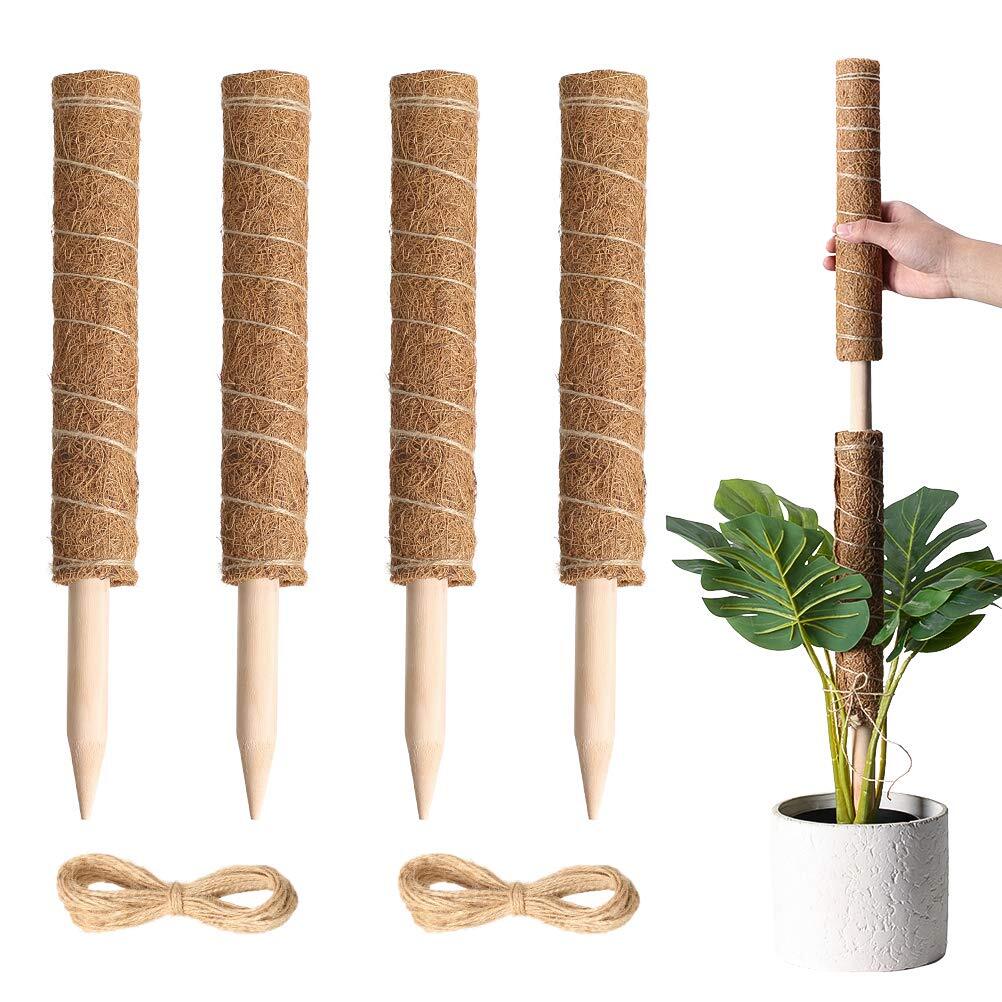
Proper installation of moss poles is crucial for the successful growth and support of climbing plants. A well-installed system ensures stability and prevents damage to the plants or the poles themselves. This section will guide you through the steps of preparing the planting area, securing the pole, anchoring it, and maintaining appropriate spacing.
Preparing the Planting Area
A prepared planting area is fundamental to a strong and lasting moss pole installation. This involves careful consideration of the soil’s condition and the surrounding environment. Clearing the area of debris, rocks, and other obstructions is essential. Ensuring good drainage is also vital, as waterlogged soil can harm the plants and poles. Improving the soil’s quality by adding compost or other organic matter enhances the overall health of the planting area.
This step ensures a healthy environment for the roots of your climbing plants and promotes a robust support structure for the plants.
Securing the Pole to the Ground
Correctly securing the moss pole to the ground is paramount for stability. This prevents the pole from tilting or shifting over time, ensuring the long-term structural integrity of the installation. Begin by digging a hole slightly larger than the pole’s base. This allows for proper soil contact and prevents the pole from becoming embedded too deeply. Carefully place the pole into the hole, ensuring it is plumb and vertical.
Firmly compact the soil around the base of the pole, eliminating any air pockets.
Methods for Anchoring the Moss Pole
Anchoring methods play a crucial role in preventing the pole from moving or shifting. Using concrete or heavy-duty landscaping anchors can provide additional support. Alternatively, driving metal stakes around the base of the pole, connected to the pole with wire or metal straps, can be an effective solution. These methods provide additional reinforcement against wind or other external forces.
Spacing Moss Poles
Appropriate spacing between moss poles is essential for healthy plant growth and to avoid overcrowding. Overcrowding can lead to competition for resources and hinder the growth of the plants. Adequate spacing allows sufficient room for the plants to climb and spread. The recommended spacing varies depending on the type of climbing plant, its expected growth rate, and the overall size of the planting area.
Consider the mature size of the plants when determining spacing to prevent future issues with overcrowding.
Table of Steps in Installing Moss Poles
| Step | Description | Visual Aid |
|---|---|---|
| 1 | Clear the planting area of debris, rocks, and obstructions. | A picture of a clear planting area free of obstacles. |
| 2 | Dig a hole slightly larger than the pole’s base. | A diagram showing the correct size of the hole relative to the pole. |
| 3 | Place the pole into the hole, ensuring it is plumb and vertical. | A picture of a pole correctly positioned in the hole. |
| 4 | Firmly compact the soil around the base of the pole. | A picture showing the soil compacted around the base of the pole. |
| 5 | Choose and implement an anchoring method (e.g., concrete anchors, metal stakes). | A diagram illustrating different anchoring methods. |
| 6 | Determine appropriate spacing between poles based on plant type and growth. | A picture illustrating the correct spacing between poles, considering the plant type. |
Caring for Moss Poles and Plants
Proper care of moss poles and the climbing plants they support is crucial for maintaining the health and aesthetic appeal of your garden. Consistent maintenance ensures the longevity of both the pole and the plant, allowing your climbing plants to thrive and reach their full potential. Neglecting these aspects can lead to decay, disease, and stunted growth.Maintaining a healthy moss pole and plant is a multifaceted process involving regular cleaning, pruning, and appropriate watering.
This ensures the structural integrity of the pole, and the optimal growth of your climbing plants.
Importance of Regular Maintenance
Regular maintenance is essential for preventing decay and disease in both the moss pole and the climbing plant. Cleaning the moss pole and pruning the plant removes dead or diseased material, preventing the spread of pests and diseases. Consistent watering ensures adequate hydration for both the pole and the plant, preventing desiccation and promoting healthy growth.
Cleaning and Maintaining the Moss Pole
Regular cleaning is vital to prevent the accumulation of debris and moisture, which can lead to decay. Remove any dead leaves, debris, or other organic matter from the pole’s surface. Thoroughly clean the moss pole with a soft brush or hose to remove any dirt or grime. Inspect the moss pole for signs of rot or damage, and address any issues promptly.
A crucial aspect is to ensure the proper moisture level within the moss; excessive moisture can lead to mold and rot. Maintaining the correct moisture content is a key factor in preventing deterioration.
Pruning and Shaping Climbing Plants
Pruning and shaping climbing plants is important for their overall health and the structural integrity of the moss pole. Regular pruning removes dead, diseased, or crossing branches, improving air circulation and sunlight penetration. This practice also encourages new growth and shapes the plant’s form. Proper pruning techniques will encourage the plant to climb the pole efficiently, maintaining its desired shape and direction.
Overgrown branches should be carefully trimmed to maintain an aesthetically pleasing and healthy plant.
Watering Techniques
Watering is critical for both the moss pole and the plant. The moss pole needs to be kept moist but not soggy. Water the moss pole thoroughly but avoid overwatering, as this can lead to decay. Watering the climbing plant should be based on its specific needs; monitor the soil moisture and water deeply when the top inch of soil feels dry.
Watering the plant early in the day allows the moisture to absorb before evening, reducing the risk of fungal diseases. Consider using a moisture meter to precisely monitor soil moisture and adjust watering schedules accordingly.
Table of Common Plant Problems and Solutions
| Problem | Possible Cause(s) | Solution |
|---|---|---|
| Stunted Growth | Insufficient water, poor soil quality, lack of sunlight, or pests | Ensure adequate watering, improve soil quality, adjust plant location for optimal sunlight, and monitor for pests. |
| Wilting | Dehydration, overwatering, or root rot | Provide adequate water, adjust watering frequency, and check for root rot. |
| Leaf Spotting | Fungal diseases, pests, or poor air circulation | Apply appropriate fungicides, control pests, and improve air circulation around the plant. |
| Moss Pole Decay | Overwatering, poor drainage, or exposure to harsh weather | Adjust watering, improve drainage, and protect the pole from extreme weather. |
| Poor Climbing | Insufficient support, plant entanglement, or lack of training | Ensure adequate support, untangle plant branches, and train the plant to climb the pole. |
Troubleshooting Common Issues
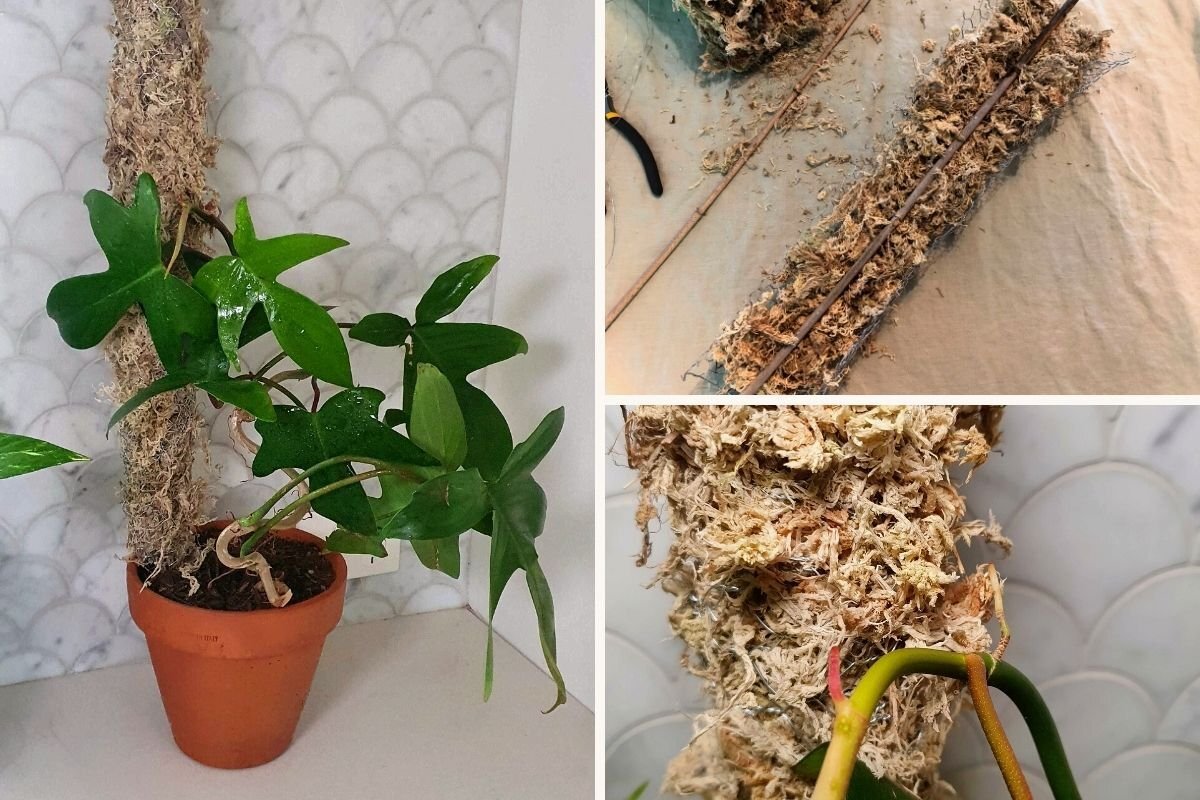
Maintaining the health and stability of your climbing plants supported by moss poles requires proactive problem-solving. Identifying and addressing potential issues promptly can prevent further damage and ensure the continued success of your vertical garden. This section provides a comprehensive guide to common problems and their effective solutions.
Plant Damage
Plant damage, whether from mechanical stress or environmental factors, can significantly impact the overall health and aesthetic appeal of your climbing plants. Careful monitoring and prompt intervention are crucial to mitigating the impact of these issues. Damage can manifest in various forms, including broken stems, torn leaves, or scorched foliage.
- Mechanical Damage: Improper installation or excessive wind can lead to physical damage to the plants. Inspect the poles and plants regularly for signs of damage, and gently support or reposition as needed.
- Environmental Factors: Extreme weather conditions like frost, intense sunlight, or prolonged periods of drought can cause damage to leaves and stems. Providing adequate shade or water as needed can help prevent such damage.
- Pest Infestations: Plant-eating insects can cause damage to the foliage. Identifying the pests and implementing appropriate control methods is essential for maintaining healthy plants. For instance, aphids or caterpillars can quickly defoliate a plant.
Pole Instability
Pole instability is a common issue that can lead to the collapse of the entire system, potentially damaging plants and other structures. Proper installation and regular maintenance are key to preventing this problem.
- Insufficient Anchorage: Ensure the poles are securely anchored to the ground to prevent them from tipping over. Use stakes or other anchoring methods, especially in windy areas.
- Inadequate Support: Verify that the support structure adequately accommodates the plant’s weight and growth. Consider additional supports as the plant matures to prevent bending or breakage.
- Poor Soil Conditions: Soft or uneven soil can contribute to pole instability. Compacting the soil around the base of the pole or using a concrete base can provide stability.
Pole Rot or Decay
Moss poles, like any other wooden structures, are susceptible to rot and decay over time. Regular inspection and prompt treatment are essential to prevent significant damage and maintain the longevity of your moss pole system.
- Moisture Issues: Excessive moisture around the pole can accelerate decay. Ensure proper drainage around the base of the pole to prevent water accumulation.
- Pest Infestation: Certain wood-boring insects can weaken the pole and cause decay. Identify any signs of infestation and implement appropriate control methods.
- Treatment Options: Apply wood preservatives or sealants to the poles to protect them from moisture and decay. Replace severely damaged poles with new ones.
Pest and Disease Issues
Various pests and diseases can impact both the plants and the moss poles themselves, requiring prompt identification and treatment. These issues can significantly compromise the health and aesthetic appeal of your climbing plants.
- Identifying Pests and Diseases: Regularly inspect plants for signs of pests or diseases, such as discoloration, wilting, or unusual growth patterns. Accurate identification is key to effective treatment.
- Disease Management: Treat diseased plants with appropriate fungicides or other disease control measures, following label instructions carefully.
- Pest Control: Use insecticides or other pest control methods to eliminate infestations. Employ integrated pest management strategies for sustainable pest control.
Troubleshooting Table
| Issue | Cause | Solution |
|---|---|---|
| Plant damage | Mechanical stress, environmental factors, pests | Inspect for damage, provide support, address environmental issues, identify and treat pests |
| Pole instability | Insufficient anchorage, inadequate support, poor soil conditions | Secure anchorage, provide additional support, improve soil conditions |
| Pole rot/decay | Moisture issues, pest infestation | Improve drainage, address pest issues, apply preservatives or sealants |
| Pest/disease issues | Various pests and diseases | Identify and treat appropriately, follow label instructions |
Creative Moss Pole Applications
Moss poles offer a versatile and aesthetically pleasing way to support climbing plants. Beyond their straightforward use as vertical supports, moss poles can be incorporated into a variety of garden designs, adding a touch of natural elegance and structure. This section explores innovative applications for moss poles, showcasing their integration into diverse landscaping styles.
Moss Poles in Trellises and Arbors
Integrating moss poles into existing trellises and arbors provides a unique, natural aesthetic. By strategically placing moss poles within the structure, you can create a visually appealing and functional support system. The soft, organic texture of the moss contrasts beautifully with the more structured elements of the trellis or arbor, enhancing the overall design. This approach allows for a customized climbing structure, tailoring the support to the specific needs of the plants and the overall garden design.
Vertical Gardens
Moss poles are an excellent choice for creating vertical gardens. They can be arranged in various patterns, such as a staggered or grid-like formation, to maximize space utilization. This allows for the growth of a wide variety of climbing plants, creating a vibrant and lush vertical display. The natural beauty of the moss also complements the aesthetic appeal of vertical gardens, which are increasingly popular for maximizing space and adding visual interest to urban or small-scale gardens.
Design Considerations for Different Landscaping Styles
The choice of moss poles should be considered in relation to the overall landscaping style. For example, in a contemporary garden, sleek, modern moss poles could be employed, whereas a more rustic or cottage-style garden might benefit from more textured or natural-looking poles. The color and size of the poles should also align with the chosen aesthetic, ensuring a harmonious blend with existing elements.
Comparison with Other Climbing Support Structures
Compared to other climbing support structures like metal trellises or wooden posts, moss poles offer a more natural, organic aesthetic. While metal and wood structures provide strong support, they may not offer the same visual appeal as moss poles, particularly in gardens emphasizing natural themes. The soft texture of the moss poles also contrasts beautifully with the hard lines often associated with metal or wood, offering a more refined look.
Integrating Moss Poles with Garden Elements
- Combining with other vertical structures: Moss poles can be incorporated into existing structures like fences or walls to create layered climbing systems. This technique creates a visually rich and dynamic vertical garden, offering varied plant growth patterns.
- Creating a focal point: Strategically placing moss poles as a focal point within a garden bed can draw attention to a specific area. This is particularly effective when used in conjunction with colorful flowers or unique plant varieties.
- Enhancing privacy: A wall of interconnected moss poles can provide a degree of privacy while maintaining a natural aesthetic. This is a useful approach for gardens bordering walkways or adjacent properties.
- Complementing hardscaping: Moss poles can be positioned to complement pathways, patios, or other hardscaping elements. This creates a visual connection between the natural and built aspects of the garden.
Selecting Plants for Moss Pole Support
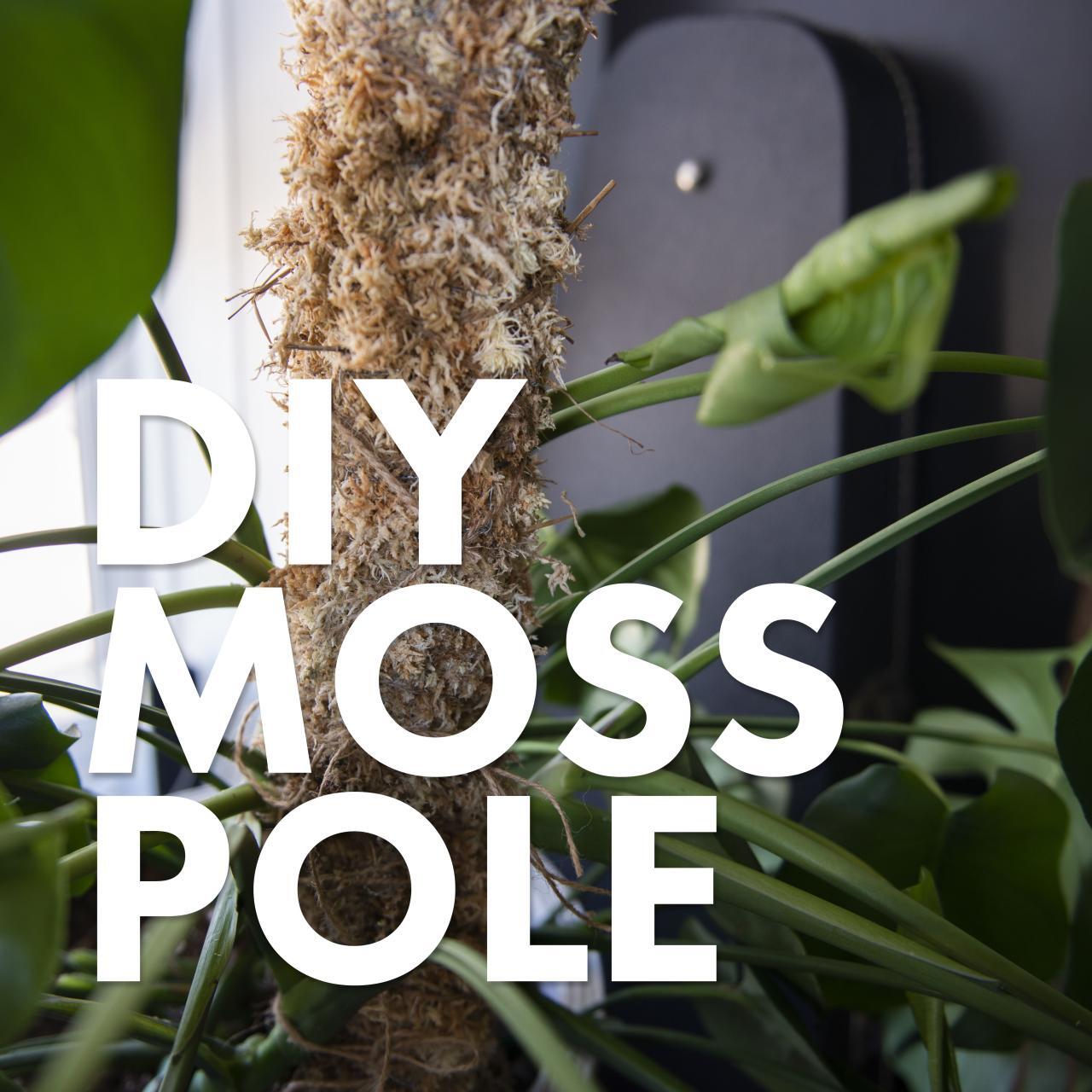
Choosing the right climbing plants for your moss poles is crucial for successful growth and aesthetic appeal. Careful consideration of plant characteristics and growth habits will ensure your plants thrive on their moss pole support structure. The appropriate selection will enhance the overall beauty and functionality of your garden.
Climbing Plant Types Suitable for Moss Poles
A variety of climbing plants benefit from the support provided by moss poles. Their ability to ascend and their need for structure make them ideal candidates. This section highlights several popular choices.
- Vines: Vines are a natural fit for moss poles. Their tendrils and climbing mechanisms readily attach to the moss pole’s surface, allowing them to reach great heights and create a dense canopy. Examples include clematis, honeysuckle, and morning glory.
- Trailers: Trailing plants, often with long stems, can be trained to climb moss poles. Their flexible stems allow them to wrap around the pole, adding a cascading effect to the garden. Examples include sweet peas, nasturtiums, and some types of ivy.
- Twining Plants: These plants have specialized stems that naturally twine around supporting structures. They are particularly well-suited to moss poles due to their inherent climbing mechanism. Examples include some varieties of roses, jasmine, and bougainvillea.
Ideal Plant Characteristics for Moss Pole Support
Certain characteristics make a plant well-suited to thrive on moss poles. These characteristics are important to consider during the selection process.
- Growth Habit: Plants with a vigorous climbing or trailing habit are more likely to effectively utilize the moss pole for support. A plant’s natural inclination to climb is key to its successful adaptation to a moss pole structure.
- Growth Rate: Plants with a moderate to fast growth rate are generally preferred, as they will quickly cover the moss pole and create the desired aesthetic. A slower-growing plant may take longer to fully utilize the support provided by the pole.
- Flowering or Foliage Characteristics: Consider the plant’s visual appeal in terms of its flowers and foliage. The plant’s aesthetic qualities will significantly contribute to the overall garden’s beauty.
Plant Growth Habits and Compatibility with Moss Poles
Understanding a plant’s growth habit is essential to selecting the right plant for your moss pole. The way a plant grows and the method it uses to climb are significant factors to consider. This understanding ensures a proper fit between the plant and the moss pole.
- Climbing vines, such as honeysuckle, typically use tendrils or adhesive pads to attach themselves to surfaces. These tendrils are ideal for securing themselves to the moss pole’s surface.
- Twining plants, such as jasmine, employ winding stems to climb. The twisting motion of the stems ensures a secure grip on the moss pole.
- Trailing plants, like sweet peas, often have long, flexible stems that naturally drape or climb along a structure. These stems can be trained to climb the moss pole.
Specific Needs of Different Plant Types
Different plant types have varying needs when utilizing moss poles for support. This knowledge is critical for successful growth and maintenance.
- Sunlight Requirements: Different plants have specific light requirements. Ensure the location of the moss pole provides the appropriate amount of sunlight for the chosen plant species. Too much or too little light can negatively impact the plant’s growth.
- Watering Needs: Plants require different amounts of water. Monitor the soil moisture around the base of the moss pole and adjust watering accordingly to ensure the plant’s needs are met.
- Fertilizer Requirements: Specific fertilizer types and application schedules may be needed to promote healthy growth. Research the specific needs of the plant species you select.
Plant Selection Table
This table provides a concise overview of plant species, their growth habits, and their suitability for moss pole support.
| Plant Species | Growth Habit | Suitability for Moss Pole Support |
|---|---|---|
| Clematis | Climbing vine | High |
| Honeysuckle | Climbing vine | High |
| Morning Glory | Climbing vine | High |
| Sweet Peas | Trailing | Medium |
| Roses (some varieties) | Twining | High |
| Jasmine | Twining | High |
Closure
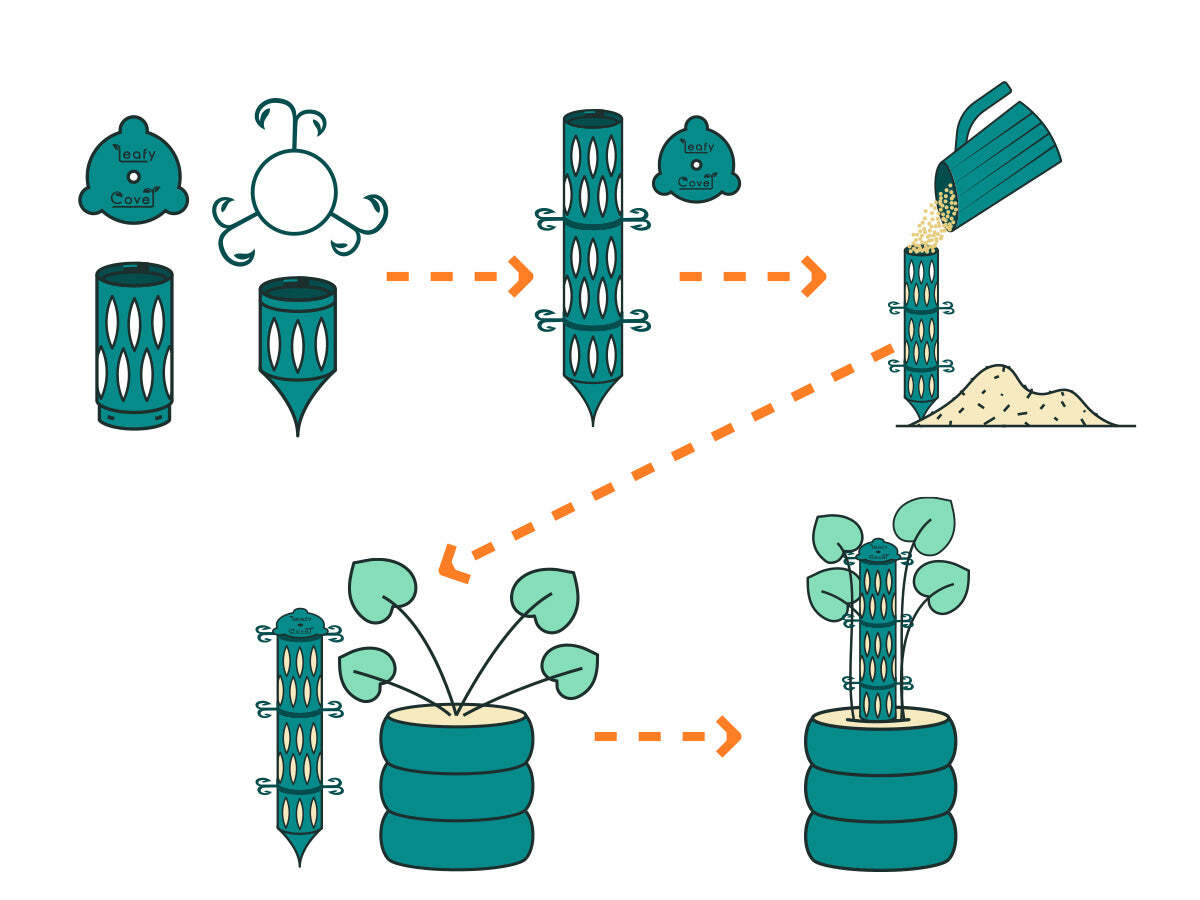
In conclusion, harnessing the natural beauty of moss poles to support your climbing plants can elevate your garden to new heights. By carefully selecting the right moss pole, installing it correctly, and providing proper care, you can cultivate a vibrant and flourishing vertical garden. This comprehensive guide equips you with the knowledge and insights to create a stunning display that seamlessly blends form and function.