Improving indoor air quality is crucial for a healthy and comfortable home environment. Plants, surprisingly, play a vital role in this process. From enhancing aesthetics to actively filtering pollutants, strategically placed and well-maintained indoor plants can significantly improve your home’s air quality. This guide delves into the science and practical steps for achieving a healthier, more vibrant indoor atmosphere using the power of nature.
This comprehensive guide will explore various aspects of incorporating plants into your home to enhance air purification. We’ll examine the science behind how plants purify the air, discuss the best plant choices for your specific needs, and provide expert advice on placement, maintenance, and overall strategies for creating a thriving indoor garden that improves air quality.
Introduction to Indoor Air Purification with Plants
Indoor air quality is a critical aspect of well-being, often overlooked in our modern homes. Plants offer a natural and aesthetically pleasing solution to enhance indoor environments, contributing to a healthier and more comfortable living space. From improving air quality to adding visual appeal and humidity regulation, the benefits of incorporating plants into your home are significant.Plants play a vital role in improving indoor air quality through various mechanisms, primarily through photosynthesis and the absorption of volatile organic compounds (VOCs).
Photosynthesis, the process by which plants convert light energy into chemical energy, releases oxygen into the atmosphere, counteracting the buildup of carbon dioxide. Furthermore, many plants have been shown to effectively absorb VOCs, which are emitted from various household products, furniture, and cleaning supplies. These VOCs can have adverse effects on human health, making plant-based air purification a valuable asset.
Mechanisms of Air Purification
Plants contribute to improved indoor air quality through a complex interplay of biological processes. The primary mechanisms involve photosynthesis, which releases oxygen and absorbs carbon dioxide, and the absorption of volatile organic compounds (VOCs). Through specialized structures in their leaves, plants can effectively trap and metabolize these compounds, reducing their concentration in the air. These processes are integral to maintaining healthy indoor environments.
Impact on Indoor Environments
Plants have a multifaceted impact on indoor environments, extending beyond mere air purification. Their presence can significantly enhance the aesthetic appeal of a space, adding a touch of nature and tranquility to any room. Beyond aesthetics, plants can also regulate humidity levels, which can be particularly beneficial in dry climates or during winter months. Maintaining proper humidity levels can help mitigate respiratory issues and enhance overall comfort.
The presence of plants in an indoor environment can contribute to a calming and refreshing atmosphere.
Comparison of Plant Types
| Plant Type | Potential Benefits | Potential Drawbacks |
|---|---|---|
| Snake Plant (Sansevieria trifasciata) | Excellent air purifier, low-maintenance, tolerates low light conditions. | Can be prone to root rot if overwatered. |
| Spider Plant (Chlorophytum comosum) | Effective at removing VOCs, easy to propagate, adds a touch of greenery. | May require more frequent watering than some other options. |
| English Ivy (Hedera helix) | Known for its ability to absorb various VOCs, vigorous growth, and aesthetic appeal. | Can be invasive if not properly maintained. |
| Peace Lily (Spathiphyllum) | Effective air purifier, relatively low-maintenance, adds elegance to the space. | Sensitive to overwatering and can be prone to leaf spot if exposed to excessive light. |
The table above provides a basic comparison of different plant types and their potential impact on indoor air quality. It’s important to note that the effectiveness of air purification can vary depending on factors like the specific plant species, the amount of light exposure, and the overall size of the plant. Furthermore, while many plants are generally considered low-maintenance, specific care requirements should be researched for each type to ensure optimal growth and air purification.
Choosing the Right Plants for Your Home

Selecting the appropriate plants for your indoor air purification efforts is crucial. Consider your home’s unique environment, your lifestyle, and your personal preferences when making your selections. Different plants thrive under varying conditions, and choosing plants that align with your home’s light, water, and humidity levels will ensure their optimal health and, consequently, their ability to effectively purify the air.Understanding the specific needs of each plant species will lead to a thriving indoor garden that contributes to cleaner air and a more aesthetically pleasing home environment.
This section provides insights into selecting the right plants for your home, considering their specific requirements and your personal preferences.
Popular Air-Purifying Plant Types
A variety of plants are known for their air-purifying qualities. Selecting plants that suit your home’s environment will maximize their effectiveness.
- Snake Plant (Sansevieria trifasciata): This resilient plant is highly tolerant of low-light conditions and infrequent watering. It’s a popular choice for beginners. Its adaptability makes it a good choice for a variety of spaces. It’s known for its ability to remove toxins like formaldehyde from the air. Snake plants thrive in bright, indirect light, but they can tolerate low light.
They need infrequent watering and are fairly drought-tolerant. Their humidity requirements are relatively low, though they may benefit from occasional misting.
- Spider Plant (Chlorophytum comosum): This easy-to-care-for plant is known for its air-purifying capabilities and its propagation. It thrives in bright, indirect light and prefers consistently moist soil. Spider plants require regular watering, ideally when the top inch of soil feels dry. They can tolerate low humidity but appreciate occasional misting. Their moderate water needs and tolerance for low light make them suitable for a range of indoor environments.
- ZZ Plant (Zamioculcas zamiifolia): A very low-maintenance plant, the ZZ plant is perfect for those who may forget to water their plants regularly. It can tolerate low light, and its drought tolerance is exceptionally high. It thrives in well-draining soil and prefers infrequent watering. The ZZ plant prefers moderate humidity, though it can handle lower levels. Its ability to thrive in low light makes it suitable for homes with less direct sunlight.
- Peace Lily (Spathiphyllum): Known for its elegant blooms and air-purifying properties, peace lilies thrive in bright, indirect light. They require consistently moist soil, but not waterlogged conditions. They appreciate high humidity and may benefit from regular misting. Peace lilies are a great option for homes with higher humidity levels.
- Aloe Vera (Aloe barbadensis miller): Beyond its air-purifying qualities, aloe vera is also prized for its medicinal properties. It prefers bright, indirect light and well-draining soil. Aloe vera requires infrequent watering, allowing the soil to dry out between waterings. It is adaptable to a variety of humidity levels.
- English Ivy (Hedera helix): A popular choice for air purification, English ivy thrives in bright, indirect light and prefers consistently moist soil. It tolerates lower humidity levels but may benefit from occasional misting. It’s a climbing plant, so you’ll need to provide a trellis or support for it to grow.
- Areca Palm (Dypsis lutescens): This palm is a visually appealing option that can effectively purify the air. It thrives in bright, indirect light and requires consistently moist soil. Areca palms prefer high humidity and may benefit from regular misting. Their need for higher humidity levels makes them better suited to bathrooms or kitchens.
Selecting Plants Based on Your Home’s Environment
Careful consideration of your home’s environment is crucial when selecting air-purifying plants.
| Plant Type | Light Needs | Water Needs | Humidity Needs | Ideal Placement |
|---|---|---|---|---|
| Snake Plant | Low to bright, indirect | Infrequent | Low to moderate | Living room, office, bedroom |
| Spider Plant | Bright, indirect | Regular | Moderate | Living room, kitchen, bathroom |
| ZZ Plant | Low to bright, indirect | Infrequent | Low to moderate | Living room, office, entryway |
| Peace Lily | Bright, indirect | Consistent moisture | High | Bathrooms, kitchens, humid areas |
| Aloe Vera | Bright, direct | Infrequent | Low to moderate | Living room, office, sunny windowsill |
| English Ivy | Bright, indirect | Consistent moisture | Moderate | Hanging baskets, windowsills |
| Areca Palm | Bright, indirect | Consistent moisture | High | Living rooms, entryways |
Matching Plants to Your Lifestyle and Preferences
Consider your lifestyle and preferences when selecting plants. Choosing plants that match your care routine will ensure their longevity and enhance your indoor environment.
- Busy Lifestyle: Select low-maintenance plants like snake plants, ZZ plants, or aloe vera. These plants tolerate infrequent watering and low-light conditions.
- Attention to Detail: If you enjoy tending to your plants, consider plants with more specific needs, such as peace lilies or spider plants. Their more specific needs provide an opportunity for attentive care.
- Aesthetic Preferences: Consider the aesthetic appeal of the plant. Some plants, such as the areca palm, offer a visually appealing presence.
Placement and Arrangement Strategies
Strategic placement of plants is crucial for maximizing their air-purifying capabilities and enhancing the aesthetic appeal of your indoor environment. Careful consideration of light requirements, water needs, and spacing ensures optimal plant health and a visually pleasing indoor garden. Proper arrangement also contributes to a balanced and harmonious atmosphere.Effective placement of air-purifying plants directly impacts their ability to filter pollutants.
By understanding the specific needs of each plant species, you can optimize their performance in their designated zones. A well-planned layout also creates a visually appealing indoor garden that adds beauty and tranquility to your home.
Ideal Locations for Maximum Air Purification
Plants thrive in diverse environments, but certain locations offer optimal conditions for maximizing their air-purifying effects. Positioning plants near areas with high concentrations of pollutants, such as kitchens or bathrooms, can significantly improve air quality in these spaces. Likewise, placing plants near workspaces can enhance the overall indoor air quality in these areas. Careful selection of location also improves the overall aesthetic of a room.
Enhancing Aesthetic Appeal through Plant Placement
Thoughtful plant placement enhances the aesthetic appeal of a space. Grouping plants with similar colors and textures creates visually interesting displays. Plants can also be strategically placed to complement existing décor or to introduce a touch of natural beauty into a room. By understanding the form and size of the plants and the design of the room, you can create a cohesive and pleasing indoor garden.
Importance of Proper Spacing Between Plants
Maintaining adequate spacing between plants is essential for their healthy growth and overall well-being. Crowded conditions can lead to competition for resources, resulting in stunted growth and potential disease. Sufficient space allows for proper air circulation, which is vital for preventing fungal diseases and promoting healthy plant development. This will also improve the overall aesthetic look of the plants.
Creating a Well-Balanced Indoor Garden Layout
A well-balanced indoor garden layout considers the specific needs of each plant, including light requirements, water needs, and growth habits. By understanding these factors, you can create a harmonious arrangement that promotes the health and well-being of your plants while maximizing their aesthetic appeal. A well-designed indoor garden layout enhances the overall appeal and functionality of a space.
Layout Example
Maintaining Your Indoor Plant Garden
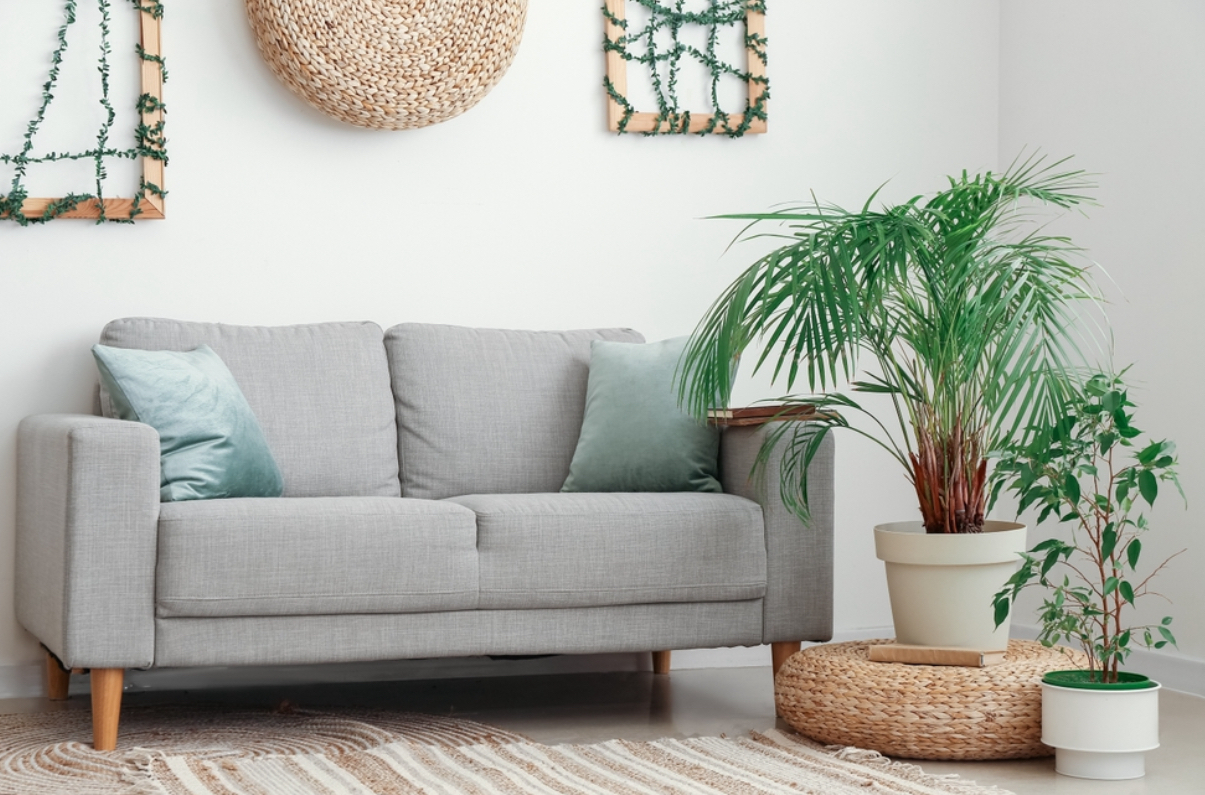
Proper plant care is crucial for maintaining a thriving indoor garden and maximizing the air-purifying benefits of your chosen plants. Consistent attention to watering, cleaning, pest control, and general maintenance ensures your plants remain healthy and contribute effectively to a cleaner indoor environment. A well-maintained plant garden not only enhances the aesthetic appeal of your home but also ensures the continued effectiveness of your air purification system.Maintaining a healthy indoor plant garden involves several key practices, each contributing to the overall well-being of your plants and their ability to purify the air.
Regular watering, appropriate pruning, effective pest control, and meticulous cleaning routines are vital to cultivate a vibrant and thriving indoor ecosystem.
Watering Techniques for Different Plants
Watering is a critical aspect of plant care. Different plant species have varying water requirements, dictated by their origins and the nature of their growth. Overwatering or underwatering can lead to a multitude of issues, impacting the plant’s health and its ability to purify the air effectively. Understanding the specific watering needs of each plant type is paramount to maintaining a thriving indoor garden.
Researching the specific needs of your chosen plants is highly recommended before establishing your indoor garden. Some plants prefer moist soil, while others thrive in drier conditions.
Importance of Regular Cleaning and Maintenance
Regular cleaning and maintenance of your plants is essential for maintaining their health and maximizing their effectiveness in purifying the air. Dust and debris can accumulate on leaves, hindering the plant’s ability to photosynthesize and release oxygen. Regular cleaning helps maintain proper airflow and prevents the buildup of pollutants that can negatively impact the plants.
Best Practices for Pest Control and Disease Prevention
Regular monitoring for pests and diseases is crucial for preventing infestations and ensuring the health of your plants. Identifying early signs of pests and diseases is vital to preventing further damage. Prompt action and appropriate treatment can prevent the spread of issues to other plants in your collection. Implementing preventive measures, such as maintaining proper humidity levels and ensuring good air circulation, can also significantly reduce the risk of pest infestations and diseases.
Plant Care Procedures
Regular plant care procedures are essential to maintaining a healthy and productive indoor plant garden. The table below Artikels a recommended schedule for various care tasks.
| Task | Frequency | Procedure |
|---|---|---|
| Watering | As Needed | Check the soil moisture regularly. Water thoroughly when the top inch of soil feels dry. Avoid letting the pot sit in standing water. Different plants have different watering needs, so research the specific requirements for your chosen species. |
| Pruning | Monthly | Remove dead, damaged, or overgrown leaves and stems. Proper pruning encourages healthy growth and helps maintain the plant’s shape and size. This practice also enhances the plant’s aesthetic appeal. |
| Pest Control | As Needed | Inspect plants regularly for signs of pests, such as aphids, spider mites, or mealybugs. Address any infestations immediately with appropriate methods, such as insecticidal soap or neem oil. Prevention is often better than cure. Maintaining good plant health through proper watering and care can reduce pest susceptibility. |
Plant Selection and Placement for Specific Needs
Choosing the right plants for your home’s unique needs goes beyond aesthetics. Strategic placement and selection can significantly impact air quality, particularly in areas with higher concentrations of pollutants. Understanding which plants excel at removing specific pollutants allows you to tailor your indoor garden to address particular concerns, enhancing the overall well-being of your household.
Targeting Specific Pollutants
Plants exhibit varying abilities to absorb different pollutants. Some are particularly effective at reducing volatile organic compounds (VOCs), while others excel at mitigating mold spores or allergens. Understanding these differences allows you to strategically position plants to address specific areas of concern within your home. This targeted approach ensures that your indoor garden is not just decorative but also actively contributes to a healthier indoor environment.
Plants for VOC Reduction
A variety of plants are known to absorb VOCs, which are often emitted from household products like paints, cleaning supplies, and furniture. These plants contribute to cleaner air by effectively trapping and metabolizing these compounds.
- Snake plants (Sansevieria trifasciata) are known for their exceptional ability to absorb formaldehyde, benzene, and trichloroethylene, common VOCs found in many homes.
- Spider plants (Chlorophytum comosum) are another excellent choice, effectively removing benzene, formaldehyde, and xylene.
- English ivy (Hedera helix) is effective in removing a broad spectrum of VOCs, including toluene and xylene.
Mitigating Mold and Allergens
Certain plants can help reduce the presence of mold spores and allergens in your home, contributing to a healthier environment for individuals with sensitivities. These plants, often known for their vigorous growth, can contribute to a better overall air quality.
- Aloe vera (Aloe barbadensis miller) is known for its air-purifying properties, including the absorption of mold spores.
- Peace lilies (Spathiphyllum) are effective at removing certain mold spores and allergens, contributing to a healthier indoor environment.
- Geraniums (Pelargonium) are well-known for their ability to reduce mold spores and pollen, potentially easing allergies.
Strategic Placement for Optimal Impact
Strategic placement of plants is crucial for maximizing their air-purifying benefits. By placing plants in areas with higher concentrations of pollutants, you can significantly improve the overall air quality in your home. Consider factors such as proximity to sources of pollutants and ventilation patterns when determining placement.
- Placing plants near kitchens, where cooking releases various VOCs, can help neutralize these compounds.
- Positioning plants near bedrooms, where people spend extended periods, can improve air quality during sleep.
- In areas with high traffic, placing plants strategically can help neutralize pollutants emitted from everyday activities.
Selecting Plants Based on Specific Needs
To effectively choose plants for specific needs, consider the following factors:
- Type of pollutants: Identify the specific pollutants present in your home and select plants known to absorb them. Refer to resources that detail plant-pollutant absorption capabilities.
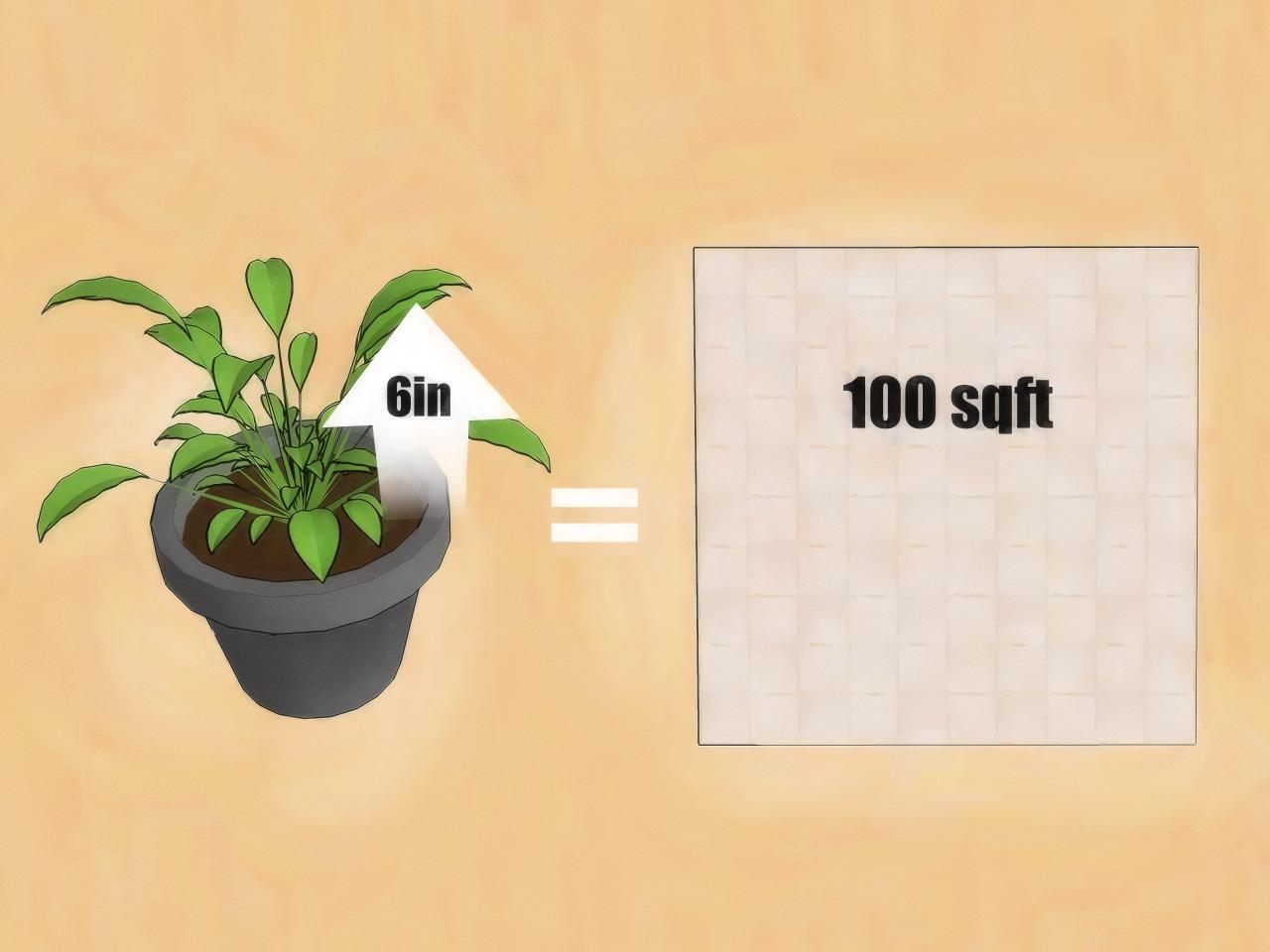
- Size of the area: Larger areas require more plants to effectively purify the air. Consider the size of the room and the number of plants needed to address the air quality concerns.
- Maintenance requirements: Select plants that match your lifestyle and commitment to plant care. Plants with low maintenance needs are ideal for busy individuals.
- Aesthetics: Choose plants that complement your home’s décor and enhance the overall aesthetic appeal of your space. Consider the size and shape of the plant, and its visual appeal to complement your home’s design.
Additional Tips and Considerations
Integrating plants into your indoor environment offers a holistic approach to improving air quality, extending beyond simply purifying the air. This section explores the synergistic effects of natural ventilation, specific plant placement, and overall ecosystem health to maximize the benefits of your indoor plant garden.A well-maintained indoor plant collection, when combined with smart strategies for air circulation and room-specific placement, can significantly enhance the overall air quality and create a more comfortable and healthy living environment.
This is especially true when considering the role of plants within a broader approach to healthy indoor living.
Natural Ventilation and Air Circulation
Proper ventilation and air circulation are crucial for a healthy indoor environment, working synergistically with plants to optimize their effectiveness. Open windows, use of fans, and strategic placement of plants can significantly improve air exchange. By introducing fresh air and encouraging airflow, you can facilitate the natural process of replacing stale air with cleaner, more oxygenated air. This helps the plants perform their air-purifying functions more efficiently.
Incorporating Plants into Different Room Types
Strategic placement of plants in different rooms can enhance their air-purifying and aesthetic impact.
- Bedrooms: Opt for low-maintenance, non-aromatic plants that do not release strong fragrances, such as snake plants or ZZ plants. These plants are known for their air-purifying capabilities and are relatively low-light tolerant, making them ideal for bedrooms where sunlight might be limited.
- Living Rooms: A living room, often a hub of activity, can benefit from a variety of plants, including those with larger leaf surfaces, such as spider plants or peace lilies. These plants can contribute to a more calming and aesthetically pleasing environment. Consider incorporating plants with a slightly more noticeable presence to visually enhance the room.
- Kitchens: Kitchens, with their cooking activities, often have elevated levels of pollutants. Choose plants that are known for their resilience and air-purifying capabilities. Good choices include aloe vera or pothos, which can thrive in various conditions and help mitigate the impact of cooking fumes.
Creating a Healthy Indoor Ecosystem
Maintaining a healthy indoor ecosystem with plants fosters a positive and beneficial environment. The interaction between plants, soil, and the surrounding atmosphere creates a microclimate that contributes to better air quality and overall well-being. Proper watering, light exposure, and pest control are key to maintaining this ecosystem.
Improving Air Quality Through Other Strategies
While plants play a crucial role in improving indoor air quality, implementing additional strategies can further enhance the environment.
- Regular Cleaning: Regular cleaning of surfaces, including dusting and vacuuming, helps to remove airborne particles and pollutants.
- Using Air Purifiers: High-quality air purifiers can remove pollutants and allergens from the air, offering an additional layer of protection for a healthy indoor environment.
- Ventilation Strategies: Proper ventilation, such as opening windows regularly, helps to exchange indoor air with outdoor air, bringing in fresh oxygen and removing pollutants.
Concluding Remarks
In conclusion, incorporating plants into your home is a multifaceted approach to improving indoor air quality. By understanding the science behind plant-based purification, selecting the right plants for your space, and implementing proper care techniques, you can cultivate a healthy and aesthetically pleasing indoor environment. This guide provides a robust framework for creating a thriving indoor ecosystem that benefits your health and well-being.